

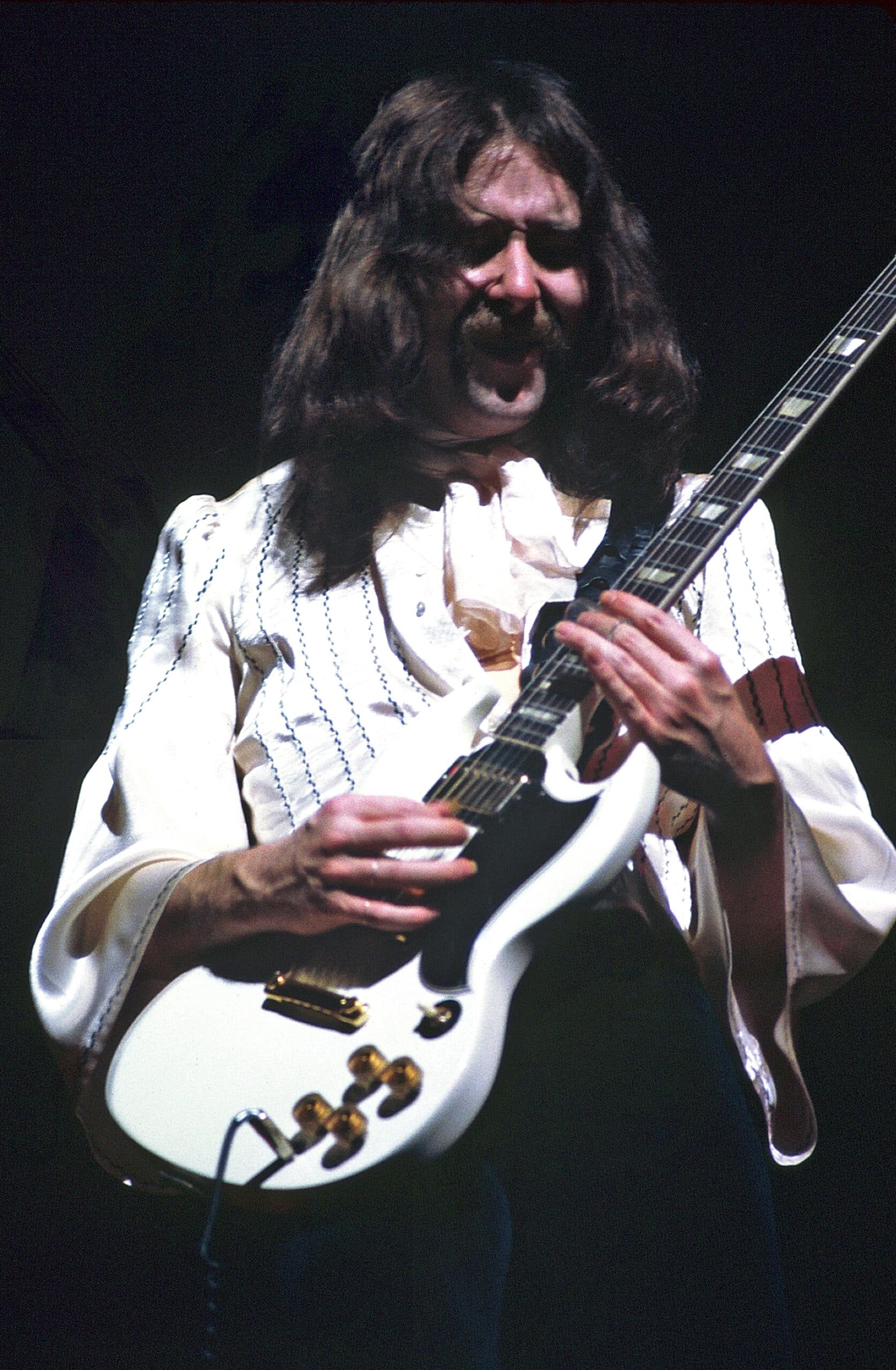
Rod Price was the slide guitarist who defined the sound of British blues rock band Foghat.
Fans and critics called him the Magician of Slide for his work on the bottleneck.
Price co-founded Foghat in 1971 alongside Dave Peverett, Roger Earl, and Tony Stevens.
His playing anchored hits like “Slow Ride” and “Drivin’ Wheel.”
Price died in 2005 after a heart attack and a fall down a stairway.
This biography covers his early years in Black Cat Bones and his rise with Foghat.
It also covers his solo records and the lineup changes that shaped his career.
Affiliate Disclosure: I am an Amazon affiliate and if you purchase through any amazon links on this site i may earn a small commission at no extra charge to you.
Image Credit: Photo by Jim Summaria, CC BY-SA 3.0, via Wikimedia Commons
📋 Table of Contents [+]
⚡ Key Takeaways
- Rod Price was born Roderick Michael Price on November 22, 1947, in Chiswick, London, and became known as the Magician of Slide.
- Price joined Black Cat Bones in 1968, replacing future Free guitarist Paul Kossoff, before that band broke up.
- Price co-founded Foghat in 1971 and played slide guitar on the band’s first ten studio albums between 1972 and 1980.
- Price’s slide work anchored “Slow Ride,” “Drivin’ Wheel,” and “Stone Blue,” and he rejoined Foghat’s original lineup for a 1993 to 1999 reunion.
- Rod Price died on March 22, 2005, in Wilton, New Hampshire, at age 57, following a heart attack and a fall.
Who Was Rod Price?
Rod Price was an English guitarist best known as the slide guitar player for Foghat.
He earned the nickname “the Magician of Slide” for his bottleneck technique.
Fans also called him “the Bottle” and the “Slide King of Rock and Roll.”
Price played lead and slide guitar on Foghat’s biggest hits during the 1970s.
He remained connected to the band across two separate stretches spanning more than two decades.
How Did Price Learn to Play Slide Guitar?
Rod Price was born on November 22, 1947, in Chiswick, a district of London, England.
He first heard the blues on the radio around age seven, captivated by Big Bill Broonzy’s recordings.
Robert Johnson’s slide playing struck him as an awakening once he picked up the guitar himself.
Muddy Waters, Earl Hooker, and Elmore James shaped the raw slide style Price later brought to Foghat.
British folk guitarist Davey Graham was another early influence on his technique.
How Did Rod Price Join Black Cat Bones?
Price joined British blues band Black Cat Bones at age 21 in 1968.
He replaced guitarist Paul Kossoff, who left to help form Free.
Black Cat Bones recorded one studio album, Barbed Wire Sandwich, released in 1970.
The record earned critical respect but sold poorly, and the band broke up soon after.
Price’s time in Black Cat Bones gave him his first real recording credit before Foghat.
How Did Rod Price Help Form Foghat in 1971?
Dave Peverett, Roger Earl, and Tony Stevens left Savoy Brown together in December 1970 and needed a lead guitarist.
Price joined the new group after Black Cat Bones disbanded, completing Foghat’s classic lineup.
The band settled on the name Foghat in January 1971, a nonsense word from a Scrabble style game Peverett invented with his brother.
Price brought the slide guitar sound that separated Foghat from other British blues rock bands of the era.
Roger Earl and Dave Peverett remained Price’s bandmates across both of his stretches in the group.
💡 Did You Know?
Rod Price never played in Savoy Brown. He came directly from Black Cat Bones, the only band besides Foghat he recorded a studio album with before going solo.
What Was Foghat’s Self-Titled 1972 Debut Like?
Foghat’s self-titled debut arrived in July 1972 on Bearsville Records.
Foghat’s debut album paired Price’s slide guitar against Dave Peverett’s blues covers and original songs.
The record’s cover of Willie Dixon‘s “I Just Want to Make Love to You” became the band’s first hit single.
Price’s slide runs on that track set the template for the sound Foghat built through the decade.
Producer Dave Edmunds captured the rawer side of Price’s playing at Rockfield Studios in Wales.
What Songs Showcase Price’s Slide Guitar?
Rod Price’s slide guitar became the signature sound on “Drivin’ Wheel,” “Stone Blue,” and Foghat’s biggest hit, “Slow Ride.”
“Slow Ride” reached the U.S. top 20 in early 1976 and remains Foghat’s most played song on classic rock radio.
The song’s extended slide break became one of the most recognized guitar passages of the decade.
“Stone Blue” showcased a heavier, more aggressive side of Price’s slide technique.
Those three tracks still anchor Foghat’s live sets more than 50 years after they were recorded.
Fool for the City and Foghat’s Commercial Peak
Fool for the City, released in 1975, became Foghat’s first platinum album.
The title track and “Slow Ride” both turned into staples of American rock radio.
Bassist Nick Jameson filled in on the album after Tony Stevens left the band that year.
Price’s slide guitar carried both of the album’s signature tracks to arena rock status.
The album’s success carried into Night Shift in 1976 and the platinum live album Foghat Live in 1977.
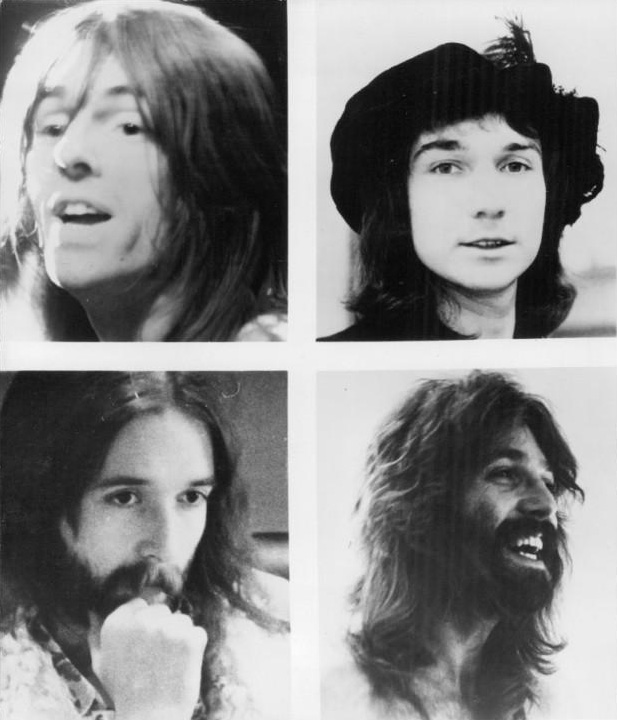
Image Credit: Bearsville Records, via Wikimedia Commons (Public Domain)
💡 Did You Know?
In 1995, Rod Price teamed with Dave Peverett on three tracks for the blues tribute album Rattlesnake Guitar: The Music of Peter Green.
How Did the Foghat Lineup Change Around Price?
Price was one of two guitarists on stage for most of Foghat’s 1970s run, sharing riffs with rhythm guitarist Dave Peverett.
Nick Jameson filled in on bass for the Fool for the City sessions in 1975.
Craig MacGregor then took over on bass in 1976 and stayed through the rest of the decade.
Roger Earl remained on drums throughout, giving Price a steady rhythm section behind his slide work.
Stone Blue, released in 1978, was recorded by that extended lineup and went gold.
| Year | Album |
|---|---|
| 1972 | Foghat |
| 1973 | Rock and Roll |
| 1974 | Energized |
| 1975 | Fool for the City |
| 1976 | Night Shift |
| 1977 | Foghat Live |
| 1978 | Stone Blue |
| 1979 | Boogie Motel |
| 1980 | Tight Shoes |
Why Did Price Leave Foghat in 1980?
Price played his final show with Foghat’s original lineup at the Philadelphia Spectrum on November 16, 1980.
He was the second original member to leave the band that year.
Foghat’s commercial fortunes had already begun to slide by the turn of the decade.
Price stepped away from full time touring with the band for more than a decade afterward.
He continued working as a session and touring guitarist through the 1980s.
Did Rod Price Rejoin Foghat in 1993?
Rod Price reunited with Foghat’s original lineup in 1993 at producer Rick Rubin’s urging.
Dave Peverett, Roger Earl, and Tony Stevens all rejoined him for the reunion.
The reunited band recorded Return of the Boogie Men in 1994 and the live album Road Cases in 1998.
Price toured with Foghat through the reunion’s six year run.
He retired from touring with the band in 1999, ending his second stretch in the lineup.
💡 Did You Know?
Rod Price is buried at Laurel Hill Cemetery, near the New Hampshire home where he lived out his final years.
What Solo Albums Did Price Release?
Price launched a solo career in the 2000s after stepping back from full time touring.
He released his debut solo album, Open, in 2000.
His second solo record, West Four, followed in 2003.
Both albums returned to the raw blues sound that first drew him to guitar as a child.
Price also worked and recorded alongside blues artists including John Lee Hooker and Willie Dixon.
How Did Rod Price Die?
Rod Price died on March 22, 2005, in Wilton, New Hampshire, at the age of 57.
An autopsy found he had suffered a heart attack about a week before his death.
That first heart attack triggered a second, fatal one that caused him to fall down a flight of stairs in his home.
He was survived by his wife, Jackie, and five children.
Price’s death came six years after he stepped away from Foghat’s touring lineup for good.
What Is Rod Price’s Legacy in Classic Rock?
Rod Price’s legacy rests on the slide guitar sound he built into Foghat’s biggest hits.
“Slow Ride” and “Drivin’ Wheel” still define the band’s sound on classic rock radio today.
Foghat has continued to tour and record with Roger Earl as the band’s sole original member.
Guitarists who followed, including Bryan Bassett, built on the slide style Price established in the 1970s.
Price’s bottleneck technique remains a reference point for blues rock slide players decades later.
People Also Ask
Who was Rod Price?
Rod Price was the English slide guitarist who co-founded Foghat in 1971 after leaving Black Cat Bones. Known as the Magician of Slide, he played on the band’s first ten studio albums and anchored hits including “Slow Ride” and “Drivin’ Wheel.” Price remained associated with Foghat across two separate stretches until his death in 2005.
When did Rod Price die?
Rod Price died on March 22, 2005, in Wilton, New Hampshire, at age 57. An autopsy showed he suffered a heart attack about a week earlier, followed by a second, fatal heart attack that caused a fall down a flight of stairs in his home. He was survived by his wife, Jackie, and five children.
Why did Rod Price leave Foghat?
Rod Price left Foghat’s original lineup in November 1980 as the band’s commercial momentum slowed after nearly a decade of touring. He rejoined for a reunion with the original members in 1993 and stayed until retiring from touring again in 1999. Price spent the years between his two stints working as a session and touring guitarist.
Did Rod Price play in Savoy Brown?
No, Rod Price never played in Savoy Brown. His Foghat bandmates Dave Peverett, Roger Earl, and Tony Stevens all came from Savoy Brown, but Price joined Foghat directly from Black Cat Bones, where he had replaced future Free guitarist Paul Kossoff.
Essential Foghat Albums Featuring Rod Price’s Slide Guitar
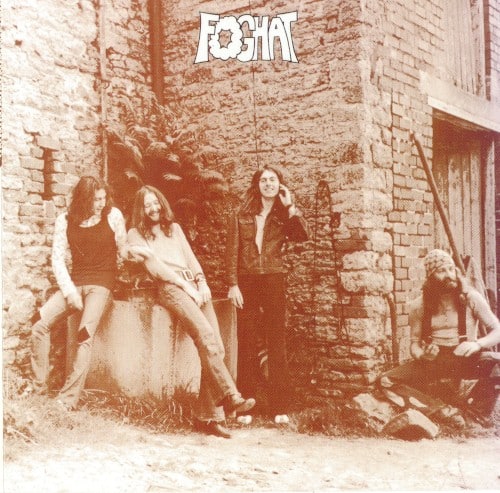
Foghat
1972
Rod Price’s first recorded slide work with the band, produced by Dave Edmunds.
Features the gold single “I Just Want to Make Love to You.”
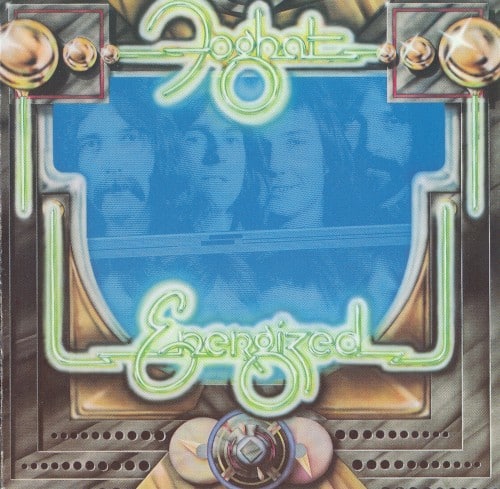
Energized
1974
Gold album that showcased Price’s slide guitar ahead of Foghat’s commercial breakthrough.
Peaked at number 34 on the Billboard 200.
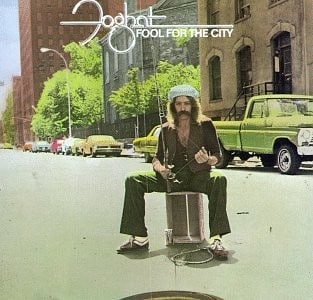
Fool for the City
1975
Foghat’s first platinum album, built around Price’s slide riffs.
Includes “Slow Ride,” the band’s biggest hit.
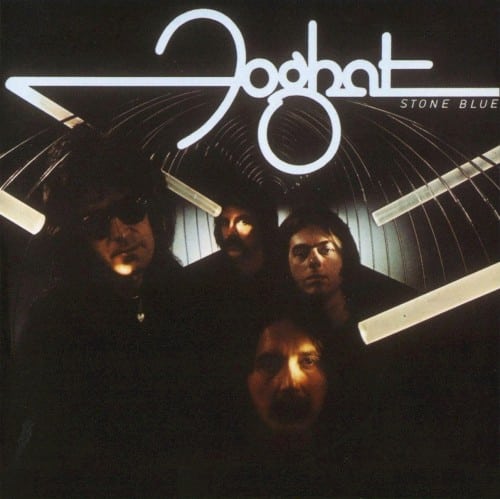
Stone Blue
1978
A heavier showcase for Price’s slide technique late in the band’s classic run.
Peaked at number 25 on the Billboard 200 and went gold.
You Might Also Like
Peter Green: Fleetwood Mac’s Untold Blues Genius
Price recorded two tracks for a 1995 tribute album covering Green’s songbook, tying both guitarists to the same British blues lineage.
John Mayall: The Godfather of British Blues Legend Revealed
Mayall’s Bluesbreakers trained the generation of British guitarists that shaped the same Broonzy and Johnson influenced style Price built on.
Eric Clapton: The Complete Biography of Rock’s Guitar Legend
Clapton and Price both built their sound on the same delta blues records that reached Britain’s 1960s club circuit.
Dave Mason: The Ultimate Biography of the Traffic Co-Founder
Mason and Price both turned British blues apprenticeships into defining FM radio guitar work during the 1970s.
Price spent nearly three decades bringing slide guitar to the center of Foghat’s sound.
From a replacement gig in Black Cat Bones to platinum albums with Foghat, his bottleneck playing shaped 1970s blues rock radio.
He died on March 22, 2005, at age 57.
“Slow Ride” and the rest of his slide work keep Rod Price’s name in rotation on classic rock stations today.
Last updated: September 7, 2026. This Rod Price biography was reviewed for accuracy against verified sources.