

Wonderwall by Oasis reached number two on the UK Singles Chart in 1995 and became the defining song of the Britpop era, outlasting almost every other track from that moment to remain one of the most covered and most recognized songs in British rock history.
Written by Noel Gallagher and sung by Liam Gallagher, the track arrived as the third single from the band’s second album and immediately became the song that defined their peak commercial moment.
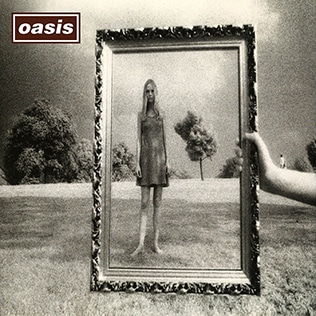
Affiliate Disclosure: As an Amazon Associate I earn from qualifying purchases. This helps support the site at no extra cost to you.
| Song | Wonderwall |
| Artist | Oasis |
| Album | (What’s the Story) Morning Glory? (1995) |
| Written by | Noel Gallagher |
| Produced by | Noel Gallagher, Owen Morris |
| Released | 1995 |
| Genre | Britpop, Alternative Rock |
| Chart Peak | #2 UK Singles Chart, #8 US Billboard Hot 100 |
Table of Contents
Background and History
Oasis formed in Manchester in 1991 and released their debut album Definitely Maybe in 1994, which broke UK sales records and established Noel Gallagher as one of the most instinctive melodic songwriters of his generation.
Their second album, (What’s the Story) Morning Glory?, recorded in 1995 with producer Owen Morris, pushed the band from cult success to global phenomenon within months of release.
Noel Gallagher took the title from George Harrison’s 1968 instrumental album Wonderwall Music, repurposing it as a word that meant someone who saves you or keeps you going.
He initially told interviewers the song was written about his then-girlfriend Meg Mathews, but later clarified that the emotional core of the song is more universal than any single relationship.
The vocal delivery was assigned to Liam Gallagher rather than Noel, a creative decision that gave the lyrics an additional layer of detachment that suited the song’s tone of longing and uncertainty.
Wonderwall and the Recording Story
Wonderwall opens with an acoustic guitar figure played in a capo’d position, creating a chiming, slightly suspended sound that became one of the most imitated openings in 1990s rock.
The arrangement layers acoustic guitar, tambourine, strings arranged by the string section, and a drum machine pattern underneath Liam’s vocal, keeping the track emotionally intimate even at high volume.
Owen Morris’s production for the album was notably compressed, giving the record a density that drove it across radio formats and helped Morning Glory sell over twenty million copies worldwide.
Noel Gallagher has described writing the song quickly and instinctively, without laboring over the structure or attempting to write a hit single deliberately.
That spontaneous quality is part of what gives this song its durability: the chord changes and melody feel inevitable rather than constructed, which is why guitarists of every level have used it as a learning piece for thirty years.
The cultural moment the song arrived in, the height of the Britpop rivalry between Oasis and Blur, made every Oasis release an event, but this track proved to be the one that outlasted the era entirely.
Wonderwall and Chart Performance
Wonderwall reached number two on the UK Singles Chart, kept from number one by Robson and Jerome’s cover of “I Believe.”
It reached number eight on the US Billboard Hot 100, an unusually strong performance for a British rock track in the mid-1990s.
The single was accompanied by a music video directed by Dawn Shadforth, featuring the band in surreal, dreamlike settings that matched the song’s tone of unreality.
The album (What’s the Story) Morning Glory? became one of the best-selling British albums ever recorded, and this song served as its commercial centerpiece in most international markets.
Its Grammy nomination for Best Rock Performance by a Duo or Group with Vocal placed the band in direct competition with American acts at a moment when British rock was reasserting itself globally.
As Oasis continues to outsell even current chart artists, this song remains the primary reason for their catalog’s ongoing commercial relevance decades later.
Lasting Legacy
Wonderwall has been covered more than any other Oasis song and appears on virtually every list of the greatest British rock songs of the 1990s.
The song’s acoustic guitar opening became so widely imitated that it entered popular culture as a shorthand for a certain kind of aspirational amateur guitar playing.
It has appeared in dozens of films, television shows, and commercials, and radio stations have played it consistently for thirty years without the familiarity diminishing audience response.
Noel and Liam Gallagher have both performed it in their respective solo careers following the band’s 2009 breakup, with each version carrying a different emotional weight depending on the performer and the context.
Its central lyrical image, being saved by another person who functions as your entire emotional support, proved universal enough to resonate across cultures and generations that had no direct connection to Britpop or 1990s Britain.
More than thirty years after its release, Wonderwall remains the single track most people associate with Oasis and the song that captures what the band achieved at their commercial and creative peak.
Watch the Official Video
Frequently Asked Questions
FAQ
- Who wrote Wonderwall?
- Noel Gallagher wrote the song, taking the title from George Harrison’s 1968 instrumental album Wonderwall Music. He initially said it was about a girlfriend but later explained the emotional meaning is more universal.
- Who sings Wonderwall?
- Liam Gallagher sings lead vocals on the recorded version, while Noel Gallagher has also performed it solo throughout his career, giving each version a different emotional quality based on their distinct vocal styles.
- What album is Wonderwall from?
- The song is the third single from (What’s the Story) Morning Glory?, Oasis’s second studio album, released in 1995 and produced by Noel Gallagher and Owen Morris. The album sold over twenty million copies worldwide.
- Why did it only reach number two in the UK?
- The single was kept from number one by Robson and Jerome’s cover of “I Believe,” a situation that many Oasis fans and music journalists have cited as one of the more notable chart injustices of the Britpop era.
- Why is the song still so widely covered?
- The chord progression and melody are accessible enough for beginners while emotionally resonant enough to reward repeated performance, making it the default learning piece for acoustic guitar players across multiple generations.
You Might Also Like
With an acoustic guitar figure recognizable in its first two bars and a lyrical hook that has outlasted the entire era it was born in, Wonderwall stands as Oasis’s most enduring contribution to rock music and the song that made Britpop matter to the rest of the world.