

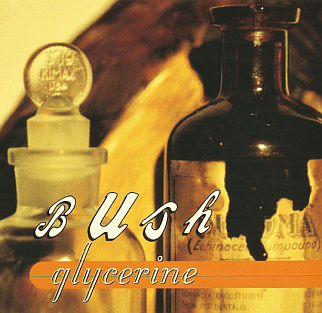
Glycerine by Bush reached number one on the US Billboard Modern Rock Tracks chart in 1995 and became the band’s most successful ballad, demonstrating that a London rock band could build a massive American following before achieving comparable recognition at home.
Written by vocalist and guitarist Gavin Rossdale and drawn from the debut album Sixteen Stone, Glycerine applied the acoustic intimacy of post-grunge balladry to a lyric that Rossdale has described as one of the most personal he has written.
Affiliate Disclosure: As an Amazon Associate I earn from qualifying purchases. This helps support the site at no extra cost to you.
| Song | Glycerine |
| Artist | Bush |
| Album | Sixteen Stone (1994) |
| Written by | Gavin Rossdale |
| Produced by | Clive Martin |
| Released | 1995 |
| Genre | Post-Grunge, Alternative Rock |
| Chart Peak | #1 US Modern Rock Tracks, #26 UK Singles Chart |
Table of Contents
Background and History
Bush formed in London in 1992, with Gavin Rossdale on vocals and guitar, Nigel Pulsford on guitar, Dave Parsons on bass, and Robin Goodridge on drums.
The band struggled to secure a UK record deal and instead signed with Interscope Records in the United States in 1994, releasing Sixteen Stone to the American market first.
The timing placed Bush directly in the post-grunge alternative rock landscape that Nirvana had opened to British bands with American ambitions, and the sonic similarities between Bush’s approach and the Seattle sound both helped and complicated their reception.
American rock radio embraced Sixteen Stone quickly, and the album was already selling well in the US before it received a UK release, creating the unusual situation of a British band becoming famous in America before being recognized at home.
The American Market
Bush’s success in America ahead of the UK made them a singular case in 1990s rock, occupying a position more similar to that of the British Invasion acts of the 1960s in reverse.
The British rock press initially treated the band with skepticism, partly because of their American commercial success and partly because their sound was perceived as too directly influenced by the Seattle grunge that had already produced its primary American acts.
American audiences made no such distinction, responding to this tune and the other Sixteen Stone singles as straightforward entries in the post-grunge alternative rock they were already consuming from Stone Temple Pilots and Soundgarden.
Rossdale’s vocal delivery and physical presence made the band effective on MTV, and the video received heavy rotation that extended the song’s reach well beyond alternative rock radio.
The pattern of American success preceding UK recognition eventually reversed as Sixteen Stone became a UK hit following the American breakthrough, but the American audience remained Bush’s primary commercial base throughout their career.
The Recording Story
The song is built on an acoustic guitar figure that Rossdale plays throughout the verse, with the arrangement remaining sparse compared to the heavier tracks elsewhere on Sixteen Stone.
The production keeps the recording intimate and direct, letting Rossdale’s vocal carry the emotional weight without the dense guitar layering that characterized the album’s harder singles.
Rossdale has described the lyric as addressing a relationship ending and the specific helplessness of wanting to fix something that cannot be fixed, a theme he rendered in impressionistic rather than explicit terms.
The song’s title and several of its images function as emotional rather than literal descriptors, which gave the lyric a quality of feeling understood even when individual lines resisted straightforward interpretation.
That combination of acoustic intimacy, restrained production, and emotionally resonant but slightly oblique writing placed this classic in a distinct register from Bush’s harder material and gave it a crossover appeal that their louder singles could not match.
The Charts
It reached number one on the US Billboard Modern Rock Tracks chart and peaked at number twenty-six on the UK Singles Chart, a reversal of the band’s typical American-leading commercial pattern that reflected the song’s broader emotional accessibility.
Sixteen Stone was certified six times platinum in the United States, with Glycerine serving as one of the four singles that kept the album on rock radio through 1994 and 1995.
The album’s American commercial performance placed Bush among the most commercially successful rock debuts of the mid-1990s, alongside records from bands who had been operating in the American market since their formation rather than arriving from London.
The song’s chart longevity reflected consistent radio programming decisions rather than a sudden viral moment, a slower-building commercial trajectory that demonstrated the depth of the band’s American audience rather than dependence on a single breakout event.
Lasting Legacy
Glycerine is the Bush recording most consistently associated with the band’s ballad capability and the track that most completely demonstrated Rossdale as a vocalist capable of restraint alongside the more aggressive performances that had defined the band’s initial radio identity.
The song remains the most frequently played Bush track on adult contemporary and classic rock stations, outlasting the heavier singles from Sixteen Stone in consistent radio rotation.
Bush continued recording and touring through the 2000s, dissolving and reforming, and this tune remained the centerpiece of their live sets regardless of which lineup was performing.
The song’s position as one of the defining acoustic-adjacent post-grunge ballads of the mid-1990s places it in a category alongside recordings from Foo Fighters and Matchbox Twenty that carried the emotional directness of the grunge era into a more radio-accessible format.
More than thirty years after its release, it endures as the Bush recording that best captured the emotional range Rossdale brought to the band and the song that proved a London act could build a genuine American rock audience entirely on its own terms.
Watch the Official Video
Frequently Asked Questions
FAQ
- Who wrote this song?
- Gavin Rossdale wrote it entirely himself. He has described it as one of his most personal lyrics, addressing the experience of a relationship ending and the helplessness of wanting to repair something that cannot be fixed. The imagery is impressionistic rather than explicit, which gave the lyric a broadly relatable quality.
- What album is the song from?
- The song appears on Sixteen Stone, Bush’s debut album, released in the United States in 1994 and certified six times platinum there. The album was released in the UK market later, after it had already established Bush as a major commercial force in America.
- Why did Bush break in America before the UK?
- Bush signed with Interscope Records in the United States after struggling to secure a British record deal. Sixteen Stone was released to the American market first, and its success there preceded UK commercial recognition, making Bush one of the few British rock bands of the 1990s to establish their primary audience in America before achieving comparable recognition at home.
- What chart did this song reach number one on?
- It reached number one on the US Billboard Modern Rock Tracks chart, the alternative rock airplay chart that reflected college radio and alternative format programming. It peaked at number twenty-six on the UK Singles Chart, reflecting the band’s stronger American than British commercial footing.
- Is Bush still together?
- Bush has dissolved and reformed multiple times. Gavin Rossdale has continued leading versions of the band through the 2010s and 2020s, releasing new albums and touring. Glycerine remains the consistent centerpiece of their live sets regardless of which lineup is performing.
You Might Also Like
Reaching number one on American rock radio before British audiences had properly encountered the band, Glycerine stands as the Bush recording that most completely captured Gavin Rossdale’s emotional range and the song that built the American rock audience a London act had been unable to find at home.