

Tony Kaye has been a driving force in progressive rock music for over five decades. As the keyboardist for Yes, one of the most influential bands in rock history, he shaped the sound of an entire genre. His work on the keys helped define what progressive rock would become, combining classical influences with rock energy in ways that few musicians have matched.
When you think of Yes, you’re thinking of intricate keyboard arrangements, complex compositions, and a sound that pushes boundaries. Tony Kaye was instrumental in creating this signature style. He joined Yes in 1971, just as the band was beginning to explore more ambitious musical territory. His arrival marked a turning point in the band’s evolution, bringing a new level of sophistication to their arrangements.
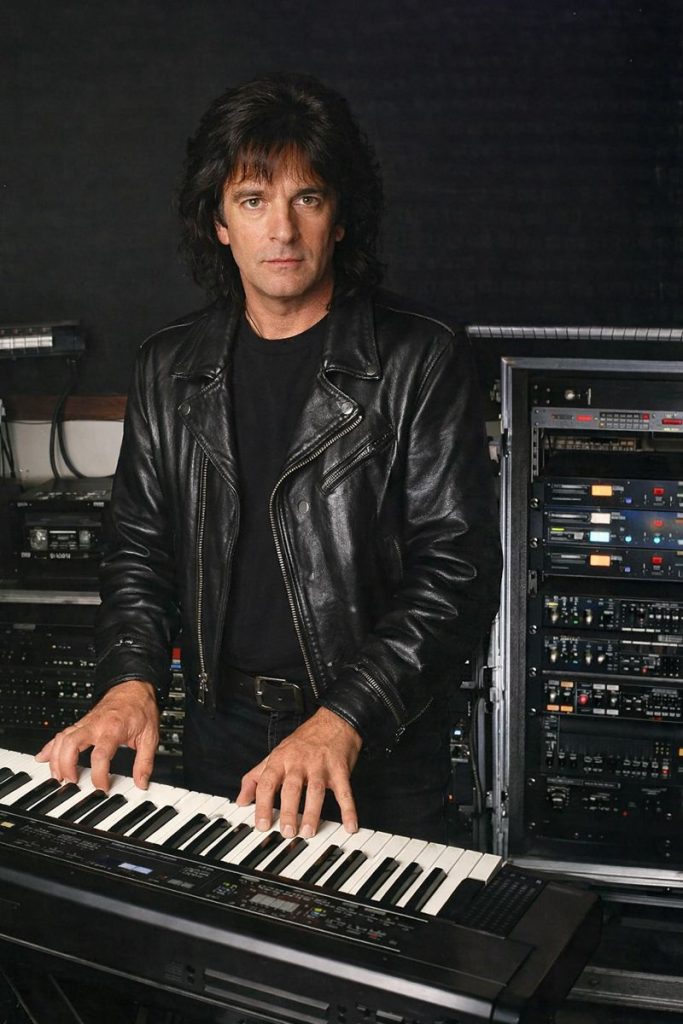
The Early Years and Musical Foundation
Tony Kaye’s musical journey began long before he became famous. Born in Leicester, England, he developed his skills as a classical pianist before entering the rock music world. This classical training proved invaluable when he joined Yes. Unlike many rock keyboardists who relied solely on electric instruments, Kaye could draw from a deep well of classical knowledge and technique.
His early work with Yes showcased his ability to blend different musical styles. He didn’t simply play background organ parts. Instead, Kaye created intricate keyboard passages that functioned as full instrumental voices within the band’s compositions. This approach elevated the keyboard’s role from accompaniment to equal partnership with guitars and vocals.
Defining Albums and Breakthrough Moments
During the 1970s, Tony Kaye of Yes helped create some of the most celebrated progressive rock albums ever recorded. The album “Fragile“ released in 1972 became a watershed moment for the band and the genre. Kaye’s keyboard work on tracks like “Roundabout” and “Heart of the Sunrise” demonstrated his technical mastery and creative vision.
What made his playing special was his willingness to take risks. He used synthesizers in innovative ways that matched the adventurous spirit of Jon Anderson’s vocals and Steve Howe’s guitar work. The result was a cohesive sound that felt both experimental and accessible, a rare combination in progressive rock.
The album “Close to the Edge“ further solidified his reputation. The title track, an epic twenty-minute composition, featured some of Kaye’s most memorable keyboard sequences. His ability to sustain melodic and harmonic interest over extended instrumental passages helped make these lengthy compositions work brilliantly.
Musical Style and Technical Contributions
Tony Kaye’s approach to keyboard playing set him apart from his contemporaries. He understood that in a band like Yes, the keyboard player needed to do more than just provide chords. Kaye created melodic counterpoints that wove through the band’s arrangements like additional voices in a classical composition.
He mastered multiple keyboard instruments, including the Mellotron, Minimoog synthesizer, and traditional organ. Each instrument served a specific purpose in the band’s sound. When you listen to Yes recordings from his era, you can hear how carefully he chose which keyboard to use for each moment, maximizing the emotional and sonic impact of every passage.
His improvisational skills also deserve recognition. During live performances, Tony Kaye of Yes demonstrated remarkable ability to interact with his bandmates in real-time. These spontaneous musical conversations between band members created some of the most exciting moments in progressive rock history.
The Impact on Progressive Rock
Progressive rock wouldn’t sound the way it does without contributions from musicians like Tony Kaye. His work established the keyboard as a primary compositional instrument in the genre, not merely an accompaniment tool. This influence extended far beyond Yes, inspiring countless keyboardists in bands across the progressive rock landscape.
When other bands wanted to achieve that complex, layered sound characteristic of Yes, they looked at how Tony Kaye structured his keyboard parts. His approach became something of a blueprint for progressive rock keyboard playing. Young musicians studied his recordings to understand how to blend classical training with rock sensibilities.
Legacy and Continuing Influence
Tony Kaye’s career with Yes spanned several decades, during which the band reinvented itself multiple times. Through all these changes, his commitment to musical excellence remained constant. He participated in the band’s reunion tours and continued recording with Yes into the 2000s, showing that his creative energy never diminished.
The keyboardist’s influence extends to modern musicians who cite Yes as a major inspiration. Producers and composers in film and video game music have drawn from the progressive rock template that Kaye helped establish. His keyboard work appears in documentaries and educational materials about rock music history.
Understanding Tony Kaye’s contributions helps you appreciate not just Yes as a band, but the entire progressive rock movement. He represents an era when musicians weren’t afraid to be ambitious, when long instrumental passages were celebrated, and when technical mastery served artistic vision. That spirit continues to influence musicians today, decades after those groundbreaking recordings were made.
Early Life and Musical Journey: How Tony Kaye Found His Way to Yes
Tony Kaye stands as one of the most significant keyboard players in progressive rock history. His journey to becoming a member of Yes represents a fascinating story of musical talent, dedication, and the right opportunities meeting raw ability at crucial moments. Understanding how this accomplished musician found his way to one of rock’s most celebrated bands offers insight into the development of progressive rock itself.
Born Anthony Percival Topple on August 16, 1945, in Birmingham, England, Tony Kaye grew up in a post-war Britain where music was beginning to explode across the cultural landscape. His early years were shaped by the growing influence of American rock and roll, which captured the imagination of young British musicians. From an early age, Kaye showed a natural aptitude for music that would eventually define his career. His family recognized his talent and encouraged his musical pursuits, providing him with the support he needed to develop his craft.
Kaye’s formal training began with classical piano lessons, which gave him a strong foundation in music theory and technique. This classical background would later prove invaluable as progressive rock emerged as a genre that demanded sophisticated musical knowledge. Unlike many rock musicians who picked up instruments through informal means, Kaye had the advantage of structured instruction. This training allowed him to understand harmony, composition, and the technical aspects of keyboard performance in ways that many of his contemporaries did not.
During his teenage years, Kaye became captivated by the emerging sounds coming from America and Europe. He listened intently to artists who were pushing the boundaries of what rock music could be. This exposure to diverse musical influences shaped his artistic sensibilities and helped him develop a unique voice as a musician. He spent countless hours practicing, refining his skills on keyboards and exploring different sounds and techniques that would later become hallmarks of his playing style.
In the early 1960s, Kaye began his professional career playing in various bands around the Birmingham music scene. These early experiences were crucial to his development as a working musician. He learned how to perform under pressure, collaborate with other musicians, and adapt his playing to different musical contexts. Each band he played with taught him something valuable about performance, musicianship, and the practical realities of making a living through music.
Kaye’s breakthrough moment came when he joined a progressive rock band called Strawbs in the late 1960s. This opportunity proved transformative for his career. With Strawbs, he worked on material that showcased his growing expertise with keyboards and his ability to contribute musically to complex arrangements. The band’s music allowed him to explore the progressive rock sound that was emerging as a major force in popular music. His work with Strawbs demonstrated his capabilities to audiences and other musicians in the progressive rock community.
The late 1960s represented a pivotal time in British rock music. Bands were experimenting with longer songs, more complex arrangements, and keyboard-driven sounds that departed from the simple three-chord rock and roll of earlier decades. Tony Kaye’s skills made him perfectly suited to this new musical landscape. His combination of classical training, technical proficiency, and creative sensibility positioned him as exactly the kind of musician that progressive rock bands were looking for.
Yes was searching for a new keyboard player in 1971 when the band was developing its distinctive sound. The group had already established itself with bold, ambitious music that demanded technical excellence from every member. When Tony Kaye auditioned for Yes, he brought everything needed for the position. His versatility on keyboards, combined with his understanding of progressive rock’s musical language, made him the ideal choice. The band recognized immediately that Kaye could enhance their sound and contribute meaningfully to their ambitious musical visions.
Joining Yes marked the beginning of an extraordinary chapter in Kaye’s career. His arrival coincided with the band’s creative flourishing, and he became an integral part of the group’s most celebrated period. His keyboard work would help define the sound of classic Yes albums and establish progressive rock as a dominant force in the 1970s music scene. The path that began in Birmingham, continued through his classical training, developed through his work in other bands, and finally led to Yes demonstrated how talent, dedication, and timing combine to create musical greatness in the lives of artists who shape popular culture.
Iconic Albums and Performances: Tony Kaye’s Contributions to Yes’s Greatest Works
Tony Kaye of Yes stands as one of the most influential keyboard players in progressive rock history. His work with the legendary band Yes shaped some of the most innovative and memorable albums in the genre. When you explore the musical landscape of progressive rock, you’ll quickly discover that Tony Kaye’s contributions were fundamental to the band’s identity and success. His technical mastery and creative approach to the keyboard transformed how progressive rock music could sound.
The journey of Tony Kaye with Yes began in the early 1970s when the band was establishing itself as a force in rock music. His arrival marked a significant turning point for the group. Before joining Yes, Kaye had already developed a reputation as a skilled musician with diverse influences. When he became the keyboardist for Yes, he brought fresh energy and sophisticated harmonic ideas that elevated the band’s musical arrangements. His ability to blend classical music training with rock sensibilities created textures that became signature elements of Yes’s sound.
Pioneering the Progressive Sound
During the early years of Tony Kaye’s time with Yes, the band was developing its signature progressive rock style. You can hear his influence throughout their albums as he used keyboards not just as background instruments but as central elements of compositions. His playing style emphasized complexity and precision, which aligned perfectly with Yes’s ambitious musical vision. The band’s albums from this period showcase keyboards as integral parts of intricate arrangements, with Kaye often providing countermelodies and harmonic support that enhanced every song.
The technical aspects of Kaye’s playing deserve special attention. He mastered multiple keyboard instruments, including piano, organ, and synthesizers. This versatility meant he could adapt to different musical moods and song requirements. Whether a composition needed the warmth of an organ or the bright tones of a synthesizer, Kaye delivered performances that served the song’s needs. His training allowed him to understand music theory deeply, enabling him to create complex arrangements that still remained accessible to listeners.
Studio Excellence and Innovative Arrangements
When Yes entered the recording studio during the height of Kaye’s tenure, something magical happened. His studio work demonstrates a keen understanding of how to layer keyboard sounds for maximum impact. You’ll notice in production credits from these sessions that Kaye spent considerable time crafting arrangements. He didn’t simply play what was written. Instead, he contributed ideas that shaped how songs developed. His input influenced orchestral arrangements that made Yes’s albums feel like complete artistic statements rather than simple collections of songs.
The keyboard parts that Kaye performed on Yes’s most celebrated records show remarkable musical intelligence. He balanced technical showmanship with restraint, knowing when to let other instruments shine and when to step forward with elaborate passages. This maturity in his playing prevented songs from becoming overly busy or cluttered. Instead, his arrangements enhanced the listening experience by creating clear hierarchies of musical information. Listeners could follow individual melodic lines while appreciating the overall complexity of the compositions.
Live Performance Mastery
Beyond the recording studio, Tony Kaye’s live performances with Yes were extraordinary. When you watch videos from Yes concerts during his era, you witness a musician completely in command of his craft. His ability to recreate studio arrangements while adding spontaneous improvisations kept performances fresh and exciting. The energy he brought to stages around the world helped establish Yes as one of the premier live rock acts of their time. Audiences could see his passion for music and his deep connection to the band’s material.
His live performances required tremendous physical and mental discipline. Playing keyboard parts that were often intricate and demanding while maintaining energy throughout lengthy sets tested his endurance. Yet Kaye consistently delivered performances that matched the quality of the studio recordings. His commitment to excellence set a standard that helped establish Yes’s reputation for uncompromising artistry. Fans who attended Yes concerts during this period often describe the keyboard work as a highlight of their experience.
Musical Legacy and Influence
The impact of Tony Kaye of Yes extends beyond the band itself. His work influenced countless keyboard players who came after him. Young musicians studying progressive rock found inspiration in his approach to composition and performance. The techniques he developed became part of the progressive rock vocabulary. Music schools and aspiring musicians studied his recordings to understand how keyboards could function in complex rock arrangements.
His contributions helped define what progressive rock could be as a genre. By demonstrating that keyboards could carry equal weight with guitars in rock music, Kaye opened new creative possibilities. This influence can be heard in progressive rock bands that came later, many of whom directly credit Yes and Kaye as major inspirations. The keyboard-driven arrangements that became common in progressive rock owe much to the pioneering work Kaye did with Yes.
Tony Kaye’s work with Yes represents a golden era of progressive rock innovation. His keyboard playing, arrangements, and creative contributions shaped albums that remain influential decades later. Whether you’re discovering Yes for the first time or you’ve been a fan for years, appreciating Kaye’s role in the band’s success enriches your understanding of their music. His legacy continues to inspire musicians and delight audiences who appreciate sophisticated, ambitious rock music played with technical excellence and artistic integrity.
The Technical Mastery Behind the Keys: Understanding Tony Kaye’s Musical Approach
Tony Kaye has become one of the most recognizable keyboard players in progressive rock history, and his journey with Yes has been nothing short of remarkable. When you listen to Yes albums, you’re hearing the result of decades of musical innovation and technical precision. Kaye’s approach to the keyboard goes far beyond simply pressing keys – it’s about creating textures, building atmospheres, and pushing the boundaries of what an instrument can do within a rock context.
The foundation of Kaye’s technical mastery lies in his understanding of how keyboards can function within a band structure. Unlike solo piano players who occupy the spotlight, Kaye developed a philosophy of support and enhancement. He doesn’t just fill spaces in the music; he constructs entire sonic landscapes that complement the guitars, bass, and drums while maintaining their prominence. This balance requires deep knowledge of frequency ranges, orchestration, and timing—skills that took years to develop.
The Evolution of Keyboard Technology and Creative Expression
When Tony Kaye of Yes joined the band, keyboard technology was rapidly advancing. He embraced these changes and learned to master multiple instruments including the Mellotron, which became a signature sound for the band. The Mellotron allowed players to trigger tape loops of real orchestral instruments, creating lush, complex soundscapes. Kaye’s work with this instrument became legendary, and you can hear its influence throughout Yes’s most celebrated albums.
As technology progressed, Kaye adapted his approach. He moved from analog synthesizers to digital ones, from basic sequencers to complex programming tools. Rather than viewing these changes as threats, he saw them as opportunities to expand his creative palette. His willingness to learn new equipment became a defining characteristic of his career with Yes. Today’s listeners can appreciate how he seamlessly integrated vintage and modern sounds, creating something timeless.
Layering and Harmonic Complexity
One of the most distinctive aspects of Tony Kaye’s approach involves layering multiple keyboard sounds simultaneously. If you pay close attention to Yes recordings, you’ll notice that what sounds like one sustained note is often actually several different keyboard sounds playing together. This creates richness and depth that wouldn’t be possible with a single instrument.
His understanding of harmonic complexity allowed him to support Yes’s intricate compositions. Progressive rock demands more from keyboard players than traditional rock music does. You need to understand advanced music theory, chord extensions, and how to voice chords in ways that sound both modern and natural. Kaye mastered these elements, enabling Yes to create some of rock music’s most sophisticated harmonic structures.
Live Performance Demands and Technical Precision
Playing keyboard for Yes presents unique challenges during live performances. The band’s songs often feature multiple sections, key changes, and dramatic shifts in mood and tempo. Tony Kaye of Yes had to develop the ability to execute precise transitions while managing numerous sounds and effects.
Consider the technical requirements: you must switch between different patches or keyboard sounds in perfect sync with the band, manage volume levels to avoid overwhelming other instruments, and maintain rhythmic accuracy even during the most complex passages. Kaye accomplished this through meticulous preparation and deep familiarity with every arrangement. His live performances demonstrate that his technical mastery isn’t limited to the recording studio—it translates powerfully to the stage.
Sound Design and Effect Integration
Beyond playing notes, Kaye developed sophisticated approaches to sound design. He understood how effects like reverb, delay, and chorus could enhance keyboard tones without making them sound artificial. His use of effects remained tasteful and purposeful, never overshadowing the core melodies or harmonies.
When you listen to classic Yes tracks, you notice how the keyboard sounds feel organic despite being entirely electronic. This balance between technology and musicality defines much of Kaye’s work. He proved that synthesizers could sound warm and human, not cold and mechanical—a revelation for many listeners discovering progressive rock.
Adapting to Different Musical Contexts
Throughout his career with Yes and other projects, Kaye demonstrated remarkable versatility. Whether playing delicate, introspective passages or thundering, bombastic sections, he adjusted his technique and sound choices appropriately. This adaptability required not just technical skill but also deep musical intuition.
His work shows that true technical mastery involves knowing when to play less rather than more. Some of Kaye’s most powerful contributions come in moments of restraint, where his keyboard work provides essential support without overwhelming the arrangement. This wisdom separates accomplished players from truly great ones.
Tony Kaye of Yes remains an essential figure in understanding how keyboard instruments evolved within rock music. His technical approach influenced countless players and helped establish the keyboard as a legitimate lead voice in progressive rock. By combining thorough knowledge of music theory, equipment expertise, and genuine artistic vision, Kaye created a body of work that continues to inspire musicians and delight audiences worldwide.
Legacy and Influence: Tony Kaye’s Impact on Progressive Rock and Modern Music
Tony Kaye of Yes stands as one of the most influential keyboardists in rock music history. His work with the progressive rock legends has shaped how musicians approach keyboard arrangements and musical composition across multiple genres. From the 1960s through today, his creative vision continues to inspire both established artists and emerging musicians who study his techniques and innovations.
When you think about progressive rock, the complex layering of instruments and intricate melodies that define the genre owe much to Tony Kaye’s pioneering work. He joined Yes in 1968 and immediately brought a distinctive style that transformed the band’s sound. His ability to blend classical training with contemporary rock sensibilities created textures that had never been heard before in popular music. This fusion became the blueprint for countless progressive rock bands that followed.
Shaping the Sound of Progressive Rock
Tony Kaye of Yes developed a keyboard approach that went far beyond simple accompaniment. Rather than playing notes behind vocals and guitars, he created conversations between instruments. His synthesizer work on albums like “The Yes Album” and “Fragile” demonstrated that keyboards could be lead instruments carrying the emotional weight of a song. You can hear this philosophy throughout these recordings, where his playing drives the composition forward with purpose and sophistication.
The technical mastery Tony Kaye displayed pushed synthesizer technology to its limits. During the 1970s, when keyboards were still relatively new to rock music, he explored what these instruments could do. His experimentation with texture and tone showed other musicians that synthesizers could express complex emotions and create atmospheric landscapes. This opened doors for keyboard players everywhere to think bigger about their role in a band.
Technical Innovation and Musical Storytelling
What separates Tony Kaye of Yes from other keyboard players is his commitment to musical storytelling. He understood that every note should serve the overall narrative of a song. In lengthy progressive rock compositions, this becomes crucial. A keyboard player can either enhance the listener’s journey or distract from it. Tony Kaye consistently chose enhancement, building layers that make you want to listen again and discover new details each time.
His work introduced classical music concepts to rock audiences. If you listen carefully to Yes compositions featuring his playing, you’ll notice structural elements borrowed from symphonic traditions. This wasn’t accidental. Tony Kaye studied classical music seriously, and he intentionally brought that training into his rock work. This approach helped legitimize progressive rock as an art form worthy of serious musical consideration.
Influence on Modern Keyboard Players
Today’s keyboard players across multiple genres owe a debt to Tony Kaye’s contributions. Whether in progressive metal, art rock, or contemporary progressive music, you’ll find musicians who cite his work as a major influence on their development. Young artists studying keyboards often listen to Yes recordings to understand how to construct interesting parts that serve a larger musical vision.
The influence extends beyond technical ability. Tony Kaye of Yes demonstrated that a keyboard player could be a true musical leader within a band. He didn’t simply accompany other musicians; he collaborated with them as an equal creative force. This shifted how bands thought about instrumentation and hierarchy. Modern bands now regularly feature keyboards as primary compositional elements rather than decorative additions.
Evolution of Performance and Recording Techniques
Throughout his career, Tony Kaye adapted to changing technologies while maintaining his artistic vision. He transitioned from pipe organs to synthesizers, from analog recording to digital, and continued to explore new sonic possibilities. This willingness to embrace change while preserving core artistic principles inspired other musicians to stay current without abandoning what made them unique.
His recording techniques influenced how producers approached capturing keyboard sounds. The warmth and clarity of his synthesizer tones on classic Yes albums became something other artists aspired to achieve. Engineers and producers studied these recordings to understand the equipment choices and studio techniques that created such distinctive sounds. This knowledge transfer shaped recording practices throughout the rock industry.
Lasting Cultural Impact
Tony Kaye’s role in Yes gave him a platform to reach millions of listeners. Progressive rock, while never achieving mainstream pop status, built a devoted worldwide following. Through this audience, his musical ideas spread globally, influencing musicians in countries and cultures far from where Yes originated. This international impact demonstrates how one artist’s vision can transcend geographic boundaries through recorded music.
The longevity of Yes’ success speaks to the strength of musical foundations that Tony Kaye helped establish. Decades after his initial contributions, the band continues performing and recording. New generations discover his work, and it remains as relevant and inspiring as when first released. This staying power separates truly influential artists from those who simply reflect their era’s trends.
Understanding Tony Kaye of Yes means understanding how one person’s dedication to their craft can reshape an entire musical landscape. His technical innovations, artistic choices, and collaborative spirit created a legacy that extends far beyond any single album or performance. Musicians continue studying his approach, fans continue discovering his music, and the influence continues growing as progressive rock experiences periodic resurgences in popular attention and respect.
Conclusion
Tony Kaye of Yes remains one of progressive rock’s most indispensable figures, and his journey tells a fascinating story about dedication to musical excellence. From his early days discovering music to becoming the architect of some of rock’s most complex keyboard arrangements, Kaye proved that technical mastery could serve emotional depth rather than overshadow it.
Throughout his decades with Yes, Tony Kaye of Yes demonstrated that keyboards weren’t just supplementary instruments in progressive rock—they were foundational elements that could carry entire compositions. His work across iconic albums shaped how generations of musicians approached synthesizers and organs. When you listen to Yes’s greatest recordings, you’re hearing Kaye’s fingerprints on every innovative arrangement and layered texture.
What sets Tony Kaye apart is his commitment to evolving with technology while maintaining artistic integrity. He didn’t chase trends; instead, he created them. His approach to combining classical training with cutting-edge synthesizer technology opened doors for countless musicians who followed.