

The Rolling Stones Brown Sugar (1971): The Song That Started an Era
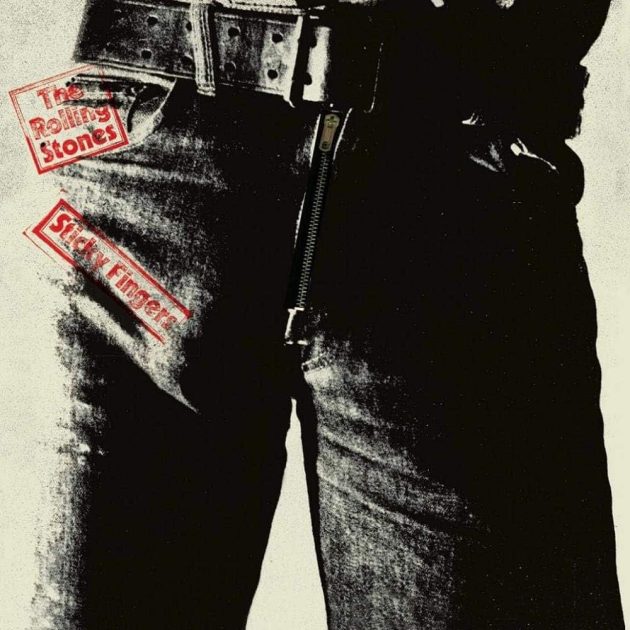
The Rolling Stones Brown Sugar exploded onto radio airwaves in April 1971 as the lead single from Sticky Fingers, immediately signalling that rock and roll had entered a raunchier, more dangerous decade.
Few opening tracks in rock history carry as much energy, provocation, or sheer swagger as this two-minute, fifty-second detonation, and the arguments it still sparks today only add to its legend.
Quick Navigation
What is the meaning of Brown Sugar by The Rolling Stones?
“Brown Sugar” by The Rolling Stones is a 1971 hard rock song written primarily by Mick Jagger during the filming of the movie Ned Kelly in 1969. The lyrics deliberately blend themes of slavery, drug use, and raw sexual desire. It opens the Sticky Fingers album and reached number one in both the United States and Canada, becoming one of the band’s most recognized singles.
The Vibe: Genre, Mood, and Search Intent
From the first crack of Charlie Watts’ snare, “Brown Sugar” announces itself as pure, uncut rock and roll, equal parts blues muscle and garage-band looseness.
There is nothing polished or overly produced about it, and that is precisely the point.
- Genre: Hard Rock / Blues Rock / Classic Rock
- Mood: Raw, provocative, swaggering
- Tempo: Driving mid-tempo with a loose, rolling feel
- Best For: Road trips, loud car stereos, classic rock playlists
- Similar To: Paint It Black for its bluesy edge, or early Aerosmith for that bone-dry riff energy
- Fans of The Rolling Stones also search: “best Rolling Stones singles 1970s,” “Sticky Fingers full album,” “hard rock classics 1971”
Behind the Lyrics: A Deep Dive into the Song’s Origins
Mick Jagger wrote “Brown Sugar” in 1969 while on location in Australia for the film Ned Kelly.
The composition came quickly, part of a creative burst that would eventually define the Sticky Fingers and Exile on Main St. era.
The song is credited to Jagger-Richards, though Keith Richards has consistently acknowledged that Jagger was the primary author of this one.
The inspiration for the song has been disputed for decades.
Marsha Hunt, Jagger’s girlfriend at the time and the mother of his first child, claimed the song was written with her in mind.
Former Ikette Claudia Lennear has also said the song was about her, noting she was dating Jagger when it was written, a claim backed up in part by bassist Bill Wyman in his 2002 book Rolling with the Stones.
Jagger’s own explanation, offered in the liner notes to the 1993 compilation Jump Back, was characteristically blunt: “The lyric was all to do with the dual combination of drugs and girls.”
In a 1995 interview with Rolling Stone magazine, Jagger reflected on the song’s deliberately provocative content and its layered, ambiguous subject matter.
He described it as “all the nasty subjects in one go” and admitted he would approach those lyrics very differently today, saying: “I never would write that song now. I would probably censor myself.”
The Stones first played the song live on December 6, 1969 — at the Altamont Free Concert, one of the most infamous nights in rock history.
At the request of guitarist Mick Taylor, who had recently replaced Brian Jones, the band debuted it that night before the song had even been properly recorded for release.
It was held back from release for over a year due to legal disputes with the band’s former label, finally arriving as the first single on the newly launched Rolling Stones Records imprint in April 1971.
Watch the classic performance here: Brown Sugar – The Rolling Stones on YouTube.
For a complete deep dive into the song’s Wikipedia entry, see the Brown Sugar Wikipedia page.
Technical Corner: The Gear Behind Brown Sugar
“Brown Sugar” was recorded over three days — December 2 to 4, 1969 — at Muscle Shoals Sound Studio in Sheffield, Alabama.
It was one of the most storied recording rooms in American music, and the choice gave the track a distinctly Southern, organic edge.
The session was produced by Jimmy Miller, whose work with the Stones from Beggars Banquet through Exile on Main St. represents one of rock’s greatest producer-artist partnerships.
Miller had a gift for keeping the Stones loose, live-sounding, and dangerous — the exact qualities that define this track.
Keith Richards anchors “Brown Sugar” with one of the most recognizable guitar riffs in rock history, played on his five-string Fender Telecaster “Micawber” in open G tuning.
By removing the low E string and retuning the remaining five to open G (D-G-D-G-B-D), Richards created a droning, percussive attack that sits somewhere between a rhythm guitar and a full band in itself.
Mick Taylor adds the fluid lead guitar lines that weave around the riff, his Les Paul tone sitting just above the rhythm track without ever overwhelming it.
The saxophone work comes from Bobby Keys, a Texas-born session legend who became one of the Stones’ most important musical collaborators.
His baritone saxophone blast in the song’s instrumental break gives the track its chest-cavity rumble.
Charlie Watts plays with his trademark restraint and precision — not flashy, just relentlessly in the pocket.
Bill Wyman’s bass locks with Watts so tightly that the rhythm section feels like one instrument rather than two.
A notable alternative version of the song was cut on December 18, 1970, at Olympic Studios in London during a birthday party for Richards and Bobby Keys.
That version features Eric Clapton on slide guitar and Al Kooper on piano — and was only officially released in 2015 on the deluxe reissue of Sticky Fingers.
The guitar-forward production here shares DNA with other defining Stones tracks — compare the open-tuning riff approach to Jumpin’ Jack Flash and you can hear the sonic blueprint taking shape.
Legacy and Charts: Why Brown Sugar Still Matters
“Brown Sugar” reached number one in both the United States and Canada upon its April 1971 release.
In the United Kingdom, it peaked at number two.
Billboard ranked it the number 16 song of 1971 at year-end, and Rolling Stone magazine later placed it at number 495 on its 500 Greatest Songs of All Time list (2010 edition) and at number five on its 100 Greatest Guitar Songs of All Time.
The song is the opening track on Sticky Fingers, which itself is widely considered one of the greatest rock albums ever made.
Its companion piece on that album, Wild Horses, shows just how much range the Stones had in 1971 — from raw provocation to aching tenderness, sometimes on the same record.
In 2021, the Rolling Stones quietly removed “Brown Sugar” from their setlist during the No Filter tour, citing the song’s lyrical content around race and slavery.
Keith Richards expressed frustration with the decision publicly, noting the song had always been part of the band’s identity, a reflection of blues music’s complicated history with race and representation.
The debate around its legacy only reinforces how much cultural weight the song still carries more than five decades after its release.
Its influence stretches across hard rock and blues rock, from the bands that copied that open-G riff template to the production style that still informs raw, live-sounding rock records today.
The Stones continued releasing vital music long after Brown Sugar — from the Tumbling Dice era of Exile on Main St. to recent singles like Angry, which proved the band’s fire never fully went out.
For fans wanting to catch the Stones performing these catalog classics today, the Rolling Stones IMAX concert film returned in late 2025, giving new audiences a chance to experience the band’s full live intensity on a massive screen.
Listener’s Note: A Personal Take on the Rolling Stones Classic
When I first heard “Brown Sugar” on vinyl, the needle dropping into that opening groove was a genuinely disorienting experience.
The riff arrives before you’re ready for it, no intro, no scene-setting, just Keith’s Telecaster and Charlie’s snare slamming into each other at full speed.
There’s a looseness to the recording that modern production would try to fix and should never touch.
You can hear the room, the slight imprecision in the timing, the way Mick’s vocal seems to lean into the band rather than float above it.
Bobby Keys’ saxophone solo doesn’t feel like a “solo” — it feels like someone kicking in a door.
The whole track is over in under three minutes and yet it takes up enormous space in your memory.
That is the particular genius of early-seventies Stones: they could compress an enormous amount of swagger, danger, and musical craft into a format that fit comfortably on a 45 rpm single.
Affiliate Disclosure: As an Amazon Associate, I earn from qualifying purchases. If you click on any Amazon links on this site and make a purchase, I may receive a small commission at no extra cost to you. This helps support classicrockartists.com and keeps the deep-dive content coming on the legends of rock. Thank you for your support.
Collector’s Corner: Own Brown Sugar on Vinyl or CD
Sticky Fingers is one of those records every serious collector needs in physical form, the original pressing has a warmth and weight to the mix that no streaming service fully replicates.
Track down the remastered vinyl or a deluxe CD edition to get the full picture, including the alternate take featuring Eric Clapton.
Get Sticky Fingers on Vinyl or CD at Amazon
Frequently Asked Questions About Brown Sugar
Who wrote Brown Sugar?
“Brown Sugar” is officially credited to the Jagger-Richards songwriting partnership, but the song was primarily written by Mick Jagger in 1969 during the filming of Ned Kelly in Australia. Keith Richards has credited Jagger with the bulk of the composition in his own autobiography.
What album is Brown Sugar from?
“Brown Sugar” is the opening track and lead single from Sticky Fingers, the ninth studio album by The Rolling Stones, released on April 23, 1971. It was also the first single released on the band’s own Rolling Stones Records label.
What does Brown Sugar mean?
Mick Jagger described the song as throwing together “all the nasty subjects in one go,” referencing a deliberate mix of themes including slavery, race, drugs, and sexual desire. He has since said he would never write those lyrics today, noting he would censor himself in a way he did not in 1969. The lyrical ambiguity was part of its appeal — and its controversy.
Was Brown Sugar number one?
“Brown Sugar” reached number one in both the United States and Canada and peaked at number two in the United Kingdom and Ireland. Billboard ranked it the 16th biggest song of 1971 in its year-end chart. Rolling Stone magazine later placed it among the 500 Greatest Songs of All Time.
You Might Also Like
Another Stones single where Mick Jagger’s vocal swagger drives a groove rooted in raw desire and street-level cool.
Start Me Up – The Rolling Stones
Like Brown Sugar, Start Me Up is built entirely around a five-string open-G riff that Keith Richards made look effortless and impossible to replicate.
Released just two years after Brown Sugar, Angie showed the same Stones lineup could pivot from brash provocation to aching, piano-driven vulnerability.
More than fifty years on, The Rolling Stones Brown Sugar remains the gold standard for what a rock and roll single can be: dangerous, immediate, impossible to ignore, and still playing on radio stations around the world every single day.