

Bruce Springsteen Thunder Road opens one of the greatest albums in rock history with a harmonica and piano that feel like a promise being made in real time, a declaration that the music about to follow will be worth every minute of your attention.
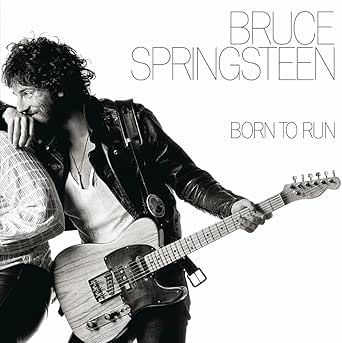
Get Bruce Springsteen Thunder Road on Vinyl or CD at Amazon
Affiliate Disclosure: I am an Amazon affiliate and if you purchase through any amazon links on this site i may earn a small commission at no extra charge to you.
Released in 1975 as the opening track of Born to Run, Thunder Road is a sweeping, cinematic invitation to escape, directed at a specific woman on a specific porch but speaking to everyone who has ever felt trapped by circumstance and hungry for something more.
Springsteen wrote the song as the emotional and thematic gateway to an album about people on the margins of the American dream, and it remains one of the most perfectly crafted album openers ever recorded.
Quick Navigation
What is the meaning of Bruce Springsteen Thunder Road?
Thunder Road is an invitation and a manifesto, a young man at the wheel of a car asking a young woman on her porch to join him in an escape from the limitations of their small-town lives toward something bigger and more alive.
The song is named after a 1958 Robert Mitchum film about a bootlegger, but Springsteen uses the title to evoke a specific landscape of American roads and the freedom they represent.
The narrator is honest about his limitations, acknowledging that he is no hero and that the girl may have been expecting someone better, but arguing that what he offers, the open road and the chance to outrun their circumstances, is worth more than what staying behind can provide.
Springsteen has described Thunder Road as the song where he first found his voice as a writer, the place where the characters and themes that would define his work for the next five decades first came fully into focus.
The Vibe: Genre, Mood, and Sound of Bruce Springsteen Thunder Road
Thunder Road is a majestic rock ballad that builds from an intimate piano and harmonica opening to a full orchestral rock climax of extraordinary emotional power.
The song has the quality of a film compressed into five minutes, its sonic landscape shifting from private and vulnerable to expansive and triumphant.
- Genre: Heartland rock, rock, Americana
- Mood: Yearning, romantic, expansive, triumphant
- Tempo: Building from gentle ballad to driving rock crescendo
- Key Instruments: Harmonica, piano, electric guitar, saxophone, bass, drums, violin
- If you like this, try: Bruce Springsteen’s Born to Run, Darkness on the Edge of Town, Tom Petty’s American Girl
Behind the Lyrics
The opening image of the screen door slamming and Mary’s dress waving is one of the most celebrated openings in American rock, a five-word scene setting that establishes a specific place and moment with cinematic economy.
The Roy Orbison reference, as the radio plays and the narrator sits in his car, establishes the musical tradition within which Springsteen is consciously placing himself.
The admission that the narrator is no hero is one of the song’s most striking moments, the anti-romantic honesty undercutting the romantic gesture and making it somehow more genuine.
The image of the redemption beneath the dirty hood of a car captures the blue-collar romanticism that became Springsteen’s signature, the idea that transcendence is available to those who cannot afford more conventional forms of escape.
The closing promise that it is a town full of losers and the narrator is pulling out of here to win is the emotional climax of the lyric, a declaration of intent that has become one of rock’s most quoted lines.
Springsteen’s vocal performance ranges from intimate whisper to full-throated proclamation across the song’s five minutes, perfectly matching the lyric’s emotional arc.
Recording Story and Production
Thunder Road was recorded at the Record Plant in New York City during the Born to Run sessions of 1974 and 1975, co-produced by Springsteen and Jon Landau.
The recording sessions for Born to Run were notoriously prolonged and expensive, with Springsteen’s perfectionism driving the process to extremes that nearly bankrupted him and tested the patience of everyone involved.
Roy Bittan’s piano work on the track is the emotional foundation of the opening, his playing immediately establishing the song’s mood of yearning and possibility.
Clarence Clemons’s saxophone arrives dramatically in the song’s middle section, his playing carrying the emotional weight of the lyric’s most ambitious declarations.
Steven Van Zandt’s guitar work and the orchestral violin arrangement by David Sancious add layers of sound that give the song’s climax its cinematic grandeur.
Max Weinberg’s drumming drives the song’s second half with power and precision, his entry at the song’s transition point being one of the great dramatic moments in Springsteen’s recorded catalog.
Chart Performance and Legacy
Thunder Road was not released as a single but is consistently ranked among the greatest songs in rock history, a critical and fan favorite that defines what the Born to Run album set out to achieve.
Rolling Stone ranked Thunder Road at number 86 on their list of the 500 Greatest Songs of All Time, and the song is widely cited as one of Springsteen’s finest moments on record.
The Born to Run album reached number three on the Billboard 200 and simultaneously put Springsteen on the covers of both Time and Newsweek in the same week in October 1975, an unprecedented cultural moment.
Thunder Road has become one of the most beloved concert openers in Springsteen’s live career, its intimate beginning and building climax making it an ideal way to establish the emotional register of a show.
Countless artists across multiple genres have cited Thunder Road as an influence on their approach to songwriting, narrative, and the relationship between specific detail and universal emotion.
Listener’s Note: A Personal Take on Bruce Springsteen Thunder Road
That harmonica opening is one of the most inviting sounds in rock music. It feels like a hand extended toward you before a word has been spoken.
The screen door slam and Mary’s dress waving might be the most efficient scene-setting in rock lyric history. Two images, five words, and you are completely inside the world of the song.
When Clarence Clemons’s saxophone arrives it feels like the sun coming out, an arrival that the whole preceding section was preparing you for without you realizing it.
The final declaration about pulling out of here to win is the kind of line that makes you want to start your car and drive with no particular destination in mind. That is an extraordinary thing for a piece of music to do.
Affiliate Disclosure: I am an Amazon affiliate and if you purchase through any Amazon links on this site I may earn a small commission at no extra charge to you. This helps support ClassicRockArtists.com. Thank you for your support!
Collector’s Corner: Own Bruce Springsteen Thunder Road on Vinyl or CD
Born to Run on Columbia Records has been reissued in multiple editions including a 30th Anniversary Edition with additional live concert material that demonstrates the song’s extraordinary power in a live setting.
Original 1975 pressings on Columbia are collectible and offer the warmth and immediacy that vinyl provides to this most cinematic of recordings.
Get Bruce Springsteen Born to Run on Vinyl or CD at Amazon
Frequently Asked Questions About Bruce Springsteen Thunder Road
Who is Mary in Thunder Road?
Mary is a fictional character created by Springsteen to represent a specific type of person he grew up around in New Jersey, young women with dreams and abilities that their circumstances seemed unlikely to fulfill. She is not based on a specific real person.
What is the Thunder Road that Springsteen references?
Thunder Road takes its name from the 1958 Robert Mitchum film about a bootlegger in the American South. Springsteen borrowed the title for its evocative combination of motion, danger, and American mythology rather than for any direct connection to the film’s plot.
What album is Thunder Road on?
Thunder Road is the opening track on Born to Run, Bruce Springsteen’s third studio album released in August 1975 on Columbia Records. The album is widely considered one of the greatest rock albums ever made.
You Might Also Like
The enduring greatness of Bruce Springsteen’s “Thunder Road” is its capacity to make you believe, for five minutes, that the screen door really is slamming and Mary really is standing on that porch and the car really is waiting on the street below, and that if you get in it now, everything might just turn out differently.
If you’re captivated by the Boss’s legendary storytelling and his cinematic life journey, you might also like these articles:
The Springsteen Biopic: Jeremy Allen White’s Leap of Faith The cinematic quality of Springsteen’s music is finally hitting the big screen. Critics are already raving about the upcoming biopic, Deliver Me from Nowhere, with many praising Jeremy Allen White’s performance as he takes on the monumental task of portraying Bruce during the making of the Nebraska album.
The Magic of “Streets of Philadelphia” While “Thunder Road” captures the hope of youth, Springsteen’s later work proved he could master the art of haunting, atmospheric storytelling. Revisit the story behind his 1994 masterpiece, Streets of Philadelphia, a song that showcased his ability to tackle heavy, emotional themes with profound grace.
Springsteen’s 2026 American Tour There is no better way to experience the raw energy of a “Thunder Road” moment than seeing it live. The legend continues to hit the road, and fans are gearing up as Bruce Springsteen announces 2026 American tour dates, promising another year of marathon performances and soul-stirring rock and roll.
Plus + Curious about the secrets behind his legendary stage presence? Check out Lady Gaga’s reveal about a Springsteen performance secret or read about the upcoming film project Deliver Me from Nowhere.