

Stone Temple Pilots Creep emerged in 1992 as the second single from the band’s debut album Core, delivering a slow-burning grunge anthem that showcased the San Diego quartet’s ability to blend heavy riffs with melodic vulnerability.
The track arrived during a pivotal moment in rock history, sharing sonic territory with the raw intensity explored in Stone Temple Pilots Plush (1992), which had already introduced the world to Scott Weiland’s distinctive vocal delivery.
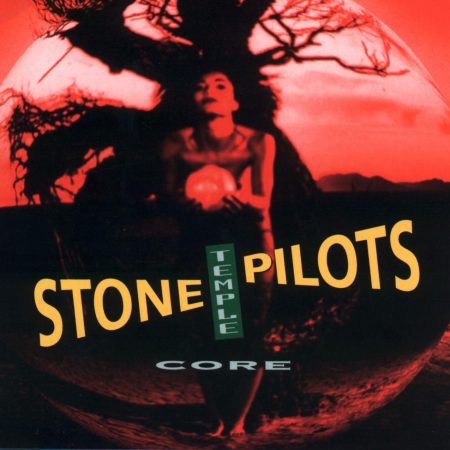
Stone Temple Pilots Creep – Available on Amazon
Get Stone Temple Pilots Creep (1992) on Amazon
Affiliate Disclosure: I am an Amazon affiliate and if you purchase through any Amazon links on this site I may earn a small commission at no extra charge to you. This helps support classicrockartists.com. Thank you for your support!
Quick Navigation
What is the meaning of Stone Temple Pilots Creep?
Stone Temple Pilots Creep explores themes of self-loathing, social alienation, and the struggle to maintain authenticity in a world that demands conformity, with Scott Weiland’s lyrics painting a portrait of someone who feels fundamentally disconnected from those around them while simultaneously craving acceptance and understanding.
The Vibe: Genre, Mood, and Sound of Stone Temple Pilots Creep
The song builds from whisper-quiet verses to explosive choruses, creating a dynamic tension that became a signature element of early 1990s alternative rock.
- Genre: Grunge, Alternative Rock, Hard Rock
- Mood: Brooding, introspective, cathartic, melancholic yet defiant
- Tempo: Moderate (approximately 80 BPM), with dramatic dynamic shifts
- Best For: Late-night drives, introspective moments, headphone listening sessions
- Similar To: Alice in Chains‘ “Them Bones,” Soundgarden‘s “Outshined”
Behind the Lyrics: The Story of Stone Temple Pilots Creep
The genesis of Stone Temple Pilots Creep traces back to the band’s formative years in San Diego, where they were still performing under the name Mighty Joe Young.
Scott Weiland crafted the lyrics during a period of personal turmoil, channeling feelings of inadequacy and social anxiety into verses that resonated with a generation grappling with similar emotions.
The opening line, “Forward yesterday makes me wanna stay,” immediately establishes a sense of temporal confusion and reluctance to engage with the present moment.
Weiland’s vocal delivery shifts dramatically between the hushed, almost whispered verses and the anguished, full-throated chorus where he repeatedly declares himself a “creep.”
The song appeared on Stone Temple Pilots Core, the band’s debut album that would eventually sell over eight million copies in the United States alone.
Producer Brendan O’Brien recognized the song’s potential early in the recording process, encouraging the band to emphasize the stark contrast between quiet and loud sections.
The lyrical content sparked debate among critics who questioned whether the band was genuinely expressing vulnerability or simply capitalizing on the grunge movement’s aesthetic of alienation.
Weiland later explained in interviews that the song reflected genuine feelings of being an outsider, experiences that dated back to his childhood and adolescence.
The phrase “half the man I used to be” echoes throughout the chorus, suggesting a loss of identity or a fracturing of the self.
Context matters when examining the song’s 1992 release, as it arrived during the height of the grunge explosion that had been ignited by Nirvana‘s Nevermind the previous year.
Stone Temple Pilots faced accusations of being grunge bandwagon jumpers, criticism that stung the band members who felt their sound had developed independently.
The song’s music video, directed by Kevin Kerslake, featured surreal imagery including the band performing in a desert landscape interspersed with abstract visual effects.
Additional information about the song’s creation and impact can be found at Wikipedia’s comprehensive entry, which documents its chart performance and critical reception.
The bridge section introduces a moment of relative calm before the final explosive chorus, a structural choice that amplifies the emotional payoff.
Weiland’s lyrics avoid specific narrative details, instead painting in broad emotional strokes that allowed listeners to project their own experiences onto the song.
Technical Corner: The Gear Behind Stone Temple Pilots Creep
Dean DeLeo Stone Temple Pilots guitarist crafted the song’s distinctive riff using a Gibson Les Paul run through a Marshall amplifier, creating a thick, saturated tone that became a hallmark of the Core album.
The guitar work employs a detuned approach, with DeLeo tuning down a half-step to Eb standard, which added weight and darkness to the overall sound.
Robert DeLeo Stone Temple Pilots bassist provided the song’s foundation with a Music Man StingRay bass, delivering a punchy low-end that locked tightly with the drums.
Robert’s bass line follows a simple but effective pattern during the verses, allowing space for the vocals before adding more aggressive fills during the chorus sections.
Eric Kretz Stone Temple Pilots drummer recorded his parts on a vintage Ludwig kit, utilizing Zildjian cymbals to achieve the crisp, cutting sound heard throughout the track.
Kretz’s drumming demonstrates remarkable restraint during the verses, using brushes and light touches before exploding into powerful fills when the chorus hits.
The recording took place at Rumbo Recorders in Canoga Park, California, a studio that had previously hosted sessions for artists like Guns N’ Roses.
Producer Brendan O’Brien employed a technique of recording multiple guitar tracks and carefully layering them to create a wall of sound during the heavier sections.
Weiland’s vocals were captured using a Neumann U87 microphone, a studio standard that captured both the delicate whispers and the raw power of his performance.
O’Brien’s production philosophy emphasized capturing live energy, often recording the band playing together in the same room rather than isolating each instrument.
The mix features a deliberate use of dynamics, with the quiet sections mixed almost uncomfortably low to maximize the impact when the full band kicks in.
Dean DeLeo added subtle guitar overdubs during the chorus, including a higher register melody line that weaves through the main riff.
The song’s outro features a gradual fade rather than an abrupt ending, allowing the tension to slowly dissipate.
Legacy and Charts: Why Stone Temple Pilots Creep Still Matters
Stone Temple Pilots Creep reached number 49 on the Billboard Hot 100, a respectable showing for an alternative rock track in 1993.
The song performed significantly better on rock-specific charts, climbing to number 3 on the Mainstream Rock Tracks chart and number 2 on the Modern Rock Tracks chart.
In Canada, the track reached number 13 on the RPM Top Singles chart, demonstrating the band’s international appeal.
The song helped propel Core to multi-platinum status, with the album eventually certified 8x Platinum by the RIAA.
MTV placed the music video in heavy rotation during 1993, exposing the band to millions of viewers during the network’s peak influence years.
The track’s success established Stone Temple Pilots as more than a one-hit wonder following the breakthrough of Plush, proving they had multiple radio-ready songs.
Cover versions have been recorded by various artists over the years, though none achieved the commercial success of the original.
The song appeared in the 1994 film The Crow soundtrack, further cementing its place in 1990s alternative culture.
Radio stations continue to include the track in classic rock and alternative rock rotations more than three decades after its release.
The song’s influence can be heard in countless post-grunge bands that emerged in the late 1990s and early 2000s, particularly in their use of quiet-loud dynamics.
Stone Temple Pilots performed the song at nearly every concert throughout their career, with various vocalists including Chester Bennington Stone Temple Pilots and Jeff Gutt Stone Temple Pilots adding their own interpretations.
The track remains a staple of 1990s rock playlists on streaming services, accumulating millions of plays across platforms like Spotify and Apple Music.
Critics who initially dismissed the song as derivative later reassessed it as a legitimate contribution to the grunge canon.
The song’s themes of alienation and self-doubt continue to resonate with new generations of listeners discovering the band’s catalog.
Listener’s Note: A Personal Take on Stone Temple Pilots Creep
When I first heard this on vinyl, spinning on my turntable in a dimly lit college dorm room in 1993, the opening guitar riff immediately commanded attention with its menacing, deliberate pacing.
What struck me most was the moment when Weiland’s whispered vocals suddenly exploded into that anguished chorus, a transition so jarring it felt almost physical.
The vinyl pressing captured nuances that sometimes get lost in digital formats, particularly the subtle guitar textures Dean DeLeo layered beneath the main riff.
I remember rewinding the tape repeatedly to catch Robert DeLeo’s bass fill right before the second chorus, a small detail that added so much character.
The song became my go-to track during late-night study sessions, its brooding energy somehow helping me focus while also providing an emotional outlet.
Years later, hearing it live during the Stone Temple Pilots Tour 2026 brought back those memories with unexpected intensity.
The way Eric Kretz builds tension with his drumming, holding back during verses before unleashing during choruses, demonstrates a maturity rare in a debut album.
There’s a specific moment around the 2:45 mark where everything drops out except bass and vocals, creating a vulnerability that makes the subsequent explosion even more cathartic.
The song taught me that heaviness in rock music isn’t just about volume or distortion, but about contrast and emotional weight.
Listening through quality headphones reveals Weiland’s subtle vocal harmonies buried in the mix, adding depth to what initially seems like a straightforward performance.
Affiliate Disclosure: I am an Amazon affiliate and if you purchase through any Amazon links on this site I may earn a small commission at no extra charge to you. This helps support classicrockartists.com and allows me to keep providing deep-dive content on the legends of rock. Thank you for your support!
Collector’s Corner: Own Stone Temple Pilots Creep on Vinyl or CD
Original pressings of the Core album containing this track have become sought-after items among vinyl collectors, particularly first pressings on the Atlantic Records label.
The CD single release featured alternate versions and B-sides that never appeared on streaming services, making it a valuable addition to any Stone Temple Pilots collection.
Get Stone Temple Pilots Creep (1992) on Amazon
Frequently Asked Questions About Stone Temple Pilots Creep
What album is Stone Temple Pilots Creep on?
Stone Temple Pilots Creep appears on the band’s debut album Core, released on September 29, 1992, through Atlantic Records.
The album contained twelve tracks total, with Creep serving as the second single following the success of Plush.
Core was produced by Brendan O’Brien and recorded at Rumbo Recorders in California during early 1992.
Who wrote Stone Temple Pilots Creep?
All four members of Stone Temple Pilots received writing credits for Creep, including Scott Weiland, Dean DeLeo, Robert DeLeo, and Eric Kretz.
Weiland primarily crafted the lyrics while the DeLeo brothers developed the musical arrangement and signature riff.
The collaborative writing process became a hallmark of the band’s approach throughout their career.
Is Stone Temple Pilots Creep the same as Radiohead’s Creep?
No, Stone Temple Pilots Creep and Radiohead‘s “Creep” are completely different songs that coincidentally share the same title.
Both songs were released in 1992 and explore themes of alienation, but they have distinct melodies, lyrics, and musical arrangements.
The Radiohead track appeared on their debut album Pablo Honey, while the Stone Temple Pilots version came from Core.
The simultaneous emergence of two songs with the same title exploring similar themes reflects the zeitgeist of early 1990s alternative rock.
What tuning is Stone Temple Pilots Creep in?
Stone Temple Pilots Creep is played in Eb standard tuning, meaning all strings are tuned down a half-step from standard tuning.
This tuning choice gave the song a heavier, darker sound that became characteristic of the grunge era.
Dean DeLeo frequently employed this tuning throughout the Core album to achieve the thick, saturated guitar tone.
You Might Also Like
Stone Temple Pilots Interstate Love Song (1994)
This track from Purple showcases the band’s evolution beyond the grunge sound of Core into more melodic territory.
The 1994 follow-up album that proved Stone Temple Pilots could transcend their grunge origins and create diverse rock anthems.
Stone Temple Pilots Plush (1992)
The breakthrough single that introduced the world to STP’s dynamic sound and Weiland’s distinctive vocal style.
Stone Temple Pilots Creep remains an essential document of early 1990s alternative rock, capturing a moment when vulnerability and heaviness merged to create something genuinely powerful and enduring.