

Alice in Chains Hollow emerged in 2013 as the lead single from The Devil Put Dinosaurs Here, marking a powerful return for the grunge legends in their post-Layne Staley era.
The track showcased the band’s ability to evolve while maintaining the haunting harmonies that defined classics like Alice in Chains Would? (1992).
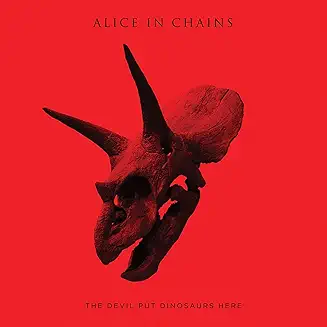
Alice in Chains Hollow – Available on Amazon
Get Alice in Chains Hollow (2013) on Amazon
Affiliate Disclosure: I am an Amazon affiliate and if you purchase through any Amazon links on this site I may earn a small commission at no extra charge to you. This helps support classicrockartists.com. Thank you for your support!
Quick Navigation
What is the meaning of Alice in Chains Hollow?
Alice In Chains Hollow explores themes of emotional emptiness and the struggle to find authenticity in a world filled with superficiality and deception.
The song addresses feeling disconnected from oneself and others, examining the void left by broken relationships and unfulfilled promises.
The Vibe: Genre, Mood, and Sound of Alice in Chains Hollow
The track delivers a brooding, atmospheric experience that balances heavy riffing with melodic restraint.
- Genre: Alternative metal, grunge, hard rock
- Mood: Dark, introspective, melancholic yet defiant
- Tempo: Mid-tempo with deliberate pacing
- Best For: Late-night reflection, contemplative drives, emotional processing
- Similar To: Soundgarden’s Fell on Black Days, Stone Temple Pilots’ Sour Girl
Behind the Lyrics: The Story of Alice in Chains Hollow
The Devil Put Dinosaurs Here arrived during a period of renewed creative confidence for Alice in Chains.
Following the successful 2009 comeback album Black Gives Way to Blue, the band had fully integrated vocalist William DuVall into their sonic identity.
Guitarist and primary songwriter Jerry Cantrell crafted Hollow as a meditation on personal relationships and the masks people wear.
The lyrics reference turning one’s back and the realization that someone close has been fundamentally dishonest.
Cantrell has described the album’s overall theme as questioning organized religion and societal constructs, though Hollow focuses more intimately on interpersonal betrayal.
The song’s chorus, with its repeated plea of “turn me around,” captures the desperation of seeking truth in a relationship built on deception.
DuVall and Cantrell’s vocal harmonies create the signature Alice in Chains sound that fans had cherished since the early 1990s.
The band recorded the track during sessions that spanned from 2011 to 2013, taking their time to perfect each element.
According to detailed accounts of the song’s creation, the band wanted to balance accessibility with their trademark darkness.
The result was a single that could reach radio audiences while maintaining artistic integrity.
Bassist Mike Inez and drummer Sean Kinney provided a rhythmic foundation that anchored the song’s emotional weight.
The track demonstrated that the band’s creative partnership, explored in depth in Alice in Chains Members: Complete Story & Where Are They Now, remained vital and productive.
Technical Corner: The Gear Behind Alice in Chains Hollow
Jerry Cantrell employed his signature G&L Rampage guitars to achieve the song’s distinctive tone.
The guitar sound blends clean, shimmering passages with heavily distorted sections, creating dynamic contrast throughout the arrangement.
Cantrell ran his signal through Bogner and Friedman amplifiers, known for their rich harmonic content and tight low-end response.
Producer Nick Raskulinecz, who had previously worked with Foo Fighters and Rush, helmed the recording sessions.
Raskulinecz brought a modern clarity to the production while respecting the band’s organic, analog-influenced approach.
The album was recorded at Studio 606 in Northridge, California, the facility owned by Foo Fighters’ Dave Grohl.
Mike Inez used his Fender Precision Bass to deliver the song’s rumbling low-end foundation.
Sean Kinney’s drum kit featured Ludwig shells with a combination of Zildjian cymbals that provided both power and nuance.
The vocal production layered DuVall’s lead with Cantrell’s harmony parts, a technique the band had perfected over decades.
Raskulinecz employed careful microphone placement and minimal compression to preserve the natural dynamics of the performances.
The mix balanced the heavy guitar tones with space for the vocals to breathe, creating an immersive sonic landscape.
Legacy and Charts: Why Alice in Chains Hollow Still Matters
Hollow reached number one on the Billboard Mainstream Rock chart in January 2013.
The song spent multiple weeks at the top position, proving the band’s continued relevance in modern rock radio.
It also peaked at number two on the Billboard Rock Airplay chart.
The track became Alice in Chains’ first number-one single since 1996’s Again from the self-titled album.
The Devil Put Dinosaurs Here debuted at number two on the Billboard 200, selling over 61,000 copies in its first week.
The album’s success demonstrated that Alice in Chains had successfully navigated the challenging transition following Layne Staley‘s death in 2002.
Hollow received significant airplay on rock radio stations across North America and Europe.
The song’s music video, directed by Roboshobo, featured surreal imagery that complemented the track’s themes of emptiness and deception.
Critics praised the song for maintaining the band’s signature sound while incorporating fresh production techniques.
The track appeared on several year-end best-of lists for 2013 rock releases.
Hollow became a staple of the band’s live performances, often positioned prominently in setlists alongside classics like Alice in Chains Rooster: Jerry Cantrell’s Letter to His Father.
The song’s commercial and critical success validated the band’s decision to continue creating new material rather than simply touring on nostalgia.
Listener’s Note: A Personal Take on Alice in Chains Hollow
When I first heard this on vinyl, the opening guitar line immediately grabbed my attention with its clean, almost delicate tone.
That moment at 1:23 when the full band crashes in with the distorted riff still gives me chills every time.
The way DuVall and Cantrell’s voices intertwine during the chorus creates this haunting effect that feels both familiar and fresh.
I remember being skeptical about Alice in Chains continuing without Layne, but this track silenced those doubts.
The production has this perfect balance where you can hear every instrument clearly without losing the raw edge.
On a good sound system, the bass line rumbles through your chest during the verses.
What strikes me most is how the song builds tension without relying on speed or volume alone.
The bridge section, where everything strips back to just vocals and minimal instrumentation, showcases the band’s maturity.
You can watch the official video at this YouTube link to experience the full visual interpretation.
This track proves that evolution doesn’t mean abandoning your core identity.
Affiliate Disclosure: I am an Amazon affiliate and if you purchase through any Amazon links on this site I may earn a small commission at no extra charge to you. This helps support classicrockartists.com and allows me to keep providing deep-dive content on the legends of rock. Thank you for your support!
Collector’s Corner: Own Alice in Chains Hollow on Vinyl or CD
The Devil Put Dinosaurs Here is available in multiple formats, including 180-gram vinyl pressings that showcase the album’s dynamic range.
Collectors particularly value the limited edition colored vinyl variants released through independent record stores.
Get Alice in Chains Hollow (2013) on Amazon
Frequently Asked Questions About Alice in Chains Hollow
Who sings lead vocals on Alice in Chains Hollow?
William DuVall handles the lead vocals on Hollow, with Jerry Cantrell providing harmony vocals throughout the track.
DuVall joined Alice in Chains in 2006, becoming the band’s full-time vocalist after Layne Staley’s passing.
The vocal blend between DuVall and Cantrell creates the signature Alice in Chains harmonic sound that defines their catalog.
What album is Hollow from?
Hollow appears on The Devil Put Dinosaurs Here, Alice in Chains’ fifth studio album released on May 28, 2013.
The album was released through Capitol Records and marked the band’s second full-length release with William DuVall.
It followed their 2009 comeback album Black Gives Way to Blue by four years.
Did Hollow win any awards?
While Hollow didn’t win major industry awards, it achieved significant commercial success by topping the Mainstream Rock chart.
The song received widespread critical acclaim and was nominated for several rock radio awards in 2013.
Its chart performance represented a major milestone for the band’s post-Staley era.
What tuning does Jerry Cantrell use on Hollow?
Cantrell employs a drop D tuning on Hollow, a common choice throughout Alice in Chains’ discography.
This tuning allows for the heavy, resonant power chords that characterize the song’s main riff.
The drop D configuration also facilitates the song’s dynamic shifts between clean and distorted sections.
You Might Also Like
This earlier single showcases the band’s signature harmonies with Layne Staley, providing essential context for understanding their evolution.
Alice in Chains Rooster: Jerry Cantrell’s Letter to His Father
Cantrell’s songwriting prowess shines through in this Vietnam War tribute, demonstrating the personal depth he brings to tracks like Hollow.
Alice in Chains Members: Complete Story & Where Are They Now
Explore the complete history of the band’s lineup changes and how William DuVall became integral to their modern sound.
Alice in Chains Hollow stands as a testament to the band’s ability to honor their legacy while forging a compelling new chapter in their storied career.