

Alice in Chains Rooster stands as one of the most honest and painful songs to come out of the early 1990s grunge scene.
Jerry Cantrell wrote it about his Vietnam veteran father, and from the first chord to the last note, that honesty is impossible to escape.
Affiliate Disclosure: This page contains affiliate links. If you purchase through our links, we may earn a small commission at no extra cost to you. Thank you for supporting ClassicRockArtists.com.
Quick Navigation
- Alice in Chains Rooster and the Weight of Vietnam
- Jerry Cantrell’s Father: From Soldier to Stranger
- Alice in Chains Rooster and the Dirt Album
- The Lyrics: A Son Speaks to His Father
- Alice in Chains Rooster in 1993 Rock Radio
- The Music Video: Real War, Real Grief
- Layne Staley’s Voice Carries the Track
- How the Song Fits With Man in the Box and Would?
- Alice in Chains Rooster at MTV Unplugged
- Own the Album That Defined a Generation
Alice in Chains Rooster and the Weight of Vietnam
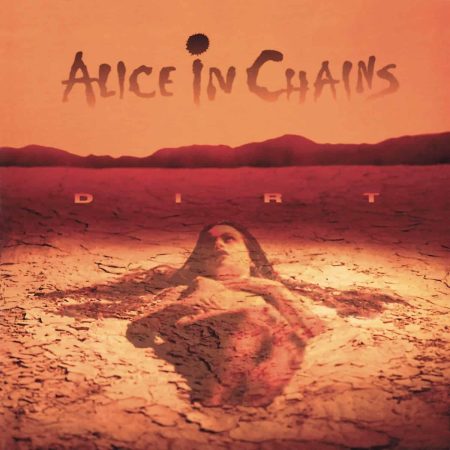
Alice in Chains Rooster first appeared on the band’s second studio album, Dirt, released in September 1992.
The song reached rock radio as a single in early 1993, and it hit listeners like a gut punch.
Grunge in 1993 was everywhere, from Nirvana on the cover of Rolling Stone to Pearl Jam filling arenas.
Most grunge circled suburban frustration, teenage dread, or personal collapse.
Alice in Chains Rooster pointed outward, toward a war that had ended twenty years earlier but never closed for the men who fought it.
Vietnam was still a raw wound in the early 1990s, and Cantrell knew exactly where to press.
The song did not offer protest or political commentary.
It offered something harder to dismiss: one son talking directly to one father across a distance ordinary words could not cross.
Jerry Cantrell’s Father: From Soldier to Stranger
Jerry Cantrell wrote Alice in Chains Rooster about his father, Jerry Cantrell Sr., who served in the Vietnam War.
Rooster was the nickname Cantrell Sr. carried in the military, given to him by fellow soldiers in the field.
Father and son had a fractured relationship, shaped by long absences and the damage combat leaves on a man.
Cantrell had watched his father struggle for years, and the two could not find their way to each other through ordinary conversation.
Writing the song was his way of reaching across that distance with a language that finally made sense to both of them.
Cantrell Sr. had not heard the song before the recording was finished.
When he finally listened, he wept, and that reaction told his son he had gotten it right.
Alice in Chains Rooster and the Dirt Album
Dirt is one of the defining rock records of the 1990s, and Alice in Chains Rooster is the track that carries its most personal weight.
The band recorded the album in Los Angeles with producer Dave Jerden, who had worked previously with Jane’s Addiction and Social Distortion.
Jerden knew how to make heavy guitar music feel dense and suffocating without losing the clarity of each instrument.
Cantrell constructed the guitar arrangement to move like a slow march, each chord sitting in the air longer than you expect.
The production gave Alice in Chains Rooster a cinematic weight that matched the subject matter without over-decorating it.
Layne Staley and Cantrell layered their vocal harmonies on the chorus until the lines felt almost hymn-like in their delivery.
This was not grunge crafted for mainstream radio rotation or MTV countdown slots.
This was a recorded message from a son to a father, pressed into vinyl and sent out into the world.
The Lyrics: A Son Speaks to His Father
The opening images place a soldier flat on the ground, bullets cutting through the air above him.
Cantrell wrote lines that feel documentary rather than poetic, as if recounting a story his father had told him late at night.
The phrase “they come to snuff the Rooster” refers to enemy soldiers trying to kill his father during combat.
The answer, “yeah they won’t get you, Rooster,” is the son reaching back through time to promise his father he survived.
There is no grand resolution in the lyric, just the bare fact of having made it back alive.
Cantrell said he wanted his father to hear that his son could see him clearly.
Not as a broken veteran, but as a man who endured something enormous and kept going.
Every verse earns that intent without a wasted word.
Alice in Chains Rooster in 1993 Rock Radio
Rock radio in 1993 belonged to Seattle, and Alice in Chains had already proven they could stand alongside Nirvana and Pearl Jam.
Alice in Chains Rooster climbed the charts steadily through the spring, reaching number 22 on the Billboard Mainstream Rock chart.
The chart position barely captured what was happening around the song in the broader culture.
Vietnam veterans were requesting it at Memorial Day services and military funerals across the country.
Radio stations received letters from vets who said the song expressed something they had never been able to put into words themselves.
That response confirmed what anyone paying close attention already understood: the song had escaped the category of rock single entirely.
It had become a document of a specific American grief that had been waiting thirty years for someone to name it correctly.
The Music Video: Real War, Real Grief
The official music video combined performance footage of the band with archival images from the Vietnam War.
Seeing real soldiers move through real jungle while Staley sang made the track feel less like art and more like witness.
MTV aired the video throughout 1993, and it landed differently from anything else in heavy rotation that year.
Other bands were building videos around surreal imagery, ironic distance, or carefully constructed cool.
This video placed the war on screen and let the music carry the full weight of what it meant.
The combination worked because the song had already done the honest labor.
It did not need special effects to make people feel something deep and lasting.
Layne Staley’s Voice Carries the Track
Layne Staley brought something irreplaceable to Alice in Chains Rooster that no other singer in grunge could have provided.
His voice moves between a low, controlled ache in the verses and a soaring cry in the chorus.
The harmonies he built with Cantrell land like a choir stripped down to its essential bones.
Staley was dealing with serious personal struggles during the recording of Dirt, and that pain translated directly into his performance.
He was not performing the grief in the lyric from a safe distance.
He was channeling his own version of it in real time.
That is why the vocal still cuts through nearly three decades later, landing with the same force it carried in 1993.
How the Song Fits With Man in the Box and Would?
Alice in Chains had already demonstrated a gift for emotionally heavy rock with Man in the Box, the lead single from their 1990 debut album Facelift.
That song attacked institutional control and the suffocation of creative identity.
Rooster shifted the focus inward, toward family, personal history, and the cost of survival.
By the time Would? arrived as the emotional closing statement of the Dirt era, Alice in Chains had built one of the most coherent catalogs in 1990s rock.
These songs did not compete with each other.
They built a single portrait of a band processing grief, anger, and love without flinching.
For the full story of who made these recordings, the complete history of the Alice in Chains members covers how each player shaped what the band became.
Alice in Chains Rooster at MTV Unplugged
In April 1996, Alice in Chains recorded their celebrated MTV Unplugged performance, and Alice in Chains Rooster was the emotional center of the entire set.
Staley was visibly unwell by that point, but his voice held through the performance with a haunting, fragile clarity.
The stripped arrangement gave the lyric new dimensions that the full band version could not reach.
Without the weight of distorted guitars, the words sat exposed in the room with nowhere to hide.
The audience at Brooklyn Academy of Music was quiet in a way that live concert audiences rarely are.
Staley died in April 2002, and that Unplugged show was one of his last public performances.
That knowledge gives Alice in Chains Rooster a gravity that no review can adequately describe.
The song was always about loss and survival, and that night sealed that meaning permanently.
Own the Album That Defined a Generation
Dirt is not an easy listen, but it rewards every minute of attention you give it.
If you have never sat with the full album from start to finish, now is the time.
Check out Jerry Cantrell’s 2025 tour for what the man behind Rooster is doing today.
The official band website at aliceinchains.com keeps fans updated on all current activity.
Owning Dirt on vinyl or CD means hearing Alice in Chains Rooster at full volume, without streaming compression.
Every guitar tone comes through intact, exactly as Cantrell and Jerden intended in the studio.
Get Dirt on Amazon and hear for yourself why this album has never left the conversation.
Alice in Chains Rooster endures because it tells one completely true story with total commitment, and that kind of honesty does not age.