

Members of Whitesnake have changed more often than almost any other band in hard rock history, with David Coverdale as the sole constant across nearly five decades.
Formed in London in February 1978, Whitesnake grew out of Coverdale’s post Deep Purple solo band and quickly became one of the defining hard rock acts of the 1980s.
This guide walks through every major lineup change, from the blues rock founders to the multi platinum 1987 hitmakers to the final farewell era lineup.
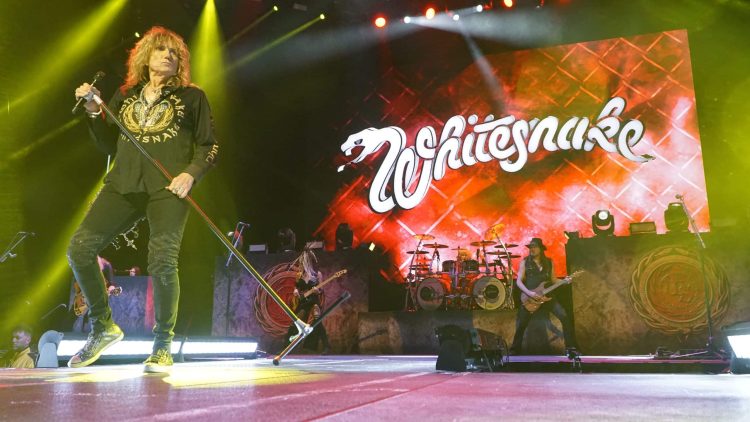
By aliina s. – Whitesnake | 14.05.2022 | Newcastle Utilita Arena, CC BY 2.0, Wikimedia Commons
📋 Table of Contents [+]
The Founding Members of Whitesnake in 1978
The founding members of Whitesnake came together in February 1978 as David Coverdale’s touring band.
That original lineup featured Coverdale on vocals, guitarists Micky Moody and Bernie Marsden, bassist Neil Murray, and drummer Dave “Duck” Dowle.
Keyboardist Brian Johnston played the band’s first handful of shows before being replaced by Peter Solley, who recorded the debut EP Snakebite.
By August 1978, Solley himself was gone, replaced by a name every Deep Purple fan would recognize.
David Coverdale: The Only Constant Member
David Coverdale is the single thread running through every version of Whitesnake, from 1978 all the way to the band’s 2022 farewell tour.
He formed the group the year after releasing his solo album White Snake, and the band’s name grew directly out of that record.
Coverdale’s own path to Whitesnake ran through Deep Purple, where he had fronted the Mark III and Mark IV lineups on albums like Burn and Stormbringer.
Readers who want the fuller story of that earlier chapter can explore the Members of Deep Purple hub for the complete lineup history.
Micky Moody and Bernie Marsden Define the Early Sound
Guitarists Micky Moody and Bernie Marsden gave early Whitesnake its bluesy, twin lead guitar identity.
Moody’s slide work and Marsden’s melodic sensibility complemented each other across Trouble, Lovehunter, Ready an’ Willing, and Come an’ Get It.
Marsden co-wrote “Here I Go Again,” a song that would become the band’s signature hit years later in its re-recorded 1987 form.
Moody left in 1981 during the band’s hiatus, returned briefly in 1982, and exited again in December 1983 when the Slide It In lineup shifted.
Marsden departed in 1982 and was replaced by guitarist Mel Galley for the next chapter of the band.
Marsden passed away in 2023, and his contribution to the earliest Whitesnake records remains foundational to the band’s legacy.
Neil Murray and the Rhythm Section
Bassist Neil Murray anchored Whitesnake’s rhythm section through two separate stints, first from 1978 to 1982 and again from 1983 to 1987.
Murray’s bass work appears on every studio release from Snakebite through the 1987 self-titled album, with one notable exception during his temporary 1982 departure.
He left alongside Marsden and drummer Ian Paice when Coverdale placed the band on hiatus in early 1982, then returned in December 1983 to replace Colin Hodgkinson.
Murray’s steady low end gave Whitesnake’s blues rock foundation the weight it needed to support two lead guitarists at once.
Jon Lord Brings Deep Purple Pedigree
Keyboardist Jon Lord joined Whitesnake in August 1978, replacing touring keyboardist Peter Solley just in time to record the debut album Trouble.
Lord had been Coverdale’s Deep Purple bandmate, and his Hammond organ work gave Whitesnake a layer of classical influenced texture that set the band apart from typical blues rock acts.
He remained with the band through Slide It In in 1984, at which point he departed to rejoin his former Deep Purple bandmates in reforming that group.
Fans curious about Lord’s full career can read his complete story on the Jon Lord biography page.
Ian Paice Joins on Drums in 1979
Drummer Ian Paice, another Deep Purple alumnus, replaced Dave Dowle in July 1979 after the recording of Lovehunter.
Paice made his studio debut with the band on 1980’s Ready an’ Willing and went on to record Come an’ Get It and Saints and Sinners.
Coverdale later said that Paice joining the band felt like “truly the beginning of Whitesnake,” with every member pushing each other to their best.
Paice left during the 1982 hiatus alongside Marsden and Murray, closing out the band’s classic blues rock era.
His complete career, including his unbroken tenure in Deep Purple itself, is covered on the Ian Paice biography page.
Members of Whitesnake in the 1982 Reshuffle
Coverdale reformed Whitesnake in October 1982 after a short hiatus, keeping Moody and Lord while bringing in three new members.
Guitarist Mel Galley, bassist Colin Hodgkinson, and drummer Cozy Powell filled out the new lineup for the recording of Slide It In.
Powell’s arrival brought serious hard rock credibility, since he had already drummed for Rainbow and Michael Schenker before joining Whitesnake.
Galley had previously played in Trapeze alongside Glenn Hughes, another familiar name from the Deep Purple family tree.
This version of the band did not last long, and further changes were already coming before the album’s international release cycle finished.
John Sykes and the Slide It In Lineup Change
By December 1983, Moody and Hodgkinson had left the band, replaced by guitarist John Sykes and the returning Neil Murray.
Sykes and Murray both appear on the US reissue of Slide It In, which featured re-recorded tracks aimed at breaking the band in America.
Galley broke his arm early in the subsequent tour and was forced out, leaving Whitesnake to finish shows as a five piece.
Jon Lord departed in April 1984 to rejoin Deep Purple, and Cozy Powell left in January 1985 to form Emerson, Lake and Powell.
By mid-1985, the band was down to Coverdale and Sykes as the only holdovers, with new drummer Aynsley Dunbar and session keyboardist Don Airey filling the gaps.
Members of Whitesnake on the 1987 Blockbuster
The members of Whitesnake who recorded the self-titled 1987 album became the band’s most commercially successful and most recognized lineup.
John Sykes wrote and recorded nearly all the guitar parts, but tension with Coverdale led to his departure before the album’s release.
Sykes was replaced in the touring lineup by former Dio guitarist Vivian Campbell and former Vandenberg guitarist Adrian Vandenberg.
Bassist Rudy Sarzo and drummer Tommy Aldridge, both previously of Ozzy Osbourne’s band, rounded out the new touring group.
Whitesnake sold more than eight million copies in the United States on the strength of “Here I Go Again,” “Is This Love,” and “Still of the Night.”
Vivian Campbell, Adrian Vandenberg and the American Makeover
Vivian Campbell and Adrian Vandenberg gave Whitesnake a flashier, more visual guitar presence built for MTV and the American glam metal scene.
Coverdale openly discussed the band’s new image at the time, saying he was competing directly with acts like Bon Jovi for the same audience.
Campbell left after the touring cycle for the 1987 album ended, and Vandenberg remained the band’s primary guitar figure into the next studio record.
Vandenberg would go on to appear in multiple later Whitesnake reunions, making him one of the band’s most recurring guitarists outside Coverdale himself.
Steve Vai Joins for Slip of the Tongue
Guitarist Steve Vai, formerly of David Lee Roth’s solo band, replaced Vivian Campbell in April 1989.
Vandenberg suffered a wrist injury that prevented him from playing on the next album, so Vai ended up performing all the guitar parts on Slip of the Tongue.
Vai’s virtuosic, highly technical style added fast tapping and unconventional riffs that some longtime fans found jarring against the band’s blues rock roots.
He remained through the album’s supporting tour, including the celebrated 1990 Donington performance, before Coverdale disbanded Whitesnake that September.
Members of Whitesnake Return for the 1990s Reunions
Coverdale reunited Whitesnake in 1994 following the breakup of his Coverdale-Page project with Jimmy Page.
That touring lineup brought back Vandenberg and Sarzo, alongside new guitarist Warren DeMartini of Ratt, drummer Denny Carmassi, and keyboardist Paul Mirkovich.
A second reunion followed in 1997 for the album Restless Heart, featuring Coverdale, Vandenberg, and Carmassi alongside bassist Guy Pratt and keyboardist Brett Tuggle.
Restless Heart was originally intended as a Coverdale solo record before label pressure turned it into an official Whitesnake release.
Both 1990s reunions were short lived, and the band went dormant again until a new decade brought a more permanent revival.
Doug Aldrich and Reb Beach Rebuild the Band in 2003
Whitesnake reformed in 2003 to mark the band’s 25th anniversary, with Coverdale assembling a lineup built to last.
Guitarists Doug Aldrich and Reb Beach, bassist Marco Mendoza, and keyboardist Timothy Drury joined returning drummer Tommy Aldridge for the new era.
This lineup proved far more stable than the band’s 1990s incarnations, staying largely intact through years of touring and the 2008 album Good to Be Bad.
Aldrich remained Whitesnake’s primary guitarist for more than a decade, finally departing in 2014 to pursue a solo career.
Reb Beach stayed with the band all the way through its final farewell tour in 2022.
Michael Devin, Joel Hoekstra and the Modern Members of Whitesnake
Bassist Michael Devin joined in 2010 and became one of the longest serving modern members of Whitesnake, staying until late 2021.
Guitarist Joel Hoekstra, previously of Night Ranger, replaced Doug Aldrich in August 2014 and remained through the band’s final years.
Hoekstra’s arrival coincided with the 2015 release of The Purple Album, a full collection of Coverdale-era Deep Purple songs re-recorded by Whitesnake.
Keyboardist Michele Luppi joined shortly after The Purple Album’s release and remained through Flesh and Blood in 2019.
This lineup gave Whitesnake its longest period of stability since the band’s earliest years.
The Final Lineup: O’Callaghan and Jelusick Join
In July 2021, Whitesnake recruited singer and multi-instrumentalist Dino Jelusick, turning the band into a seven piece for the first time in its history.
That November, longtime bassist Michael Devin parted ways with the band and was replaced by Tanya O’Callaghan.
The final touring lineup of Coverdale, Reb Beach, Joel Hoekstra, Tanya O’Callaghan, Michele Luppi, and Dino Jelusick carried the band through its 2022 farewell tour.
Health issues affecting Coverdale and other members cut portions of that farewell tour short.
Coverdale’s Retirement and the Legacy of Whitesnake’s Members
David Coverdale confirmed his retirement in November 2025, effectively bringing Whitesnake’s story to a close after nearly five decades.
The full story of that announcement is covered in this article on Coverdale’s retirement.
Across roughly twenty different lineups, the members of Whitesnake included two future Deep Purple reunion figures in Jon Lord and Ian Paice, plus guitar legends like John Sykes and Steve Vai.
That revolving door became part of the band’s identity, with Coverdale himself as the one true constant holding every era together.
The legacy of Whitesnake’s many lineups is a lesson in how a single frontman’s vision can outlast dozens of collaborators.
People Also Ask
Who are the current members of Whitesnake?
Whitesnake’s final touring lineup before David Coverdale’s 2025 retirement announcement included Coverdale on vocals, Reb Beach and Joel Hoekstra on guitars, Tanya O’Callaghan on bass, Michele Luppi on keyboards, and Dino Jelusick on keyboards and vocals.
Which Deep Purple members joined Whitesnake?
Keyboardist Jon Lord and drummer Ian Paice both left Deep Purple to join Whitesnake, with Lord playing on the band’s records from 1978 to 1984 and Paice drumming from 1979 to 1982. David Coverdale himself had also been Deep Purple’s lead singer before forming Whitesnake.
Who was Whitesnake’s most famous guitarist?
John Sykes is widely credited as the guitarist behind the band’s breakthrough 1987 self-titled album, though he left before its release. Steve Vai and Doug Aldrich are also frequently cited among the band’s most recognized guitarists.
Did David Coverdale retire from Whitesnake?
Yes. Coverdale confirmed his retirement in November 2025, closing the book on Whitesnake after the band’s 2022 farewell tour was cut short by health issues.
How many members has Whitesnake had?
Depending on how membership is counted, Whitesnake has had roughly twenty different lineups since forming in 1978. David Coverdale remained the only constant presence across all of them.
Who was in the classic 1987 Whitesnake lineup?
The touring lineup that promoted the 1987 album featured David Coverdale on vocals, Vivian Campbell and Adrian Vandenberg on guitars, Rudy Sarzo on bass, and Tommy Aldridge on drums, even though John Sykes had recorded most of the guitar parts.
Watch: The History of Whitesnake
Essential Whitesnake Albums
Affiliate Disclosure: I am an Amazon affiliate and if you purchase through any amazon links on this site i may earn a small commission at no extra charge to you. This helps support classicrockartists.com and allows me to keep providing deep-dive content on the legends of rock. Thank you for your support!
As an Amazon Associate, I earn from qualifying purchases.

Whitesnake (1987)
The band’s biggest selling album
Home to “Here I Go Again” and “Is This Love”
The definitive lineup era for casual fans

Slide It In (35th Anniversary Box)
Both the UK and US mixes in one set
Captures the John Sykes lineup transition
Essential for serious collectors

Slip of the Tongue (Expanded)
Steve Vai’s only studio album with the band
4.7 star rating from over 700 reviews
A more technical, guitar forward sound
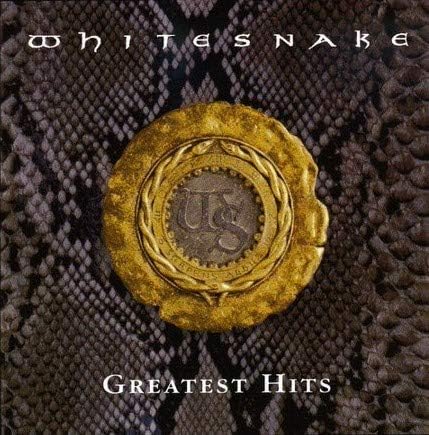
Greatest Hits (1994)
The best entry point for new fans
4.8 star rating from over 1,000 reviews
Spans multiple eras and lineups in one collection
You Might Also Like
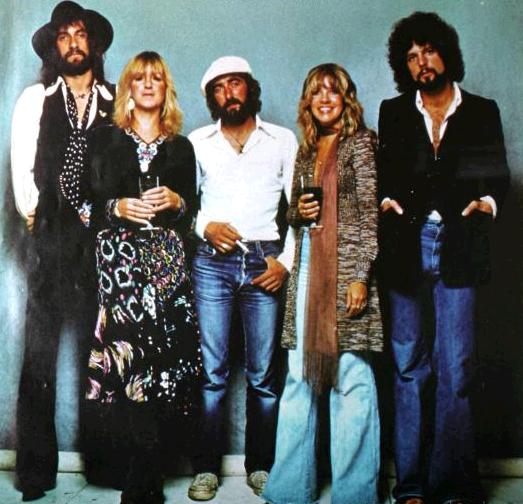
Members of Fleetwood Mac
Discover the complete story of the members of Fleetwood Mac, from Peter Green’s blues era to the legendary Buckingham-Nicks lineup and where they are today.

Members of Stone Temple Pilots
Discover the complete story of Stone Temple Pilots members from formation to today, including lineup changes and where these rock legends are now.
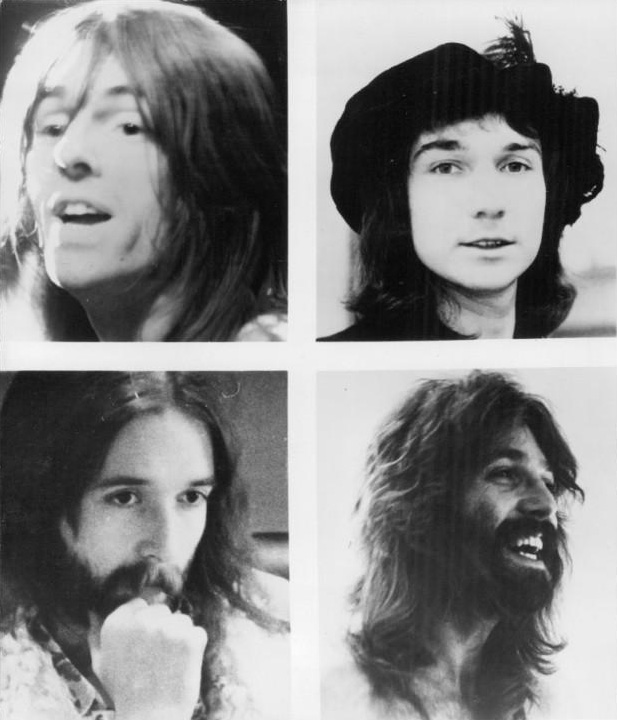
Members of Foghat
Discover the complete story of the members of Foghat from 1971 to today, including lineup changes and where these rock legends are now.
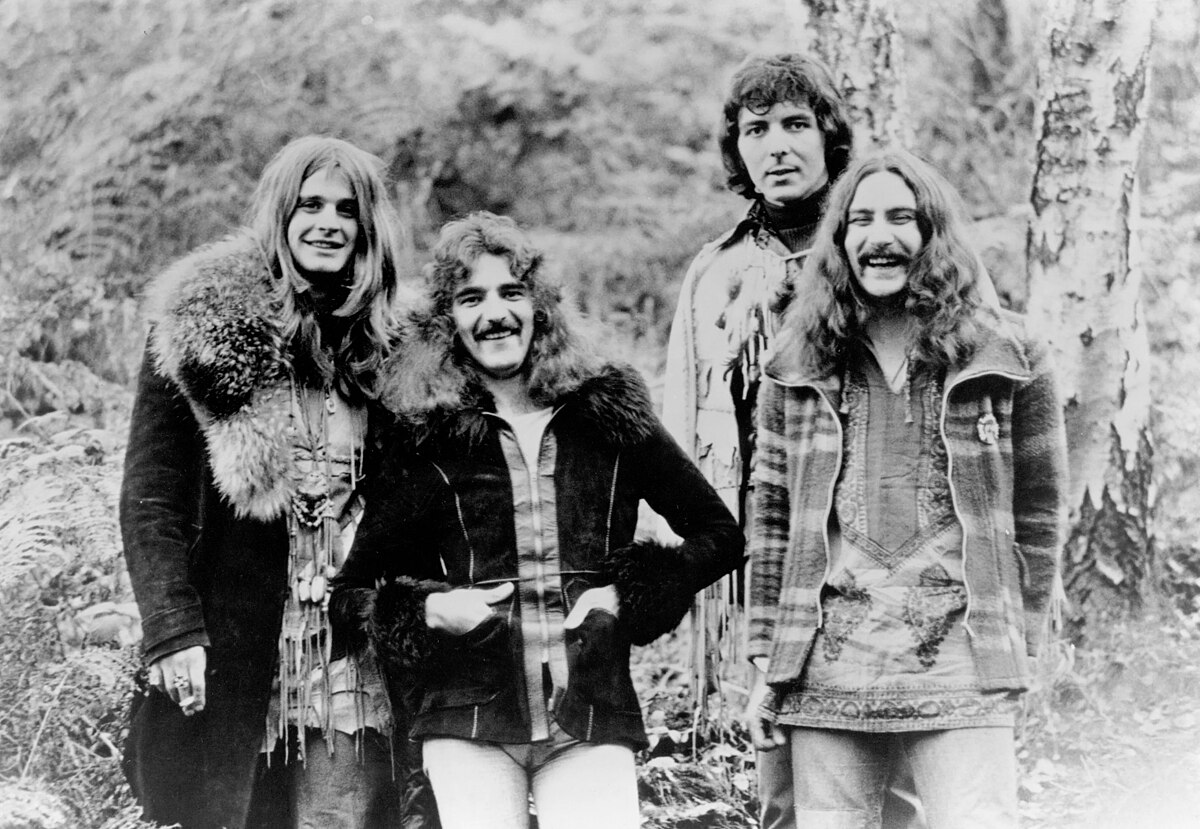
Members of Black Sabbath
Discover the complete members of Black Sabbath story from 1968 to 2025, including legendary lineup changes and where these heavy metal pioneers are now.
The members of Whitesnake may be scattered across decades and lineups, but David Coverdale’s vision held the band together through every single one of them.