
Killed by Death: Inside the Motorhead Song MTV Banned
Killed by Death is the Motorhead song MTV found too violent to air.
The band released it as a single on 24 August 1984, backed by the mid 1980s lineup of Lemmy, Phil Campbell, Wurzel, and Pete Gill.
Director Rod Swenson built a video so extreme that MTV pulled it entirely.
Affiliate Disclosure: I am an Amazon affiliate and if you purchase through any amazon links on this site i may earn a small commission at no extra charge to you.
📋 Table of Contents [+]
⚡ Key Takeaways
- This Motorhead single released on 24 August 1984 first appeared on the compilation album No Remorse.
- Phil Campbell, Wurzel, Lemmy Kilmister, and Pete Gill wrote the song together during the band’s mid 1980s lineup.
- The song peaked at number 51 on the UK Singles Chart, backed by the B-side Under the Knife.
- MTV banned the music video, ruling it contained excessive and senseless violence.
- Lemmy said in 2009 that the title came from a joke by British comedian Spike Milligan.
What Is Killed by Death About?
The song is about defiance, a refusal to be controlled by anything, including death itself.
The lyrics lean on reptilian imagery to paint a singer who cannot be tamed or subdued.
Lemmy Kilmister used the phrase as a darkly comic way of saying nothing short of death itself could stop him.
The tone stays aggressive and unapologetic from the first line to the last.
Who Wrote Killed by Death?
Phil Campbell, Wurzel, Lemmy Kilmister, and Pete Gill wrote the song together in 1984.
The twin guitar lineup paired Phil Campbell and Wurzel on guitar alongside Lemmy on bass and vocals.
Pete Gill handled drums during this period, joining after Phil Taylor’s first departure from the band.
Vic Maile and Guy Bidmead produced the recording together.
The new lineup recorded the track between 19 and 25 May 1984 at Britannia Row Studios in London.
The May 1984 session marked the first time this new four piece had ever recorded together.
Why Did MTV Ban the Video?
MTV banned the video for what the network called excessive and senseless violence.
Director Rod Swenson, known for managing the shock rock band the Plasmatics, built the video around that same confrontational style.
Swenson had already built a reputation staging chainsaw and explosive stunts for Plasmatics frontwoman Wendy O. Williams.
The ban only added to the song’s reputation as one of Motorhead’s most extreme moments on film.
Fans still discuss the footage today across message boards and video reaction channels.
Where Does the Title Come From?
The title comes from a joke by British comedian Spike Milligan, not from any horror film or slogan.
Lemmy explained the reference in 2009, quoting Milligan’s joke about being asked how he died and giving a deliberately absurd answer.
Lemmy called it an English thing, according to American Songwriter, the kind of dry joke that only works with a straight face.
Milligan’s joke became the hook for one of the band’s most quoted song titles.
How High Did the Single Chart?
The single reached number 51 on the UK Singles Chart in 1984.
The single came backed with the B-side Under the Knife, pressed in two different versions across formats.
Bronze Records released both 7 inch and 12 inch vinyl editions.
A rare US promotional 12 inch, with identical audio on both sides, remains one of the hardest Motorhead items to find today.
What Album Is Killed by Death From?
The song never appeared on a proper studio album on its original release.
The song debuted on the 1984 compilation No Remorse, alongside three other new tracks.
Those companion tracks were Snaggletooth, Steal Your Face, and Locomotive.
No Remorse gave fans new material while the band worked between studio records.
The double album doubled as a career overview of the band’s years on Bronze Records, closing each vinyl side with one of the four new songs.
No Remorse turned out to be Motorhead’s final release on Bronze Records before the label relationship ended.
Why Does Killed by Death Still Matter?
The song still matters because it captures Motorhead at their most confrontational, on record and on screen.
The banned video turned it into a piece of MTV history as much as a piece of music.
The track remains a fan favorite from the often overlooked mid 1980s twin guitar lineup, a period that rarely gets the same spotlight as the Clarke and Taylor years.
Live compilations and box sets released since 1984 have kept the track in circulation for new generations of fans discovering the band.
Fans chasing that same defiant energy should also revisit Ace of Spades and Overkill, two songs that set the template this one carried forward.
Read the complete lineup history of the members of Motorhead across four decades of the band.
People Also Ask
What is Killed by Death about?
Killed by Death is about defiance and refusing to be controlled, using reptilian imagery and dark humor to describe a singer who cannot be tamed by anything, including death itself.
The lyrics repeat the title phrase as both a boast and a joke.
Who wrote the song?
The 1984 Motorhead single was written by Phil Campbell, Wurzel, Lemmy Kilmister, and Pete Gill, the twin guitar lineup that followed Fast Eddie Clarke and Phil Taylor’s departures from the classic era band.
Vic Maile and Guy Bidmead produced the finished recording.
Why was the video banned?
MTV banned this Motorhead video for what the network called excessive and senseless violence, a reputation director Rod Swenson had already built managing the shock rock band the Plasmatics.
The ban has followed the song ever since, becoming part of its legend.
What album is it on?
The track first appeared on the 1984 compilation album No Remorse rather than a proper studio album, alongside three other new songs written for that release.
The single was never re-recorded for a Motorhead studio album on its original release.
Watch the Official Video
Affiliate Disclosure: I am an Amazon affiliate and if you purchase through any amazon links on this site i may earn a small commission at no extra charge to you. This helps support classicrockartists.com and allows me to keep providing deep-dive content on the legends of rock. Thank you for your support!
As an Amazon Associate, I earn from qualifying purchases.
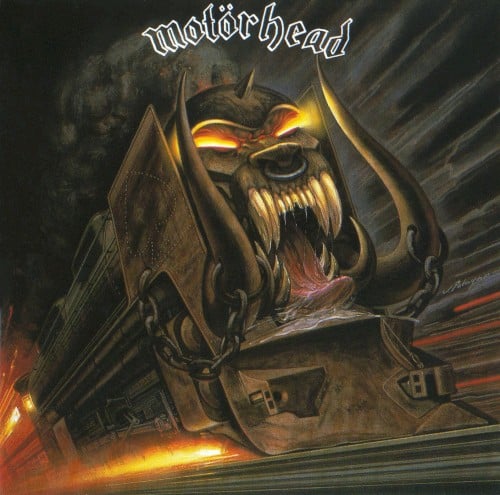
Orgasmatron
1986, Deluxe Import Edition
Recorded with the same Pete Gill era lineup.
One of the band’s most acclaimed mid era records.
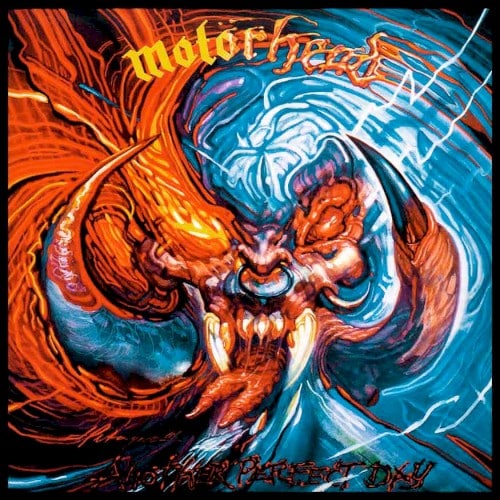
Another Perfect Day
1983, 40th Anniversary Edition
The transitional album just before this lineup took shape.
A bold, guitar driven detour from the classic sound.
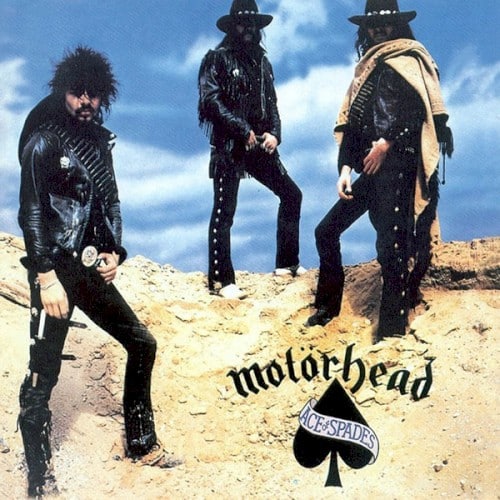
Ace of Spades
1980, 50th Anniversary 2 CD Edition
The classic era song that came before this one.
Motorhead’s most famous record.

No Sleep ’til Hammersmith
1981, 40th Anniversary Deluxe Edition
Hear the raw live energy this era carried forward.
Hit number 1 on the UK Albums Chart in 1981.
You Might Also Like
Shout at the Devil: Motley Crue’s 1983 Satanic Statement
The 1983 title track that turned Motley Crue into one of rock’s most controversial acts.
Looks That Kill: How Motley Crue Arrived in 1983
The song that told the world exactly who Motley Crue were in 1983.
Dr. Feelgood: How Motley Crue Conquered 1989
The moment Motley Crue proved sobriety could sound heavier than ever.
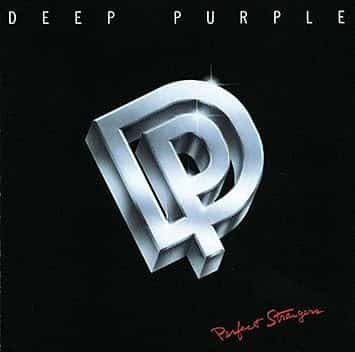
Deep Purple Perfect Strangers
One of the most powerful reunion anthems in hard rock history.
The song still stands as one of Motorhead’s most defiant statements, on vinyl and on the banned video reel.
As of 2026, the mid 1980s lineup that recorded it at Britannia Row Studios rarely gets the credit the classic era receives.
Killed by death remains proof that Motorhead never played it safe, even when MTV refused to air the result.
Last updated: July 11, 2026