

Damage Case Motorhead: Lemmy’s Rawest Overkill Cut
Damage Case Motorhead is one of the lewdest, most swaggering tracks on the band’s 1979 album Overkill.
Lemmy Kilmister co-wrote it with punk poet Mick Farren, and Rolling Stone still ranks it among his essential songs.
Affiliate Disclosure: I am an Amazon affiliate and if you purchase through any amazon links on this site i may earn a small commission at no extra charge to you.
📋 Table of Contents [+]
⚡ Key Takeaways
- Damage Case Motorhead is track seven on the band’s 1979 album Overkill, released through Bronze Records.
- Lemmy Kilmister, Eddie Clarke, and Phil Taylor wrote the song with Mick Farren, former frontman of the punk band The Deviants.
- The lyrics lean into a lewd, unapologetic persona, with lines like I ain’t looking to victimize you, all I want to do is tantalize you.
- Rolling Stone included Damage Case on its list of Lemmy Kilmister’s 20 essential songs.
- The track showcases Lemmy playing bass like a lead instrument, including a wild, barely controlled turnaround in the middle of the song.
What Is Damage Case Motorhead About?
The song is a boastful, lewd account of a narrator who warns lovers he is trouble before they get involved.
Lemmy delivers the lines with total confidence rather than any hint of apology.
The lyrics lean on innuendo more than the band’s usual blunt directness.
Musically, the track is a swinging, shambolic slice of dirty rock and roll rather than a straight speed metal cut.
Who Wrote Damage Case Motorhead?
Lemmy Kilmister, Eddie Clarke, and Phil Taylor share the writing credit with Mick Farren.
Farren supplied much of the lyric’s lewd wordplay, including its most quoted lines.
Lemmy handled the vocal delivery and the bass line that drives the entire song.
Clarke and Taylor built the loose, swaggering groove around that bass part.
Who Was Mick Farren?
Mick Farren fronted the 1960s punk precursor band The Deviants before moving into music journalism.
He wrote for the UK press and stayed connected to London’s rock underground for decades.
His collaboration with Motorhead on this song reflects those overlapping punk and pub rock circles of the late 1970s.
Farren’s outside perspective gave the lyric a sharper, more literary edge than a typical Motorhead co-write.
Stay Clean and No Class, two more tracks from Overkill, show a very different side of the same album.

Phil Taylor helped build the loose, swaggering groove behind Damage Case.
Image Credit: Photo by Andrew King, CC BY-SA 2.0, via Wikimedia Commons
Where Does Damage Case Motorhead Appear?
The song is track seven on Overkill, released through Bronze Records on 16 March 1979.
Overkill became Motorhead’s first album to reach the UK top 40, peaking at number 24.
Damage Case has appeared on multiple Motorhead compilations and box sets since its original release.
It never became a single in its own right, staying an album deep cut throughout the band’s career.
Why Do Critics Single Out Damage Case Motorhead?
Rolling Stone included the song on its list of Lemmy Kilmister’s 20 essential songs.
The magazine pointed to Lemmy’s bass playing as the track’s standout feature.
His mid song turnaround shows the bass working like a lead instrument rather than a rhythm part.
Phil Campbell later cited the Overkill album era as some of the rawest material in Motorhead’s catalog.
As of 2026, read the complete lineup history of the members of Motorhead across four decades of the band.
People Also Ask
What is Damage Case by Motorhead about?
Damage Case is a lewd, boastful Motorhead song about a narrator who warns lovers he is trouble before they get involved with him.
Lemmy Kilmister co-wrote the lyrics with punk poet Mick Farren for the band’s 1979 album Overkill.
Who wrote Damage Case by Motorhead?
Lemmy Kilmister, Eddie Clarke, and Phil Taylor wrote the song together with Mick Farren, former frontman of the punk band The Deviants.
Farren supplied much of the lyric’s lewd wordplay, while Lemmy handled the vocal delivery and driving bass line.
What album is Damage Case on?
Damage Case is track seven on Motorhead’s 1979 album Overkill, released through Bronze Records on 16 March 1979.
Overkill became Motorhead’s first album to reach the UK top 40, peaking at number 24.
Is Damage Case on any best Lemmy song lists?
Yes, Rolling Stone included Damage Case on its list of Lemmy Kilmister’s 20 essential songs.
The magazine highlighted Lemmy’s bass playing on the track, particularly its wild, barely controlled mid song turnaround.
Watch the Official Damage Case Video
Affiliate Disclosure: I am an Amazon affiliate and if you purchase through any amazon links on this site i may earn a small commission at no extra charge to you. This helps support classicrockartists.com and allows me to keep providing deep-dive content on the legends of rock. Thank you for your support!
As an Amazon Associate, I earn from qualifying purchases.
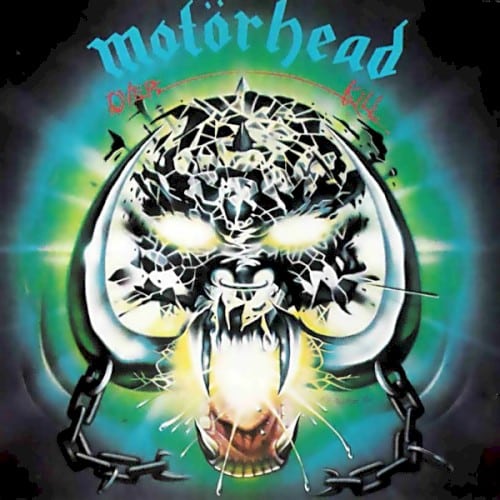
Overkill
1979
The album that introduced Damage Case.
Twin bass drums and pure speed from the classic lineup.

No Sleep ’til Hammersmith
1981, 40th Anniversary Deluxe Edition
The live album recorded by the same classic lineup.
Hit number 1 on the UK Albums Chart in 1981.
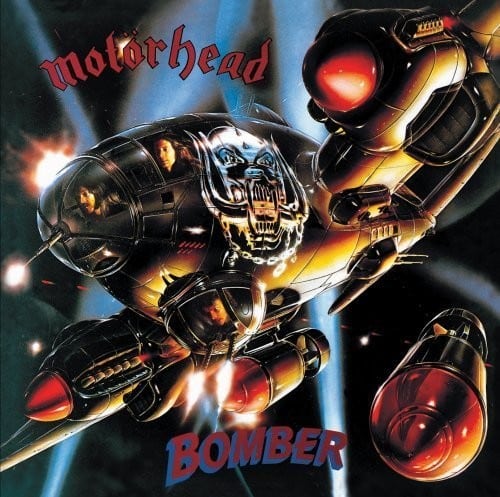
Bomber
1979, 50th Anniversary Edition
Recorded the same year as Overkill.
Faster, tighter, and a direct warm up for the classic era.
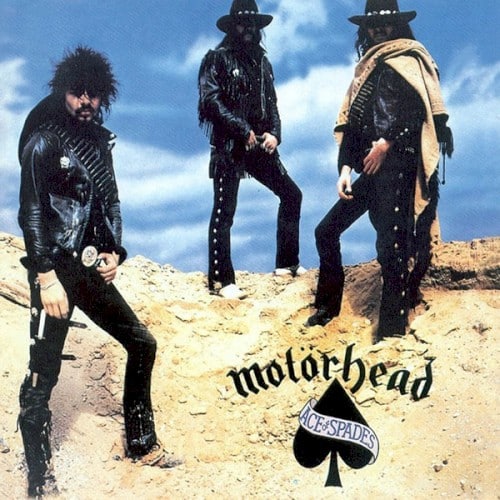
Ace of Spades
1980, 50th Anniversary 2 CD Edition
The album that made Motorhead legends.
Expanded with bonus tracks and remastered sound.
You Might Also Like
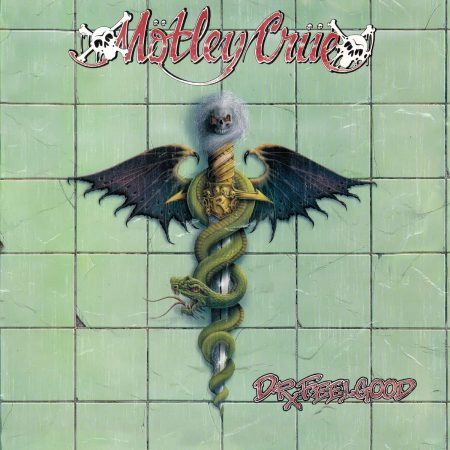
Dr. Feelgood: How Motley Crue Conquered 1989
The moment Motley Crue proved sobriety could sound heavier than ever.
Shout at the Devil: Motley Crue’s 1983 Satanic Statement
The 1983 title track that turned Motley Crue into one of rock’s most controversial acts.
Looks That Kill: How Motley Crue Arrived in 1983
The song that told the world exactly who Motley Crue were in 1983.
Deep Purple Perfect Strangers
One of the most powerful reunion anthems in hard rock history.
Damage Case Motorhead has never needed radio play to earn its reputation among fans and critics.
As of 2026, it stands as one of the boldest lyrical statements in the band’s early catalog.
Forty-five years on, Damage Case Motorhead still sounds exactly as unapologetic as the day it was recorded.
Last updated: July 12, 2026