

Motorhead Orgasmatron: Inside the 1986 Metal Rebirth
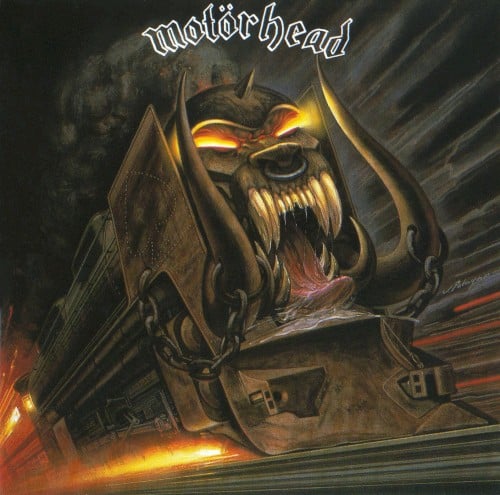
Motorhead Orgasmatron is the album that pulled the band back from the brink in 1986.
Motörhead had gone three years without a full studio record, and morale inside the camp was low after a rotating cast of drummers and a stalled label deal.
Producers Bill Laswell and Jason Corsaro gave the band a leaner, more modern sound without sanding off any of the aggression.
Four decades later, Motorhead Orgasmatron still stands as the moment the band reinvented itself as a twin guitar juggernaut.
Affiliate Disclosure: I am an Amazon affiliate and if you purchase through any amazon links on this site i may earn a small commission at no extra charge to you.
📋 Table of Contents [+]
⚡ Key Takeaways
- Orgasmatron is Motorhead’s seventh studio album, released on 21 July 1986 through GWR Records.
- Producers Bill Laswell and Jason Corsaro recorded the album in eleven days at Master Rock Studios in London.
- Orgasmatron marked the first Motorhead album built around two guitarists, Phil Campbell and Wurzel, with Pete Gill on drums.
- The album peaked at number 21 on the UK Albums Chart in 1986.
- Critic Robert Christgau gave Orgasmatron an A minus rating in his Consumer Guide column.
What Is Motorhead Orgasmatron About?
Motorhead Orgasmatron is a nine track studio album about control, machinery, and the loss of individual will.
Lemmy Kilmister built the title track around a totalitarian machine that grinds down free thought, a theme borrowed loosely from the 1983 film Star Chamber’s own fictional device.
The rest of the record moves through speed, paranoia, and street level survival, themes Motorhead had chased since its earliest records.
Where earlier albums leaned on raw aggression alone, Orgasmatron adds a colder, more mechanical edge to match its subject matter.
Who Wrote and Recorded Motorhead Orgasmatron?
Lemmy Kilmister wrote the lyrics and played bass and lead vocals across every track on the album.
Phil Campbell and Michael “Wurzel” Burston shared guitar duties, the first time Motorhead recorded a full album as a four piece with two guitarists.
Pete Gill, who had drummed with Saxon before joining Motorhead, held down the rhythm section for this record.
Producers Bill Laswell and Jason Corsaro pushed the band toward a tighter, more layered mix than their earlier, rawer albums.
Where Was Orgasmatron Recorded?
Motorhead recorded Orgasmatron at Master Rock Studios in London during the spring of 1986.
The band and producers finished the entire album in just eleven days, a fast turnaround even by Motorhead’s own standards.
GWR Records released the finished album on 21 July 1986, the band’s first release for the label.
It was also Motorhead’s first full studio album in three years, following a stretch marked by lineup instability and label troubles.
Why Did Motorhead Add a Second Guitarist for Orgasmatron?
Motorhead added a second guitarist to widen its sound after losing original guitarist Eddie Clarke back in 1982.
Bringing in Wurzel alongside Phil Campbell let the band layer riffs instead of relying on a single guitar to carry every song.
The twin guitar format gave Orgasmatron a thicker, more textured wall of sound than the three piece albums that came before it.
This lineup shape held for the next decade, defining Motorhead’s sound through several more studio albums.
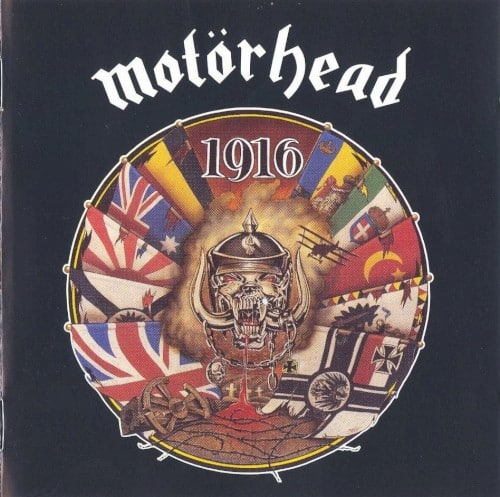
The twin guitar lineup born on Motorhead Orgasmatron carried through into the band’s early 1990s albums.
What Songs Are on the Motorhead Orgasmatron Tracklist?
Motorhead Orgasmatron opens with Deaf Forever, a song that became a live staple in its own right.
Nothing Up My Sleeve and Ain’t My Crime keep the pace fast and the lyrics sharp edged, both built for the stage rather than the radio.
Claw, Mean Machine, and Built for Speed push the tempo even harder through the album’s midsection.
Ridin with the Driver and Doctor Rock lead into the closing title track, Orgasmatron, which slows the pace into a doom laden finale.
How Does the Title Track Sound?
The title track drops the album’s tempo from a sprint to a crawl, and the change hits harder because of it.
Lemmy’s bass carries a doom heavy groove under a lyric that reads like a sermon on control and conformity.
Laswell’s production adds extra low end weight to the mix, a texture critics singled out when the album came out.
The song became a permanent closer on Motorhead’s setlists for years after the album’s release.
How Did Motorhead Orgasmatron Perform on the Charts?
Motorhead Orgasmatron peaked at number 21 on the UK Albums Chart in 1986.
That placement made it one of the band’s stronger chart showings of the mid 1980s, a period when several rivals had already faded from view.
The album helped reestablish Motorhead as a viable touring and recording act after a rocky few years.
Orgasmatron proved the band could still chart on its own terms without chasing radio trends, according to Wikipedia.
What Did Critics Say About Orgasmatron?
Critics generally praised Motorhead Orgasmatron as a confident return to form.
Robert Christgau gave the album an A minus, writing that Lemmy was proud to be a clod and common as muck, and dogged in his will to make himself felt as just that.
AllMusic awarded three out of five stars and singled out the title track for the way Laswell’s production added sonic detail to the mix.
Blabbermouth rated the album 9 out of 10 in a later retrospective review, while Uncut and The Encyclopedia of Popular Music both gave it four out of five stars.
How Does Orgasmatron Compare to Motorhead’s Earlier Albums?
Orgasmatron trades some of the raw, live in the room feel of Overkill and Bomber for a cleaner, more deliberate studio sound.
The extra guitar layer gives the songs more depth than the three piece arrangements on Ace of Spades or Iron Fist.
Where the classic era leaned entirely on speed, Orgasmatron proves the band could slow down without losing its edge.
Many longtime fans consider it the true starting point of Motorhead’s second era, the twin guitar years that followed.
Why Does Motorhead Orgasmatron Still Matter Today?
Motorhead Orgasmatron still matters because it kept the band alive at a moment when its future was genuinely in doubt.
The title track has been covered and sampled by acts across metal and industrial music in the decades since.
Hawkwind, the band that shaped Lemmy’s chaotic stage presence long before Motorhead existed, still echoes in the loose, hypnotic groove of the title track.
The twin guitar format introduced here carried straight into Motorhead’s Rock ‘n’ Roll album the following year.
As of 2026, read the full lineup history of the members of Motorhead to see how the Orgasmatron era fits into four decades of the band.
People Also Ask
What does Orgasmatron by Motorhead mean?
Orgasmatron is Motorhead’s 1986 title track and album about a machine that strips away free will and forces total obedience, a concept Lemmy Kilmister used as a stand in for government and religious control.
The lyric reads like a sermon delivered by the machine itself, warning listeners that resistance is pointless.
Who played drums on Motorhead’s Orgasmatron album?
Pete Gill played drums on Motorhead’s Orgasmatron album, his only full studio record with the band after joining in 1984.
Gill had previously drummed for Saxon before stepping into Motorhead during a period of lineup turnover.
Is Orgasmatron a good Motorhead album?
Orgasmatron is widely considered one of Motorhead’s stronger 1980s albums, earning an A minus from Robert Christgau and a 9 out of 10 retrospective score from Blabbermouth.
It also introduced the twin guitar lineup that shaped the band’s sound for the following decade, making it a turning point as well as a strong listen.
What was Motorhead’s first album with two guitarists?
Orgasmatron, released in 1986, was Motorhead’s first studio album recorded with two guitarists, Phil Campbell and Wurzel, instead of the earlier three piece format.
The added guitar layer gave the band a thicker sound that carried through several more studio albums.
Watch the Official Orgasmatron Video and Shop Motorhead Albums
Affiliate Disclosure: I am an Amazon affiliate and if you purchase through any amazon links on this site i may earn a small commission at no extra charge to you. This helps support classicrockartists.com and allows me to keep providing deep-dive content on the legends of rock. Thank you for your support!
As an Amazon Associate, I earn from qualifying purchases.
Orgasmatron
1986, Deluxe Import Edition
The album that introduced Motorhead’s twin guitar era.
A confident, mechanical rebirth after three years away.
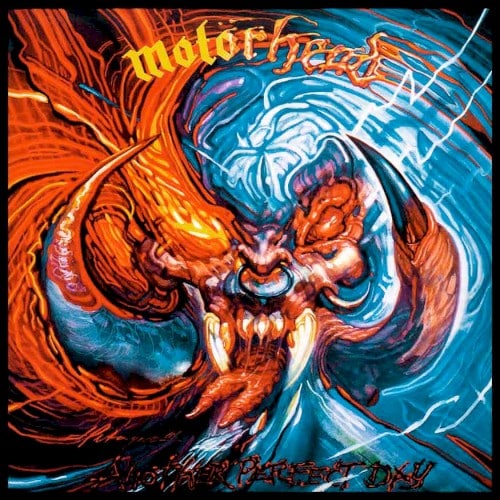
Another Perfect Day
1983, 40th Anniversary Edition
The album right before Orgasmatron, with guitarist Brian Robertson.
A melodic detour before the band snapped back to speed.
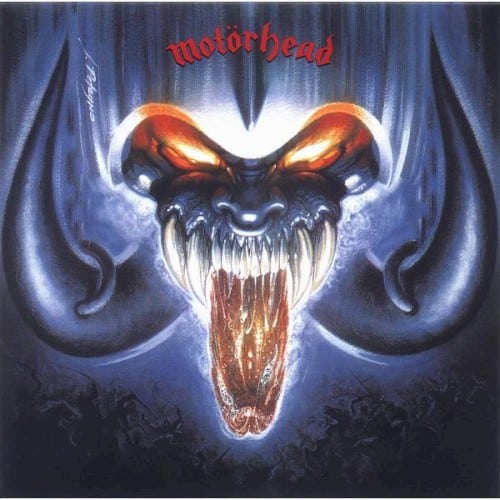
Rock ‘n’ Roll
1987
The twin guitar lineup’s follow up to Orgasmatron.
Includes the fan favorite single Eat the Rich.
1916
1991
A Grammy nominated leap forward from the Orgasmatron era.
Features the acclaimed title track ballad.
You Might Also Like
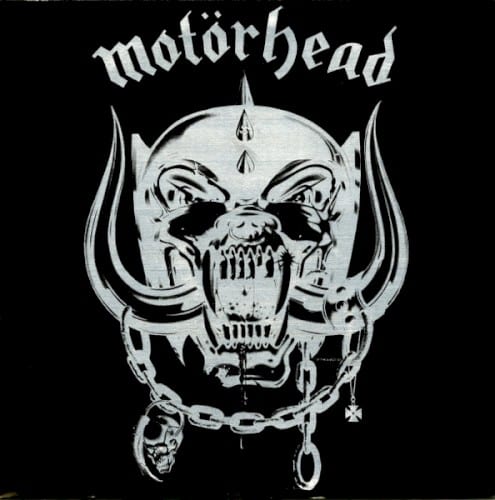
Motorhead Debut Album: The Chaotic Birth of a Legend
The 1977 record that started the band Orgasmatron would later rescue nine years on.
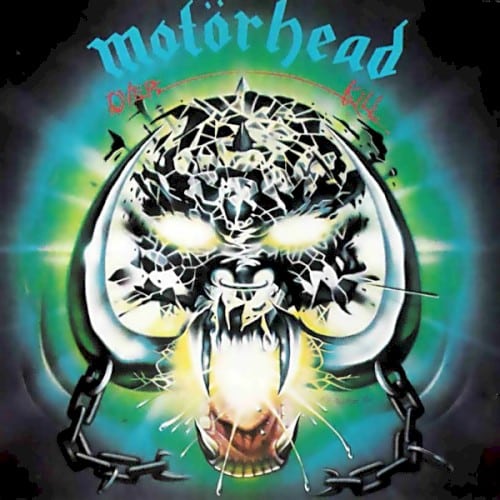
Motorhead Overkill: The Album That Started It All
The twin bass drum era that built the speed Orgasmatron later slowed down to add weight.
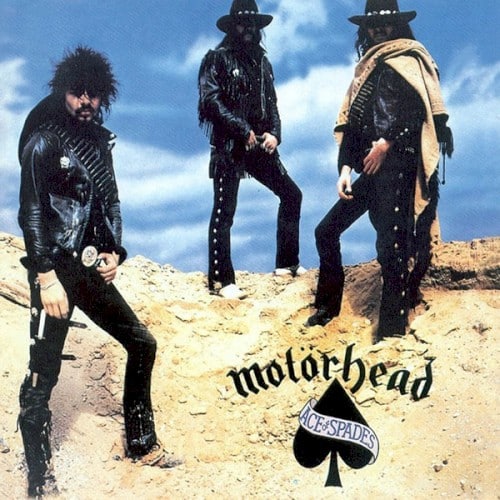
Ace of Spades Motorhead: Inside Rock’s Defining Anthem
The three piece era anthem that came before Orgasmatron reshaped the band’s lineup.
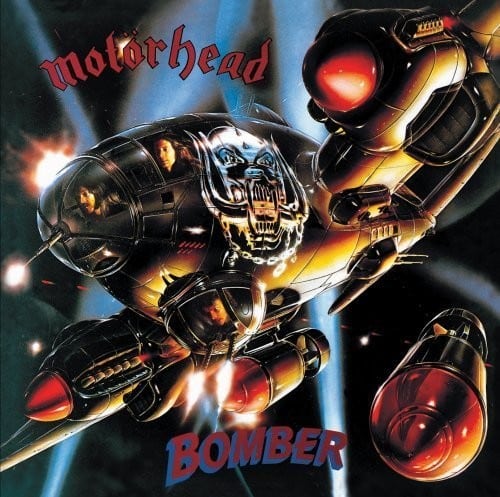
Bomber Motorhead: The Song Behind the Legendary Stage Rig
Another high speed era track that shows how far the band’s sound had traveled by Orgasmatron.
Motorhead Orgasmatron remains the record that proved the band still had something left to say in 1986.
As of 2026, it stands as the true starting point of Motorhead’s twin guitar era and everything that followed.
Forty years on, Motorhead Orgasmatron still sounds like a machine that refuses to slow down.
Last updated: July 21, 2026