

Motorhead 1916 Album: The Record That Made Critics Listen
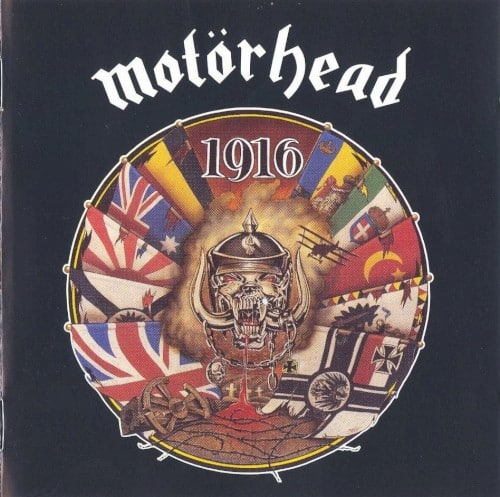
The Motorhead 1916 album is the record that finally forced serious critics to stop dismissing the band as noise.
Released in January 1991, it paired the band’s usual speed with a haunting, orchestral title track unlike anything Motörhead had attempted before.
Lemmy Kilmister, Phil Campbell, Wurzel, and Phil “Philthy Animal” Taylor recorded it as their last full album together as a unit.
Three decades on, the Motorhead 1916 album remains the clearest proof that this band could do far more than play fast.
Affiliate Disclosure: I am an Amazon affiliate and if you purchase through any amazon links on this site i may earn a small commission at no extra charge to you.
📋 Table of Contents [+]
⚡ Key Takeaways
- Motorhead released the 1916 album on 21 January 1991, recorded the year before.
- Producer Peter Solley finished the record after original producer Ed Stasium was fired mid-session.
- The album peaked at number 24 on the UK Albums Chart and charted for four weeks.
- Motorhead 1916 earned the band’s first Grammy nomination, for Best Metal Performance at the 1992 ceremony.
- The title track is a World War I ballad built around cello and keyboards, inspired by a documentary on the Battle of the Somme.
What Is the Motorhead 1916 Album About?
The Motorhead 1916 album is a record that mixes the band’s usual speed with unexpected moments of restraint and orchestration.
Most of the album keeps to familiar Motorhead territory: fast riffs, blunt lyrics, and songs built for the stage.
The closing title track breaks completely from that formula, trading distortion for cello and a slow, funeral march tempo.
That contrast between speed and stillness is exactly what made critics take the record more seriously than anything the band had released before.
Who Recorded the Motorhead 1916 Album?
Lemmy Kilmister wrote the album’s lyrics and played bass and lead vocals throughout.
Phil Campbell and Michael “Wurzel” Burston again handled the twin guitar parts that had defined the band since Orgasmatron.
Phil “Philthy Animal” Taylor played drums on the entire record, his last full album with Motorhead before leaving the band for good.
Session cellist James Hoskins guested on the title track, adding the string arrangement that gives the song its weight.
Why Was Producer Ed Stasium Fired During Recording?
Ed Stasium was fired during the 1916 sessions after Lemmy discovered he had quietly added claves and tambourines to the mix without the band’s knowledge.
Lemmy considered the added percussion a betrayal of the band’s raw sound and pulled Ed Stasium off the project.
Peter Solley stepped in to finish producing the album, steering it back toward Motorhead’s expected sound while still allowing the title track its orchestral detour.
The mid-session producer change is one of the more unusual stories in the band’s recording history.
What Songs Are on the Motorhead 1916 Tracklist?
The album opens with The One to Sing the Blues, followed by I’m So Bad (Baby I Don’t Care) and No Voices in the Sky.
Going to Brazil, a rare four way writing credit among Lemmy, Wurzel, Campbell, and Taylor, sits at track four.
Nightmare/The Dreamtime, Love Me Forever, and Angel City follow, with Angel City notably adding saxophone to the arrangement.
Make My Day, the Ramones tribute R.A.M.O.N.E.S., and Shut You Down lead into the closing title track, 1916.
What Is the Story Behind the Title Track?
Lemmy wrote the title track after watching a television documentary about the Battle of the Somme in World War I.
The lyrics are told from the perspective of a young soldier facing death, a stark departure from the band’s usual subject matter.
Cello and keyboards replace the band’s guitars entirely, giving the song a funeral march quality unlike anything else in the Motorhead catalog.
The song is still regarded by many fans and critics as the most emotionally powerful piece Lemmy ever wrote.
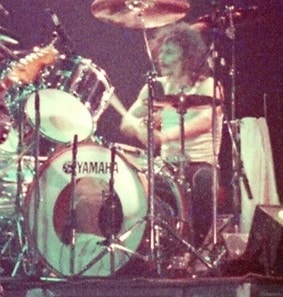
Philthy Animal Taylor drummed on every track of the Motorhead 1916 album, his final full record with the band.
Image Credit: Photo by Andrew King, CC BY-SA 2.0, via Wikimedia Commons
How Did Motorhead Cover the Ramones?
Motorhead covered the Ramones with R.A.M.O.N.E.S., a tribute built from a groove Phil Campbell wrote in a ZZ Top style before Lemmy sped it into a punk blast.
The track runs just 1 minute and 26 seconds, making it one of the shortest recordings in the band’s discography.
Lemmy was a genuine fan of the Ramones, and the tribute reportedly delighted the band enough that they later covered it themselves.
The song captures the same stripped down urgency that connected Motorhead to punk audiences throughout the band’s career.
How Did the Motorhead 1916 Album Chart?
The Motorhead 1916 album peaked at number 24 on the UK Albums Chart in 1991.
It spent four weeks on the chart, a solid run for a band that had spent much of the 1980s outside the UK top 20.
The chart placement reflected renewed critical attention rather than a change in the band’s commercial approach.
It remains one of the strongest chart showings of Motorhead’s post classic era catalog.
Did Motorhead 1916 Get a Grammy Nomination?
Motorhead 1916 earned the band’s first Grammy nomination, for Best Metal Performance at the 1992 Grammy Awards.
The album lost to Metallica’s self titled Black Album, one of the best selling metal records of all time.
Even in defeat, the nomination marked a major shift in how the industry viewed a band once dismissed as too extreme for mainstream recognition.
Motorhead would go on to win an actual Grammy more than a decade later for the song Whiplash.
Drummer Phil Taylor’s run with the band ended the following year during the sessions for Motorhead’s March or Die album.
What Did Critics Say About 1916?
Critics responded to the Motorhead 1916 album with some of the best reviews of the band’s career.
Robert Christgau gave it an A minus, calling it sonically retrograde and philosophically advanced.
Rolling Stone wrote that the band managed to mingle ruthlessness and listenability like never before, while Entertainment Weekly awarded it a full A plus.
Kerrang! gave the album five stars, cementing 1916 as a critical high point in Motorhead’s catalog.
Why Is Motorhead 1916 Considered a Turning Point?
Motorhead 1916 is considered a turning point because it proved the band could stretch beyond speed without losing its identity.
The Grammy nomination gave the band a level of mainstream credibility it had rarely received before.
Hawkwind, the band that first shaped Lemmy’s songwriting instincts, never attempted anything as emotionally direct as the 1916 title track.
As of 2026, read the full lineup history of the members of Motorhead to see how this era shaped the band’s later output.
People Also Ask
What is the song 1916 by Motorhead about?
1916 is a Motorhead ballad told from the perspective of a young soldier dying in World War I, written by Lemmy Kilmister after he watched a documentary about the Battle of the Somme, and built around cello and keyboards instead of guitars.
It closes the 1991 album of the same name and is widely regarded as one of Lemmy’s most emotionally powerful lyrics.
Was Motorhead’s 1916 album nominated for a Grammy?
Yes, Motorhead’s 1916 album was nominated for Best Metal Performance at the 1992 Grammy Awards, the band’s first Grammy nomination, though it lost to Metallica’s self titled album.
Motorhead later won its first actual Grammy in 2005 for the song Whiplash.
Who produced Motorhead’s 1916 album?
Peter Solley produced the finished version of Motorhead’s 1916 album after original producer Ed Stasium was fired mid-session for adding unauthorized percussion to the mix.
Solley steered the rest of the sessions while preserving the orchestral arrangement on the title track.
How high did the Motorhead 1916 album chart in the UK?
The Motorhead 1916 album peaked at number 24 on the UK Albums Chart in 1991 and stayed on the chart for four weeks.
It remains one of the band’s stronger UK chart placements from the post classic era of the 1990s, per Wikipedia‘s chart data.
Watch the Official Video and Shop Motorhead Albums
Affiliate Disclosure: I am an Amazon affiliate and if you purchase through any amazon links on this site i may earn a small commission at no extra charge to you. This helps support classicrockartists.com and allows me to keep providing deep-dive content on the legends of rock. Thank you for your support!
As an Amazon Associate, I earn from qualifying purchases.
1916
1991, Grammy Nominated
The album that earned Motorhead’s first Grammy nomination.
Home to the haunting World War I title track.
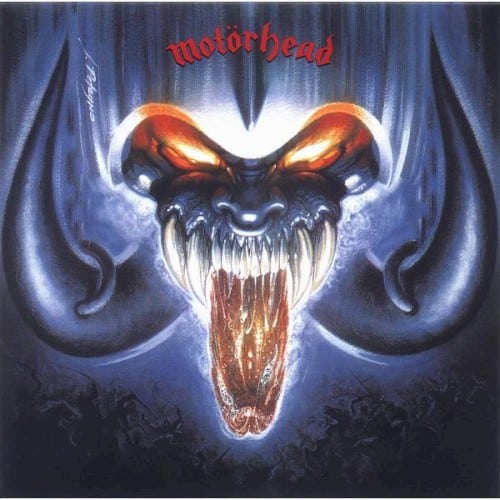
Rock ‘n’ Roll
1987
The album right before 1916 in the band’s twin guitar run.
A rougher, faster record than what came next.
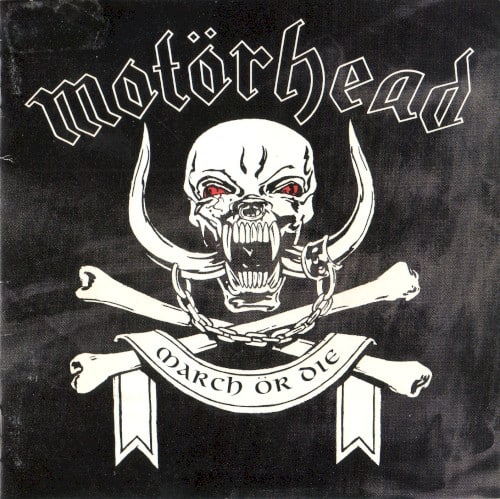
March or Die
1992
The follow up album, featuring guests Ozzy Osbourne and Slash.
Marked another major lineup shift for the band.
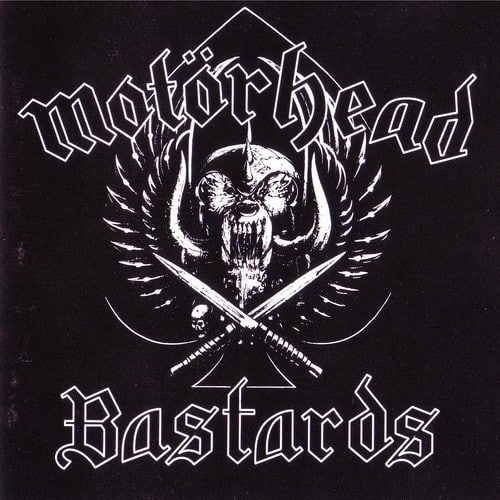
Bastards
1993
A darker, harder record made two years after 1916.
Later ranked among the band’s greatest achievements by critics.
You Might Also Like
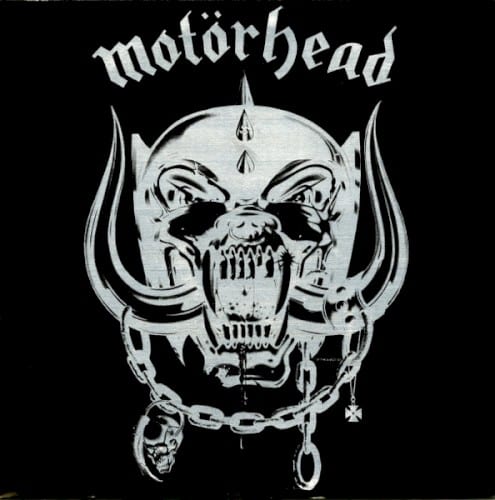
Motorhead Debut Album: The Chaotic Birth of a Legend
The scrappy 1977 record that started the journey 1916 later brought critical respect to.
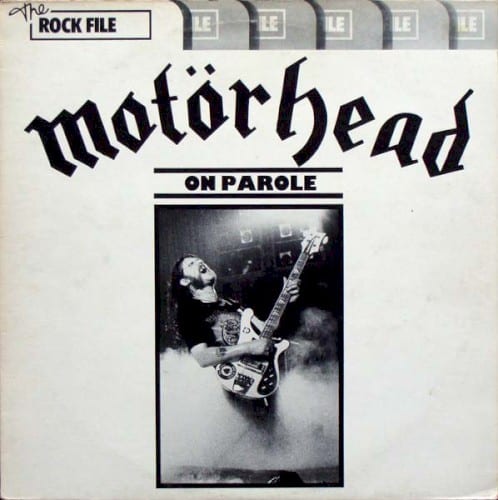
Motorhead On Parole: The Debut Album That Never Was
A shelved early record from the same band that eventually earned a Grammy nod with 1916.
Hellraiser Motorhead: The Song Ozzy and Lemmy Wrote Together
A later track from the same lineup era that followed 1916 into the next decade.
Rock n Roll Motorhead: The Title Track Critics Loved
The title track from the album released four years before 1916 hit UK number 24.
The Motorhead 1916 album showed a band willing to risk everything on three minutes of silence and strings.
As of 2026, it still stands as the record that finally earned Motorhead the critical respect it had chased for fifteen years.
The Motorhead 1916 album remains proof that even the loudest band in the world knew exactly when to go quiet.
Last updated: July 21, 2026