

Brian Robertson: Motorhead’s Thin Lizzy Import
Brian Robertson’s work spans two of the most respected names in British rock, Thin Lizzy and Motorhead.
Born Brian David Robertson on 12 February 1956 in Clarkston, Scotland, he studied classical cello and piano for eight years before switching to guitar.
Robertson first made his name in Thin Lizzy’s twin guitar lineup before joining Motorhead in 1982, replacing Fast Eddie Clarke for a brief but memorable stretch.
Brian Robertson’s legacy includes one Motorhead album, a defining run with Thin Lizzy, and a solo career that continues today.
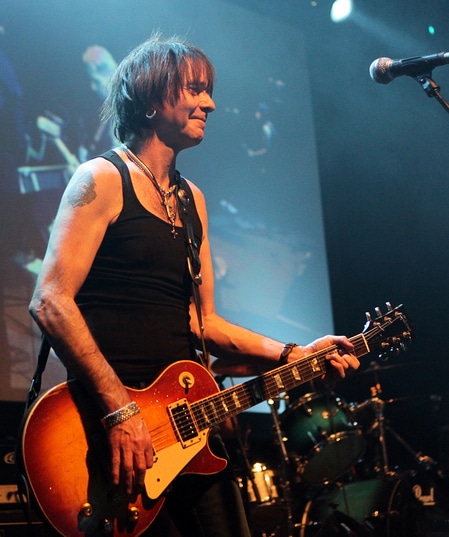
Affiliate Disclosure: I am an Amazon affiliate and if you purchase through any amazon links on this site i may earn a small commission at no extra charge to you.
Image Credit: Photo by Daragh Owens, CC BY-SA 2.0, via Wikimedia Commons
📋 Table of Contents [+]
⚡ Key Takeaways
- Brian Robertson played guitar in Thin Lizzy’s twin guitar lineup from 1974 to 1978.
- He joined Motorhead in 1982, replacing Fast Eddie Clarke as lead guitarist.
- Robertson co-wrote and recorded Another Perfect Day, his only studio album with Motorhead.
- He left Motorhead in late 1983 after roughly 18 months in the band.
- Robertson released his debut solo album, Diamonds and Dirt, in 2011.
Brian Robertson: Early Life and Thin Lizzy Beginnings
Brian Robertson was born Brian David Robertson on 12 February 1956 in Clarkston, Renfrewshire, Scotland.
He studied cello and classical piano for eight years before switching to guitar and drums as a teenager.
In June 1974, at age 18, he was hired by Thin Lizzy alongside fellow lead guitarist Scott Gorham, forming the band’s twin guitar frontline.
Frontman Phil Lynott gave him the nickname Robbo to avoid confusion with drummer Brian Downey.
Robertson and fellow guitarist Scott Gorham developed a twin harmony lead sound that became one of Thin Lizzy’s defining trademarks.
Critics have since credited that approach with influencing later acts including Iron Maiden and Metallica.
Why Did Robertson Leave Thin Lizzy in 1978?
Robertson’s Thin Lizzy career was interrupted in November 1976 when he suffered a serious hand injury defending singer Frankie Miller in a fight at London’s Speakeasy Club.
The injury forced the cancellation of a planned US tour, and Gary Moore filled in on guitar in his absence.
He rejoined the band in 1977 and remained through the recording of the live album Live and Dangerous in 1978.
Robertson departed for good in July 1978 due to ongoing tension with Lynott, and Gary Moore replaced him on a permanent basis.
He briefly rejoined the band as a guest in 1977 once his hand had healed enough to play, contributing lead parts to select tracks on Bad Reputation.
Producer Tony Visconti later noted that Robertson recorded his solo on the song Killer Without a Cause using a talk box effect, an unusual choice for the band at the time.
Brian Robertson and His Time in Wild Horses
While recovering from his hand injury, Robertson formed the band Wild Horses with Rainbow bassist Jimmy Bain in 1977.
Wild Horses released two albums, Wild Horses in 1980 and Stand Your Ground in 1981, before splitting up.
He also contributed guitar to Eric Burdon’s 1980 album Darkness Darkness during this period.
These projects kept him active in the years just before his move to Motorhead.
How Did Brian Robertson Join Motorhead?
Brian Robertson joined Motorhead in May 1982, replacing Fast Eddie Clarke after Clarke walked out mid-tour.
Robertson later told Classic Rock magazine the move felt uncertain at first, since it began as him simply helping out friends rather than joining officially.
He agreed to join full time on the condition that he would not be expected to rewrite the band’s signature song, Ace of Spades.
The switch brought a Thin Lizzy veteran into one of the most aggressive bands in British rock.
Brian Robertson’s Only Studio Album With Motorhead
Robertson co-wrote and played on Another Perfect Day, released in 1983, his sole studio album with the band.
Despite his short tenure, Robertson also appears on three officially released live recordings from this era.
King Biscuit Flower Hour Presents Motorhead and two 1983 UK concert recordings later saw release through the band’s fan club in the early 1990s.
Those recordings remain the fullest documentation of his brief time on stage with the band.
Robertson is also credited on the Motorhead video release The Birthday Party, part of the archival footage documenting the band from that era.
Why Did Brian Robertson Leave Motorhead?
Brian Robertson left Motorhead after roughly 18 months, with his final show taking place in Berlin on 11 November 1983.
His resistance to playing the band’s older classic songs live created friction with fans and bandmates alike.
A fashion sense built around headbands and leg warmers also clashed visibly with Motorhead’s harder edged image.
The combination of musical and stylistic differences ultimately ended his time in the band.
What Did Robertson Do After Motorhead?
After leaving Motorhead, Robertson briefly joined Gary Barden’s band Statetrooper.
He soon reunited with longtime friend Frankie Miller, recording the 1985 album Dancing in the Rain alongside former Free and Bad Company drummer Simon Kirke.
In 1992 he made a guest appearance with Skyclad at the Dynamo Open Air Festival in the Netherlands.
He returned to a Thin Lizzy reunion stage in August 2005 for a tribute concert honoring the late Phil Lynott.
💡 Did You Know?
In 2004, Robertson made a guest appearance with the band Ash at the Oxegen festival in Ireland, playing guitar on their cover of Thin Lizzy’s The Boys Are Back in Town.
Brian Robertson’s Solo Career
Robertson released his debut solo album, Diamonds and Dirt, in March 2011 through Steamhammer Records.
The record was recorded at Polar Studios in Stockholm over roughly two years, featuring musicians from Europe, Treat, and Michael Schenker Group.
Its thirteen songs included writing contributions from Phil Lynott and Frankie Miller alongside Robertson’s own material.
The album marked his first release under his own name after decades as a guitarist for other artists.
💡 Did You Know?
Robertson also guested on The Bitter Twins’ 2009 debut album Global Panic!, one of several session credits scattered across his post-Motorhead career.
Brian Robertson’s Guitar Style and Equipment
Brian Robertson built his reputation on a blues rooted style influenced by Freddie King, Jeff Beck, Eric Clapton, and Peter Green.
His pioneering use of the wah-wah pedal as a melodic tool, rather than a purely rhythmic effect, influenced later guitarists in bands including Iron Maiden and Metallica.
He is closely associated with a 1973 Sunburst Les Paul Deluxe, his main guitar across most of his career.
He also played a black Les Paul Custom during his Thin Lizzy years, along with a Travis Bean TB1000A featuring a distinctive aluminum neck.
Robertson favored Marshall amplifiers through most of his career, along with a UK made Colorsound wah pedal.
That combination of technical control and blues feeling carried through every band he played in, including his short stretch in Motorhead.
💡 Did You Know?
Robertson has one son, Logan, born in 1991, with Karen Rix, whom he met through a mutual contact who also worked for Lemmy and Motorhead.
The couple met at the Donington Festival in 1985 and lived together at London’s Barbican Estate before their son was born.
Is Brian Robertson Still Playing Music Today?
Yes, Brian Robertson has remained active in music well beyond his time with Motorhead and Thin Lizzy.
He returned to the studio in 2008 to work on new material and has continued taking on session and guest work in the years since.
He splits his time between Essex, England, and Scandinavia, where he spends much of his working schedule.
Robertson’s career now spans more than five decades across multiple bands and genres.
People Also Ask
Was Brian Robertson in Motorhead?
Yes, Brian Robertson played guitar in Motorhead from 1982 to 1983, recording the album Another Perfect Day.
He replaced Fast Eddie Clarke and was later replaced himself as the band continued into its later lineups.
Why did Brian Robertson leave Thin Lizzy?
Brian Robertson left Thin Lizzy for good in July 1978 due to ongoing personal tension with frontman Phil Lynott.
He had already missed part of the band’s touring schedule in 1976 and 1977 after a serious hand injury.
What album did Brian Robertson record with Motorhead?
Brian Robertson recorded Another Perfect Day with Motorhead in 1983, his only studio album with the band.
He also appears on three live recordings from the same era, released later through the band’s fan club.
Is Brian Robertson still alive?
Yes, Brian Robertson is still alive and remains active in music as of 2026.
He released his debut solo album in 2011 and has continued to perform and record in the years since.
Watch Robertson in Action and Shop Motorhead Albums
Affiliate Disclosure: I am an Amazon affiliate and if you purchase through any amazon links on this site i may earn a small commission at no extra charge to you. This helps support classicrockartists.com and allows me to keep providing deep-dive content on the legends of rock. Thank you for your support!
As an Amazon Associate, I earn from qualifying purchases.
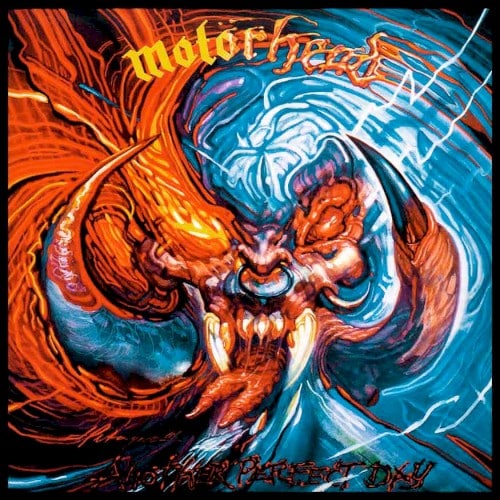
Another Perfect Day
1983
Robertson’s only studio album with Motorhead.
Co-written and recorded during his brief tenure.
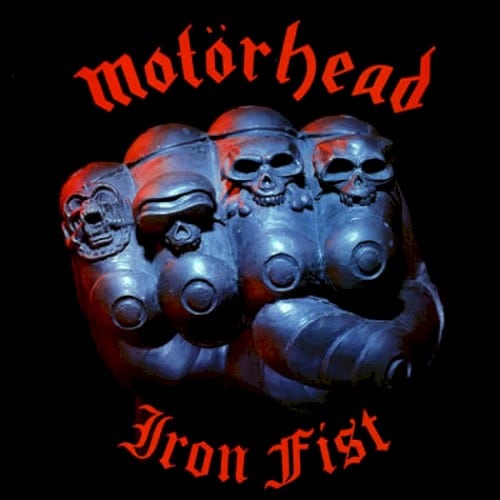
Iron Fist
1982
The tour Fast Eddie Clarke left, opening the door for Robertson.
The last album of Motorhead’s classic lineup.
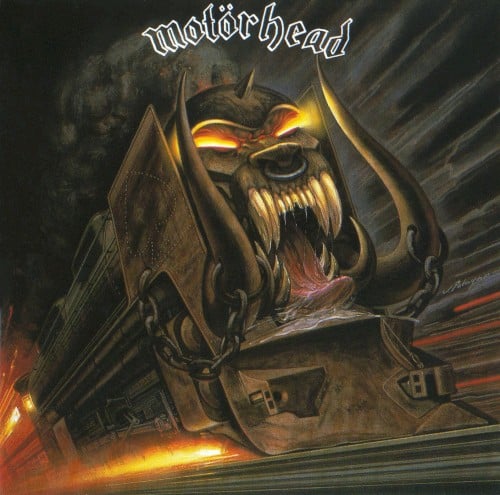
Orgasmatron
1986
Recorded after Motorhead moved on to its twin guitar lineup with Phil Campbell and Wurzel.
A defining record of the band’s mid-1980s sound.
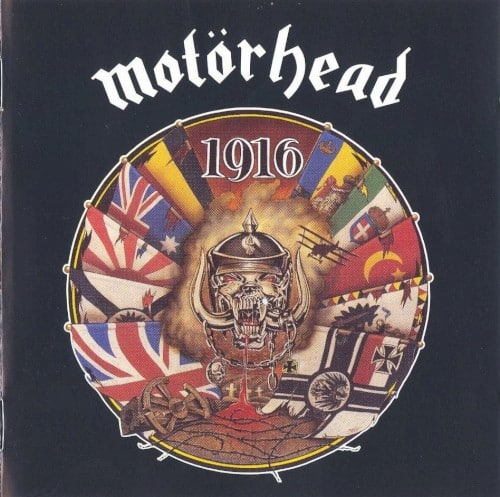
1916
1991
One of the most celebrated records of Motorhead’s twin guitar years.
Released nearly a decade after Robertson’s departure.
You Might Also Like
Iron Fist Motorhead: Inside the 1982 Title Track
The tour Fast Eddie Clarke exited, directly opening the door for Robertson’s arrival.
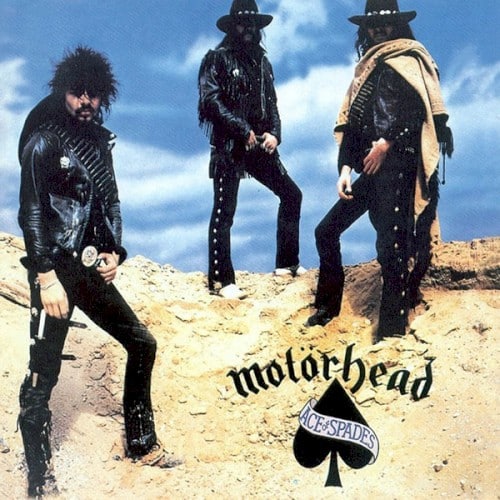
Ace of Spades Motorhead: Inside Rock’s Defining Anthem
The song Robertson famously refused to rewrite when he agreed to join the band.
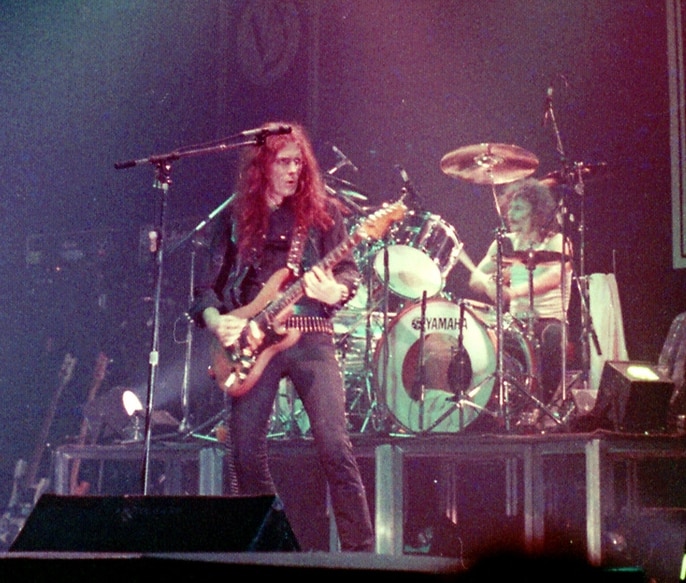
Fast Eddie Clarke: Motorhead’s Classic Era Guitarist
The guitarist Robertson directly replaced when he joined the band in 1982.
Motorhead Orgasmatron: Inside the 1986 Metal Rebirth
The album that introduced the twin guitar lineup that followed Robertson’s exit.
Brian Robertson brought real pedigree to Motorhead during a short but memorable chapter in the band’s history.
His work with Thin Lizzy alone would secure his place in rock history, but his Motorhead year adds a distinctive footnote to that legacy.
Read the full lineup history of the members of Motorhead to see how Robertson’s era fits into the band’s larger story.
As of 2026, Brian Robertson’s career remains active, spanning five decades of hard rock and heavy metal history.
Last updated: July 26, 2026