
Fast Eddie Clarke: Motorhead’s Classic Era Guitarist
Fast Eddie Clarke was the guitarist who helped define Motorhead’s classic sound during its most explosive run of albums.
Born Edward Allan Clarke on 5 October 1950 in Twickenham, Middlesex, he spent the 1970s chasing a record deal through a string of short lived bands before Motorhead changed his life.
Alongside Lemmy Kilmister and Phil “Philthy Animal” Taylor, Clarke formed one third of the band’s most celebrated lineup, playing on Motorhead, Overkill, Bomber, Ace of Spades, No Sleep ’til Hammersmith, and Iron Fist.
Fast Eddie Clarke later founded Fastway, reunited with Lemmy on stage in 2014, and remained a defining voice of British heavy metal guitar until his death in 2018.
Affiliate Disclosure: I am an Amazon affiliate and if you purchase through any amazon links on this site i may earn a small commission at no extra charge to you.
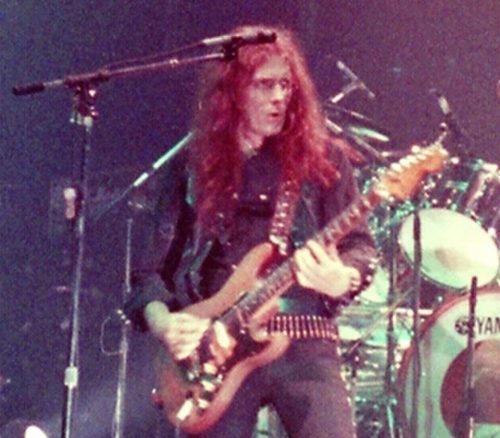
Image Credit: Photo by Andrew King, CC BY-SA 2.0, via Wikimedia Commons
📋 Table of Contents [+]
⚡ Key Takeaways
- Fast Eddie Clarke played guitar in Motorhead’s classic lineup from 1976 to 1982, alongside Lemmy and Phil Taylor.
- He appeared on six Motorhead albums, including Overkill, Bomber, and Ace of Spades.
- After leaving Motorhead, Clarke founded the band Fastway with former UFO bassist Pete Way in 1983.
- Clarke reunited with Lemmy on stage in Birmingham on 6 November 2014 to perform Ace of Spades.
- He died on 10 January 2018 at age 67 from pneumonia.
Fast Eddie Clarke’s Early Life and Musical Beginnings
Fast Eddie Clarke was born Edward Allan Clarke on 5 October 1950 in Twickenham, Middlesex, England.
He started playing guitar as a teenager and had cycled through several local bands, including one called The Bitter End, by the time he was fifteen.
Clarke later explained that his nickname had nothing to do with playing fast overall, but came from his ability to play one note in a solo really fast, a reference to his tremolo picking technique.
In 1973 he turned professional, joining Curtis Knight’s blues rock band Zeus as lead guitarist and recording The Second Coming at Olympic Studios the following year.
Through the mid 1970s he moved through short lived projects including Blue Goose and Continuous Performance, none of which secured him a lasting record deal.
How Did Fast Eddie Clarke Join Motorhead?
He met drummer Phil “Philthy Animal” Taylor while working on refitting a houseboat in the mid 1970s.
Taylor had recently joined Lemmy Kilmister‘s new band, and the connection soon brought Clarke into the fold as well.
According to Lemmy’s authorized biography White Line Fever, Clarke was actually introduced to him by a rehearsal studio receptionist named Gertie, who was involved with Clarke at the time.
Clarke rehearsed with the band at Snobs Rehearsal Studios, a converted brewery in Chelsea nicknamed the Furniture Cave, before hitting the road with Motorhead full time.
Fast Eddie Clarke and Motorhead’s Classic Lineup
The trio of Lemmy, Clarke, and Phil Taylor is widely regarded as Motorhead’s classic and most influential lineup.
Eddie played guitar on the band’s self titled debut album Motorhead, released in 1977.
He then appeared on Overkill and Bomber, both released in 1979, followed by the era defining Ace of Spades in 1980.
No Sleep ’til Hammersmith and Iron Fist rounded out his tenure, giving Fast Eddie Clarke a guitar credit on six studio and live albums during Motorhead’s rise to prominence.
💡 Did You Know?
Fast Eddie Clarke appeared on Motorhead’s 1990 release The Birthday Party, a video and album recorded in 1985, three years after he had already left the band.
What Songs Did Fast Eddie Clarke Sing Lead Vocals On?
Eddie Clarke sang lead vocals on a small number of Motorhead tracks despite claiming he hated singing.
He traded vocals with Lemmy on Beer Drinkers and Hell Raisers and dueted with him on I’m Your Witchdoctor.
Clarke also sang lead on Step Down and on Emergency, a B-side track from the St. Valentine’s Day Massacre EP recorded with Girlschool under the combined name Headgirl.
These vocal turns remain a lesser known but distinctive part of Fast Eddie Clarke’s contribution to the band.
Why Did Fast Eddie Clarke Leave Motorhead?
Fast Eddie left Motorhead in 1982 while the band was on tour in the United States.
He had grown unhappy with the results of the Iron Fist album, and sessions involving a cover swap with punk band the Plasmatics for the Stand By Your Man EP proved to be the final strain.
Clarke later disputed the official account, telling biographer Joel McIver that Phil Taylor was the main instigator behind his exclusion and that he never considered it his own choice to leave.
He was replaced by former Thin Lizzy guitarist Brian Robertson, and Clarke’s final performance with the band took place at the New York Palladium on 14 May 1982.
Fast Eddie Clarke and the Formation of Fastway
After leaving Motorhead, he teamed up with former UFO bassist Pete Way to form a new band.
They combined their names to create Fastway, with Clash drummer Topper Headon briefly filling in during early rehearsals.
A demo tape from an unknown singer named Dave King impressed Clarke enough that he personally financed King’s trip to London for an audition.
King became Fastway’s vocalist, former Humble Pie member Jerry Shirley joined on drums, and the band signed to CBS Records even after Pete Way departed just before the deal closed.
Fastway’s Studio Albums and Lineup Changes
Fastway released its self titled debut album in 1983, followed by All Fired Up in 1984.
The band recorded Waiting for the Roar at Abbey Road Studios with producer Terry Manning in 1986, the same year Fastway contributed the title track and two other songs to the horror film Trick or Treat.
On Target followed in 1988, featuring keyboardist Don Airey and bassist Neil Murray as guest contributors.
Fastway continued through numerous lineup changes into the 1990s, with guests including Biff Byford and Nigel Glockler of Saxon and Kim McAuliffe of Girlschool passing through its ranks.
Clarke’s Solo Career and Later Projects
Fast Eddie released his solo album It Ain’t Over Till It’s Over in 1994, blending his Motorhead and Fastway styles.
Lemmy contributed to the record by writing and singing the track Laugh at the Devil, a rare studio reunion between the two former bandmates.
The 2007 release Fast Eddie Clarke Anthology collected highlights from across his career and coincided with a reformed Fastway appearing at that year’s Download Festival.
In 2014 Clarke returned to his blues roots with Make My Day: Back To Blues, a collaboration with Shakatak keyboardist Bill Sharpe.
💡 Did You Know?
In 2008, Fast Eddie Clarke played lead guitar on Girlschool’s re-recorded cover of Motorhead’s own song Metropolis, featured on their album Legacy.
Fast Eddie Clarke’s 2014 Reunion With Lemmy
He reunited with Lemmy Kilmister on 6 November 2014 at the National Indoor Arena in Birmingham.
The pair performed Ace of Spades together on stage, more than three decades after Clarke had left the band.
Drummer Phil Taylor also joined the reunion, briefly reassembling three quarters of the classic Motorhead sound in one place.
It stood as one of the last public reunions between Clarke and Lemmy before both men died within a few years of each other.
Fast Eddie Clarke’s Guitar Style and Legacy
Fast Eddie’s playing combined blues rock phrasing with a raw, high speed attack that helped define the sound of early British heavy metal.
His tremolo picking technique, the source of his nickname, gave his lead lines a distinctive buzzing intensity still cited by guitarists today.
Clarke also holds the guest appearance credit on Live at Brixton Academy, playing on No Class, The Chase Is Better Than the Catch, and Overkill during a 2000 reunion show later released in 2003.
Of Motorhead’s classic lineup, Clarke was the last surviving member at the time of his own death, having outlived both Lemmy and Phil Taylor.
💡 Did You Know?
Fast Eddie Clarke was interviewed and played guitar on the 2004 DVD Classic Albums: Ace of Spades, a documentary celebrating the making of the 1980 record.
How Did Fast Eddie Clarke Die?
Fast Eddie Clarke died on 10 January 2018 at age 67 in a London hospital.
He had been receiving treatment for pneumonia at the time of his death.
Tributes poured in from across the rock world, with The Guardian publishing an obituary calling him a rock and roll revivalist who made Motorhead motor.
His death left Phil Campbell and Mikkey Dee as the only surviving guitarists and drummers to have anchored Motorhead’s long history alongside Lemmy.
People Also Ask
Why is he called Fast Eddie Clarke?
Fast Eddie Clarke earned his nickname not from playing fast overall, but from his ability to play a single note in a guitar solo extremely quickly using tremolo picking.
He explained the origin himself in a Motorhead Best Of CD booklet interview, dismissing any other explanation for the name.
How long was Fast Eddie Clarke in Motorhead?
Fast Eddie Clarke played guitar in Motorhead from the mid 1970s until 1982, appearing on six albums including Overkill, Bomber, and Ace of Spades.
He was part of the band’s classic lineup alongside Lemmy Kilmister and Phil “Philthy Animal” Taylor.
Why did Fast Eddie Clarke leave Motorhead?
Fast Eddie Clarke left Motorhead in 1982 following his dissatisfaction with the Iron Fist album and a contentious cover song swap with the Plasmatics.
Clarke later disputed the standard account, saying drummer Phil Taylor was the main instigator behind his removal from the band.
What band did Fast Eddie Clarke form after Motorhead?
After leaving Motorhead, Fast Eddie Clarke formed Fastway in 1983 alongside former UFO bassist Pete Way and vocalist Dave King.
The band released six studio albums and toured for years, including a support run with AC/DC in the mid 1980s.
Watch Fast Eddie Clarke in Action and Shop Motorhead Albums
Affiliate Disclosure: I am an Amazon affiliate and if you purchase through any amazon links on this site i may earn a small commission at no extra charge to you. This helps support classicrockartists.com and allows me to keep providing deep-dive content on the legends of rock. Thank you for your support!
As an Amazon Associate, I earn from qualifying purchases.
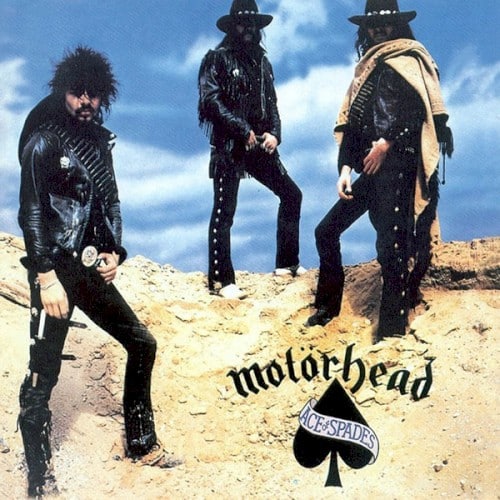
Ace of Spades
1980
The defining album of Fast Eddie Clarke’s Motorhead tenure.
Features the title track he helped write and record.
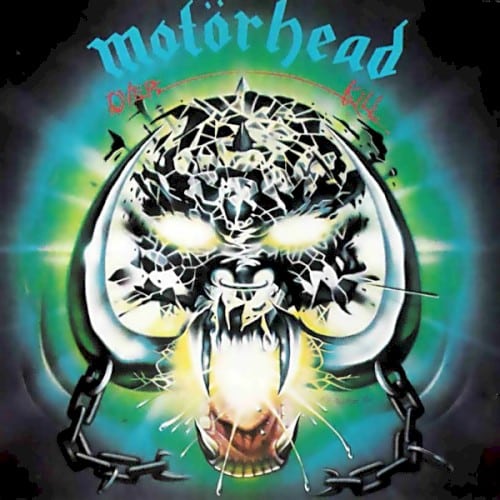
Overkill
1979
One of two albums Clarke’s band released in a single year.
A breakthrough record for the classic lineup.
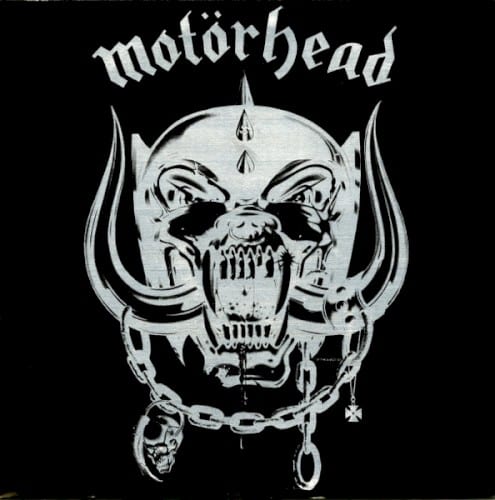
Motorhead
1977
The debut album that introduced the classic lineup.
Debuted the Snaggletooth logo still used today.
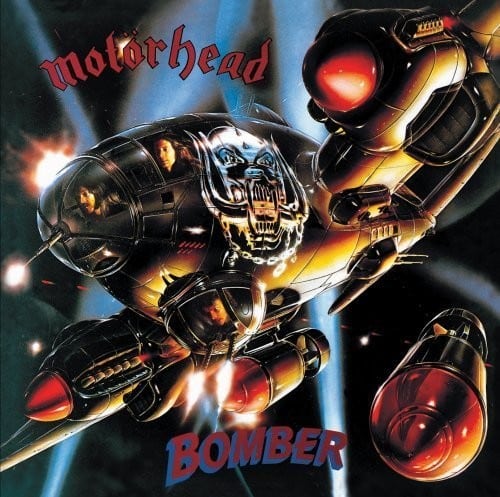
Bomber
1979
Released the same year as Overkill.
Showed the classic lineup’s rapid creative pace.
You Might Also Like
Ace of Spades Motorhead: Inside Rock’s Defining Anthem
The song Fast Eddie Clarke returned to the stage to play in 2014, decades after helping write it.
Motorhead Debut Album: The Chaotic Birth of a Legend
The 1977 record that introduced Clarke’s guitar work to the world.
Motorhead Overkill: The 1979 Breakthrough
One of two albums the classic lineup released within the same year.
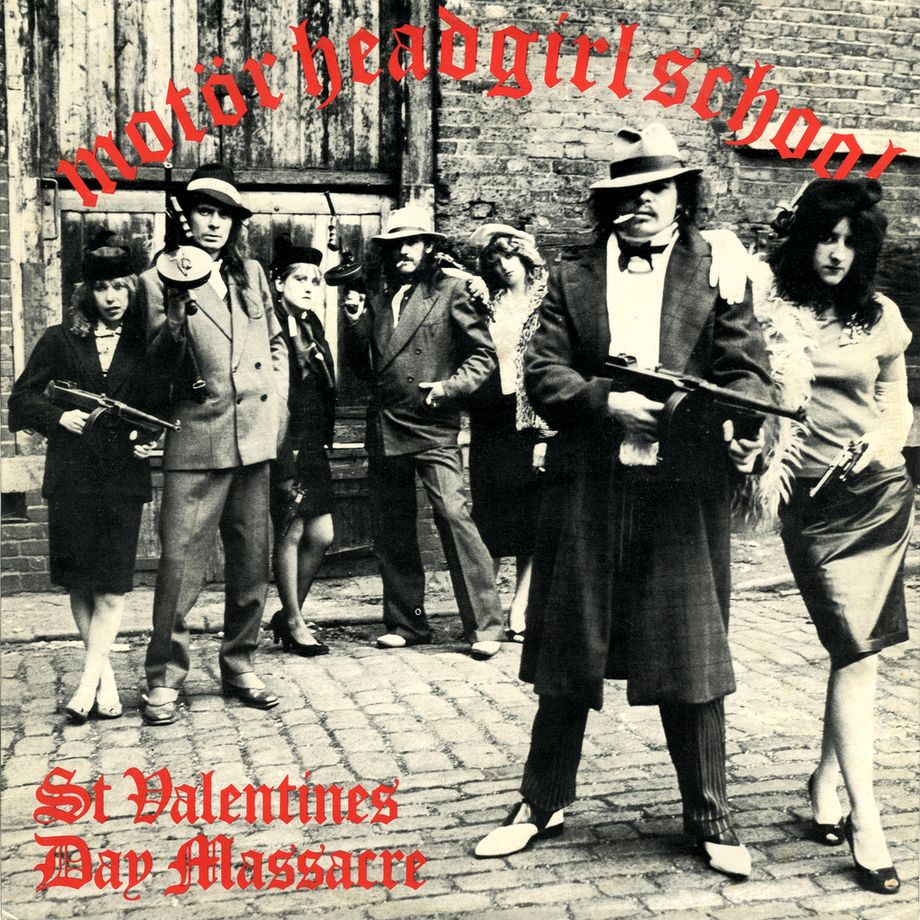
Please Don’t Touch: Motorhead and Girlschool’s Headgirl Team-Up
The EP that features Emergency, one of Clarke’s rare lead vocal turns.
Fast Eddie Clarke helped forge the sound that turned Motorhead into a genuine heavy metal institution.
His work on Ace of Spades alone secured his place in rock history, but his full catalog runs far deeper than that one song.
Read the full lineup history of the members of Motorhead to see how Fast Eddie Clarke’s era fits into the band’s larger story.
As of 2026, Fast Eddie Clarke remains one of the most respected and influential guitarists to ever play in Motorhead.
Last updated: July 25, 2026