
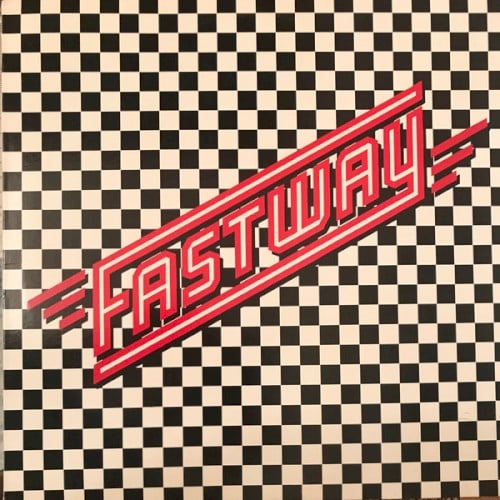
Fastway Album Review: Inside the 1983 Debut Record
The Fastway album is the 1983 debut studio record that gave former Motorhead guitarist Fast Eddie Clarke his post-Motorhead identity.
Columbia Records released it in April 1983, produced by Eddie Kramer at Marcus Music and Maison Rouge Studios in London.
The record reached number 31 on the Billboard 200, Clarke’s first chart success outside Motorhead.
Affiliate Disclosure: I am an Amazon affiliate and if you purchase through any amazon links on this site i may earn a small commission at no extra charge to you.
📋 Table of Contents [+]
⚡ Key Takeaways
- The Fastway album is the band’s self titled 1983 debut, released through Columbia Records in April of that year.
- Fast Eddie Clarke formed Fastway immediately after leaving Motorhead in 1982, teaming with former UFO bassist Pete Way.
- Way exited before recording began, and an uncredited session bassist filled in on the finished album.
- The Fastway album reached number 31 on the Billboard 200 and number 43 on the UK Albums Chart.
- The single Say What You Will became one of the album’s three singles alongside We Become One and Easy Livin’.
What Is the Fastway Album About?
The Fastway album is a hard rock record built on bluesy riffs and straightforward songwriting, a deliberate departure from the speed of Motorhead.
Ten tracks run 41 minutes and 58 seconds, drawing comparisons to Led Zeppelin and AC/DC rather than the punk-fueled metal Clarke had just left behind.
Vocalist Dave King’s bluesy delivery and harmonica work gave the songs a swagger closer to classic rock than to New Wave of British Heavy Metal contemporaries.
The result is Fastway sounding like a guitarist proving he could write outside Motorhead’s shadow.
Who Recorded the Fastway Album?
Fast Eddie Clarke played all guitar parts and co-founded the band immediately after his 1982 exit from Motorhead.
Irish singer Dave King handled lead vocals and harmonica, while former Humble Pie drummer Jerry Shirley played drums.
Producer Eddie Kramer, known for his work with Jimi Hendrix and Led Zeppelin, produced, engineered, and arranged the record with the band.
An uncredited session bassist filled the bass chair on the finished album after founding member Pete Way departed before recording began.
Where and When Was Fastway Recorded?
Fastway recorded its debut album at Marcus Music and Maison Rouge Studios in London during late 1982 and early 1983.
Columbia Records released the finished album in April 1983, less than a year after Clarke left Motorhead.
The label had signed the band on the strength of Clarke and Pete Way’s reputations even after Way’s exit threatened to derail the deal.
Rock Candy Records later reissued the album with bonus tracks, including B-sides and BBC session recordings.
Why Did Pete Way Leave Before Recording?
Pete Way, the former UFO bassist who co-founded Fastway with Clarke, left the band before recording began on the debut album.
Way discovered he could not break his existing recording contract with Chrysalis Records, the label tied to his prior band.
He then received an offer to play with Ozzy Osbourne, and chose to leave Fastway before ever recording a note with the group.
Way later founded his own band, Waysted, while Fastway moved forward with an uncredited session bassist for the debut record.
What Songs Are on the Fastway Album Tracklist?
The Fastway album opens with Easy Livin’, Feel Me Touch Me, All I Need Is Your Love, Another Day, and Heft on its first side.
Side two runs We Become One, Give It All You Got, Say What You Will, You Got Me Runnin’, and Give It Some Action.
Far Far from Home appeared as a bonus track on early vinyl pressings and the CD edition, though later reissues sometimes dropped it.
All eleven tracks carry a Fastway writing credit, split evenly across the two sides of the original vinyl.
Why Is Say What You Will a Key Track on Fastway?
Say What You Will stands as one of three singles pulled from the album, alongside We Become One and Easy Livin’.
The song’s music video received airplay on rock television programs following the album’s release in 1983.
It captures the bluesy, mid-tempo hard rock direction Clarke chose over Motorhead’s relentless speed.
The band later used the song’s title for a 1991 live album, Say What You Will Live, drawn from an older recording with Dave King on vocals.
Did the Fastway Album Chart?
The Fastway album reached number 31 on the Billboard 200 in the United States, a strong debut for a brand new band.
The record also peaked at number 43 on the UK Albums Chart in April 1983.
In Canada, the album climbed to number 70 on the national albums chart.
The chart run gave Clarke his first commercial success as a bandleader, separate from his years in Motorhead.
What Did Critics Say About the Fastway Album?
Critics have split sharply over the Fastway album since its 1983 release.
AllMusic rated the record 2.5 out of 5 stars, a lukewarm assessment of its blues-based hard rock approach.
Martin Popoff’s Collector’s Guide to Heavy Metal took the opposite view, awarding the album a perfect 10 out of 10 score.
Loudersound’s retrospective review called it just about enough charm to pass muster, noting the album falls short of classic status four decades on.
How Does Fastway Compare to Fast Eddie Clarke’s Motorhead Work?
The Fastway album sounds nothing like the speed and aggression Clarke brought to Iron Fist and the rest of his Motorhead catalog.
Where Motorhead built songs around relentless tempo, Fastway leaned into groove, blues phrasing, and King’s harmonica breaks.
Clarke’s guitar tone stayed recognizably his own, but the songwriting gave him room he never had inside Motorhead’s three piece format.
Brian Robertson, who replaced Clarke in Motorhead just weeks after his exit, took the band in yet another direction entirely.
Why Does the Fastway Album Still Matter?
The Fastway album still matters because it proved Fast Eddie Clarke could build a second identity outside Motorhead within a year of leaving the band.
Its chart success on both sides of the Atlantic gave Clarke a career that outlasted his three piece years with Lemmy Kilmister.
As of 2026, the record stands as the clearest document of Clarke’s post-Motorhead songwriting instincts.
The Fastway album remains essential listening for anyone tracing Clarke’s path after Motorhead.
People Also Ask
Who was in the band Fastway?
Fastway’s debut lineup was Fast Eddie Clarke on guitar, Dave King on vocals and harmonica, and Jerry Shirley on drums, with an uncredited session bassist completing the 1983 recording.
Founding bassist Pete Way of UFO left before recording began, having co-founded the band with Clarke in 1982.
Did the Fastway album chart well?
Yes, the Fastway album reached number 31 on the Billboard 200 in the United States and number 43 on the UK Albums Chart following its April 1983 release.
It also charted at number 70 in Canada, giving the band a genuine international commercial debut.
Why did Fast Eddie Clarke form Fastway?
Fast Eddie Clarke formed Fastway immediately after leaving Motorhead in 1982, teaming up with former UFO bassist Pete Way to build a new band for Columbia Records.
The two combined their names to create Fastway, though Way departed before the band ever recorded together.
Watch the Official Video and Shop Related Albums
Affiliate Disclosure: I am an Amazon affiliate and if you purchase through any amazon links on this site i may earn a small commission at no extra charge to you. This helps support classicrockartists.com and allows me to keep providing deep-dive content on the legends of rock. Thank you for your support!
As an Amazon Associate, I earn from qualifying purchases.
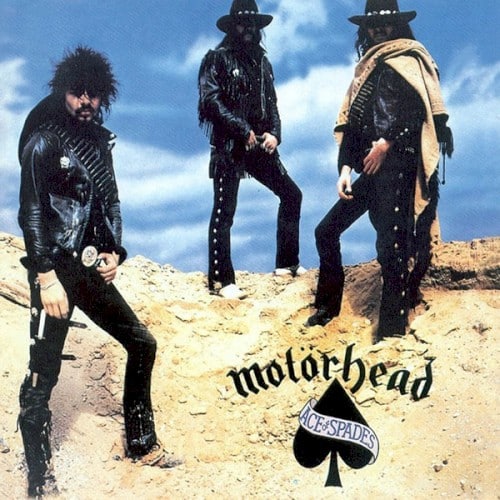
Ace of Spades
1980, 50th Anniversary 2 CD Edition
The Clarke era Motorhead album Fastway left behind.
Recorded three years before Fastway’s debut.
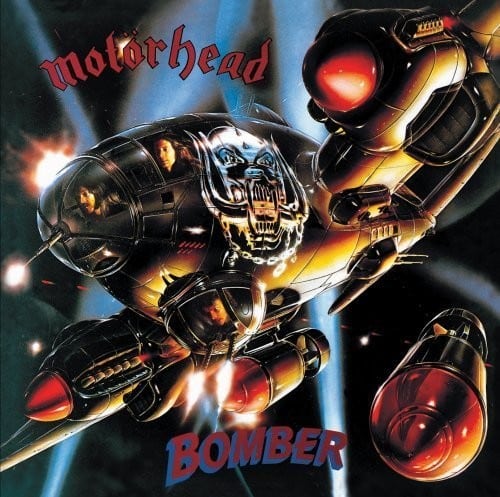
Bomber
1979, 50th Anniversary Edition
An early Clarke era Motorhead record.
Shows the speed Clarke set aside for Fastway.
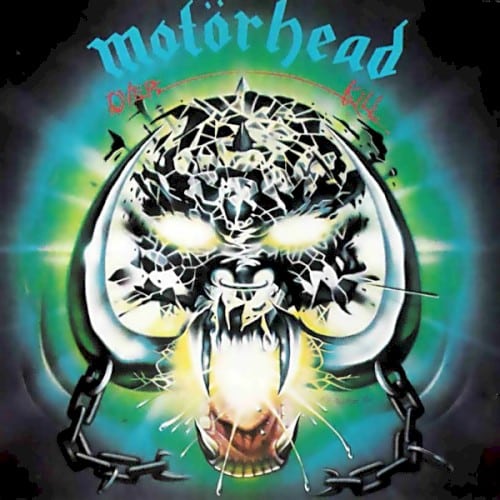
Overkill
1979
The album that established Clarke’s twin-guitar attack style.
Four years before Fastway’s debut.

No Sleep ’til Hammersmith
1981, 40th Anniversary Deluxe Edition
Captures Clarke’s Motorhead guitar work live.
Recorded two years before he formed Fastway.
You Might Also Like
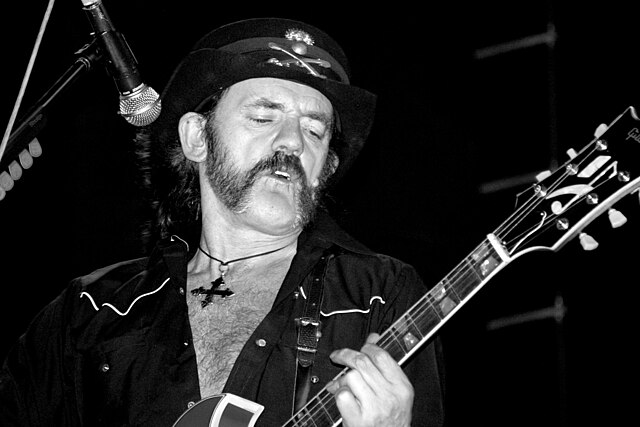
Lemmy Kilmister Biography: Motorhead Legacy & Rock Icon
The bandmate Clarke left behind when he formed Fastway.
Motorhead Overkill: The Album That Started It All
Clarke’s twin-guitar attack style four years before Fastway.
Bomber Motorhead: Inside the Song
A Clarke era Motorhead classic recorded four years before Fastway.
Stay Clean Motorhead: Inside the Song
Another Clarke era Motorhead track from the classic three piece years.
The Fastway album gave Fast Eddie Clarke a second identity within a year of leaving Motorhead.
As of 2026, the record stands as proof Clarke could write hits outside the band that first made him famous.
Read the complete story of the members of Motorhead to see where the rest of Clarke’s former bandmates went after his 1982 departure.
Last updated: July 28, 2026