

Hotel California by the Eagles: The Definitive 1976 Rock Masterpiece
Hotel California stands as the Eagles’ magnum opus, a 1976 masterwork that defined an era and continues to captivate listeners nearly five decades later. The album seamlessly blends country-rock foundations with sophisticated production, introspective lyrics, and guitar work that has become the gold standard for rock excellence. From the haunting title track to the propulsive “New Kid in Town,” every song demonstrates the band’s evolution into one of rock’s most polished and compelling acts.
🎸 Key Takeaways
- Timeless Classic: Hotel California is the Eagles’ fifth studio album and their best-selling studio release, with over 26 million copies sold in the US alone.
- Chart Dominance: The album spent eight weeks at number one on the Billboard 200 and produced two number one singles.
- Grammy Winner: Won the 1978 Grammy Award for Record of the Year for the title track, cementing its place in rock history.
- Musical Evolution: Marked the Eagles’ shift toward more sophisticated, rock-oriented arrangements while maintaining their signature harmonies.
- Cultural Impact: The title track’s mysterious lyrics and iconic dual guitar solo have inspired countless interpretations and remain endlessly debated.
- Critical Acclaim: Universally praised upon release and consistently ranked among the greatest albums of all time by Rolling Stone, VH1, and other major publications.
Hotel California
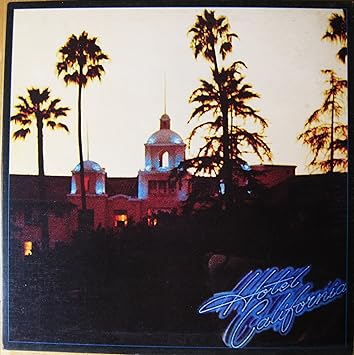
Experience the legendary album that defined 1970s rock
📋 Table of Contents
- Album Overview and Context
- Track-by-Track Analysis
- Musical Style and Composition
- Lyrical Themes and Meaning
- Recording and Production
- Commercial Performance and Chart Success
- Critical Reception and Reviews
- Legacy and Cultural Impact
- Production Credits and Album Personnel
- Similar Albums You’ll Love
- Frequently Asked Questions
Album Overview and Context
By 1976, the Eagles had already established themselves as one of America’s premier rock bands, but Hotel California represented their most ambitious artistic statement yet. Released on December 8, 1976, the album arrived at a pivotal moment in rock history, as the genre was fragmenting into punk, disco, and arena rock. The Eagles chose their own path, creating a sophisticated sound that acknowledged their country-rock roots while embracing a harder, more guitar-driven approach.
The album marked several significant transitions for the band. Most notably, it was the first Eagles album to feature guitarist Joe Walsh, who had joined in late 1975 following the departure of founding member Bernie Leadon. Walsh’s harder-edged rock sensibility, honed during his time with the James Gang and his solo career, provided a perfect counterpoint to Don Felder’s precision and Glenn Frey’s rhythm work. This triple-guitar attack would become one of the album’s defining characteristics.
Recording took place at Criteria Studios in Miami and the Record Plant in Los Angeles over an eight-month period, with producers Bill Szymczyk overseeing sessions that were notoriously meticulous. The band members were perfectionists, often recording dozens of takes to achieve the exact sound they envisioned. This attention to detail paid off, as the resulting album showcased a level of production sophistication that set new standards for rock recording.
The album’s themes reflected the band’s complex relationship with fame, excess, and the music industry. Having experienced tremendous success with their previous albums, particularly 1975’s One of These Nights, the Eagles were now insiders in the Los Angeles music scene. This insider perspective informed much of the album’s lyrical content, which explored disillusionment, materialism, and the dark underbelly of the California dream.
Track-by-Track Analysis
Complete Track Listing
Musical Style and Composition
Hotel California represents the Eagles’ most successful integration of diverse musical influences. The album draws from country-rock, hard rock, folk, and even classical music, creating a sophisticated sound that transcends simple genre categorization. This eclecticism reflects the varied backgrounds and influences of the band members, each bringing distinct elements to the collective sound.
The guitar work stands as one of the album’s defining characteristics. With three accomplished guitarists, Don Felder, Joe Walsh, and Glenn Frey, the Eagles created rich, layered guitar textures that ranged from delicate acoustic fingerpicking to scorching electric solos. The triple-guitar arrangement allowed for complex interplay, with rhythm parts, melodic counterpoint, and lead work all functioning simultaneously. This approach reached its zenith in the title track’s legendary dual guitar solo, where Felder and Walsh trade phrases in a conversation that has become one of rock’s most studied and celebrated moments.
Vocally, the album showcases the Eagles’ signature tight harmonies while also highlighting the individual strengths of different lead singers. Don Henley’s powerful, emotion-laden delivery dominates much of the album, bringing intensity to rockers like “Life in the Fast Lane” and vulnerability to ballads like “Wasted Time.” Glenn Frey’s smoother, more conversational approach shines on “New Kid in Town,” while Joe Walsh and Randy Meisner each contribute lead vocals that add variety and depth to the album’s sonic palette.
The rhythm section of bassist Randy Meisner and drummer Don Henley provided a rock-solid foundation that could shift seamlessly from gentle ballads to hard-charging rockers. Henley’s drumming, in particular, demonstrated sophistication and restraint, never overplaying but always serving the song. His ability to function as both drummer and lead vocalist set him apart from most rock drummers of the era and contributed to the band’s unique sound.
Production-wise, the album set new standards for clarity and detail in rock recording. Producer Bill Szymczyk worked with the band to create a sound that was both powerful and nuanced, with every instrument occupying its own sonic space. The use of dynamics, from whisper-quiet passages to full-band crescendos, gave the music dramatic range and kept listeners engaged across the album’s 43-minute runtime. This attention to production detail influenced countless rock albums that followed.
Instrumental Excellence
The instrumental performances on Hotel California consistently exceed expectations, with each musician contributing memorable moments. Don Felder’s 12-string acoustic guitar work on the title track creates one of rock’s most recognizable introductions, while his electric guitar solos demonstrate both technical prowess and melodic sensibility. His background in classical guitar occasionally surfaces in the precise, almost baroque quality of some passages.
Joe Walsh brought a grittier, blues-influenced approach that perfectly complemented Felder’s precision. His slide guitar work and aggressive rhythm playing added edge and unpredictability to the Eagles’ sound. Walsh’s guitar tone, characterized by a slightly distorted, biting quality, became an integral part of the album’s harder moments, particularly on “Life in the Fast Lane.”
Beyond guitars, the album features tasteful keyboard work that adds color without dominating. The piano parts on “Wasted Time” and other tracks provide harmonic foundation and emotional resonance. The orchestral arrangements, particularly on “Wasted Time (Reprise),” demonstrate the band’s willingness to incorporate non-rock instrumentation when it served the music.
Lyrical Themes and Meaning
The lyrical content of Hotel California marks a significant departure from the Eagles’ earlier, more straightforward country-rock narratives. The album presents a complex, often dark examination of success, excess, and the American dream’s corruption. Don Henley and Glenn Frey, the primary lyricists, crafted words that function on multiple levels, inviting interpretation while maintaining concrete imagery and emotional truth.
The title track’s lyrics have spawned endless debate and interpretation. On the surface, they describe a traveler’s experience at a luxury hotel in California, but the imagery quickly becomes surreal and threatening. References to “colitas,” often interpreted as marijuana buds, “pink champagne on ice,” and people stabbing at “the beast” with “their steely knives” create an atmosphere of decadence and danger. The famous closing lines, “You can check out any time you like, but you can never leave,” have been interpreted variously as comments on addiction, the music industry, materialism, or even Satanism, though the band has consistently stated the song is about excess in American society and the dark side of the California dream.
“New Kid in Town” addresses fame’s transitory nature with a bittersweet wisdom born of experience. The lyrics acknowledge the inevitable replacement that comes with success in the entertainment industry: “There’s talk on the street, it sounds so familiar; Great expectations, everybody’s watching you.” This theme resonated personally with a band that had experienced both the rush of breakthrough success and the pressure to maintain relevance.
“Life in the Fast Lane” delivers a more direct critique of excessive living, drawing from real experiences in the Los Angeles rock scene. The lyrics chronicle a couple’s descent into drug use and reckless behavior with dark humor: “They knew all the right people, they took all the right pills; They threw outrageous parties, they paid heavily the bills.” The song serves as both celebration and warning, capturing the seductive appeal of the lifestyle while acknowledging its destructive consequences.
Environmental and social consciousness emerge most explicitly in “The Last Resort,” which delivers a passionate indictment of overdevelopment and environmental destruction. The lyrics trace American history from the pilgrims’ arrival through westward expansion to California’s development, showing how each generation fled problems only to recreate them in new locations: “You call someplace paradise, kiss it goodbye.” This ecological consciousness was relatively rare in mainstream rock of the 1970s, demonstrating the Eagles’ willingness to address serious social issues.
Relationship dynamics and romantic disillusionment also feature prominently. “Wasted Time” explores the aftermath of a failed relationship with raw honesty, examining how people can lose themselves in relationships that ultimately prove unfulfilling. “Try and Love Again” offers a more hopeful perspective, acknowledging past pain while expressing openness to future connection. These more intimate, personal songs balance the album’s broader social critiques.
Literary Quality and Imagery
The songwriting on Hotel California demonstrates literary ambition unusual for rock music. The lyrics employ vivid imagery, metaphor, and narrative structure to create songs that reward close attention and repeated listening. Lines like “Her mind is Tiffany-twisted, she got the Mercedes bends” pack multiple meanings into clever wordplay, while “warm smell of colitas, rising up through the air” creates sensory details that transport listeners into the scene.
The band drew inspiration from diverse sources, including literature, film noir, and their own experiences in the music industry. This eclecticism resulted in lyrics that feel both specific and universal, grounded in particular times and places while addressing timeless human concerns about meaning, connection, and the cost of success.
Recording and Production
The recording of Hotel California took place over eight months in 1976, primarily at Criteria Studios in Miami and the Record Plant in Los Angeles. Producer Bill Szymczyk, who had worked with the Eagles on their previous two albums, oversaw sessions characterized by meticulous attention to detail and numerous takes to achieve perfection.
The band’s perfectionist approach meant that songs evolved significantly during the recording process. The title track, for instance, underwent extensive development, with Don Felder’s original demo evolving through collaboration with Henley and Frey into the final version. The famous guitar solo section alone required multiple sessions to perfect, with Felder and Walsh carefully crafting their interweaving parts to create the seamless conversation that became iconic.
Technical innovations and high-end equipment contributed to the album’s exceptional sound quality. The use of then-state-of-the-art recording technology, including advanced mixing consoles and effects processing, allowed for unprecedented clarity and separation of instruments. Szymczyk’s experience and technical knowledge enabled the band to realize their sonic vision, creating a recording that still sounds fresh and powerful decades later.
The inclusion of orchestral elements, particularly on “Wasted Time (Reprise),” required collaboration with arranger Jim Ed Norman and orchestra musicians, expanding the album’s sonic palette beyond typical rock instrumentation. These sessions demanded additional time and budget but resulted in moments that enhanced the album’s emotional impact and artistic scope.
Mixing the album proved as crucial as the recording itself. Szymczyk and the band spent considerable time balancing elements, ensuring that vocals remained clear and present while guitars, bass, and drums all had their space in the sonic landscape. The final mixes achieved a rare combination of power and delicacy, allowing quiet moments to breathe while ensuring louder sections hit with maximum impact.
Studio Challenges and Creative Tensions
The lengthy recording process created both creative breakthroughs and interpersonal tensions. Band members have acknowledged that the pressure to follow up their previous successes, combined with the time-consuming pursuit of perfection, led to conflicts and stress. Don Felder and Glenn Frey, in particular, experienced growing friction that would eventually contribute to the band’s breakup.
Despite these challenges, or perhaps because of them, the album achieved a level of polish and sophistication that set it apart. The creative tension pushed everyone to elevate their contributions, resulting in performances that represented each member at their peak. The album stands as proof that difficult creative processes can yield extraordinary results, even as they exact personal costs from the artists involved.
Commercial Performance and Chart Success
Hotel California achieved massive commercial success that exceeded even the Eagles’ previous achievements. The album entered the Billboard 200 at number four in January 1977 and reached number one by late January, where it remained for eight non-consecutive weeks. It stayed on the charts for over two years, demonstrating extraordinary longevity and consistent sales.
In terms of certifications, the album’s success is staggering. The RIAA certified it platinum shortly after release, and it has since achieved 26-times platinum status in the United States, representing over 26 million copies sold. Globally, sales estimates exceed 32 million copies, making it one of the best-selling albums in history. Only the Eagles’ own compilation album, Their Greatest Hits (1971-1975), has sold more copies in the United States.
The singles released from the album performed exceptionally well on the charts. “New Kid in Town” reached number one on the Billboard Hot 100 in February 1977, becoming the band’s third chart-topping single. “Hotel California” followed suit, also reaching number one in May 1977, while “Life in the Fast Lane” peaked at number 11. The success of multiple singles helped maintain the album’s chart presence and introduced the Eagles to audiences who might not have purchased the full album based on radio play alone.
Internationally, the album achieved similar success, topping charts in Australia, Canada, and New Zealand while reaching high positions throughout Europe and Asia. This global reach demonstrated that the Eagles’ music transcended American cultural boundaries, resonating with audiences worldwide who connected with the universal themes of excess, disillusionment, and the search for meaning.
The album’s sales success translated into significant financial rewards for the band members and their record label, Asylum Records. The revenue generated helped establish the Eagles as one of the music industry’s top commercial draws, commanding higher fees for concerts and exerting greater control over their artistic direction. This commercial clout would influence the industry, demonstrating that sophisticated, album-oriented rock could achieve mainstream success on par with more immediately accessible pop music.
Concert Tours and Live Performance
To support the album, the Eagles embarked on extensive touring throughout 1977 and into 1978. The Hotel California tour featured elaborate staging and lighting designed to recreate the album’s cinematic quality in a live setting. The shows typically ran over two hours, with the band performing the entire new album alongside hits from their previous releases.
Live performances of the title track became concert highlights, with the dual guitar solo often extended beyond the album version, allowing Felder and Walsh to improvise and showcase their chemistry. These performances cemented the song’s status as a classic rock staple and demonstrated the band’s ability to deliver studio precision in a live environment. Bootleg recordings from the tour reveal a band at the peak of its powers, tight yet energetic, polished yet passionate.
The tour’s success further boosted album sales, creating a virtuous cycle where radio play drove concert attendance, which in turn drove album purchases. This pattern established the Eagles as one of the era’s premier live acts, capable of selling out the largest venues in North America and Europe. The combination of commercial and critical success from both the album and the tour solidified the Eagles’ position atop the rock hierarchy.
Critical Reception and Reviews
Upon its release, Hotel California received widespread critical acclaim, though some reviewers expressed reservations about its polished production and lyrical ambiguity. Rolling Stone’s original review praised the album’s musical sophistication while noting its darker lyrical turn, calling it “the Eagles’ most ambitious work to date.” Critics generally recognized that the band had evolved beyond simple country-rock into a more complex, harder-edged sound.
The album’s production quality earned particular praise. Reviewers noted the clarity of the recording, the balance between instruments, and the effective use of dynamics. Many critics highlighted the guitar work as exceptional, with the title track’s solo receiving special mention as one of rock’s finest moments. The integration of orchestral elements on tracks like “Wasted Time (Reprise)” demonstrated artistic ambition that impressed critics who might have dismissed the Eagles as merely commercial.
Some critics questioned whether the album’s lyrical content matched its musical sophistication. The enigmatic nature of the title track’s lyrics particularly divided opinion, with some praising the mystery and interpretive possibilities while others felt it represented pretension or unclear thinking. These debates about meaning and intent continue today, suggesting that the ambiguity serves the music well by keeping it alive in public consciousness.
The album won the Grammy Award for Record of the Year in 1978 for the title track, a significant achievement that validated the Eagles’ artistic evolution and commercial success. This recognition from the music industry establishment confirmed that Hotel California represented more than just commercial product; it achieved the status of art worthy of serious consideration and acclaim.
Over time, critical appreciation has only grown. Contemporary reviews and retrospective assessments consistently rank Hotel California among the greatest rock albums of all time. Rolling Stone included it in their “500 Greatest Albums of All Time” list, while VH1, Classic Rock magazine, and numerous other publications have honored it similarly. The album’s reputation has benefited from the passage of time, which has allowed its themes about excess and environmental destruction to resonate even more powerfully than they did upon release.
Evolution of Critical Perspective
Early reviews occasionally dismissed the Eagles as overly slick or commercially calculated. This criticism has largely faded as musical tastes have evolved and the album’s craftsmanship is better appreciated in an era of digital production and auto-tuning. What once seemed like excessive polish now appears as dedicated artistry, with the band’s perfectionism yielding dividends that continue to reward listeners decades later.
Academic and scholarly attention has also increased, with musicologists and cultural critics examining the album’s place in American culture and its commentary on 1970s society. These analyses have elevated Hotel California beyond mere entertainment, recognizing it as a cultural artifact that captures important aspects of its era while addressing timeless human concerns. The album serves as both period piece and timeless statement, a rare achievement that explains its enduring relevance.
Legacy and Cultural Impact
The cultural impact of Hotel California extends far beyond its commercial success and critical acclaim. The album has become deeply embedded in popular culture, with the title track in particular achieving iconic status that transcends the music itself. References to “Hotel California” appear in films, television shows, books, and everyday conversation, often used to describe situations from which escape proves impossible or experiences that initially seem appealing but reveal darker aspects.
The album’s influence on subsequent rock music is immeasurable. The sophisticated production set new standards that countless bands and producers tried to emulate. The guitar work, especially the interplay between Felder and Walsh on the title track’s solo, became a masterclass studied by aspiring guitarists worldwide. Music schools and guitar instructors regularly use the album’s tracks as teaching tools, analyzing the arrangements, performances, and production techniques.
Influence on Future Artists and Genres
Artists across multiple generations have cited Hotel California as influential. Country-rock acts that followed, from Poco to the Dixie Chicks, acknowledged the Eagles’ role in legitimizing the genre and demonstrating its commercial viability. More hard-rock oriented bands appreciated the heavier direction the Eagles took with Walsh’s addition, while singer-songwriters valued the album’s lyrical depth and emotional honesty.
The album’s impact reached beyond rock into other genres. Country artists began incorporating more rock instrumentation and production techniques, partly inspired by the Eagles’ success in blending the two styles. Pop producers took note of the album’s polished sound, using it as a benchmark for clarity and sonic quality in their own work. Even hip-hop artists have sampled or referenced the Eagles’ music, demonstrating the album’s cross-generational and cross-genre appeal.
Cover versions and tributes abound, with artists ranging from classical guitarists to heavy metal bands offering their interpretations of the album’s songs. These covers demonstrate the music’s versatility and enduring appeal, as well as the respect the Eagles command from fellow musicians. The title track alone has been covered hundreds of times in various styles, each version highlighting different aspects of the original composition.
Retrospective Evaluations
In retrospective evaluations, critics have become even more appreciative of Hotel California. The album’s themes about environmental destruction, materialism, and the corruption of ideals seem prescient, addressing concerns that have only intensified in the decades since its release. The lyrical warnings about overdevelopment in “The Last Resort” resonate particularly strongly in an era of climate change and environmental crisis.
The album appears regularly on “greatest of all time” lists compiled by music publications, radio stations, and streaming services. Rolling Stone placed it at number 37 on their 500 Greatest Albums list in their 2020 update, while other publications have ranked it even higher. These consistent high rankings across different publications and time periods demonstrate remarkable staying power and cross-generational appeal.
The Eagles’ own complicated history, including their 1980 breakup, 1994 reunion, and continued touring into the 21st century, has only enhanced the album’s legendary status. The fact that the band could barely stand to be in the same room during parts of the recording process, yet produced such cohesive and affecting music, adds to the mythology. Glenn Frey’s death in 2016 brought renewed attention to the Eagles’ catalog, with Hotel California experiencing a sales surge as fans revisited the band’s classic work.
📢 Explore More Eagles
Dive deeper into the Eagles’ complete discography or learn about the band’s history and lineup changes, including founding member Bernie Leadon’s departure. Check out their Las Vegas residency or explore their later work like “Get Over It” from 1994.
Production Credits and Album Personnel
Band Members:
Don Henley – Drums, Percussion, Lead Vocals (“Hotel California,” “Life in the Fast Lane,” “Wasted Time,” “The Last Resort”)
Glenn Frey – Guitars, Keyboards, Lead Vocals (“New Kid in Town”), Backing Vocals
Don Felder – Guitars, Lead Vocals (“Victim of Love”), Backing Vocals
Joe Walsh – Guitars, Keyboards, Lead Vocals (“Pretty Maids All in a Row”), Backing Vocals
Randy Meisner – Bass Guitar, Lead Vocals (“Try and Love Again”), Backing Vocals
Production Team:
Bill Szymczyk – Producer, Engineer
Allan Blazek – Engineer
Ed Mashal – Engineer
Bruce Hensal – Assistant Engineer
Jim Ed Norman – String Arrangements (“Wasted Time,” “Wasted Time (Reprise)”)
Additional Musicians:
Joe Vitale – Percussion, Backing Vocals
Recording Details:
Recorded: March-October 1976
Studios: Criteria Studios (Miami, Florida); Record Plant (Los Angeles, California)
Label: Asylum Records
Released: December 8, 1976
Album Design: Kosh (John Kosh) – Album Cover Design and Art Direction
Photography: David Alexander
🎸 Similar Albums You’ll Love
If you enjoyed Hotel California, these classic rock albums offer similar vibes, musical styles, or came from the same era:
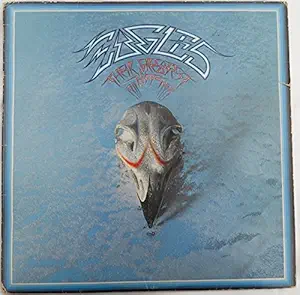
Their Greatest Hits 1971-1975
by Eagles
The companion piece to Hotel California, this compilation showcases the country-rock sound the band perfected before their harder-edged evolution. Essential listening for understanding the Eagles’ complete journey.
View on Amazon →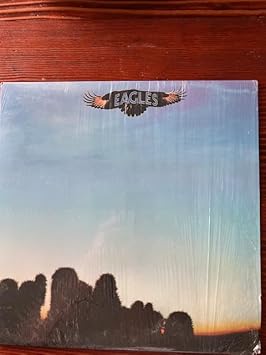
Eagles (1972)
by Eagles
The band’s debut introduces their country-rock sound with classics like “Take It Easy” and “Peaceful Easy Feeling.” Hearing where they started makes Hotel California’s evolution even more impressive.
View on Amazon →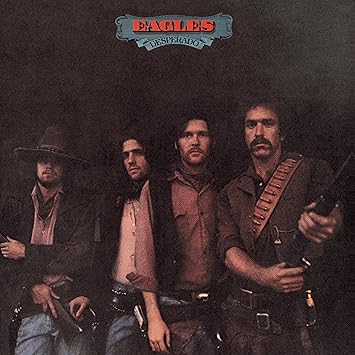
Desperado (1973)
by Eagles
A concept album built around Old West outlaw themes, Desperado showcases the band’s storytelling ambitions and features the beloved title track that became a concert staple.
View on Amazon →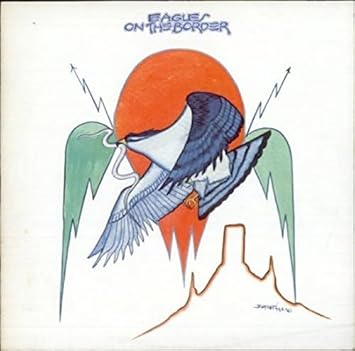
On the Border (1974)
by Eagles
Marking the beginning of the Eagles’ harder rock direction with Don Felder’s addition, this album bridges their country-rock origins and the sophisticated sound of Hotel California.
View on Amazon →
One of These Nights (1975)
by Eagles
The Eagles’ commercial breakthrough featuring their first number-one single, this album perfected the country-rock formula and set the stage for Hotel California’s artistic ambitions.
View on Amazon →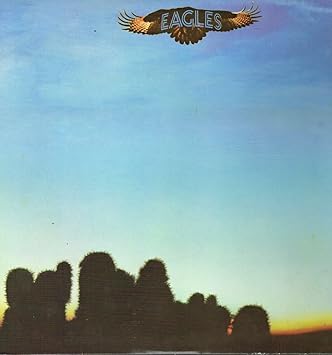
The Long Run (1979)
by Eagles
The Eagles’ challenging follow-up to Hotel California maintains the sophisticated production while exploring themes of exhaustion and disillusionment. Their final studio album before the original breakup.
View on Amazon →Frequently Asked Questions About Hotel California
Conclusion: Why Hotel California Still Matters Today
Nearly five decades after its release, Hotel California continues to captivate and inspire listeners across generations. The album’s enduring appeal stems from its rare combination of musical excellence, lyrical depth, and cultural resonance. It represents the Eagles at their creative peak, a moment when commercial success and artistic ambition aligned to produce something truly exceptional.
The themes explored throughout the album, from environmental destruction to the emptiness of materialism, have only become more relevant with time. The warnings in “The Last Resort” about overdevelopment and environmental degradation resonate powerfully in an era of climate crisis, while the critiques of excess and addiction in “Life in the Fast Lane” and the title track speak to ongoing struggles with consumption and substance abuse in American culture.
Musically, the album set standards that few have matched. The guitar work, particularly the iconic dual solo in the title track, remains a masterclass in rock instrumentation. The sophisticated production, tight harmonies, and seamless integration of diverse musical influences created a template that influenced countless artists across multiple genres. The album proved that rock music could be both commercially successful and artistically ambitious, accessible yet complex, polished yet passionate.
For new listeners discovering the Eagles for the first time, Hotel California serves as the perfect entry point, showcasing the band’s strengths while telling a cohesive story about America in the 1970s. For longtime fans, the album rewards repeated listening, revealing new layers and details with each playthrough. Whether you’re drawn to the mysterious imagery of the title track, the environmental consciousness of “The Last Resort,” or the rock energy of “Life in the Fast Lane,” the album offers something meaningful for every listener.
Ready to explore more classic rock history?
Check out the Eagles’ upcoming 2026 tour dates or discover more classic albums from the 1970s. Browse our complete collection of album reviews for more essential classic rock listening!
Sources:
Hotel California Review – Rolling Stone
RIAA Gold & Platinum Certifications
Last updated: December 14, 2024