

What happened to the members of Badfinger after their legendary run on the Beatles’ Apple Records?
From 1969 to today, the story of the members of Badfinger reads like a tragic classic rock odyssey filled with breakthrough success, devastating betrayal, and heartbreaking loss.
Whether you’re curious about the original lineup that created power pop anthems like “Day After Day” and “Baby Blue,” the member changes that altered their trajectory, or where these classic rock artists ended up, this complete guide reveals the full story behind one of music’s most talented yet ill-fated rock bands.
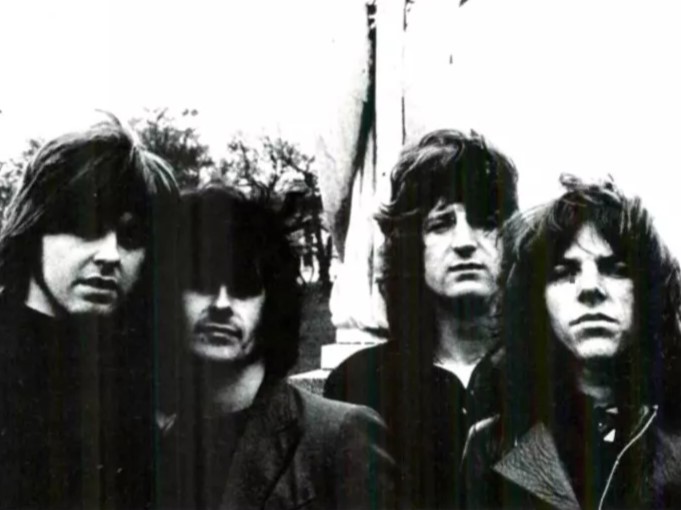
Image credit: Wikimedia Commons
📋 Table of Contents [+]
The Original Members of Badfinger
The story of the members of Badfinger begins in Swansea, Wales, in 1961 when a young guitarist named Pete Ham formed a band called The Panthers.
By 1964, the group had evolved into The Iveys, featuring Ham alongside Mike Gibbins on drums, Ron Griffiths on bass, and David “Dai” Jenkins on guitar.
The Iveys played the local club circuit in Wales, building a following through their energetic performances and tight harmonies.
Their big break came in 1968 when they signed with the Beatles’ Apple Records, becoming the first non-Beatles act on the legendary label.
By 1969, the band had undergone significant changes: Tom Evans replaced Griffiths on bass, and the group adopted a new name suggested by Beatles assistant Neil Aspinall.
The name Badfinger came from “Bad Finger Boogie,” the working title of the Beatles’ song “With a Little Help from My Friends.”
This classic rock band lineup of Ham, Evans, Gibbins, and eventually Joey Molland would create the power pop sound that influenced generations of musicians.
💡 Did You Know?
Paul McCartney discovered Badfinger when he visited their Apple Records studio session in 1969. He was so impressed that he wrote and produced their first hit “Come and Get It” specifically for them, recording a demo in just one take to show them exactly how he wanted it performed.
Pete Ham’s Role in Formation
Pete Ham was born on April 27, 1947, in Swansea, Wales.
As the founder and primary creative force behind the band, Ham possessed an extraordinary songwriting talent that combined melodic brilliance with emotional depth.
His guitar playing and distinctive vocals became the signature sound that defined Badfinger’s identity.
Ham wrote or co-wrote most of the band’s biggest hits, including “No Matter What,” “Day After Day,” and the immortal ballad “Without You.”
Fellow musicians and critics often compared his talents to those of Paul McCartney and John Lennon, with some suggesting he possessed the combined abilities of all three principal Beatles songwriters.
Ham’s leadership kept the band focused during their early struggles, and his unwavering dedication to his craft inspired the other members of Badfinger to push their own creative boundaries.
Early Musical Background of Key Members
Before joining forces in Badfinger, each member brought diverse musical experiences that enriched the band’s sound.
Mike Gibbins, born in 1949 in Swansea, was a self-taught drummer who developed his skills playing in local Welsh bands throughout the early 1960s.
His solid, reliable drumming provided the foundation for Badfinger’s melodic power pop sound.
Tom Evans, born around 1947 in Liverpool, England, came from the same working-class musical culture that produced the Beatles.
His bass playing combined melodic sensibility with rock energy, and his songwriting partnership with Pete Ham would produce some of rock’s most enduring compositions.
The chemistry between these original members of Badfinger created a unique sound that bridged British Invasion pop and the emerging power pop genre.
Their tight harmonies and guitar interplay set them apart from other classic rock bands of the era.
🎸 Explore Badfinger’s Classic Albums 🎵
Shop Essential Albums Below ⬇️Badfinger Lineup Changes Through the Years
The members of Badfinger underwent several significant changes that shaped both their sound and their fate as one of the most tragic stories in rock history.
The most important addition came in 1969 when Joey Molland joined the band, completing what would become their classic lineup.
Ron Griffiths, the original bass player from The Iveys era, departed before the band’s transformation into Badfinger.
His replacement, Tom Evans, brought a stronger songwriting presence and a more aggressive playing style that better suited the band’s evolving rock sound.
Throughout the 1970s and early 1980s, various musicians passed through Badfinger’s ranks as the band struggled with management issues and personal tragedies.
Bob Jackson joined on keyboards for the albums Badfinger and Wish You Were Here, adding a fuller sound to their studio recordings.
After Pete Ham’s death in 1975, the remaining members of Badfinger attempted various reunions with different musicians, but none captured the magic of the original four-piece lineup.
💡 Did You Know?
The members of Badfinger performed at George Harrison’s Concert for Bangladesh in 1971, one of rock’s first major charity events. Pete Ham had the honor of playing acoustic guitar alongside Harrison on “Here Comes the Sun,” though the band was disappointed when Bob Dylan’s late addition to the lineup meant they couldn’t perform their own material at the historic concert.
The Arrival of Joey Molland
Joey Molland, born June 21, 1947, in Liverpool, England, joined Badfinger in 1969 just as they were transitioning from The Iveys.
He had previously played with Gary Walker and the Rain, gaining experience as a solid rock guitarist with a knack for harmony vocals.
Molland’s arrival completed the classic Badfinger sound, adding a second lead guitar that created the signature dual-guitar attack heard on their biggest hits.
His addition transformed the band from a pop group into one of the pioneering power pop acts, influencing countless rock bands that followed.
Molland contributed vocals, guitar work, and songwriting to landmark albums like No Dice and Straight Up.
His guitar harmonies with Pete Ham on songs like “Baby Blue” created some of the most memorable moments in 1970s rock music.
The chemistry between the four members of Badfinger in this lineup was undeniable, and their work together during the early 1970s remains the gold standard of power pop excellence.
New Blood: Later Members Who Joined
After the tragic death of Pete Ham in 1975, Badfinger disbanded temporarily before various configurations attempted to carry on the band’s legacy.
Bob Jackson, a keyboardist who had worked with them on the Badfinger album, returned for reunion attempts in the early 1980s.
Other musicians who played with different versions of Badfinger included Tony Kaye, who had previously been with Yes, and guitarist Joe Tansin.
In the late 1970s, when Joey Molland and Tom Evans reunited to record Airwaves, they worked with various session musicians and touring members.
The period from 1982 to 1983 saw both Molland and Evans leading competing bands using the Badfinger name, which created legal and personal conflicts.
Despite these various lineup configurations, none of the later iterations of the band achieved the commercial success or critical acclaim of the original members of Badfinger.
The magic that made Badfinger special resided in the unique combination of Ham, Evans, Molland, and Gibbins working together at their creative peak.
Where Are the Members of Badfinger Today?
The fate of the members of Badfinger stands as one of rock music’s most heartbreaking stories, marked by tragedy, loss, and unfulfilled potential.
By March 2025, all four members of the classic lineup had passed away, ending a chapter in rock history that began with such promise but was marred by financial betrayal and personal devastation.
Their story serves as a cautionary tale about the music industry’s darker side while simultaneously celebrating the enduring power of their artistic achievements.
Pete Ham: The Tragic Loss of a Genius
Pete Ham took his own life on April 24, 1975, three days before his 28th birthday, hanging himself in his garage in Surrey, England.
The brilliant songwriter and guitarist left behind a suicide note blaming his fraudulent manager Stan Polley for his financial ruin.
At the time of his death, Ham was deeply in debt despite having written some of the era’s biggest hits, his girlfriend was seven months pregnant, and he felt trapped by the band’s financial and legal problems.
Polley had systematically embezzled the band’s earnings through dubious contracts and offshore accounts, leaving the members of Badfinger virtually penniless despite their chart success.
Ham’s death at 27 placed him in the tragic “27 Club” alongside Jimi Hendrix, Janis Joplin, and Jim Morrison.
His songwriting legacy lives on through posthumous releases like 7 Park Avenue and Golders Green, collections of home recordings that showcase his genius.
Musicians who worked with Ham universally praised his talent, with many suggesting he possessed songwriting abilities equal to the Beatles’ best work.
Tom Evans: A Life Cut Short
Tom Evans never recovered from the loss of his best friend and songwriting partner Pete Ham.
On November 19, 1983, at age 36, Evans hanged himself in his garden in Surrey, England, following an argument about royalties from “Without You.”
The song he had co-written with Ham had become a worldwide smash for Harry Nilsson in 1972, but years of legal battles meant Evans saw little of the money it generated.
In the years following Ham’s death, Evans struggled with depression and alcoholism while attempting to keep Badfinger’s music alive.
He had reunited with Joey Molland to record Airwaves and Say No More, but these albums failed to achieve commercial success.
By 1982, Evans and Molland were leading rival Badfinger bands, which created additional stress and conflict between the former bandmates.
Evans left behind a wife and young son, adding to the tragedy of a life cut short by financial exploitation and mental health struggles.
💡 Did You Know?
“Without You,” written by Pete Ham and Tom Evans, has been covered by over 180 artists and has sold millions of copies worldwide. Harry Nilsson’s 1972 version won a Grammy Award, and Mariah Carey’s 1994 cover reached number three on the Billboard Hot 100. Tragically, both songwriters died without receiving most of the royalties their masterpiece generated.
Joey Molland: The Final Member Passes
Joey Molland passed away on March 1, 2025, at Methodist Hospital in St. Louis Park, Minnesota.
He was 77 years old and had been hospitalized since December 2024 with complications from diabetes and a severe bacterial infection.
Molland died surrounded by his longtime girlfriend Mary, his two sons Joey III and Shaun, and other family members as his own music played in the room.
For decades, Molland had been the sole surviving member of Badfinger’s classic lineup, carrying the torch for the band through countless tours and tribute concerts.
After leaving Badfinger in late 1974, Molland formed the band Natural Gas before reuniting with Tom Evans in the late 1970s.
Following Evans’ death in 1983, Molland continued performing as Joey Molland’s Badfinger, keeping the band’s music alive for new generations.
He released several solo albums, including After the Pearl, The Pilgrim, This Way Up, Return to Memphis, and Be True to Yourself.
Molland had lived in Minnesota for over 40 years, becoming part of the local music community while touring regularly until September 2024.
His death marked the end of an era, as all four members of Badfinger’s legendary lineup had now passed away.
Mike Gibbins: Remembering the Drummer
Mike Gibbins died in his sleep on October 4, 2005, at his home in Oviedo, Florida, from a brain aneurysm.
He was 56 years old, making him the first of the classic lineup to pass away from natural causes rather than suicide.
After Badfinger’s initial breakup following Pete Ham’s death, Gibbins largely withdrew from the music business.
He did some session work, most notably playing drums on Bonnie Tyler’s 1978 hit “It’s a Heartache.”
Gibbins participated in some of the Badfinger reunion attempts during the late 1970s and early 1980s, but he grew frustrated with the ongoing legal battles and financial struggles.
He eventually settled in Florida, where he lived a quieter life away from the music industry spotlight.
Gibbins is survived by his wife and three sons, who formed a rock band called Seven Sisters based in Orlando.
His steady, reliable drumming had been the backbone of all the classic Badfinger recordings, providing the foundation for the band’s intricate guitar work and harmonies.
Musical Legacy of Badfinger Members
The members of Badfinger left an indelible mark on rock music history despite their tragic story.
They pioneered the power pop genre that would influence bands from Cheap Trick and Big Star to Weezer and Fountains of Wayne.
Their signature sound combining jangly guitars, tight harmonies, and melodic songwriting became the template for countless classic rock bands that followed.
The Beatles’ faith in Badfinger was well-founded, as the group produced some of the finest power pop ever recorded during their brief peak years.
“Baby Blue” experienced a massive resurgence after being featured in the finale of the television series Breaking Bad in 2013, introducing Badfinger to a new generation 41 years after its original release.
The song charted in the UK for the first time, peaking at number 73 and reaching the top 30 on iTunes in several countries.
This renewed interest led younger audiences to discover the catalog of classic rock artists they might never have encountered otherwise.
💡 Did You Know?
The members of Badfinger worked closely with all four Beatles during their time on Apple Records. They played on George Harrison’s “All Things Must Pass” album, contributed to John Lennon’s “Imagine” sessions, provided backing vocals for Ringo Starr’s “It Don’t Come Easy,” and had Paul McCartney write and produce their first hit. Few bands can claim such extensive collaboration with all members of the Fab Four.
Songwriting Contributions by Each Member
Pete Ham wrote or co-wrote the majority of Badfinger’s most enduring compositions.
His songwriting gifts produced “No Matter What,” “Day After Day,” “Baby Blue,” and the verses for “Without You.”
Ham’s melodies possessed an effortless quality that made complex compositions sound simple and accessible.
Tom Evans contributed equally important songs to the Badfinger catalog, including “Maybe Tomorrow” and the chorus of “Without You.”
His songwriting partnership with Ham proved to be one of rock’s most productive collaborations, though it was cut tragically short.
Joey Molland added his own compositions to later albums, writing songs like “Sweet Tuesday Morning” and contributing to the band’s heavier rock direction on albums like Ass.
Mike Gibbins occasionally contributed songs as well, though his primary role was as the band’s rhythmic foundation.
Together, the members of Badfinger created a body of work that stands alongside the best power pop and classic rock of the 1970s.
Post-Band Success Stories
While the original Badfinger lineup never achieved lasting commercial success after their peak years, individual members found varying degrees of accomplishment in their post-band careers.
Joey Molland enjoyed the most sustained career, touring regularly for decades and releasing six solo albums that showcased his continued growth as a songwriter and guitarist.
His solo work on albums like After the Pearl and Return to Memphis demonstrated his versatility across different musical styles.
Mike Gibbins found success as a session drummer, contributing to several hit records including Bonnie Tyler’s chart-topping “It’s a Heartache.”
The posthumous releases of Pete Ham’s home recordings on 7 Park Avenue and Golders Green revealed the depth of his talent and showed the direction his songwriting might have taken.
These collections include demos of songs that would appear on Badfinger albums as well as unreleased material that fans treasure.
The influence of the members of Badfinger extends far beyond their own recordings, with their songs covered by hundreds of artists and their power pop blueprint adopted by multiple generations of rock musicians.
🎵 Complete Your Badfinger Collection 🎸
Shop Classic Albums Now ⬇️Essential Badfinger Albums Featuring Different Lineups
The discography of Badfinger spans multiple eras and lineup configurations, with their best work concentrated in the early 1970s when all four classic members worked together.
Magic Christian Music (1970) was technically the band’s first album as Badfinger, though it featured material recorded as The Iveys.
The album included the Paul McCartney-penned “Come and Get It,” which became their breakthrough hit and established them as a major act on Apple Records.
No Dice (1970) marked the arrival of the classic lineup’s sound.
This album featured “No Matter What” and the original version of “Without You,” showcasing the members of Badfinger at their creative peak.
Straight Up (1971) stands as Badfinger’s masterpiece.
Produced by George Harrison and Todd Rundgren, the album included “Day After Day” and “Baby Blue,” two of the finest power pop songs ever recorded.
The guitar interplay between Pete Ham and Joey Molland reached its zenith on this record.
Ass (1973) was Badfinger’s final album for Apple Records.
While commercially unsuccessful at the time, it featured excellent tracks like “Apple of My Eye” and demonstrated the band’s growing maturity as songwriters and musicians.
Badfinger (1974) and Wish You Were Here (1974) were both recorded for Warner Brothers.
These albums marked the addition of keyboardist Bob Jackson to the lineup and showed the band attempting to adapt to changing musical trends.
Airwaves (1979) represented the reunion of Joey Molland and Tom Evans four years after Pete Ham’s death.
While not reaching the heights of their earlier work, the album contained solid power pop and showed the surviving members of Badfinger attempting to recapture their former glory.
Say No More (1981) would be the final album featuring both Molland and Evans together.
Released on smaller labels with minimal promotion, it received little attention despite containing worthwhile material.
Head First, recorded in 1975 but not released until 2000, offers a fascinating glimpse into what might have been.
The album showcases Pete Ham’s final recordings with the band before his tragic death.
🎸 Essential Badfinger Albums Collection 🎵

🎤 Magic Christian Music
Badfinger’s debut featuring Paul McCartney’s “Come and Get It.”
This album launched the band’s career on Apple Records and established their signature power pop sound.
A must-have for any classic rock collection.
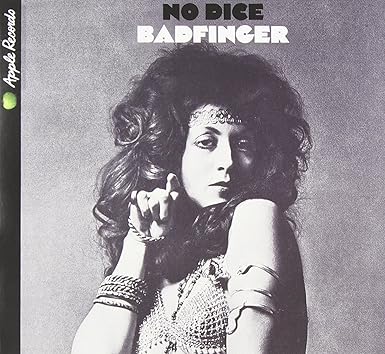
🎸 No Dice
Features the original “Without You” and “No Matter What.”
This album defined the classic Badfinger sound with Pete Ham and Tom Evans’ songwriting partnership in full bloom.
Essential power pop from 1970.
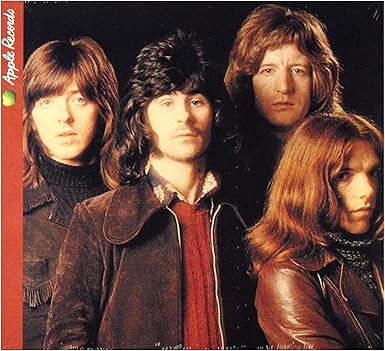
⭐ Straight Up
Badfinger’s masterpiece produced by George Harrison and Todd Rundgren.
Includes “Day After Day” and “Baby Blue,” two of the greatest power pop songs ever recorded.
Widely considered their finest album.

🎵 Ass
The final Apple Records album from the classic lineup.
Features excellent tracks like “Apple of My Eye” and “Blind Owl” that showcase the band’s evolving sound.
Critically underrated gem from 1973.
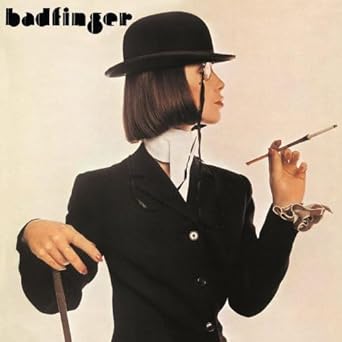
🎤 Badfinger (1974)
First Warner Brothers album with keyboardist Bob Jackson.
The band explored new musical directions while maintaining their melodic sensibilities.
A transitional album showing creative evolution.

💫 Wish You Were Here
The final album featuring Pete Ham before his tragic death.
Contains poignant tracks that take on deeper meaning knowing what followed.
A bittersweet chapter in Badfinger’s story.

🎸 Airwaves
The 1979 reunion album of Joey Molland and Tom Evans.
A comeback attempt that showed the surviving members’ determination to continue despite tragedy.
Solid power pop from a reformed lineup.

💿 Head First
Recorded in 1975 but unreleased until 2000.
Pete Ham’s final recordings with the band offer a glimpse of what might have been.
A historically significant lost album finally available.
🎵 Support Classic Rock Artists 🎸
When you purchase these albums through our Amazon affiliate links, you help support ClassicRockArtists.com at no additional cost to you.
Every purchase allows us to continue bringing you in-depth articles about legendary bands and the music that defined generations.
Thank you for supporting independent music journalism!
Frequently Asked Questions About Badfinger Members
Who were the original members of Badfinger?
The original members of Badfinger’s classic lineup were Pete Ham on guitar and vocals, Tom Evans on bass and vocals, Joey Molland on guitar and vocals, and Mike Gibbins on drums.
Before this configuration, the band was known as The Iveys and featured Ron Griffiths and David Jenkins instead of Evans and Molland.
The classic four-piece lineup that recorded Badfinger’s biggest hits formed in 1969 when Molland joined.
Are any members of Badfinger still alive?
No, all members of Badfinger’s classic lineup have passed away.
Pete Ham died by suicide in 1975, Tom Evans died by suicide in 1983, Mike Gibbins died from a brain aneurysm in 2005, and Joey Molland, the last surviving member, died on March 1, 2025, from complications related to diabetes.
What are the members of Badfinger doing now?
Unfortunately, all four members of Badfinger’s classic lineup have passed away.
Their music lives on through their recordings, with albums like Straight Up and No Dice remaining power pop touchstones.
The Breaking Bad finale in 2013 introduced their song “Baby Blue” to a new generation of listeners.
Why did Pete Ham leave Badfinger?
Pete Ham did not leave Badfinger voluntarily.
He tragically took his own life on April 24, 1975, at age 27, devastated by the financial ruin caused by the band’s fraudulent manager Stan Polley.
Despite writing some of rock’s biggest hits, Ham was deeply in debt, with his earnings stolen through elaborate financial schemes.
How many members did Badfinger have?
Badfinger’s classic lineup consisted of four members: Pete Ham, Tom Evans, Joey Molland, and Mike Gibbins.
Over the band’s entire history from 1961 to the 1980s, numerous musicians passed through various lineups.
However, the four-piece configuration from 1969 to 1974 is considered the definitive Badfinger lineup that created their most important work.
Did the Beatles discover Badfinger?
Yes, the Beatles were instrumental in Badfinger’s career.
The band was the first non-Beatles act signed to Apple Records in 1968.
Paul McCartney wrote and produced their first hit “Come and Get It,” George Harrison produced parts of their Straight Up album, and the members of Badfinger contributed to albums by all four Beatles during their solo careers.
What happened to Badfinger’s money?
The members of Badfinger were systematically robbed by their manager Stan Polley through fraudulent contracts and offshore accounts.
Despite earning millions from hit songs and albums, the band members received minimal salaries while Polley pocketed the majority of their earnings.
This financial devastation directly contributed to the suicides of both Pete Ham and Tom Evans.
Explore More Classic Rock Legends
Discover the stories behind your favorite classic rock bands and their members:
Sources:
- Wikipedia: Badfinger
- Wikipedia: Pete Ham
- Wikipedia: Tom Evans
- Wikipedia: Joey Molland
- Wikipedia: Mike Gibbins
- Variety: Joey Molland Obituary (March 2025)
- Louder Sound: The Story of Badfinger
Last updated: December 12, 2025
Affiliate Disclosure
This article contains affiliate links to Amazon. As an Amazon Associate, I earn from qualifying purchases at no additional cost to you. This helps support ClassicRockArtists.com and allows me to continue bringing you in-depth classic rock content. All album recommendations are based on their musical merit and historical significance in telling the story of the members of Badfinger.
Explore more about Classic Rock Artists and discover the stories behind legendary bands from the 60s, 70s, 80s, and 90s.
Tags:
#MembersOfBadfinger #BadfingerMembers #ClassicRock #RockHistory #Badfinger #RockLegends #ClassicRockArtists #RockBands #MusicHistory #VintageRock #RockStars #1970sMusic #RockBiography #ClassicRockBands #MusicLegends #PowerPop