

Motorhead Bastards: The 1993 Album Critics Now Call a Classic
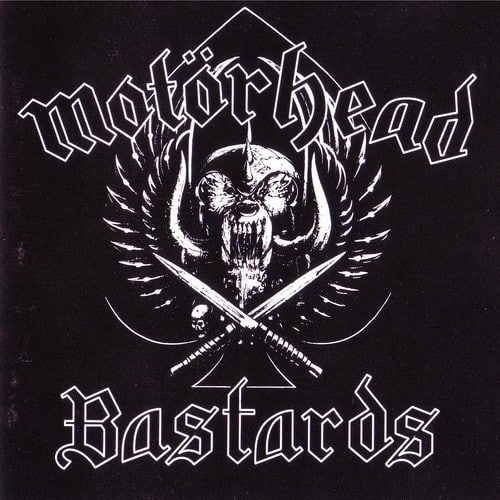
Motorhead Bastards arrived in October 1993 with almost no fanfare and became one of the band’s most respected later albums.
It was the first full record with Mikkey Dee locked in as the permanent drummer, a lineup shift that reshaped the band for the next two decades.
Producer Howard Benson gave the record a harder, more focused sound than the guest heavy chaos of March or Die the year before.
More than thirty years later, Motorhead Bastards is widely regarded as one of the strongest albums the band ever released.
Affiliate Disclosure: I am an Amazon affiliate and if you purchase through any amazon links on this site i may earn a small commission at no extra charge to you.
📋 Table of Contents [+]
⚡ Key Takeaways
- Motorhead released Bastards, its eleventh studio album, on 11 October 1993 through ZYX Music.
- Producer Howard Benson helmed the sessions, the first of four consecutive Motorhead albums he would produce.
- Bastards was Mikkey Dee’s first full studio album as the band’s permanent drummer.
- The album did not chart in the UK but reached number 28 in Germany and number 37 in Finland.
- Ultimate Classic Rock later ranked Bastards the fourth best album in Motorhead’s entire catalog.
What Is the Motorhead Bastards Album About?
The Motorhead Bastards album is a harder, angrier record built around themes of betrayal, defiance, and street level survival.
Song titles like Liar and Bad Woman point to a more personal, confrontational tone than the guest heavy March or Die.
The record strips away outside collaborators entirely, refocusing on the band’s core chemistry with its newly settled lineup.
That focus is exactly what critics later pointed to when reassessing the album as one of the band’s finest.
Who Recorded Motorhead Bastards?
Lemmy Kilmister handled vocals, bass, and acoustic guitar across the record.
Phil Campbell and Michael “Wurzel” Burston again shared lead and rhythm guitar duties.
Mikkey Dee played drums on every track, his first full album as the band’s settled, permanent drummer.
Michael Monroe, former frontman of Hanoi Rocks, added backing vocals to the track Born to Raise Hell.
Where and When Was Bastards Recorded?
Motorhead recorded Bastards during 1993 at A&M Studios and Prime Time Studios, both in Hollywood, California.
Howard Benson produced the sessions, his first collaboration with the band and the start of a four album working relationship.
ZYX Music released the finished album on 11 October 1993, the band’s only release through that label.
The finished record runs 47 minutes and 50 seconds across its original tracklist.
Why Was This Mikkey Dee’s First Album as Permanent Drummer?
Mikkey Dee had only appeared on one track of the previous album, Motorhead’s March or Die, before stepping into the drum seat full time.
Following Phil Taylor’s exit during the March or Die sessions, Dee took over the position permanently ahead of the Bastards sessions.
His steady, powerful playing style gave Motorhead Bastards a more consistent rhythmic foundation than the shifting lineup of the previous record.
Dee would go on to drum for Motorhead for the next twenty two years, longer than any other drummer in the band’s history.
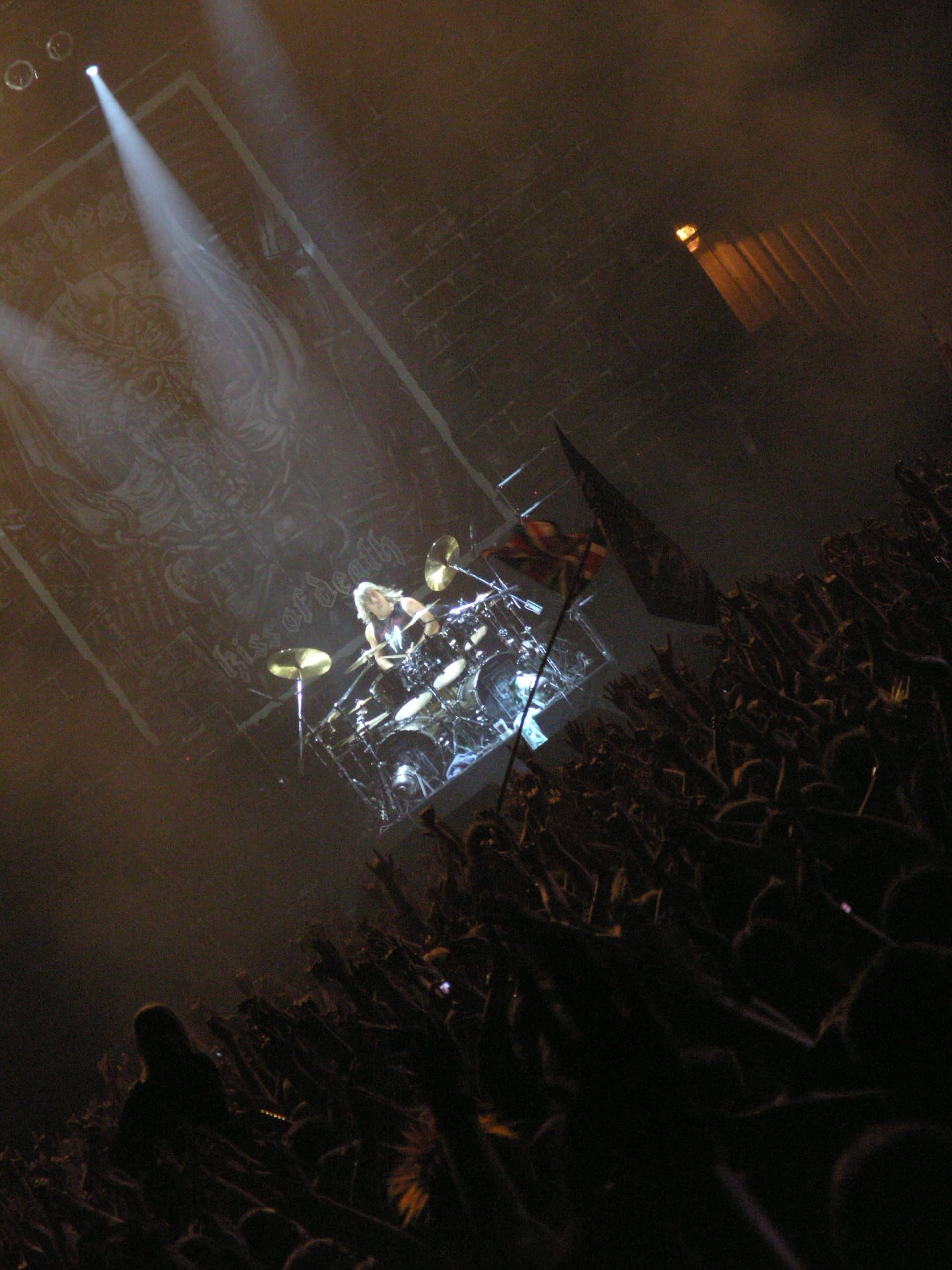
Mikkey Dee played every track on Motorhead Bastards, his first full album as the band’s permanent drummer.
Image Credit: Photo by Kaja Konarska, CC BY-SA 2.5, via Wikimedia Commons
What Songs Are on the Bastards Tracklist?
The album opens with On Your Feet or On Your Knees, followed by Burner and Death or Glory.
I Am the Sword leads into Born to Raise Hell, the record’s most enduring track.
Don’t Let Daddy Kiss Me, Bad Woman, and Liar continue the album’s darker, more personal lyrical run.
Lost in the Ozone, I’m Your Man, We Bring the Shake, and Devils close out the original twelve track sequence.
How Does Born to Raise Hell Differ From the 1994 Single?
The Bastards album version of Born to Raise Hell is the original studio recording, without any guest vocalists.
Motorhead re-recorded the song as a standalone single in October 1994, adding rapper Ice-T and Ugly Kid Joe singer Whitfield Crane to the mix.
That reworked single version later appeared over the opening credits of the 1994 film Airheads, giving it a life separate from the original album cut.
Both versions share the same core song, but the album take stays closer to the band’s stripped down, three piece sound.
Did Motorhead Bastards Chart?
Motorhead Bastards did not chart on the UK Albums Chart on its original release.
It performed better overseas, reaching number 28 in Germany, number 37 in Finland, and number 48 in Sweden.
The album’s commercial modesty stood in sharp contrast to the critical reappraisal it would receive in later years.
Its lack of a UK chart placement has not stopped it from being reissued multiple times since 1993, per Wikipedia.
What Did Critics Say About Bastards?
Critics responded to Motorhead Bastards with some of the strongest reviews of the band’s 1990s output.
AllMusic awarded the album four out of five stars, while Entertainment Weekly gave it an A minus grade.
Sputnikmusic rated it 4.5 out of 5, and The Collector’s Guide to Heavy Metal gave it a perfect 10 out of 10.
Not every outlet agreed, since Spin’s Alternative Record Guide rated Motorhead Bastards a much lower 3 out of 10.
Why Do Critics Call Bastards One of Motorhead’s Best Albums?
Critics call Motorhead Bastards one of the band’s best albums because it paired sharper songwriting with the newly stable Mikkey Dee lineup.
Ultimate Classic Rock ranked it the fourth best album in Motorhead’s entire catalog, describing it as one of their greatest achievements.
The record avoided the guest star spectacle of March or Die in favor of a leaner, more focused attack.
That focus is exactly what has aged well for Motorhead Bastards, even as the record’s commercial performance stayed modest.
How Does Bastards Compare to the Band’s Earlier Records?
Bastards trades the orchestral ambition of 1916 for a harder, more direct attack closer to the band’s classic era.
Mikkey Dee’s steady drumming gives the record a tighter foundation than the three drummer chaos of March or Die.
Whiplash, the song that later won Motorhead’s first Grammy, arrived over a decade after Bastards, proving Howard Benson’s influence carried well beyond this one record.
As of 2026, read the full lineup history of the members of Motorhead to see how the Mikkey Dee era reshaped the band.
People Also Ask
Is Bastards a good Motorhead album?
Bastards is widely considered one of Motorhead’s best albums, earning four out of five stars from AllMusic and an A minus from Entertainment Weekly, with Ultimate Classic Rock later ranking it the fourth best record in the band’s entire catalog.
It marked the first full album with Mikkey Dee as the band’s permanent drummer.
Who produced Motorhead’s Bastards album?
Howard Benson produced Motorhead’s Bastards album in 1993, the first of four consecutive Motorhead records he would go on to produce.
The sessions took place at A&M Studios and Prime Time Studios in Hollywood, California.
Did Motorhead’s Bastards album chart in the UK?
Motorhead’s Bastards album did not chart on the UK Albums Chart, though it reached number 28 in Germany and number 37 in Finland.
Despite the modest commercial run, critics have since reassessed it as one of the band’s strongest studio records.
Who played drums on Motorhead’s Bastards album?
Mikkey Dee played drums on every track of Motorhead’s Bastards album, his first full studio record as the band’s permanent drummer after joining during the March or Die sessions.
Dee went on to drum for Motorhead for the next twenty two years, the longest tenure of any drummer in the band’s history.
Watch the Official Video and Shop Motorhead Albums
Affiliate Disclosure: I am an Amazon affiliate and if you purchase through any amazon links on this site i may earn a small commission at no extra charge to you. This helps support classicrockartists.com and allows me to keep providing deep-dive content on the legends of rock. Thank you for your support!
As an Amazon Associate, I earn from qualifying purchases.
Bastards
1993
Ranked the fourth best Motorhead album by Ultimate Classic Rock.
Mikkey Dee’s first full album as permanent drummer.
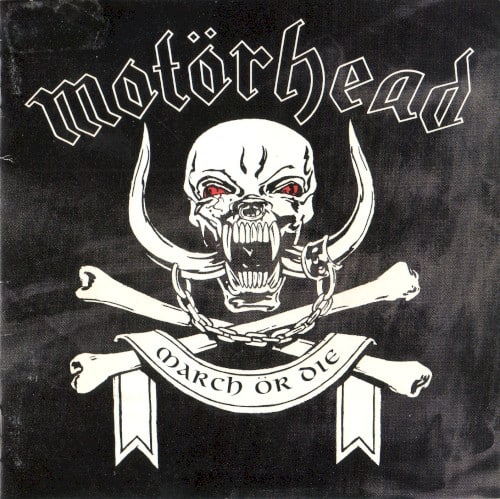
March or Die
1992
The guest star album released one year before Bastards.
Introduced Mikkey Dee to the band on a single track.
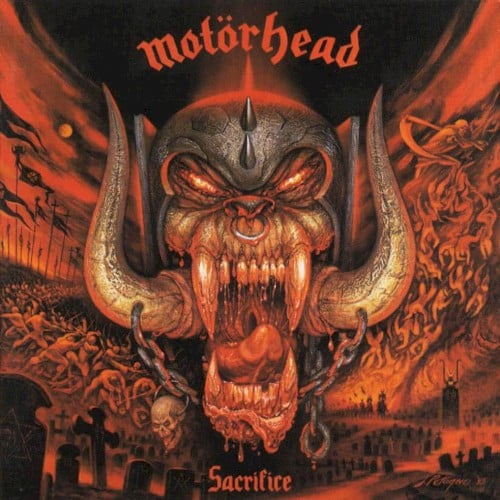
Sacrifice
1995
The follow up to Bastards, continuing the Howard Benson era.
Built on the same tighter, three piece focused sound.
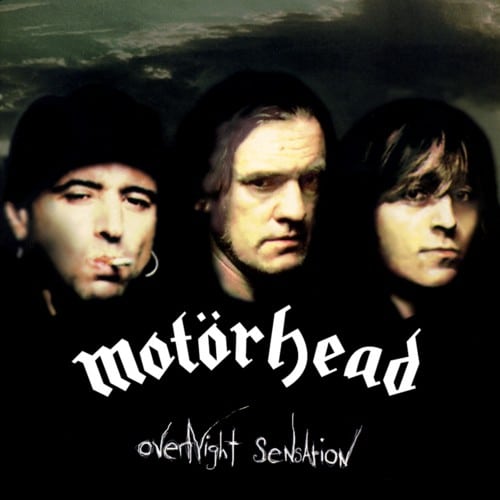
Overnight Sensation
1996
Another Howard Benson produced record from the same era.
Continues the momentum Bastards built with critics.
You Might Also Like
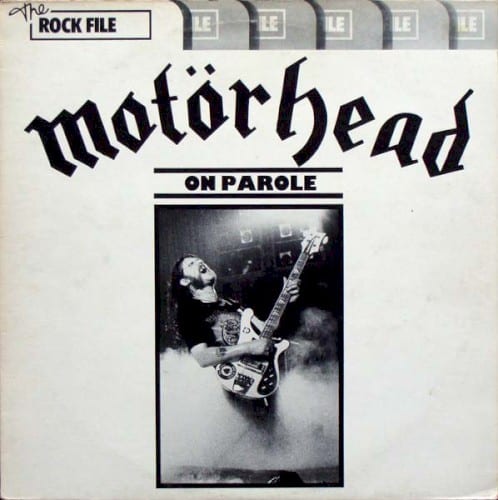
Motorhead On Parole: The Debut Album That Never Was
A shelved early record from the same restless band that later earned critical praise with Bastards.
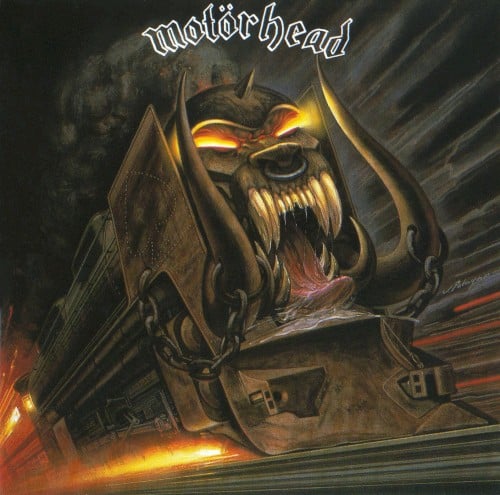
Motorhead Orgasmatron: Inside the 1986 Metal Rebirth
The twin guitar era’s opening chapter, recorded seven years before Bastards.
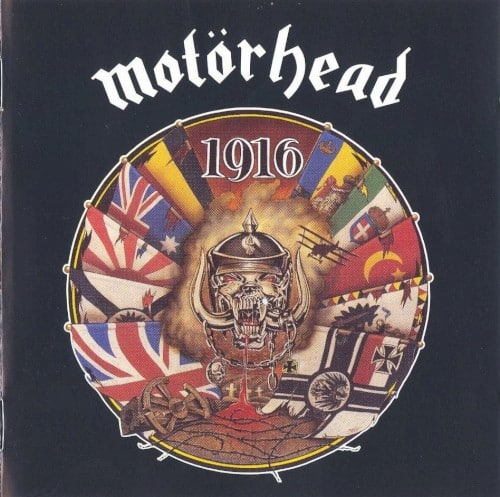
1916 Motorhead Song: Lemmy’s Tribute to the Somme
The Grammy nominated title track from two years before Bastards reset the band’s lineup.
I Ain’t No Nice Guy: Motorhead’s Wildest Guest Track
Phil Taylor’s final Motorhead studio recording, from the same transitional album that led Mikkey Dee to Bastards.
Motorhead Bastards proved the band could still land a genuine creative peak deep into its second decade.
As of 2026, critics and fans alike rank it among the strongest records in the entire Motorhead catalog.
Three decades on, Motorhead Bastards still sounds like a band hitting its stride rather than coasting on reputation.
Last updated: July 21, 2026