

The solo debut Scott Weiland 12 Bar Blues arrived in 1998 as a bold departure from the grunge-infused hard rock that made Scott Weiland a household name with Stone Temple Pilots.
Released during a turbulent period in Weiland’s life, this album showcased a different side of the charismatic frontman.
The record blended glam rock, psychedelic pop, and theatrical balladry in ways that surprised both critics and fans.
It was a risky move that demonstrated Weiland’s artistic ambitions extended far beyond the alternative rock scene.
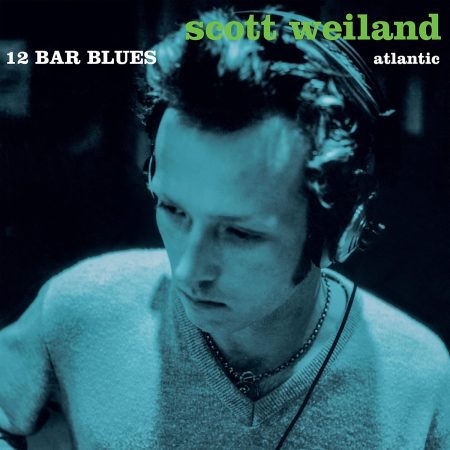
Scott Weiland 12 Bar Blues – Available on Amazon
Get Scott Weiland 12 Bar Blues (1998) on Amazon
Affiliate Disclosure: I am an Amazon affiliate and if you purchase through any Amazon links on this site I may earn a small commission at no extra charge to you. This helps support classicrockartists.com. Thank you for your support!
Table of Contents
Overview of Scott Weiland 12 Bar Blues
Scott Weiland 12 Bar Blues represented a creative crossroads for one of rock’s most enigmatic vocalists.
The album emerged while Stone Temple Pilots were on hiatus and Weiland was battling personal demons.
Rather than delivering another collection of radio-ready alternative rock anthems, Weiland crafted something far more eclectic.
The record drew heavily from 1970s glam rock, particularly the influence of David Bowie and T. Rex.
Weiland’s fascination with theatrical rock presentation found full expression across these twelve tracks.
The album’s sonic palette ranged from lush orchestral arrangements to stripped-down acoustic moments.
It was clear that Weiland wanted to establish himself as more than just a grunge-era vocalist.
The production values were notably different from the raw power of Stone Temple Pilots records.
Strings, horns, and layered vocal harmonies created a cinematic quality throughout the album.
This approach would later influence the direction Robert DeLeo would take on subsequent albums.
The album’s title referenced both the blues musical form and the number of tracks included.
However, traditional blues music played only a minor role in the actual sound.
Instead, Weiland used the blues as a conceptual framework for exploring personal darkness.
The record served as a deeply personal statement during one of the most challenging periods of his life.
Recording History and Production
The recording sessions for Scott Weiland 12 Bar Blues took place in 1997 and early 1998.
Weiland assembled a talented group of musicians known as The Magnificent Bastards for the project.
The band included guitarist Doug Grean, who became a key collaborator in shaping the album’s sound.
Victor Indrizzo handled drumming duties, bringing a versatile approach to the varied material.
The production was helmed by Blair Lamb and Weiland himself, allowing for complete creative control.
According to Wikipedia, the album was recorded during a period when Weiland was dealing with legal troubles and substance abuse issues.
These personal struggles undoubtedly influenced the album’s darker lyrical themes and emotional intensity.
The recording process allowed Weiland to experiment with vocal styles he couldn’t explore with STP.
He employed falsetto, crooning, and theatrical delivery techniques throughout the sessions.
The production incorporated live string sections, giving tracks like “Desperation #5” a lush, cinematic quality.
Horn arrangements added a sophisticated jazz-influenced dimension to several songs.
The studio approach favored layered textures over the raw immediacy of typical rock production.
Weiland drew inspiration from classic albums by Bowie, particularly the Berlin trilogy era.
The influence of Marc Bolan’s glam rock aesthetic was equally apparent in the guitar tones and arrangements.
Atlantic Records released the album on March 3, 1998, with modest promotional support.
The label seemed uncertain how to market such a departure from Weiland’s established sound.
This uncertainty would ultimately impact the album’s commercial reception and chart performance.
Track-by-Track Highlights of Scott Weiland 12 Bar Blues
Scott Weiland 12 Bar Blues opens with “Desperation #5,” a sweeping orchestral rock number that immediately establishes the record’s ambitious scope.
Strings cascade over a driving rhythm section as Weiland delivers one of his most theatrical vocal performances.
The song’s dramatic arrangement recalls the grandeur of classic glam rock at its most extravagant.
“Barbarella” follows with a funkier, more groove-oriented approach that showcases Weiland’s versatility.
The track features a memorable bass line and playful lyrics that reference the cult science fiction film.
“The Date” strips things down to a more intimate acoustic arrangement with subtle orchestration.
This ballad demonstrates Weiland’s ability to convey vulnerability without the safety net of distorted guitars.
“Cool Kiss” became the album’s lead single and most commercially accessible track.
Its glam rock stomp and catchy chorus made it the obvious choice for radio promotion.
The song’s production perfectly balanced retro influences with contemporary alternative rock sensibilities.
“Where’s the Man” explores darker territory with brooding verses and an explosive chorus.
The track’s intensity recalls Stone Temple Pilots while maintaining the album’s distinct sonic identity.
“Son” stands as one of the album’s most emotionally raw moments.
Weiland’s lyrics address fatherhood and personal responsibility with unflinching honesty.
The stripped-down arrangement allows the weight of the words to take center stage.
“Mockingbird Girl” injects a dose of psychedelic pop into the album’s middle section.
Swirling guitars and layered vocals create a dreamlike atmosphere that recalls late-1960s experimentation.
“Opposite Octave Reaction” ventures into experimental territory with unconventional song structures.
12 Bar Blues showcases Weiland’s willingness to take risks and challenge listener expectations.
“Lady, Your Roof Brings Me Down” features one of the album’s most memorable melodies.
The song’s bittersweet tone and sophisticated arrangement highlight Weiland’s growth as a songwriter.
“Divider” picks up the tempo with a driving rock number that wouldn’t have been out of place on an STP record.
Yet even here, the production choices and vocal approach maintain the album’s unique character.
“Jimmy Was a Stimulator” closes the album with a sprawling, ambitious track that touches on multiple styles.
Scott Weiland 12 Bar Blues serves as a fitting conclusion to an album that refused to be confined by genre expectations.
Chart Performance of Scott Weiland 12 Bar Blues
Scott Weiland 12 Bar Blues debuted at number 74 on the Billboard 200 chart.
This modest chart position reflected the album’s niche appeal and limited promotional push.
12 Bar Blues sold approximately 75,000 copies in its first year of release.
These numbers paled in comparison to Stone Temple Pilots’ multi-platinum success.
The lead single “Barbarella” received moderate airplay on alternative rock radio stations.
However, it failed to crack the top 40 on the Modern Rock Tracks chart.
“Cool Kiss” performed slightly better, reaching the lower regions of rock radio playlists.
The song’s glam rock aesthetic didn’t align with the nu-metal and post-grunge dominating radio in 1998.
MTV provided minimal support with limited rotation of the album’s music videos.
The network’s focus had shifted toward pop and hip-hop, leaving little room for experimental rock.
Critical reception was mixed, with some reviewers praising Weiland’s ambition and others finding the album unfocused.
Rolling Stone gave the album a moderate review, acknowledging its artistic merit while questioning its commercial viability.
Alternative Press was more enthusiastic, celebrating Weiland’s willingness to take creative risks.
The album’s commercial underperformance didn’t diminish its importance to Weiland’s artistic development.
It established him as a solo artist with a distinct vision separate from his band work.
The experience would inform his approach to later projects, including Stone Temple Pilots Shangri La Dee Da.
Legacy and Cultural Impact
Scott Weiland 12 Bar Blues has gained appreciation over time as a fascinating artistic statement.
12 Bar Blues represents a road not taken in late-1990s rock music.
While most alternative rock artists were doubling down on aggression, Weiland explored sophistication and theatricality.
The record’s glam rock influences predated the garage rock revival by several years.
Bands like The Strokes and The White Stripes would later mine similar territory to greater commercial success.
Weiland’s willingness to embrace his Bowie influences inspired other rock vocalists to explore their artistic range.
The album demonstrated that grunge-era musicians could successfully reinvent themselves artistically.
For fans seeking to understand Weiland’s complete artistic vision, this album remains essential listening.
It reveals dimensions of his talent that Stone Temple Pilots’ framework couldn’t fully accommodate.
The production techniques and orchestral arrangements influenced Weiland’s subsequent work with STP.
Elements of this solo album’s sound can be heard on later records like Stone Temple Pilots Self Titled Album (2010).
The Magnificent Bastards toured briefly in support of the album, delivering theatrical live performances.
These shows featured costume changes and visual elements rarely seen in alternative rock concerts of that era.
You can experience some of this era’s energy through live performance footage on YouTube.
The album’s lack of commercial success didn’t deter Weiland from future solo endeavors.
He would release additional solo albums that continued to explore different musical territories.
Music historians now view 12 Bar Blues as an important document of late-1990s alternative rock’s diversity.
The record proves that the era produced more than just post-grunge and nu-metal.
Weiland’s tragic death in 2015 brought renewed attention to his entire catalog, including this overlooked gem.
Retrospective reviews have been kinder, recognizing the album’s ambition and artistic integrity.
Listener’s Note
When I first heard this album in 1998, I was completely unprepared for what Scott Weiland had created.
I expected something closer to Stone Temple Pilots, perhaps with slightly different production.
Instead, I encountered an artist fully embracing his glam rock fantasies without apology.
My initial reaction was confusion, followed by gradual appreciation as I gave the album repeated listens.
The orchestral arrangements on “Desperation #5” revealed new layers with each play.
I found myself drawn to the album’s willingness to prioritize artistry over commercial considerations.
The vulnerability in “Son” hit differently once I understood the personal context behind the lyrics.
Weiland’s vocal performance throughout the record showcased range I hadn’t fully appreciated before.
His falsetto on certain tracks demonstrated technical ability beyond his typical rock delivery.
The album works best when approached as a complete artistic statement rather than a collection of singles.
I recommend listening in sequence to appreciate the flow and thematic connections between tracks.
The production holds up remarkably well, sounding less dated than many 1998 rock albums.
This timeless quality stems from Weiland’s focus on classic influences rather than contemporary trends.
For fans of Dean DeLeo guitar work, this album offers a different sonic palette.
The guitar tones here favor shimmer and texture over the heavy riffs of STP records.
I’ve grown to appreciate this album more with each passing year since its release.
It represents an artist at a creative peak, unafraid to follow his muse wherever it led.
The album’s commercial failure seems less important now than its artistic achievement.
Scott Weiland created something genuinely unique in an era of increasing musical homogenization.
Affiliate Disclosure: I am an Amazon affiliate and if you purchase through any Amazon links on this site I may earn a small commission at no extra charge to you. This helps support classicrockartists.com and allows me to keep providing deep-dive content on the legends of rock. Thank you for your support!
Collector’s Corner
Scott Weiland 12 Bar Blues has become a sought-after item for collectors of 1990s alternative rock.
The original 1998 CD pressing features distinctive artwork that captures the album’s glam aesthetic.
Vinyl pressings are relatively rare, as the album received limited vinyl distribution upon initial release.
Original promotional materials, including posters and standees, command premium prices among dedicated collectors.
The album was never remastered or given a deluxe reissue treatment, making original pressings the definitive versions.
Japanese imports included bonus tracks and enhanced packaging that appeal to completists.
Signed copies occasionally surface at auction, particularly following Weiland’s passing in 2015.
The album’s relative commercial obscurity makes it a conversation piece in any rock collection.
For those looking to add this album to their collection, Amazon offers both new and used copies at various price points.
The CD format remains the most accessible and affordable option for most listeners.
Streaming services carry the album, but physical ownership provides the best audio quality and collectible value.
Scott Weiland 12 Bar Blues pairs well in a collection alongside other late-1990s solo projects from band frontmen.
It represents a specific moment in rock history when major label budgets still supported artistic experimentation.
FAQ About Scott Weiland 12 Bar Blues
When was Scott Weiland 12 Bar Blues released?
Scott Weiland 12 Bar Blues was released on March 3, 1998, through Atlantic Records.
The album arrived during a hiatus period for Stone Temple Pilots.
It marked Weiland’s first solo release after achieving fame with his primary band.
Who played on Scott Weiland 12 Bar Blues?
The album featured The Magnificent Bastards, Weiland’s solo backing band.
Key members included guitarist Doug Grean and drummer Victor Indrizzo.
Various session musicians contributed strings, horns, and additional instrumentation.
None of the Stone Temple Pilots members appeared on the record.
What genre is Scott Weiland 12 Bar Blues?
The album blends glam rock, psychedelic pop, and theatrical rock.
It draws heavily from 1970s influences, particularly David Bowie and T. Rex.
Despite the title, traditional blues music plays a minimal role in the actual sound.
The record defies easy categorization, which contributed to its commercial challenges.
Did Scott Weiland tour for 12 Bar Blues?
Yes, Weiland and The Magnificent Bastards conducted a limited tour supporting the album.
The shows featured theatrical elements and costume changes uncommon in alternative rock.
Legal issues and personal problems limited the tour’s scope and duration.
The touring experience influenced Weiland’s approach to later Stone Temple Pilots performances.
You Might Also Like
Eric Kretz Stone Temple Pilots
Explore the career of STP’s powerhouse drummer from the band’s founding through today.
Chester Bennington Stone Temple Pilots
Discover the story of Chester Bennington’s memorable stint as Stone Temple Pilots vocalist.
Jeff Gutt Stone Temple Pilots
Learn about Jeff Gutt as the current Stone Temple Pilots vocalist and his contributions to the band.
Scott Weiland 12 Bar Blues remains a fascinating chapter in the story of one of rock’s most compelling vocalists, showcasing artistic ambition that transcended commercial expectations.