

Silver Machine: The Song That Made Lemmy Famous
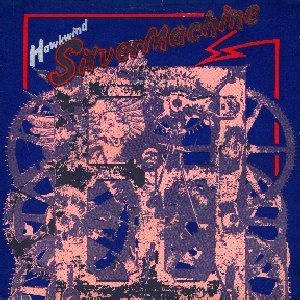
Silver Machine became a genuine hit in 1972, years before Lemmy Kilmister ever formed Motorhead.
Recorded live at a Greasy Truckers benefit gig at London’s Roundhouse on 13 February 1972, the song reached number 3 on the UK singles chart that summer.
Lemmy sang lead vocals and played bass on the track, even though he did not write the lyrics and was not the singer heard at the original live show.
Silver Machine remains the biggest commercial hit of Lemmy’s career before Motorhead existed, and its story is full of strange twists.
Affiliate Disclosure: I am an Amazon affiliate and if you purchase through any amazon links on this site i may earn a small commission at no extra charge to you.
📋 Table of Contents [+]
⚡ Key Takeaways
- Silver Machine reached number 3 on the UK singles chart in 1972.
- Lemmy Kilmister sang lead vocals on the single after songwriter Robert Calvert’s original vocal was deemed too weak.
- Calvert wrote the lyrics as a secret joke about a bicycle, based on an Alfred Jarry essay.
- Motorhead’s own Stone Deaf Forever boxset includes a live version featuring Lemmy performing the song at Wembley Arena in 2002.
- The song has been covered by both William Shatner and the Canadian metal band Voivod.
What Is Silver Machine About?
The song is a space rock number built around an eight bar rock and roll boogie riff.
The recording that became the single was captured live at a Greasy Truckers benefit gig at the Roundhouse in London on 13 February 1972.
Personnel on the track included Dave Brock on guitar, Nik Turner on saxophone and flute, Simon King on drums, and synthesizer players Dik Mik and Del Dettmar.
Lemmy Kilmister played bass and, after a late change, delivered the lead vocal that fans know today.
Who Sang Silver Machine Originally?
Lemmy Kilmister was not the song’s original singer, and he did not write its lyrics.
Robert Calvert sang lead on the original live recording, but his vocal was considered too weak to use for the single release.
Calvert, who lived with bipolar disorder, had been involuntarily hospitalized at the time and was unavailable to attempt another take.
Manager Douglas Smith suggested trying Lemmy as a last resort, and he reportedly nailed the vocal in one or two takes.
Why Are the Lyrics to Silver Machine Really About a Bicycle?
Robert Calvert based the lyrics on an essay by French writer Alfred Jarry titled How to Construct a Time Machine.
Calvert became convinced the essay was secretly describing a bicycle disguised behind convincing sounding physics.
He later said the song was really just about his own silver racing bike, though he never expected listeners to catch on.
Most fans have always heard it as a song about a cosmic space travel machine instead, exactly as Calvert predicted.
Did Silver Machine Chart?
Silver Machine reached number 3 on the UK singles chart in 1972, the band’s biggest hit by far.
The song also topped the chart in Switzerland and reached number 6 in Germany and number 9 in Austria.
A 1978 reissue climbed back to number 34 on the UK singles chart.
The single’s success gave Hawkwind a level of mainstream recognition the band rarely matched again.
How Did Silver Machine Complicate Hawkwind’s Top of the Pops Appearance?
Hawkwind rarely appeared on television, making the single’s success an awkward fit for the band’s image.
The BBC chart show Top of the Pops normally required acts to mime along to their record in front of a studio audience.
Hawkwind felt uneasy about that format, so the BBC instead filmed the band performing live at Dunstable Civic Hall on 7 July 1972.
That live footage was later broadcast with the single’s studio audio dubbed over it.
What Is Silver Machine’s Connection to Motorhead?
The song predates Motorhead entirely, recorded three years before Lemmy formed the band in 1975.
Lemmy continued making guest appearances performing the song with Hawkwind long after his Hawkwind days ended.
One such performance appears on Motorhead’s own Stone Deaf Forever boxset, recorded live at Wembley Arena on 19 October 2002.
The recording gives Motorhead fans a direct link back to the song that first made Lemmy a recognizable voice in rock.
What Other Versions and Covers of Silver Machine Exist?
Hawkwind released a new tenth anniversary studio version of the song in 1982, recorded at Rockfield Studios in Wales.
Actor William Shatner covered the song on his 2011 album Seeking Major Tom, backed by drummer Carmine Appice and guitarist Wayne Kramer.
Canadian metal band Voivod released its own cover version in 2017.
The song has also appeared in UK television advertising campaigns for Mazda and Red Square alcopops.
People Also Ask
Did Lemmy sing Silver Machine?
Yes, Lemmy Kilmister sang lead vocals on Hawkwind’s 1972 hit Silver Machine, replacing original singer Robert Calvert on the studio version.
He also played bass on the recording, three years before forming Motorhead.
What chart position did Silver Machine reach?
Silver Machine reached number 3 on the UK singles chart in 1972 and topped the chart in Switzerland the same year.
A 1978 reissue of the single climbed back to number 34 in the UK.
What are the lyrics of Silver Machine actually about?
Songwriter Robert Calvert based the lyrics on an Alfred Jarry essay he interpreted as secretly describing a bicycle.
Most listeners have always heard the song as being about space travel instead, which Calvert said was exactly the joke he intended.
Watch the Official Audio and Shop Hawkwind
Affiliate Disclosure: I am an Amazon affiliate and if you purchase through any amazon links on this site i may earn a small commission at no extra charge to you. This helps support classicrockartists.com and allows me to keep providing deep-dive content on the legends of rock. Thank you for your support!
As an Amazon Associate, I earn from qualifying purchases.
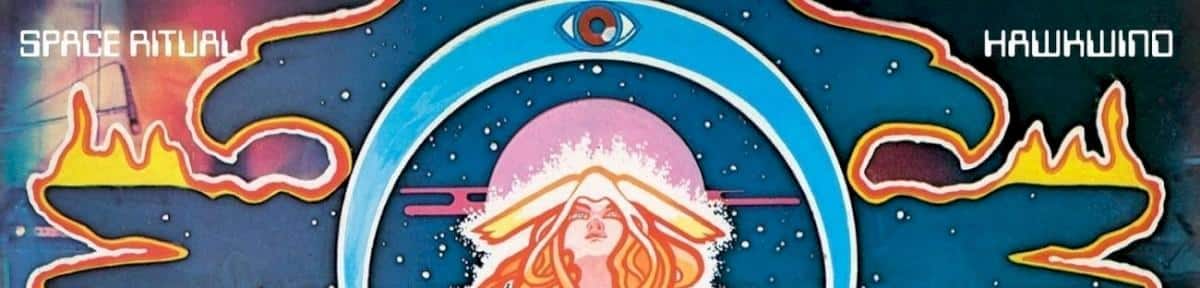
Space Ritual
1973
The classic live album from the same era as this song.
Features Lemmy on bass throughout.
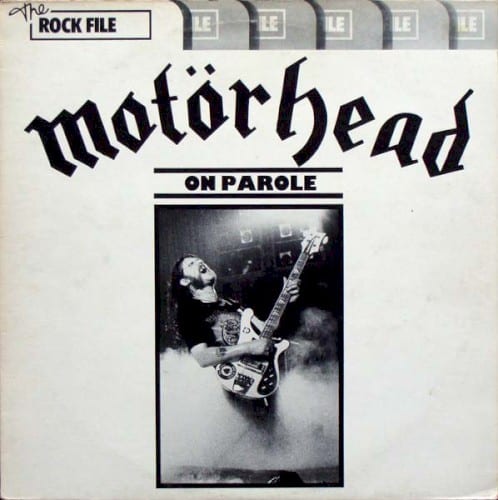
On Parole
1979 (recorded 1975-76)
Motorhead’s shelved debut, recorded soon after Lemmy left Hawkwind.
The clearest link from this song to Motorhead’s own catalog.
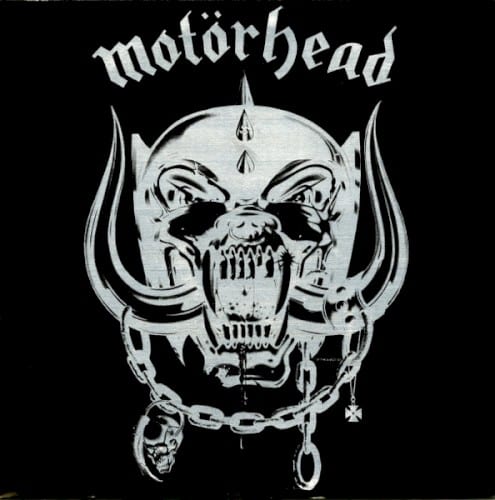
Motorhead
1977
The album that introduced Lemmy’s post-Hawkwind sound to the world.
Debuted the Snaggletooth logo still used today.
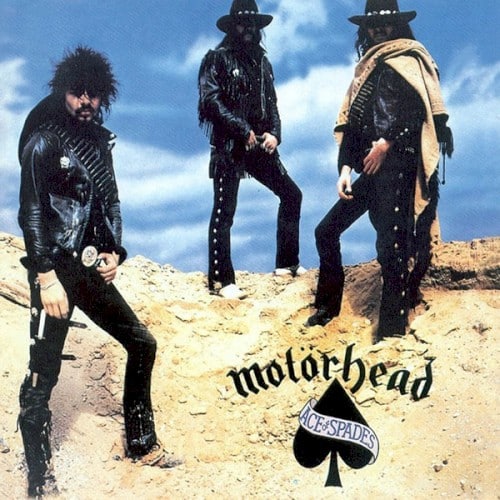
Ace of Spades
1980
The song that eventually eclipsed it as Lemmy’s signature anthem.
Built the reputation this song first hinted at.
You Might Also Like
Motorhead On Parole: The Band’s Shelved Debut
Recorded soon after Lemmy’s Hawkwind days ended with that hit single’s success behind him.
Motorhead Debut Album: The Chaotic Birth of a Legend
The 1977 record that gave Lemmy a full band identity beyond that early hit.
Ace of Spades Motorhead: Inside Rock’s Defining Anthem
The song that became Lemmy’s true signature, years after that earlier chart run.
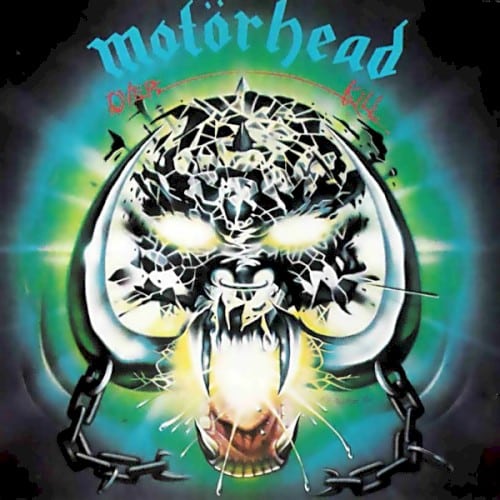
Motorhead Overkill: The 1979 Breakthrough
The record that gave Lemmy a second, lasting wave of chart success after that first hit.
Silver Machine gave Lemmy Kilmister his first real taste of chart success.
The song’s strange path from a weak live vocal to an accidental hit still makes for one of rock’s better behind the scenes stories.
Read the full lineup history of the members of Motorhead to see how Lemmy’s pre-Motorhead career connects to the band’s larger story.
As of 2026, Silver Machine remains a fascinating first chapter in the story of one of rock’s most enduring voices.
Last updated: July 26, 2026