

Stevie Nicks Trouble In Shangri La marked a triumphant return for the legendary singer-songwriter after a six-year absence from the studio.
Released in 2001, this album represented a creative rebirth for Nicks, blending her signature mystical storytelling with contemporary production techniques.
The album featured collaborations with some of rock’s most respected artists and producers, creating a sound that honored her past while embracing the new millennium.
After years of personal struggles and professional uncertainty, Nicks emerged with her most focused and emotionally resonant solo work in over a decade.
The project reunited her with longtime collaborators while introducing fresh voices that helped shape a modern yet timeless sound.
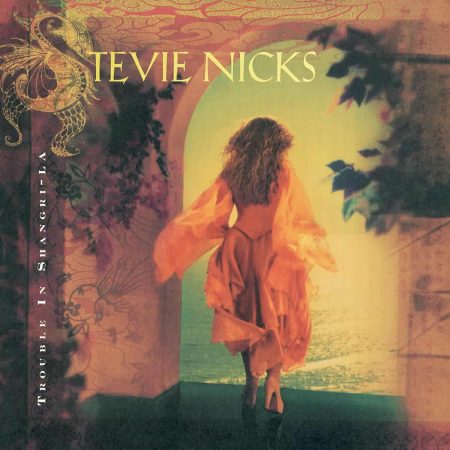
Stevie Nicks Trouble In Shangri La – Available on Amazon
Get Stevie Nicks Trouble in Shangri La on Vinyl or CD at Amazon
Affiliate Disclosure: I am an Amazon affiliate and if you purchase through any Amazon links on this site I may earn a small commission at no extra charge to you. This helps support classicrockartists.com. Thank you for your support!
Table of Contents
Click to expand
- Overview of Stevie Nicks Trouble In Shangri La
- Recording History and Production
- Track-by-Track Highlights of Stevie Nicks Trouble In Shangri La
- Chart Performance of Stevie Nicks Trouble In Shangri La
- Legacy and Cultural Impact
- Listener’s Note
- Collector’s Corner
- FAQ About Stevie Nicks Trouble In Shangri La
Overview of Stevie Nicks Trouble In Shangri La
Stevie Nicks Trouble In Shangri La arrived at a pivotal moment in the artist’s career and in popular music history.
The album was released on May 1, 2001, through Reprise Records, marking Nicks’ first solo studio album since 1994’s Street Angel.
During the intervening years, Nicks had reunited with Fleetwood Mac for The Dance tour and album, reigniting public interest in her work.
The success of that reunion gave her renewed confidence and creative energy to pursue a solo project that would define her legacy for a new generation.
The album’s title referenced the mythical paradise of Shangri-La, a fitting metaphor for Nicks’ own search for peace and artistic fulfillment.
She approached this project with a determination to create something meaningful, drawing on both her legendary past and her hopes for the future.
The mystical themes that had defined classics like Fleetwood Mac Rhiannon returned with renewed depth and maturity on this record.
Nicks assembled an impressive roster of collaborators, including Sheryl Crow, Sarah McLachlan, Macy Gray, and Natalie Maines of the Dixie Chicks.
These partnerships brought fresh perspectives while maintaining the ethereal quality that defined Nicks’ best work.
The production team included Glen Ballard, known for his work with Alanis Morissette, and longtime Nicks collaborator Waddy Wachtel.
This combination of old and new creative forces resulted in an album that sounded both contemporary and timeless.
The album contained thirteen tracks that explored themes of love, loss, spirituality, and redemption.
Recording History and Production
The recording sessions for Stevie Nicks Trouble In Shangri La took place primarily in Los Angeles between 1999 and 2000.
Nicks worked at several studios, including Record Plant Studios and Ocean Way Recording, facilities with deep connections to rock history.
The production process was notably collaborative, with different producers handling various tracks to create sonic diversity throughout the album.
Glen Ballard produced several key tracks, bringing a polished, radio-friendly sheen that helped the album connect with contemporary audiences.
His approach emphasized Nicks’ vocals while creating lush, layered arrangements that supported her storytelling.
Waddy Wachtel, who had worked with Nicks since her debut solo album Stevie Nicks Bella Donna, contributed his signature guitar work and production expertise.
His presence provided continuity with Nicks’ earlier solo work while allowing room for evolution and experimentation.
The album featured contributions from an impressive array of musicians, including Benmont Tench on keyboards and Mick Fleetwood on drums for select tracks.
According to Wikipedia, the album represented a conscious effort by Nicks to reclaim her artistic voice after years of personal and professional challenges.
She had overcome addiction issues in the 1990s and was determined to prove she could still create vital, relevant music.
The recording process was therapeutic for Nicks, allowing her to process emotions and experiences from the previous difficult years.
She wrote or co-wrote most of the album’s material, drawing on her extensive catalog of unrecorded songs and poems.
Some tracks had origins dating back years, while others were written specifically for this project.
The production aesthetic balanced organic instrumentation with contemporary studio techniques, avoiding the dated sound that plagued some veteran artists’ late-career work.
Nicks insisted on maintaining creative control throughout the process, ensuring the final product reflected her artistic vision.
The vocal collaborations were recorded with care, ensuring each guest artist’s contribution enhanced rather than overshadowed Nicks’ presence.
Sheryl Crow’s duet on “Sorcerer” brought a contemporary edge while respecting the song’s mystical atmosphere.
Sarah McLachlan’s ethereal voice blended perfectly with Nicks’ on “Too Far From Texas,” creating a haunting harmony.
Track-by-Track Highlights of Stevie Nicks Trouble In Shangri La
The album opens with “Planets of the Universe,” a powerful track originally written during the Rumours era but never recorded by Fleetwood Mac.
The song’s driving rhythm and defiant lyrics set the tone for an album about survival and transformation.
Nicks’ vocal performance is commanding, demonstrating that her voice had lost none of its distinctive raspy power.
The introspective quality recalls the emotional depth she brought to Fleetwood Mac Landslide, though with a more assertive energy.
“Sorcerer,” featuring Sheryl Crow, became one of the album’s standout tracks with its infectious melody and mystical imagery.
The collaboration between the two artists felt natural, with Crow’s contemporary sensibility complementing Nicks’ timeless approach.
The song’s production by Glen Ballard gave it commercial appeal without sacrificing artistic integrity.
“Every Day” served as the album’s lead single, a mid-tempo rocker with an optimistic message about perseverance.
The track featured a memorable chorus and production that balanced rock edge with pop accessibility.
“Bombay Sapphires” showcased Nicks’ gift for creating vivid, poetic imagery within a rock framework.
The song’s exotic title and mysterious lyrics demonstrated her continued fascination with the mystical and otherworldly.
“Candlebright” offered a more intimate moment, with sparse instrumentation allowing Nicks’ voice and lyrics to take center stage.
The track’s vulnerability recalled the confessional quality of her earlier ballads while feeling entirely contemporary.
“Love Is” featured Natalie Maines and brought a country-rock flavor that expanded the album’s sonic palette.
The duet highlighted Nicks’ versatility and willingness to explore different musical territories.
“Too Far From Texas,” with Sarah McLachlan, created an ethereal soundscape that transported listeners to another realm.
The harmonies between the two vocalists were exquisite, creating moments of transcendent beauty.
“Trouble in Shangri-La,” the title track, served as the album’s emotional centerpiece.
The song explored themes of paradise lost and the search for meaning in a chaotic world.
Nicks’ lyrics painted vivid pictures of spiritual longing and the difficulty of finding peace in modern life.
“Thrown Down” brought a harder rock edge, with aggressive guitars and a defiant vocal performance.
The track proved Nicks could still rock with the best of them, channeling the energy of her work on Stevie Nicks The Wild Heart.
“That Made Me Stronger” offered an empowering message about overcoming adversity and emerging transformed.
The song’s autobiographical elements resonated with fans who had followed Nicks’ personal journey.
“Fall From Grace” featured Macy Gray and brought an unexpected R&B influence to the album.
The collaboration demonstrated Nicks’ openness to cross-genre experimentation and her respect for diverse musical traditions.
“Everybody Loves You” closed the album on a bittersweet note, exploring the loneliness that can accompany fame and success.
Chart Performance of Stevie Nicks Trouble In Shangri La
Stevie Nicks Trouble In Shangri La achieved impressive commercial success upon its release in May 2001.
The album debuted at number five on the Billboard 200 chart, marking Nicks’ highest-charting solo album since 1983’s The Wild Heart.
This strong debut demonstrated that Nicks retained significant commercial appeal more than two decades into her solo career.
The album sold approximately 663,000 copies in the United States, eventually earning Gold certification from the RIAA.
While not matching the multi-platinum success of her early solo work, these numbers represented a significant achievement for a veteran artist in the changing music industry landscape of 2001.
The lead single “Every Day” received substantial adult contemporary radio play, reaching number 37 on the Billboard Adult Contemporary chart.
The song’s optimistic message and accessible melody made it a favorite among longtime fans and introduced Nicks to younger listeners.
“Sorcerer” was released as the second single and received significant airplay on adult album alternative stations.
The collaboration with Sheryl Crow helped attract attention from contemporary rock audiences who might not have been familiar with Nicks’ extensive catalog.
Internationally, the album performed well in several markets, particularly in Australia and the United Kingdom.
In Australia, the album reached the top twenty, demonstrating Nicks’ enduring popularity in that market.
The UK charts saw the album peak at number 42, a respectable showing given the competitive nature of the British music scene.
Critical reception was generally positive, with reviewers praising Nicks’ vocal performances and the album’s cohesive production.
Many critics noted that the album represented a creative resurgence after the disappointing reception of Street Angel.
The album’s success led to an extensive promotional tour, with Nicks performing on numerous television programs and at special events.
Her appearances helped maintain the album’s visibility and sales momentum throughout the summer and fall of 2001.
Legacy and Cultural Impact
Stevie Nicks Trouble In Shangri La has grown in stature since its release, now recognized as one of the strongest late-career albums by a classic rock artist.
The album demonstrated that veteran artists could create relevant, contemporary music without abandoning their signature sound or artistic identity.
Nicks’ willingness to collaborate with younger artists set a template that many of her peers would follow in subsequent years.
The cross-generational collaborations introduced Nicks to new audiences while giving her music a contemporary context.
Artists like Sheryl Crow and Sarah McLachlan spoke publicly about their admiration for Nicks, helping cement her status as an influence on multiple generations of female rockers.
The album’s themes of resilience and transformation resonated particularly strongly with fans who had followed Nicks through her personal struggles.
Her openness about overcoming addiction and finding renewed creative purpose inspired many listeners facing their own challenges.
The mystical imagery and spiritual themes that permeated the album connected to the same archetypal storytelling that made songs like Fleetwood Mac Gypsy so enduring.
Several tracks from the album became staples of Nicks’ live performances, with “Planets of the Universe” emerging as a particular fan favorite.
The song’s powerful message and driving rhythm made it a highlight of her concerts for years to come.
You can experience the album’s enduring power through this YouTube video featuring performances from the era.
The album’s success paved the way for Nicks’ continued solo career, leading to subsequent releases and tours that maintained her presence in popular culture.
It proved that there was still a substantial audience for her music and that she could compete in the contemporary marketplace.
The production techniques and collaborative approach influenced how other classic rock artists approached their later-career recordings.
The album demonstrated that respecting one’s artistic legacy while embracing contemporary sounds was not only possible but could result in commercially and artistically successful work.
Fashion and visual elements from the album era, including Nicks’ signature shawls and bohemian aesthetic, continued to influence her public image and inspired countless imitators.
The album’s artwork and promotional materials reinforced Nicks’ mystical persona while presenting a mature, confident artist in full command of her powers.
Listener’s Note
When I first heard this album in 2001, I was struck by how vital and contemporary Stevie Nicks sounded after such a long absence from solo recording.
The opening track “Planets of the Universe” immediately grabbed my attention with its defiant energy and powerful vocal performance.
I remember thinking that this was the Stevie Nicks I had been waiting to hear again, confident and creatively engaged.
The collaborations throughout the album never felt forced or like obvious attempts to chase contemporary trends.
Instead, each guest artist seemed carefully chosen to complement specific songs and bring out different facets of Nicks’ artistry.
The Sheryl Crow duet on “Sorcerer” particularly impressed me with how naturally their voices blended.
What struck me most was the album’s emotional honesty and the sense that Nicks was sharing hard-won wisdom.
Songs like “That Made Me Stronger” felt deeply personal yet universally relatable.
The production quality impressed me, managing to sound contemporary without relying on dated early-2000s trends that would quickly age poorly.
I found myself returning to the album repeatedly, discovering new layers and nuances with each listen.
The title track became a personal favorite, with its evocative lyrics about searching for paradise and finding trouble instead.
Listening to the album now, more than two decades later, I’m struck by how well it has aged compared to many releases from that era.
The songs still sound fresh and relevant, a testament to the quality of the songwriting and production.
This album reminds me why Stevie Nicks remains such an important figure in rock music, capable of creating meaningful art across multiple decades.
Affiliate Disclosure: I am an Amazon affiliate and if you purchase through any Amazon links on this site I may earn a small commission at no extra charge to you. This helps support classicrockartists.com and allows me to keep providing deep-dive content on the legends of rock. Thank you for your support!
Collector’s Corner
For collectors and fans looking to own Stevie Nicks Trouble In Shangri La, several formats and editions are available.
The original CD release from 2001 remains widely available and affordable, making it an accessible entry point for new fans.
The album was also released on vinyl in limited quantities, and these original pressings have become increasingly sought after by collectors.
A deluxe edition was never officially released, though fans have long hoped for an expanded version with bonus tracks and demos.
The album is available on all major streaming platforms, allowing easy access for modern listeners.
However, owning a physical copy provides the full album artwork and liner notes, which add context and depth to the listening experience.
The CD booklet includes lyrics and credits, offering insights into the collaborative nature of the project.
For those interested in exploring more of Nicks’ catalog, this album pairs well with Stevie Nicks 24 Karat Gold, her 2014 release that revisited unreleased songs from throughout her career.
Purchase Stevie Nicks Trouble in Shangri La on Amazon to experience this essential chapter in rock history.
The album represents excellent value for both casual listeners and serious collectors, offering a complete artistic statement from one of rock’s most enduring voices.
Japanese editions of the album sometimes included bonus tracks or alternate mixes, making them particularly desirable for completists.
Promotional copies and radio edits occasionally appear on the collector’s market, offering interesting variations for dedicated fans.
FAQ About Stevie Nicks Trouble In Shangri La
When was Stevie Nicks Trouble In Shangri La released?
Stevie Nicks Trouble In Shangri La was released on May 1, 2001, through Reprise Records.
The album marked Nicks’ return to solo recording after a seven-year gap since her previous studio album Street Angel.
The release came at a time when Nicks had renewed creative energy following the successful Fleetwood Mac reunion tour.
Who produced Stevie Nicks Trouble In Shangri La?
The album featured multiple producers working on different tracks, including Glen Ballard and Waddy Wachtel.
Glen Ballard, known for his work with Alanis Morissette, brought contemporary production sensibilities to several key songs.
Waddy Wachtel, a longtime Nicks collaborator, provided continuity with her earlier solo work while allowing for creative evolution.
This multi-producer approach gave the album sonic diversity while maintaining overall cohesion.
What are the best songs on Stevie Nicks Trouble In Shangri La?
Fan and critical favorites include “Planets of the Universe,” a powerful track originally written during the Rumours era.
“Sorcerer,” featuring Sheryl Crow, stands out for its infectious melody and successful collaboration.
The title track “Trouble in Shangri-La” serves as the album’s emotional centerpiece with its evocative lyrics and mystical atmosphere.
“Every Day,” the lead single, remains popular for its optimistic message and accessible sound.
“Too Far From Texas,” with Sarah McLachlan, creates haunting beauty through exquisite vocal harmonies.
How did Stevie Nicks Trouble In Shangri La perform on the charts?
The album debuted at number five on the Billboard 200, Nicks’ highest-charting solo album since 1983.
It sold approximately 663,000 copies in the United States and earned Gold certification from the RIAA.
The lead single “Every Day” reached number 37 on the Billboard Adult Contemporary chart.
Internationally, the album performed well in Australia and the United Kingdom, demonstrating Nicks’ global appeal.
You Might Also Like
Stevie Nicks Bella Donna
Explore Stevie Nicks’ groundbreaking 1981 debut solo album that established her as a force beyond Fleetwood Mac.
Fleetwood Mac Dreams
Discover the story behind Stevie Nicks’ most streamed song and its unexpected 2020 viral resurgence.
Stevie Nicks Tour 2025
Get the latest information on Stevie Nicks’ 2025 tour dates, setlists, and concert news.
Stevie Nicks Trouble In Shangri La remains a testament to artistic resilience and the power of creative reinvention in the face of personal and professional challenges.