

The Road to Escondido: Clapton and Cale’s Masterpiece
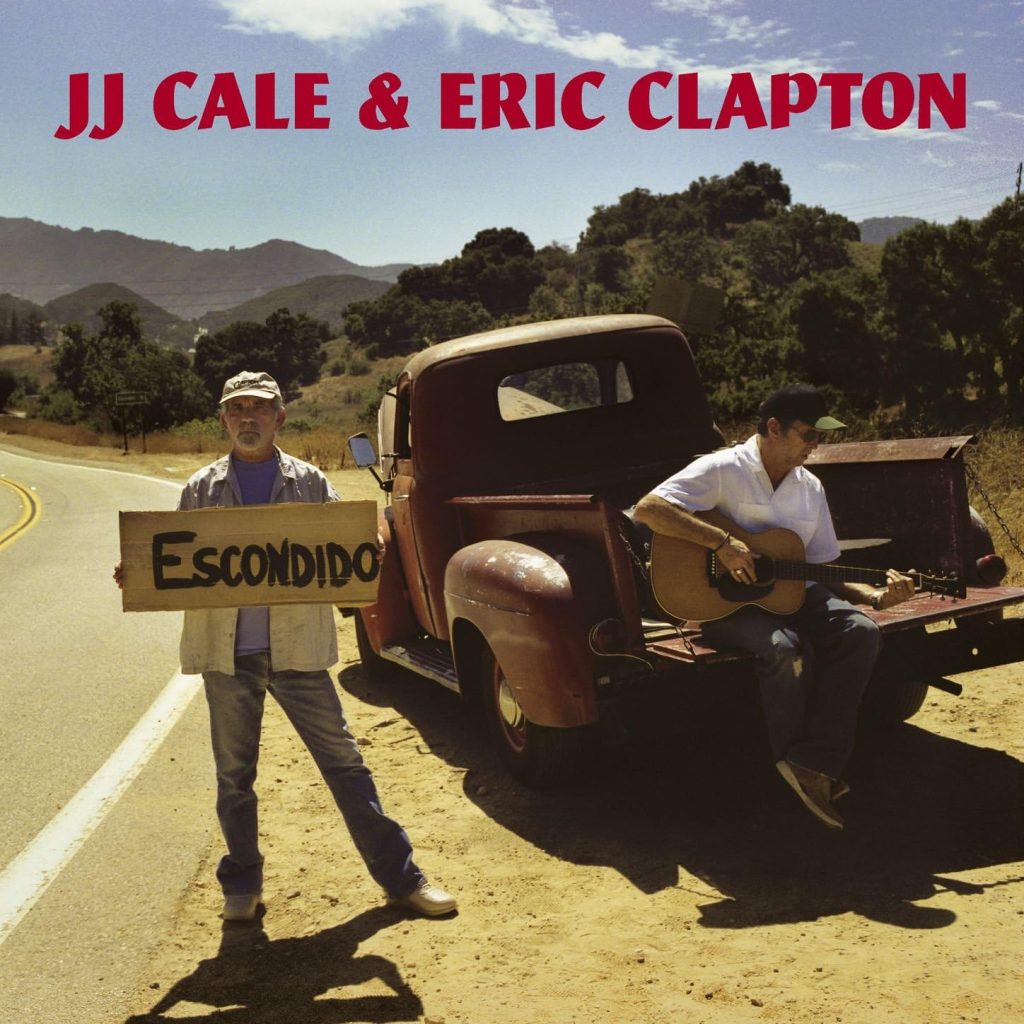
The Road to Escondido is one of the most quietly devastating albums in Eric Clapton’s entire catalog, and it still doesn’t get the credit it deserves.
Released in 2006, it brought together two guitar legends who had circled each other’s orbits for decades without ever fully committing to a joint record.
That wait made the result all the more striking.
Quick Navigation
Quick Navigation
The Road to Escondido: The Definitive Album Vision
JJ Cale had written two of the biggest songs in Clapton’s career without ever sharing a stage with him.
“After Midnight” and “Cocaine” made Clapton a household name, but Cale stayed famously in the shadows.
This album was the reckoning, the moment Clapton finally pulled Cale into the spotlight beside him.
The result is 14 tracks of sun-baked, front-porch blues that feel nothing like a corporate studio project.
It won the Grammy for Best Contemporary Blues Album in 2007, which was the right call.
How Two Guitar Legends Finally Found Each Other
Clapton had been publicly crediting Cale for years before this album materialized.
In multiple interviews, he described Cale’s minimalist approach as the single biggest influence on his post-Cream playing style.
If you’ve read our deep dive on the members of Cream, you understand how radical that statement really is.
Clapton spent the 1960s playing at maximum voltage.
Cale taught him that silence and space are where the real power lives.
The album came together partly through producer Simon Climie, who helped Clapton shape his sound across multiple records in the 1990s and 2000s.
Recording happened in Cale’s preferred low-key fashion: small studios, minimal overdubs, live-feel tracking.
Cale hated spectacle, and you can hear that philosophy in every groove on this record.
The Road to Escondido Sound: Lazy, Precise, and Deep
The production on this album is deceptively simple.
There are no arena-rock arrangements, no string sections, no desperate attempts to chase radio trends.
What you get instead is two guitarists trading phrases like old friends who have nothing left to prove.
Clapton’s tone throughout the record is warm and restrained, closer to his Unplugged era than anything from his Cream days.
Cale’s playing is even more stripped back, which somehow makes every note hit harder.
The rhythm section stays in the pocket and never overreaches.
Drums and bass function like the foundation of a house: you don’t notice them until they’re gone.
The album was recorded across multiple locations, including studios in Nashville and California.
That geographical spread gives the record a loose, road-worn feeling that suits the title perfectly.
Key Tracks and the Deep Cuts Worth Your Time
“Call Me the Breeze” is the obvious opener crowd-pleaser, a Cale original that Lynyrd Skynyrd had already turned into a Southern rock staple.
Clapton and Cale reclaim it here with a version that’s slower, smokier, and more relaxed than any prior recording.
“Anyway the Wind Blows” is the track that stops you mid-listen.
Cale’s vocal is barely above a murmur, and Clapton’s guitar response is so perfectly timed it sounds like a conversation.
Fans of Clapton’s work on Layla and Other Assorted Love Songs will recognize the same instinct for restraint over flash.
“Hard to Thrill” is the album’s emotional anchor, a meditation on a life spent chasing something just out of reach.
The title track, “The Road to Escondido,” closes things in a way that feels earned rather than arranged.
You can watch the full album performance with JJ Cale on YouTube to hear how it all holds together from start to finish.
Legacy: Why This Album Still Matters
JJ Cale passed away in July 2013, which means this record is now the definitive document of what these two men created together.
There will be no follow-up, no reunion tour, no deluxe reissue with bonus sessions.
What exists is what exists, and it’s more than enough.
Clapton has spoken about Cale’s passing with genuine grief in interviews, describing the loss as irreplaceable.
If you want to understand the full arc of Clapton’s career, from the volcanic energy of his early blues work to the considered playing of his later decades, the From the Cradle album and this record form two ends of a remarkable spectrum.
For more background on the Wikipedia entry for the full album credits and recording details, visit the Road to Escondido Wikipedia page.
Clapton’s ability to reinvent himself without abandoning his roots is also documented in our coverage of his 2026 Slowhand Returns to Europe tour.
The Road to Escondido also stands as the only studio album where Cale receives full co-billing with another artist.
That alone tells you something about how much this project meant to both men.
Affiliate Disclosure: As an Amazon Associate, I earn from qualifying purchases. This means that if you click on a link to a classic rock album or piece of gear on this site and make a purchase, I may receive a small commission at no extra cost to you. This helps support classicrockartists.com and allows me to keep providing deep-dive content on the legends of rock. Thank you for your support!
Where to Find The Road to Escondido
If you don’t own this album yet, that’s a gap worth closing today.
It holds up on every listen, and it sounds particularly good on vinyl if you have a turntable.
Get The Road to Escondido on Amazon
You can also browse the full Eric Clapton discography on Amazon to explore the rest of his catalog.
For fans who want more context on the albums that shaped Clapton’s sound, our review of Slowhand and the 461 Ocean Boulevard deep dive are solid starting points.
The Road to Escondido remains a record that rewards patience, repeated plays, and a decent pair of headphones.