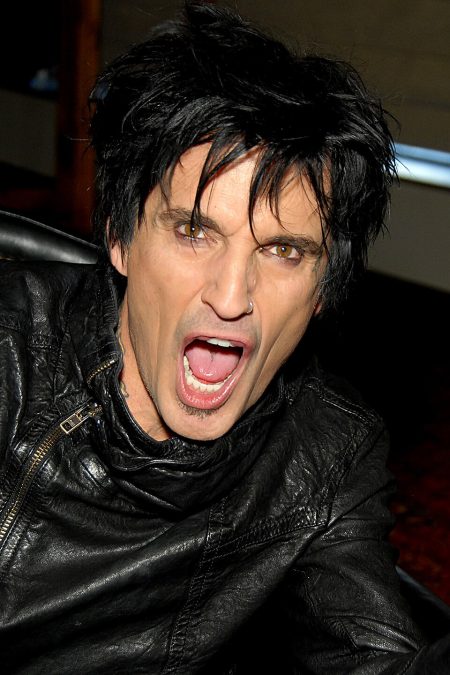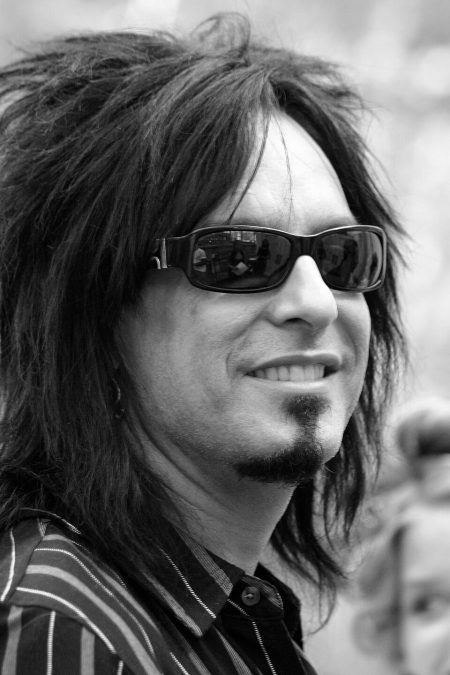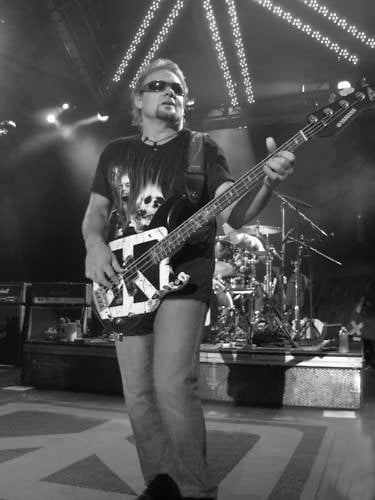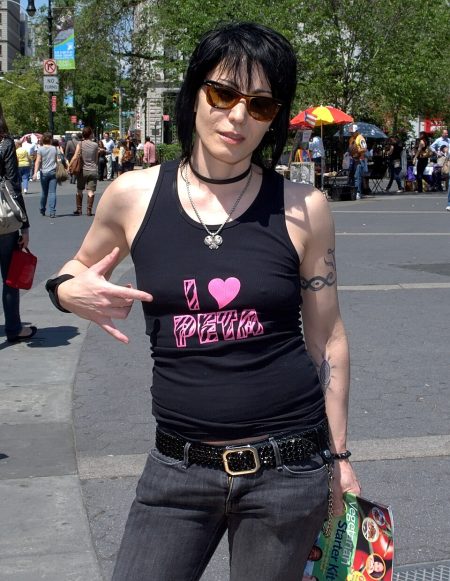

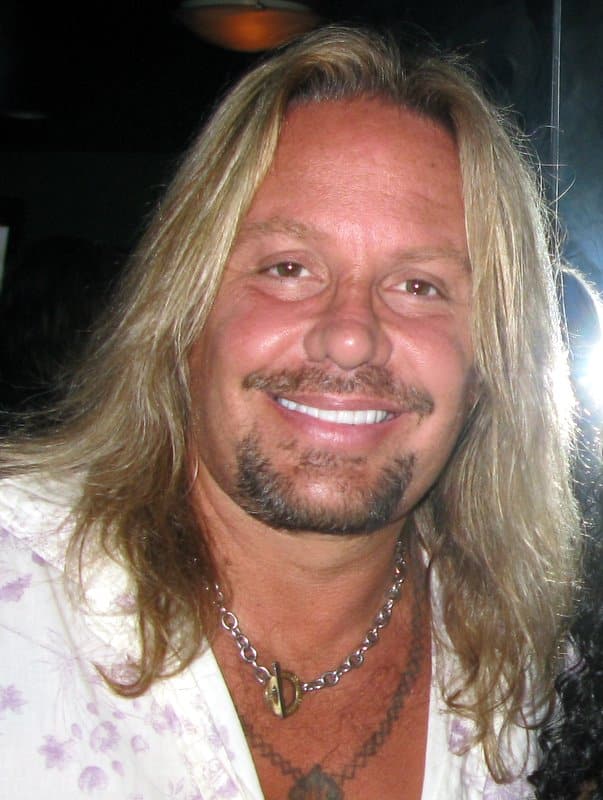
Vince Neil has one of those voices that locks into your memory the first time you hear it: a high, piercing tenor that could cut through a wall of Marshall amplifiers and still land in the cheap seats.
Quick Navigation
Vince Neil: Born Under a California Sun
Vince Neil was born Vincent Neil Wharton on February 8, 1961, in Hollywood, California, and from the very beginning his life unfolded in the specific geography of Los Angeles that produces either rock stars or something much more ordinary.
His family moved to Compton when he was young, and then later to the San Fernando Valley, where Vince Neil grew up navigating the social landscape of Southern California public schools in the late 1970s.
Music was the constant in his life during those years: he sang in school productions, performed in talent shows, and developed the kind of vocal instincts that come from singing long before anyone teaches you what you are supposed to be doing.
He has described those early years as a time of perpetual restlessness, a sense that the world he could see around him was too small for the noise he felt building inside.
Vince Neil had no formal vocal training to speak of, which in retrospect seems almost absurd given what he eventually produced with that voice across four decades of recording and live performance.
The voice was simply there, and the drive to put it somewhere large enough to hold it pointed him in one direction only: toward the clubs and the stages and the circuits where rock and roll was actually being made.
From Compton to the Sunset Strip
The Sunset Strip in the early 1980s was the proving ground that either made you or showed you the door, and for a young vocalist from the San Fernando Valley with a voice like a blade and ambition to match, it was the only logical destination.
Vince Neil played in a local band called Rock Candy before answering an ad that placed him in front of a group of musicians who were building something considerably more serious than a weekend cover act.
The clubs along the Strip rewarded bands that could generate their own crowd, and Mötley Crüe in those early months were experts at exactly that, drawing audiences by sheer force of personality and a willingness to push every element of the show well past comfortable limits.
Vince Neil fit that approach so perfectly that the band’s ambitions immediately expanded to accommodate what he brought to the front of the stage.
He was not just a singer: he was a presence, someone who made the audience feel that being in the same room as this band was a privilege they were lucky to have.
That quality is not something that can be taught, and the Sunset Strip crowds in those early years recognized it immediately.
Vince Neil Joins Mötley Crüe and Everything Changes
Vince Neil joined Mötley Crüe in 1981, completing the classic lineup alongside bassist Nikki Sixx, drummer Tommy Lee, and guitarist Mick Mars.
The full account of who each of those members brought to the table is covered at the members of Mötley Crüe hub, but the short version is that the lineup was complete the moment Vince Neil walked into the room.
The band self-released their debut album “Too Fast for Love” in 1981, selling copies at shows out of whatever transportation they happened to have access to.
Elektra Records signed the band after watching the buzz they had generated on their own, and from that point forward Vince Neil’s voice was on its way to radio stations, arenas, and MTV screens across the country.
The combination of that voice with the band’s theatrical visual identity and Nikki Sixx’s songwriting created something that the music industry of 1981 had not quite seen before.
Vince Neil delivered the melody lines that turned the band’s heaviest riffs into hit singles, and that is a specific skill that not every rock vocalist possesses, regardless of how powerful their instrument might be.
The chemistry in that original lineup was real, and the audiences who packed the Whisky a Go Go and the Starwood could feel it in a way that transcended whatever individual talent any one member brought to the stage.
Shout at the Devil and the Making of a Front Man
The 1983 album “Shout at the Devil” was the record that turned Mötley Crüe from a promising band into a genuine cultural phenomenon, and Vince Neil’s vocal performances on that album were a primary reason why.
The combination of aggression and melody he delivered on tracks like “Looks That Kill” and the title song demonstrated that hard rock could be both threatening and accessible at the same time.
The band’s visual presentation, built around black leather, pentagram imagery, and stage productions that bordered on the theatrical, gave Vince Neil a context in which his front-man instincts could operate at full intensity.
He was not a passive face in front of a band: he worked the stage constantly, playing to the front row and the back row simultaneously in a way that arena crowds respond to with unconditional loyalty.
The “Theatre of Pain” tour that followed the album pushed the band into arenas that were selling out on the strength of word-of-mouth and MTV exposure that the network’s young audience was converting directly into ticket sales.
For anyone paying attention to where rock was going in the mid-1980s, Vince Neil and Mötley Crüe were the answer to a question the audience had not yet fully articulated.
The Razzle Tragedy and Its Long Shadow
December 8, 1984, is the date that sits permanently in any honest accounting of Vince Neil’s life, and it does not belong in the shadows of a biography that intends to be complete.
That night, Vince Neil was driving drunk when his car struck an oncoming vehicle, killing Nicholas “Razzle” Dingley, the drummer for Finnish band Hanoi Rocks, who was a passenger in his car.
Two people in the other vehicle were seriously injured.
Vince Neil was convicted of vehicular manslaughter, sentenced to 30 days in jail and five years of probation, and ordered to pay approximately 2.5 million dollars in restitution to the victims and their families.
He served 18 days of that sentence.
The reaction from the music community was immediate and polarized: many felt the sentence was absurdly light given the circumstances, and that criticism has followed Vince Neil throughout his career in ways that are impossible to separate from the rest of his story.
He has spoken about the incident in interviews over the years with varying levels of candor, and the weight of that night has never fully lifted from the public record of who Vince Neil is.
Razzle was 24 years old when he died.
Affiliate disclosure: Some links in this article are affiliate links. If you purchase through them, we earn a small commission at no additional cost to you.
DID YOU KNOW?
“Vince Neil” is not a stage name invented for the band: it is his actual first and middle name. He was born Vincent Neil Wharton and dropped the surname “Wharton” entirely when he entered the music industry. Fans who have been singing his name at concerts for forty years have been using his given first and middle names the whole time, with no invented persona involved at all. The full story of the band he helped build from those early club days is told with brutal honesty in the Mötley Crüe autobiography The Dirt, which is essential reading for anyone who thinks they already know this story.
Girls, Girls, Girls and Dr. Feelgood: The Commercial Peak
The period between 1987 and 1990 represented the peak of Mötley Crüe’s commercial dominance, and Vince Neil’s voice was at the center of both records that defined it.
“Girls, Girls, Girls” reached number two on the Billboard 200 in 1987 and produced one of the most iconic rock singles of the decade, with Vince Neil’s delivery of the title track becoming the template for how the band’s anthems were supposed to sound.
The 1989 album “Dr. Feelgood” went further, debuting at number one and staying on the charts for the better part of two years, including the smash single Kickstart My Heart, which has since become one of the most used rock songs in sports broadcasts, film trailers, and television worldwide.
Vince Neil’s vocal on “Kickstart My Heart” is a masterclass in how to deliver a melody that is simultaneously powerful enough for a rock audience and catchy enough to cross over to listeners who would never describe themselves as metal fans.
The “Dr. Feelgood Tour” was enormous, selling out arenas across two continents and running for nearly two years, during which Vince Neil performed that set night after night with a consistency that the record on its own cannot fully convey.
This was the moment where Mötley Crüe became one of the biggest rock bands on the planet, and Vince Neil was the voice that everyone in those arenas was singing along with.
DID YOU KNOW?
Vince Neil participated in celebrity boxing events in the early 2000s, training seriously with professional coaches for bouts that included a match against rapper Vanilla Ice in 2002. Outside of the ring, he has maintained a fitness regimen throughout his career that rarely makes it into the rock excess narrative but has contributed to his ability to continue performing at a high level well into his sixties. The album that documented the band at their physical and commercial peak, complete with the Vince Neil vocal performances that defined the era, is the Dr. Feelgood record, which holds up as well today as it did in 1989.
Vince Neil Fired: The Solo Years and the Hard Road Back
In February 1992, Mötley Crüe announced that Vince Neil was no longer their vocalist, and the music world that had watched him build that band spent the next several years trying to figure out what either side was going to do next.
The official explanation cited creative differences and a desire by the remaining members to take the band in a new direction, though the full picture involved personal tensions and professional frustrations on multiple sides that took years to become fully public.
Vince Neil moved quickly into solo territory, releasing his debut solo album “Exposed” in 1993, which produced the single “You’re Invited (But Your Friend Can’t Come)” and reached number thirteen on the Billboard 200.
The album demonstrated that Vince Neil could sustain an audience without the Mötley Crüe machinery behind him, but it also made clear how much of the band’s identity had been built around the specific chemistry of those four members together.
A second solo album, “Carved in Stone,” followed in 1995, the same year that Vince Neil experienced the most devastating personal loss of his life: the death of his four-year-old daughter Skylar Lynnae Neil from ovarian cancer.
He has spoken in interviews about how that loss reshaped everything, including his perspective on the music industry disputes that had consumed so much energy in the years before it happened.
He established the Skylar Neil Memorial Fund in her name to support pediatric cancer research, and that charitable work continues to be one of the most substantive things Vince Neil does outside of the music itself.
Vince Neil Returns: Reunion, Revival, and the 2000s
The original lineup of Mötley Crüe reunited in 1997, and Vince Neil’s return to the band was greeted with the kind of audience enthusiasm that made clear how much his absence had been felt.
The reunion album “Generation Swine” received mixed reviews, but the tours that followed were commercially successful and reminded everyone involved of what the four-piece could generate when they were on the same stage together.
Vince Neil has spoken about the reunion as the moment he understood that whatever creative disagreements had led to the split, the band itself was bigger than any individual grievance or ambition.
The 2000s brought a series of tours and the critically acclaimed “Saints of Los Angeles” album in 2008, which documented the band’s origins through a concept that gave Vince Neil some of his most energized vocal performances in years.
The Vince Neil Wikipedia entry provides a thorough chronology of the recording and touring activity across this period for anyone who wants the full sequence of releases and dates.
What that chronology cannot quite capture is the experience of watching Vince Neil perform those songs to audiences who had been waiting fifteen years to hear them again from the person who made them what they are.
The reunion era produced moments of genuine electricity, and Vince Neil was at the center of every one of them.
Vince Neil at Home: Nashville, Cars, and Life Off Stage
Away from the stage, Vince Neil has built a life that reflects both his California roots and a personal comfort with the kind of space and scale that his career has made possible.
He owns property in Nashville, Tennessee, a city that has become a second home for a number of rock musicians drawn to its combination of music culture and Southern hospitality.
Vince Neil’s Nashville property has become famous among fans largely because of the cars it houses: an extraordinary collection of vintage and exotic vehicles that speaks to a passion for automotive culture that rivals his commitment to rock music in terms of time and resources invested.
He has spoken in interviews about the cars as both a hobby and an obsession, describing the process of finding and restoring specific models with the same intensity he brings to discussing a great recording session.
Beyond the cars, Vince Neil has built a business profile that extends well beyond music, including his restaurant Vince Neil’s Tatuado Kitchen + Bar in Las Vegas and several other commercial ventures that have made him a presence in the hospitality industry independent of his touring income.
He has also launched his own tequila brand, adding to a portfolio of business interests that reflects a deliberate effort to build something that will outlast any single tour or album cycle.
Watch Vince Neil take rock legend Sammy Hagar through his remarkable Nashville home and the car collection that fills it.
The Health Scare That Made Headlines
In recent years, Vince Neil’s health has become one of the more closely watched stories in the rock world, particularly after reports emerged about a medical episode that raised serious concerns among fans and the broader music community.
The full account of the stroke and its aftermath, including the impact on Mötley Crüe’s schedule and the response from the Las Vegas community where Vince Neil has significant business ties, is covered in detail at the Vince Neil stroke and comeback story.
What matters from a biographical perspective is how Vince Neil responded: with the kind of stubborn forward momentum that has characterized his approach to every serious setback he has faced across six decades.
He has been direct in interviews about the challenges recovery presented and equally direct about his intention to continue performing, which is less a statement of bravado than a reflection of who he actually is when things get hard.
Fans who have followed Vince Neil through the 1984 accident, the death of his daughter, the band breakup, and all the subsequent turbulence understand that adversity has never once convinced him to walk away from the stage.
That quality, more than any single record or concert, may be the most accurate reflection of his character.
DID YOU KNOW?
Vince Neil has a commercial presence in Las Vegas that goes well beyond his concert appearances in the city. He owns and operates Vince Neil’s Tatuado Kitchen + Bar, a restaurant and bar concept that draws both tourists and local regulars. He also launched his own tequila brand as part of a broader portfolio of business ventures in hospitality and lifestyle that generate revenue entirely separate from his touring income. The album that started it all and still captures the essence of what made Vince Neil a household name is available on Girls, Girls, Girls, a record that holds up as a perfect document of the band at the height of their powers.
Vince Neil Live: Still Commanding the Stage
Watching Vince Neil perform live has always been an exercise in understanding what separates a singer from a front man, and the distinction matters more on a stage than it does anywhere else.
He has never been a technically pure vocalist in the conservatory sense of the word, and the fans who have loved him for forty years would not want him to be.
Vince Neil at his best is a performer who makes the entire arena feel like it is personally invited into the experience, who delivers a melody line with enough grit and momentum that the technical shortcomings become irrelevant against the sheer force of the communication happening between stage and crowd.
That quality has persisted across the decades in ways that have surprised critics who expected the voice to diminish more than it has.
His stage movement, his timing with the band, and his rapport with the audience remain the instinctive tools of someone who spent the formative years of his career performing in venues where you either commanded the room or you lost it immediately.
Vince Neil has never lost it, not across the club years, the arena years, the reunion years, or the decades of touring that followed.
That consistency is not an accident: it is the result of a commitment to performing that has survived personal tragedy, professional rupture, public controversy, and the physical demands of a career that has never operated at low intensity.
Mötley Crüe 2026: Back for More
The announcement of Mötley Crüe’s 2026 return to the road produced the kind of immediate, sustained enthusiasm that only a catalog this deep and a history this dramatic can generate.
The Carnival of Sins 2026 tour is shaping up to be the kind of full-scale production that the band has always used to set themselves apart from the competition, and Vince Neil’s voice will be the instrument carrying those productions every night.
Conversations around setlist changes for 2026 suggest the band is thinking carefully about what they want these shows to say, which is a more deliberate approach than casual observers might expect from a band that built their reputation on calculated chaos.
The recent appearance on American Idol generated strong public reaction, with coverage of the American Idol performance response making the rounds across rock media for days afterward.
The band has navigated the departure of founding guitarist Mick Mars, whose exit is detailed in the Mick Mars feud story, and continues to move forward with the confidence of a band that has survived considerably worse disruptions than a lineup change.
For anyone who wants a clear picture of where the band stands heading into 2026, the full overview is at the members of Mötley Crüe hub, which covers every current and former member in the context of where the band is now.
The Vince Neil Legacy
When you try to account for what Vince Neil has meant to the music of the last four decades, you keep running into the same problem: the standard categories do not quite fit.
He is not the most technically gifted vocalist in rock history, and he would probably be the first to acknowledge it without much prompting.
What Vince Neil is, and has always been, is one of the most effective rock communicators who ever stood in front of a band: someone who could take a song and make it feel like it was written specifically for the person in the back row of a 20,000-seat arena.
That quality is rarer than perfect pitch and more valuable than any amount of formal vocal training, and the four decades of sold-out concerts and enduring radio play are the evidence for that claim.
You can follow Vince Neil on Instagram, on Facebook, and on X, and keep up with band news at the official Mötley Crüe website.
Vince Neil built his career one performance at a time, in clubs and arenas and stadiums across forty years, and the voice that started all of it is still the one you hear every time Mötley Crüe takes the stage.