

Jack Casady Jefferson Airplane bass lines gave the San Francisco counterculture its low end and its swagger.
He joined the band in 1965 as a favor to a childhood friend.
He left it seven years later as one of the most copied bassists in rock.
Casady played the bass like a second lead guitar, loud and melodic, high on the neck.
He then spent the next 50 years proving it was not a fluke, mostly in Hot Tuna.
This biography follows the whole run, from a Washington, D.C. club kid to a Rock and Roll Hall of Fame inductee still on the road.
Affiliate Disclosure: I am an Amazon affiliate and if you purchase through any amazon links on this site i may earn a small commission at no extra charge to you.
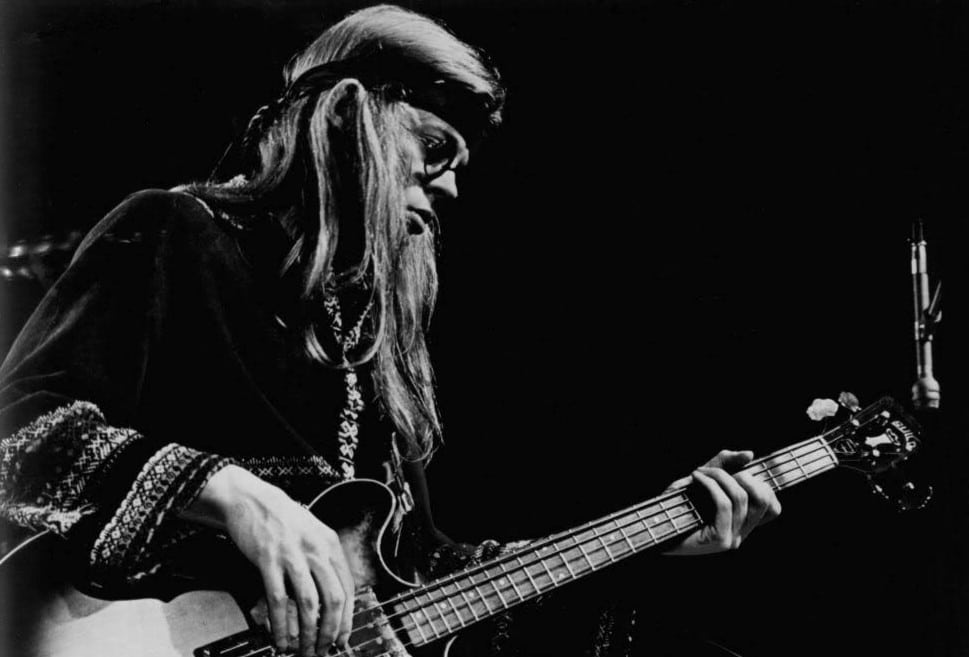
Image Credit: Jefferson Airplane / Grunt Records promotional photo, public domain, via Wikimedia Commons
📋 Table of Contents [+]
Who Is Jack Casady Jefferson Airplane’s Bassist?
Jack Casady is an American bass guitarist born on April 13, 1944, in Washington, D.C.
He played bass in Jefferson Airplane from 1965 to 1972, the band’s entire peak run.
He is best known for a melodic, treble-heavy style that treated the bass as a lead voice.
With guitarist Jorma Kaukonen he also founded Hot Tuna, which has toured for more than 50 years.
He was inducted into the Rock and Roll Hall of Fame in 1996 as a member of the Airplane.
You can trace every lineup he touched through the Jefferson Airplane members guide.
Key Takeaways
Jack Casady Jefferson Airplane bass work made the instrument a lead voice, not just timekeeping.
Jorma Kaukonen recruited him in September 1965, and the two have played together ever since.
He played bass on Jimi Hendrix’s “Voodoo Chile” during the Electric Ladyland sessions in 1968.
Hot Tuna, his band with Kaukonen, has run since 1969 and still tours today.
The Epiphone Jack Casady Signature Bass has been in production since 1997.
Jack Casady’s Early Life in Washington, D.C.
John William Casady was born in Washington, D.C., on April 13, 1944.
He started on lead guitar as a teenager and worked the local rhythm and blues circuit.
Casady switched from guitar to bass during his high school years, because the local bands always needed one.
Using a friend’s forged identification, he played D.C. clubs while still underage.
On those nights he backed touring acts like Little Anthony and the Imperials.
That bandstand apprenticeship gave him a feel for soul and blues that never left his playing.
💡 Did You Know?
Casady’s mother was a cousin of Harriet Quimby.
Quimby was the first woman to earn a United States pilot’s license and the first to fly across the English Channel.
How Jack Casady Met Jorma Kaukonen
Casady met Jorma Kaukonen through the Washington, D.C. teenage music scene in the late 1950s.
Kaukonen played rhythm guitar next to him in a local band called The Triumphs.
They bonded over Chuck Berry records and finger-style country blues.
Kaukonen then moved to California and enrolled at Santa Clara University.
By 1965 he was the lead guitarist in a new San Francisco band led by Marty Balin.
When that band needed a bass player, Kaukonen knew exactly who to call.
The Jack Casady Jefferson Airplane Story Begins in 1965
Kaukonen phoned Casady in September 1965 and offered him the bass chair.
Casady flew west and joined within days, replacing original bassist Bob Harvey.
He was 21 years old and had never played in a working rock band full time.
The group had a residency at the Matrix club and a growing local following.
Casady’s first album with them, Jefferson Airplane Takes Off, arrived in 1966.
Singer Marty Balin had built the band, and Paul Kantner played rhythm guitar and wrote.
Grace Slick replaced Signe Anderson on vocals in late 1966, and the classic lineup was set.
Jack Casady Jefferson Airplane Bass Style and Tone
Jack Casady Jefferson Airplane bass parts broke the rules of the instrument in 1966.
Most rock bassists then held down the root note and stayed out of the way.
Casady did the opposite, playing long melodic runs high on the neck.
He used a bright, trebly tone that cut through two guitars and an organ.
His lines answered Kaukonen’s leads like a second soloist in a conversation.
He played fingerstyle, dug in hard, and pushed his amps to the edge of distortion.
Critics started calling him the loudest melodic bassist in American rock.
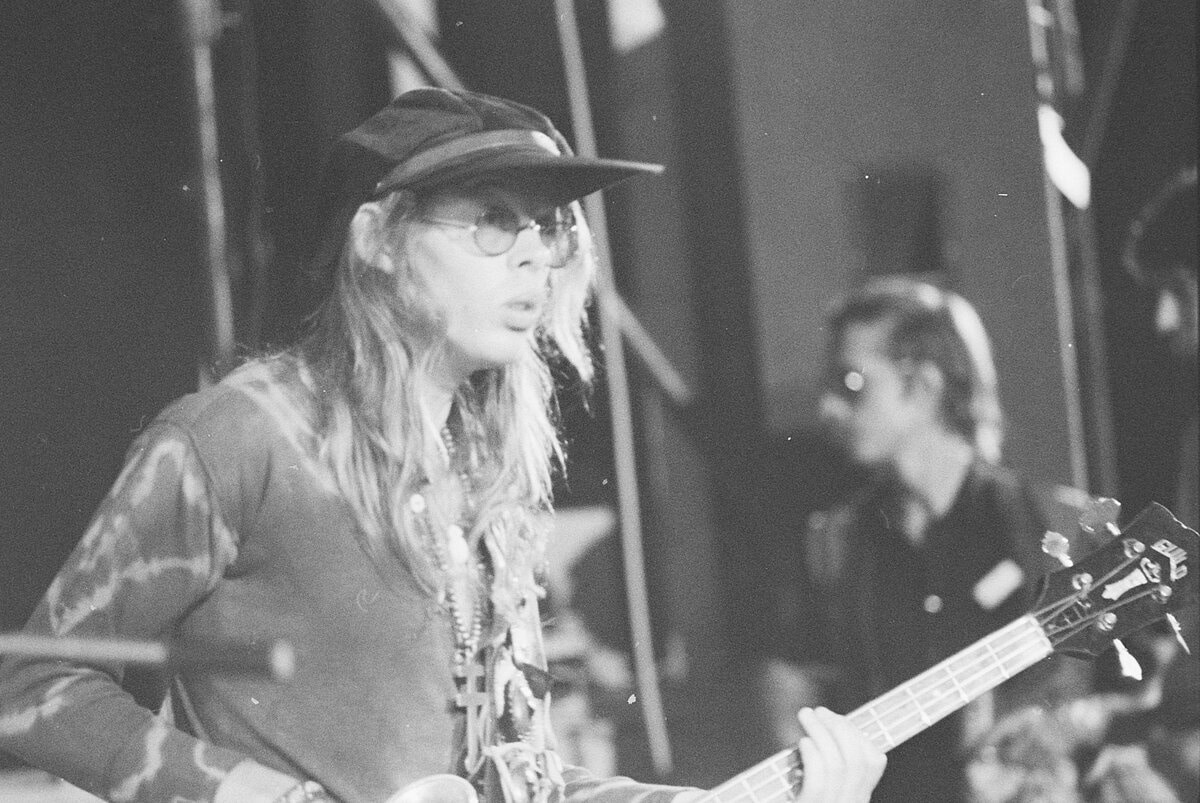
Image Credit: Fotoburo De Boer, CC0, via Wikimedia Commons / Noord-Hollands Archief
The Jack Casady Jefferson Airplane Albums, 1966 to 1972
Casady played on eight Jefferson Airplane studio and live albums in seven years.
Surrealistic Pillow in 1967 made the band national stars and put his bass on the radio.
After Bathing at Baxter’s later that year pushed into free-form psychedelic jams.
Crown of Creation in 1968 tightened the songs back up without losing the edge.
The 1969 live album Bless Its Pointed Little Head is the best document of his stage power.
Volunteers in 1969 turned the band toward open political protest.
Bark in 1971 and Long John Silver in 1972 closed the studio run as the members drifted apart.
Through all of it Casady also appeared on the era’s key festival stages, from the Monterey Pop Festival in 1967 to Woodstock and Altamont in 1969.
Jack Casady Jefferson Airplane and the White Rabbit Bass Line
Grace Slick wrote “White Rabbit” as a slow march built on Ravel’s “Bolero.”
Casady’s bass is the engine of that march.
He starts low and quiet under the first verse.
Then he climbs, note by note, for the full length of the song.
By the last line his bass and Slick’s voice hit the peak together.
The part is simple on paper and merciless in its patience.
It remains one of the most studied bass performances of the 1960s.
Jack Casady, Jimi Hendrix, and “Voodoo Chile”
Casady met Jimi Hendrix on the New York club circuit in 1968.
Hendrix invited him to a long late-night studio session in New York in 1968.
The result was “Voodoo Chile,” the 15-minute blues jam on Electric Ladyland.
Steve Winwood played organ, Mitch Mitchell played drums, and Casady played bass.
Casady later called it one of the loosest and best nights of his career.
💡 Did You Know?
Some early pressings of Electric Ladyland misspell his name in the credits as “Jack Cassidy.”
The Gear: Guild Starfire, Alembic, and Active Electronics
Casady’s early sound came from a Guild Starfire, a hollow-body bass with a warm low end.
He found it too dark and too quiet for the stages the band was playing.
Around 1969 he took it to a small shop run by former Ampex engineers near San Francisco.
That shop became Alembic, and Casady was one of its first customers.
Alembic rebuilt the Starfire with low-impedance pickups and a built-in preamp.
The active electronics gave him a loud, full-range signal that no passive bass could match.
He was one of the first rock bassists in the world to tour with an active instrument.
💡 Did You Know?
Alembic grew out of the sound company that built the Grateful Dead’s live rig.
The firm has often numbered Casady’s rebuilt bass as serial 001, its first complete instrument.
How Jack Casady and Jorma Kaukonen Built Hot Tuna
Casady and Kaukonen started Hot Tuna in 1969 as an acoustic blues side project.
They played old Reverend Gary Davis and Blind Blake tunes on their nights off from the Airplane.
The first Hot Tuna album, released in 1970, was a live acoustic set.
When the Airplane wound down in 1972, Hot Tuna became the pair’s main band.
They plugged in, added a drummer, and turned into a loud electric power trio.
Burgers in 1972 caught them between the two modes, half acoustic and half electric.
Hot Tuna has recorded and toured in some form every decade since.
Life After the Airplane: SVT and the KBC Band
When Hot Tuna went on a break at the end of the 1970s, Casady tried something new.
He formed SVT in San Francisco with young guitarist Brian Marnell.
SVT played fast, tight new wave rock, a long way from the Airplane’s jams.
The band released the album No Regrets in 1981 and toured hard on the club circuit.
Marnell died in 1983, and SVT ended soon after.
Casady then joined Balin and Kantner in the KBC Band, which put out one album in 1986.
The Jack Casady Jefferson Airplane Reunion of 1989
The classic Jefferson Airplane lineup reunited in 1989, without drummer Spencer Dryden.
Casady, Kaukonen, Balin, Kantner, and Slick cut a self-titled album for Epic Records.
The record sold modestly and the reviews were mixed.
The reunion tour drew big crowds who wanted the old songs played loud.
Casady and Kaukonen locked in fast, since they had never stopped playing together in Hot Tuna.
The project ended after one album and one tour, and Slick retired from rock soon after.
Jack Casady in Jefferson Starship
Paul Kantner rebuilt Jefferson Starship as a touring band in 1992.
Casady joined him for large stretches of the 1990s and 2000s.
He played on the studio albums Deep Space in 1995 and Windows of Heaven in 1999.
This version of the group leaned on the Airplane catalog more than the 1970s hits like “Jane”.
Casady stepped away around 2000 during a fresh round of legal fights over the band name.
He returned for the 2008 protest album Jefferson’s Tree of Liberty.
The Epiphone Jack Casady Signature Bass
In 1985 Casady found a used early-1970s Gibson Les Paul Signature bass in a shop.
It was a long-scale semi-hollow bass with one large low-impedance pickup.
It reminded him of his old Guild, but louder and clearer.
He worked with Epiphone to turn that design into a production model.
The Epiphone Jack Casady Signature Bass reached stores in 1997.
It is still made today, one of the longest-running signature basses on the market.
Players far outside his genre use it, from indie rock to gospel.
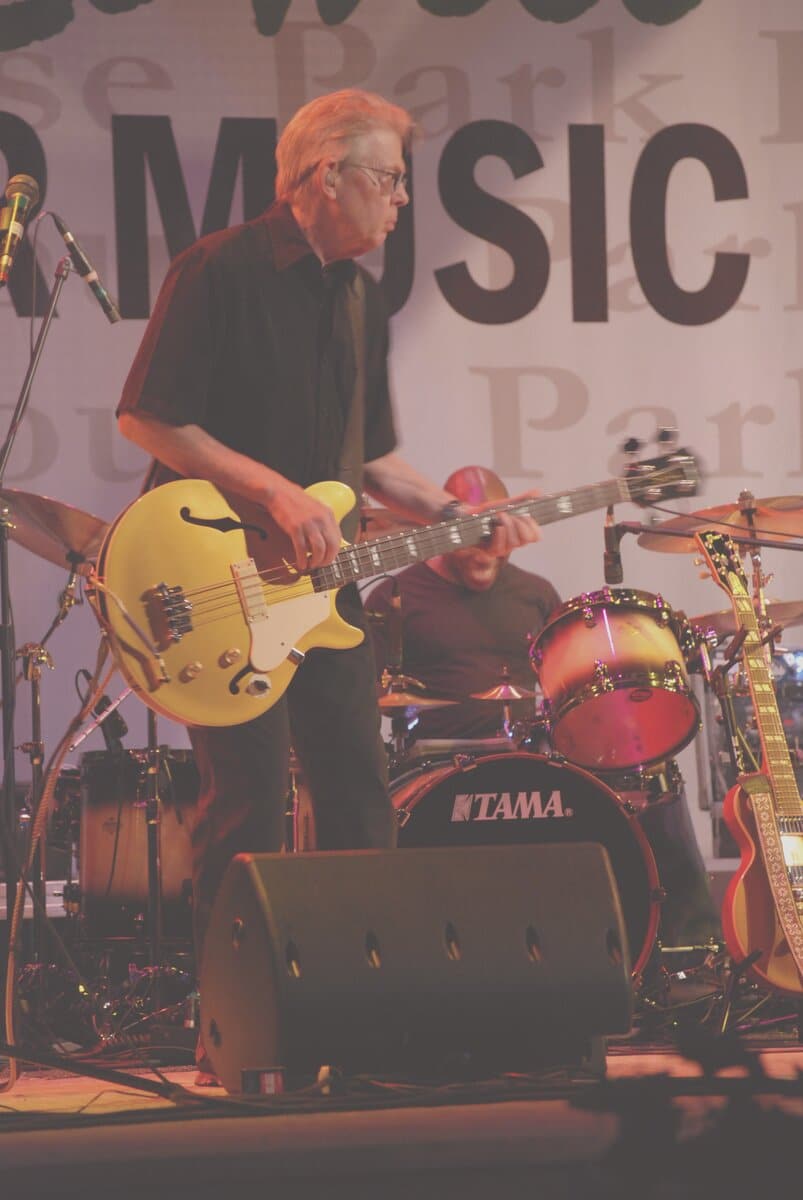
Image Credit: Photo by Thom C, CC BY 2.0, via Wikimedia Commons
Jack Casady Jefferson Airplane and the Rock and Roll Hall of Fame
The Rock and Roll Hall of Fame inducted Jefferson Airplane in 1996.
Phil Lesh and Mickey Hart of the Grateful Dead handled the induction.
The Hall of Fame page lists six inducted members.
They are Casady, Kaukonen, Marty Balin, Paul Kantner, Grace Slick, and drummer Spencer Dryden.
The honor put Casady’s Jack Casady Jefferson Airplane bass work in the permanent record of rock.
By then he had already been playing with Kaukonen for close to 40 years.
Hot Tuna Today: The Final Electric Run
Casady and Kaukonen announced a Final Electric Run for Hot Tuna in 2023.
That tour retired the loud electric power-trio version of the band.
The two men kept going as an acoustic duo, the format they started with in 1969.
They are booked into 2026, including a July date at The Cabot in Massachusetts.
Casady also teaches bass at Kaukonen’s Fur Peace Ranch guitar camp in Ohio.
He turned 82 in April 2026 and still plays a full show standing up.
The Jack Casady Jefferson Airplane Legacy
Jack Casady Jefferson Airplane bass playing changed what young players thought the instrument was for.
He proved a bassist could carry melody, volume, and attitude at once.
His active-electronics setup pointed the way to the modern high-fidelity bass rig.
Phil Lesh of the Grateful Dead chased the same idea across town at the same time.
Two generations of jam-band and rock bassists learned his runs note for note.
He also modeled a rare kind of career, one long partnership with a single musical friend.
Few sidemen have shaped a sound this completely while standing off to the side of the stage.
People Also Ask
Who was the bass player for Jefferson Airplane?
Jack Casady was the bass player for Jefferson Airplane from 1965 to 1972.
He replaced original bassist Bob Harvey and stayed for the band’s entire classic run.
Is Jack Casady still alive?
Yes.
Jack Casady was born in 1944 and turned 82 in April 2026, and he still tours with Hot Tuna.
How long have Jack Casady and Jorma Kaukonen played together?
They have played together since the late 1950s in Washington, D.C.
That makes the Jack Casady Jefferson Airplane and Hot Tuna partnership one of the longest in rock.
What bass does Jack Casady play?
He plays the Epiphone Jack Casady Signature Bass, a semi-hollow model in production since 1997.
In the 1960s and 1970s he played a Guild Starfire rebuilt by Alembic with active electronics.
Did Jack Casady play with Jimi Hendrix?
Yes.
He played bass on “Voodoo Chile” during the 1968 Electric Ladyland sessions in New York.
Is Jack Casady in the Rock and Roll Hall of Fame?
Yes.
He was inducted in 1996 as a member of Jefferson Airplane.
Hear the Jack Casady Jefferson Airplane Bass Sound
Listen to the bass under the second verse of “White Rabbit” as it starts its long climb.
Essential Jack Casady Jefferson Airplane Albums to Own
These four records show the range of his playing, from tight pop to open blues jam.
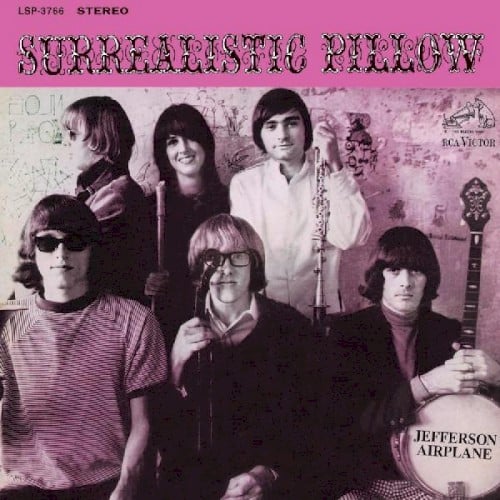
Jefferson Airplane: Surrealistic Pillow
1967
The album that broke the band and put Casady’s bass on national radio.
Includes “White Rabbit” and “Somebody to Love.”
🛒 Check Price on Amazon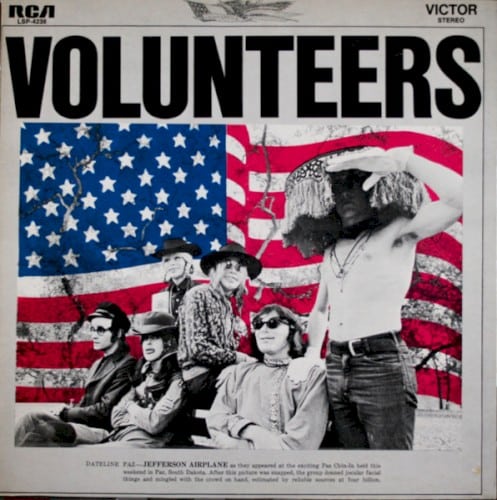
Jefferson Airplane: Volunteers
1969
The band’s loudest, most political record.
Casady’s bass drives “We Can Be Together” and the title track.
🛒 Check Price on Amazon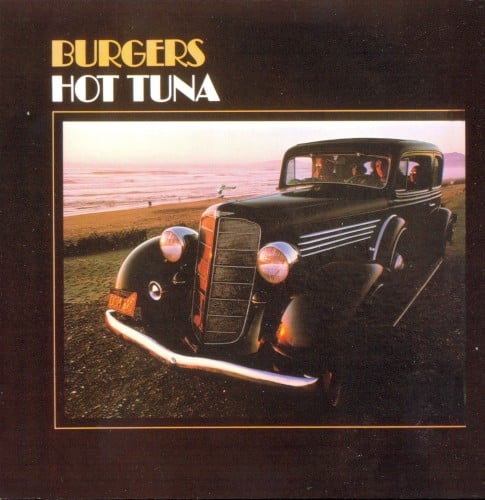
Hot Tuna: Burgers
1972
The best single album of the Casady and Kaukonen partnership.
Half acoustic country blues, half electric jam.
🛒 Check Price on Amazon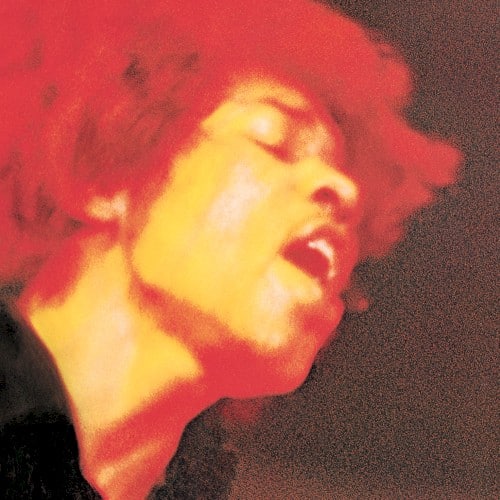
The Jimi Hendrix Experience: Electric Ladyland
1968
Casady guests on the 15-minute blues jam “Voodoo Chile.”
One of the great rock bass features on any record.
🛒 Check Price on AmazonYou Might Also Like
The voice Casady’s climbing bass line meets at the top of “White Rabbit.”
Cream’s bassist pushed the same idea of bass as a lead voice on the other side of the Atlantic.
Rush’s frontman built a busy melodic bass style on foundations players like Casady laid in the 1960s.
Yes built its sound around a trebly, lead-style bass tone in the same spirit as Casady’s.
Jack Casady Jefferson Airplane bass playing still tells every young musician the same thing, that the low end can lead.