

Joey Molland was the last man standing from Badfinger’s classic lineup.
He joined the band in 1969 as its lead guitarist.
Molland played on every hit-era Badfinger album, from No Dice through Wish You Were Here.
He also spent decades carrying the band’s name on the road after his three bandmates were gone.
Pete Ham died in 1975, Tom Evans in 1983, and drummer Mike Gibbins in 2005.
Molland outlived them all and died on March 1, 2025, at age 77.
His story runs from Liverpool clubs to Apple Records to a Minnesota hospital room.
It is a story of great songs, a stolen fortune, and a survivor who kept playing.
Affiliate Disclosure: I am an Amazon affiliate and if you purchase through any amazon links on this site i may earn a small commission at no extra charge to you.
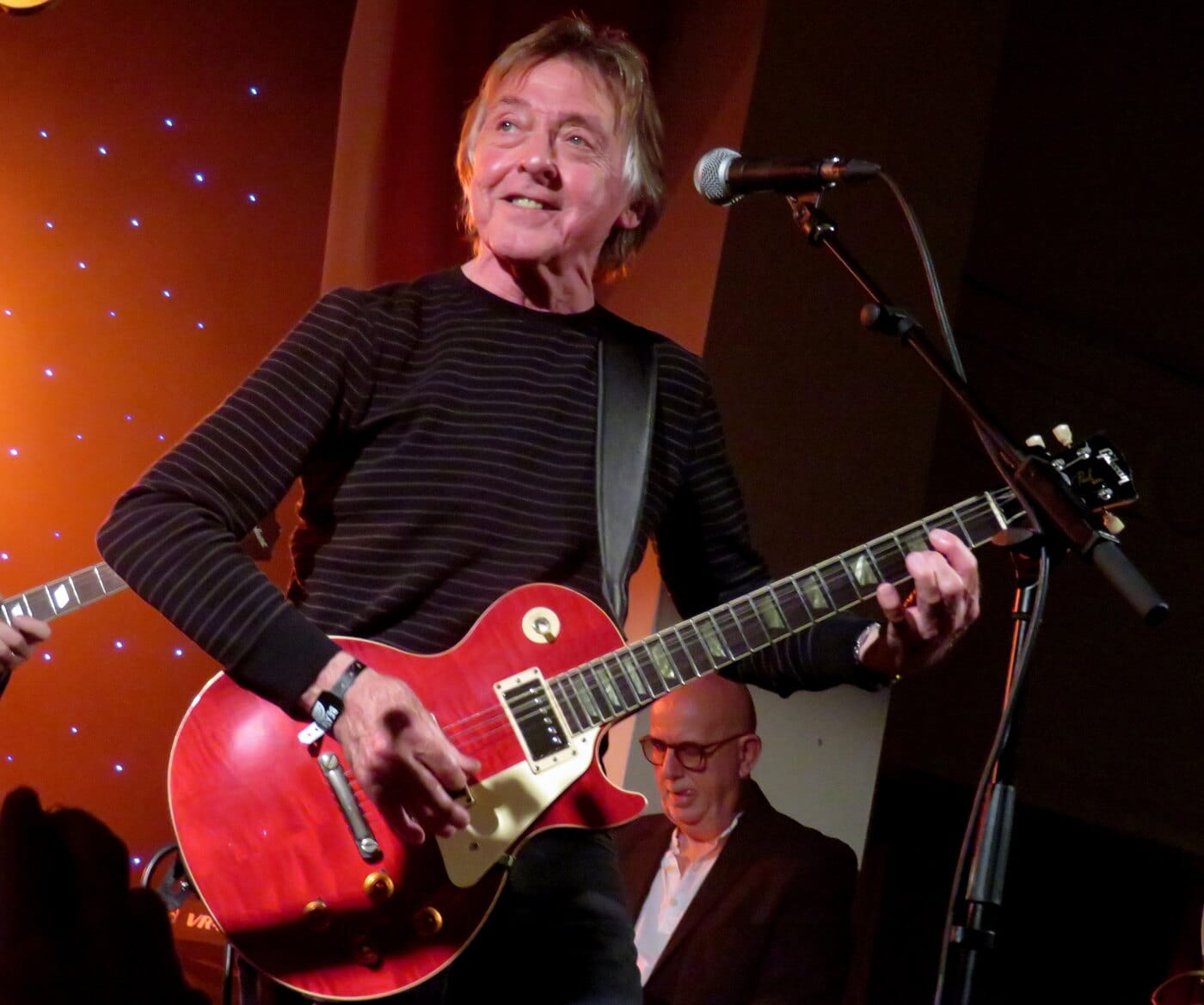
Image Credit: Photo by Eddie Janssens, CC BY-SA 4.0, via Wikimedia Commons.
📋 Table of Contents [+]
⚡ Key Takeaways
- Joey Molland was born June 21, 1947, in Liverpool, England, and joined Badfinger as lead guitarist in 1969.
- He played on the classic Badfinger albums No Dice, Straight Up, Ass, Badfinger, and Wish You Were Here.
- Molland played guitar on George Harrison’s All Things Must Pass and John Lennon’s Imagine, and appeared at the Concert for Bangladesh.
- He left Badfinger in late 1974, months before Pete Ham’s death, as manager Stan Polley’s financial control tore the band apart.
- Joey Molland died on March 1, 2025, at age 77 in Minnesota, the last surviving member of Badfinger’s classic lineup.
Who Was Joey Molland?
Joey Molland was the English rock guitarist and singer who defined Badfinger’s sound alongside Pete Ham and Tom Evans.
Joseph Charles Molland was born on June 21, 1947, in the Edge Hill district of Liverpool.
He joined Badfinger in 1969 and stayed through the band’s most successful years on Apple Records.
Molland played guitar on the hits “No Matter What,” “Day After Day,” and “Baby Blue.”
He also wrote and sang his own songs on every Badfinger album from 1970 onward.
After the band collapsed, he spent almost 50 years touring as Joey Molland’s Badfinger.
He was the last living member of the classic lineup when he died in 2025.
Joey Molland’s Early Life in Liverpool
Molland grew up in a working class family in Edge Hill, close to the center of Liverpool.
He was a teenager when the Beatles turned the city into the center of British pop.
That local scene gave him a model for what a guitar band could become.
Molland played in Liverpool beat groups through the mid-1960s before looking for work in London.
He learned tight rhythm playing and close vocal harmony in those early bands.
Those two skills shaped everything he later brought to Badfinger.
What Bands Did Joey Molland Play In Before Badfinger?
Molland’s first recording act was The Masterminds, who released a Bob Dylan cover as a single in 1965.
He then joined Gary Walker & the Rain, a band led by the former Walker Brothers drummer.
That group recorded an album called Album No. 1, released only in Japan in 1968.
Molland wrote four songs for that record, an early sign of his writing ambition.
Gary Walker & the Rain broke up in early 1969.
Molland was out of work in London when he saw an advert for a guitarist placed by Badfinger.
How Did Joey Molland Join Badfinger?
Molland auditioned for Badfinger in 1969 and got the job on the spot.
The band had started as The Iveys, the first act signed to the Beatles’ Apple Records in 1968.
Founding bassist Ron Griffiths left the group in 1969.
Tom Evans moved from guitar to bass to fill that gap.
Molland then stepped in on lead guitar, completing the four-man lineup that fans still call classic.
The Iveys changed their name to Badfinger in late 1969, and Molland’s first sessions with them followed at once.
Joey Molland’s Role in Badfinger’s Classic Lineup
Molland was the lead guitarist and one of four singers and writers in Badfinger.
Pete Ham was the main songwriter, Tom Evans played bass, and Mike Gibbins played drums.
Molland added crunch and drive to a band that could otherwise lean soft and melodic.
His rhythm guitar drives No Matter What, the 1970 single that gave the band its breakthrough.
He also played guitar on Day After Day from 1971, the band’s biggest US hit.
His first full album with the group was No Dice in 1970.
He stayed through Straight Up in 1971, Ass in 1973, the self-titled Badfinger in 1974, and Wish You Were Here later that year.
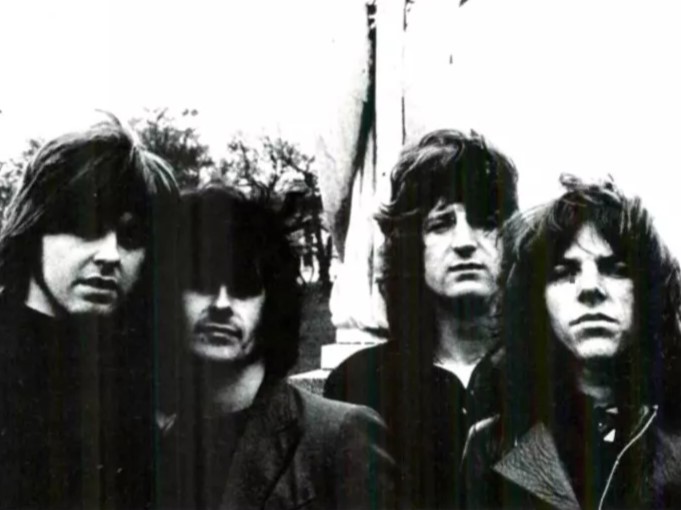
Badfinger in 1970. Image credit: Wikimedia Commons.
💡 Did You Know?
Molland’s wife Kathie became closely involved in the band’s business affairs in the early 1970s.
The friction that caused inside the group was one reason Molland walked away in 1974.
What Songs Did Joey Molland Write for Badfinger?
Molland wrote or co-wrote at least one track on every Badfinger album he played on.
On No Dice he contributed “Love Me Do” and sang lead on his own song “I Don’t Mind.”
On Straight Up he wrote “Suitcase,” “Sweet Tuesday Morning,” and “I’d Die Babe.”
“Sweet Tuesday Morning” became the B-side of the “Day After Day” single in Britain.
He wrote “Get Away” and “Icicles” for the 1973 album Ass.
On Wish You Were Here he contributed the hard rocker “Just a Chance.”
His songs gave Badfinger a rougher edge next to Ham’s polished ballads.
Joey Molland’s Work With the Beatles
Badfinger became the house band for the former Beatles during the early 1970s.
Molland played acoustic guitar on George Harrison’s 1970 triple album All Things Must Pass.
He returned to play in the backing band at Harrison’s Concert for Bangladesh on August 1, 1971.
Molland also played guitar on John Lennon’s 1971 album Imagine.
Those credits put a Liverpool club guitarist inside the biggest sessions of the era.
Molland spoke about that period in interviews for the rest of his life.
How Stan Polley Wrecked Badfinger’s Finances
Badfinger’s real problem was not the music, it was the money.
American manager Stan Polley took control of the band’s income in the early 1970s.
Polley routed royalties and advances into holding accounts that the musicians could not touch.
The band lived on small weekly wages while hit records sold around the world.
Warner Bros. signed Badfinger in 1972, then could not find a large advance that had vanished into escrow.
Warner sued in 1974, and the lawsuit froze every dollar the band earned.
Badfinger recorded an album called Head First that Warner refused to release for 26 years.
Why Did Joey Molland Leave Badfinger?
Molland quit Badfinger in late 1974, before the band’s final collapse.
He was worn down by the money crisis and by fights over who should manage the group.
His departure left Pete Ham to face the Warner lawsuit with a broken lineup.
Ham died by suicide on April 24, 1975, three days before his 28th birthday.
Ham left a note that blamed Stan Polley directly.
Molland spoke about the timing of his exit with regret in later interviews.
The full band story is told in the Members of Badfinger guide.
💡 Did You Know?
Paul McCartney wrote and produced Badfinger’s first hit, “Come and Get It,” in 1969.
Molland joined just after it was recorded, yet he played the song on stage for the next 50 years.
Natural Gas and the Return to Badfinger
Molland formed a new band called Natural Gas in 1975.
The group teamed him with drummer Jerry Shirley of Humble Pie.
Natural Gas released one album on Private Stock Records in 1976 and toured with Peter Frampton.
The band did not last, and Molland soon looked back toward Badfinger.
He reunited with Tom Evans and rebuilt the group in the late 1970s.
They released Airwaves in 1979 and Say No More in 1981.
The single “Hold On” gave the reunited band a small American chart hit.
Why Were There Two Rival Badfinger Bands?
The Molland and Evans partnership broke down again over unpaid “Without You” royalties.
By the early 1980s each man led his own touring version of Badfinger.
Molland ran one lineup while Evans toured with drummer Mike Gibbins and keyboardist Bob Jackson.
The two bands sometimes booked the same American cities within days of each other.
Fans often had no idea which Badfinger they were buying a ticket to see.
The feud ended in tragedy when Tom Evans died by suicide on November 19, 1983.
Evans had argued with Molland by phone about royalties the night before his death.
Joey Molland’s Solo Career and Minnesota Years
Molland built a steady solo catalog once the rival-band era ended.
He released After the Pearl in 1983 and The Pilgrim in 1992.
This Way Up followed in 2001 and Return to Memphis, cut at Ardent Studios, arrived in 2013.
His final album, Be True to Yourself, came out on Omnivore Recordings in 2021.
That record featured guests including Julian Lennon and Micky Dolenz.
It also included “Shine,” a song Molland built from an unfinished Pete Ham idea.
Molland had moved to the Minneapolis area in the 1980s and lived in Minnesota for about 40 years.
Joey Molland as Badfinger’s Last Survivor
Mike Gibbins died in his sleep in 2005, which left Molland alone from the classic four.
From that point he was the only member with a direct link to the Apple years.
He toured constantly under his own Badfinger banner, often playing small theaters and clubs.
He also joined package tours that celebrated the Beatles and the music of 1969.
Molland shared those stages with artists such as Todd Rundgren and Christopher Cross.
He treated the shows as a duty to keep Ham and Evans in front of new listeners.
The “Baby Blue” scene that closed Breaking Bad in 2013 brought a fresh wave of fans to those concerts.
How Did Joey Molland Die?
Joey Molland died on March 1, 2025, at a hospital in St. Louis Park, Minnesota.
He was 77 years old.
His family said he died from complications of diabetes and pneumonia.
Molland had been seriously ill since November 2024 with an infection linked to his diabetes.
His longtime partner Mary Joyce and his two sons were with him at the end.
Tributes came from Beatles historians, power pop musicians, and classic rock radio.
Rolling Stone called him the last link to one of rock’s great lost bands.
What Is Joey Molland’s Legacy?
Joey Molland’s legacy rests on the Badfinger records he helped make between 1970 and 1974.
Those albums shaped the power pop that groups like Cheap Trick and the Raspberries carried forward.
Molland kept the catalog alive on stage longer than anyone thought possible.
He also spoke openly about how bad management can destroy even a hit band.
With his death, every member of Badfinger’s classic lineup is now gone.
Pete Ham’s story appears in his own full biography, and Tom Evans has a separate profile.
Joey Molland is remembered as the guitarist who gave Badfinger its bite and its final witness.
💡 Did You Know?
George Harrison started producing Straight Up in 1971, then handed it to Todd Rundgren when he left to organize the Concert for Bangladesh.
Rundgren remixed most of the album and shaped the sound of “Baby Blue” and “Day After Day.”
People Also Ask About Joey Molland
Who was Joey Molland in Badfinger?
Joey Molland was Badfinger’s lead guitarist from 1969 until 1974, and again during the band’s reunion years.
He played on the hits “No Matter What,” “Day After Day,” and “Baby Blue.”
He also wrote and sang his own songs on every classic-era Badfinger album.
How did Joey Molland die?
Joey Molland died on March 1, 2025, at age 77 in St. Louis Park, Minnesota.
His family said the cause was complications from diabetes and pneumonia.
He had been ill since November 2024.
Did Joey Molland play with the Beatles?
Molland played on solo albums by George Harrison and John Lennon.
He added acoustic guitar to All Things Must Pass and played on Imagine.
He also performed at George Harrison’s Concert for Bangladesh in 1971.
Was Joey Molland the last member of Badfinger?
Yes, Joey Molland was the last surviving member of Badfinger’s classic lineup.
Pete Ham died in 1975, Tom Evans in 1983, and Mike Gibbins in 2005.
Molland’s death in 2025 closed the book on that lineup.
What Badfinger songs did Joey Molland write?
Molland wrote “Suitcase,” “Sweet Tuesday Morning,” and “I’d Die Babe” for the album Straight Up.
He wrote “I Don’t Mind” for No Dice and “Just a Chance” for Wish You Were Here.
His songs gave the band a harder rock edge.
Watch Joey Molland and Badfinger Perform
Essential Joey Molland and Badfinger Albums
These four albums track Molland from his Badfinger peak to his final solo record.
Straight Up
1971
Molland’s songwriting peak, with “Suitcase” and “Sweet Tuesday Morning.”
The album that gave the world “Baby Blue” and “Day After Day.”
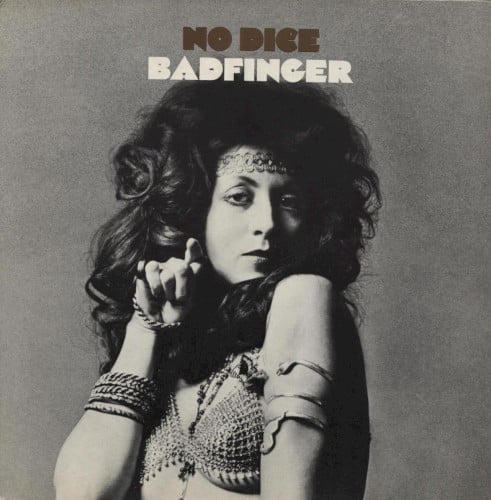
No Dice
1970
Molland’s first full album with the band.
Home of “No Matter What” and “Without You.”
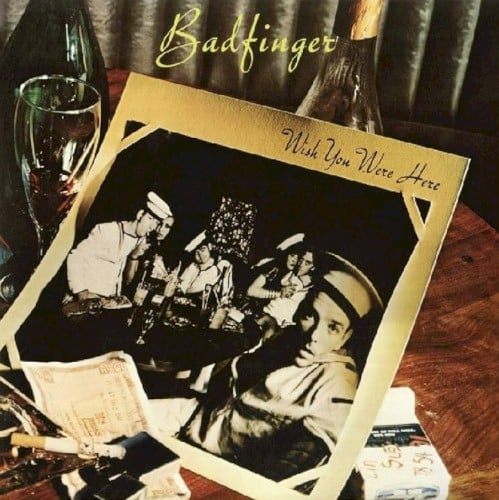
Wish You Were Here
1974
The band’s last classic-era album, with Molland’s “Just a Chance.”
Pulled from shops within weeks by the Warner lawsuit.
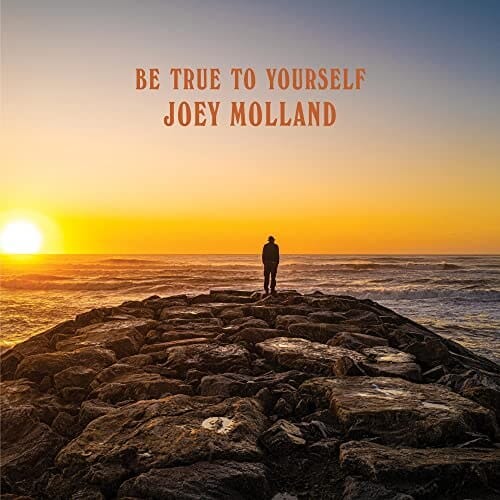
Be True to Yourself
2021
Molland’s final solo album, produced by Mark Hudson.
Guests include Julian Lennon and Micky Dolenz.
Affiliate Disclosure: I am an Amazon affiliate and if you purchase through any amazon links on this site i may earn a small commission at no extra charge to you.
The Straight Up review breaks down Molland’s contributions song by song.
His 1970s work sits alongside the rest of the site’s 70s stories and hits.
You Might Also Like
Tony Hicks: The Hollies Guitarist Who Never Left
Hicks played melodic lead guitar in the same 1960s British scene that trained Molland.
Bobby Elliott: The Hollies Drummer’s 63-Year Career
Elliott kept one band going for decades, much as Molland did with Badfinger.
Dave Peverett: Foghat’s Lonesome Dave and Founding Frontman
Peverett led an English band through the same rough 1970s music business that ruined Badfinger.
Myles Goodwyn: Canadian Rock Legend and April Wine Icon
Goodwyn was a guitarist and songwriter who steered his band for its entire career.
Last updated: September 4, 2026
Molland spent more than half a century tied to one band and four songs everyone knows.
He gave Badfinger its guitar bite, then gave the band its longest goodbye.
The Apple years made the records, and Molland made sure people kept hearing them.
Anyone new to Badfinger can start with Straight Up, then follow the thread to Pete Ham and Tom Evans.
The music of Joey Molland still sounds like a band that should have had a much longer run.