

Released in September 1969, Fleetwood Mac Then Play On represents a pivotal moment in the band’s evolution from British blues purists to experimental rock pioneers.
This third studio album showcases Peter Green at the height of his creative powers, delivering haunting compositions that would influence generations of guitarists.
The album marked the final appearance of guitarist Jeremy Spencer on a Fleetwood Mac studio record before the band’s lineup would undergo dramatic transformations.
For fans who later discovered Fleetwood Mac 1975 Album, this earlier incarnation reveals an entirely different musical identity rooted in blues experimentation.
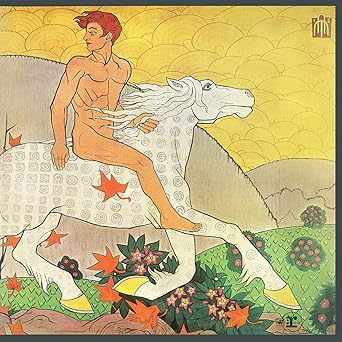
Fleetwood Mac Then Play On – Available on Amazon
Get Fleetwood Mac Then Play On on Vinyl or CD at Amazon
Affiliate Disclosure: I am an Amazon affiliate and if you purchase through any Amazon links on this site I may earn a small commission at no extra charge to you. This helps support classicrockartists.com. Thank you for your support!
Table of Contents (Click to Expand)
Overview of Fleetwood Mac Then Play On
Fleetwood Mac Then Play On arrived at a crossroads for the British blues movement.
The album featured Peter Green, Mick Fleetwood, John McVie, Jeremy Spencer, and the newly added Danny Kirwan on guitar.
This lineup created a unique three-guitar attack that distinguished the record from anything else in the band’s catalog.
The addition of Kirwan brought a melodic sensibility that complemented Green’s increasingly introspective songwriting.
Unlike the straightforward blues covers that dominated their earlier work, this album emphasized original compositions.
Green’s mental state was beginning to deteriorate during this period, adding an eerie prescience to the darker material.
The album’s experimental nature pushed boundaries while maintaining the blues foundation that defined the band.
Instrumental passages dominate several tracks, showcasing the musicians’ technical prowess and improvisational skills.
The production captured a raw, live energy that reflected the band’s reputation as a formidable concert act.
This was a band unafraid to challenge their audience with unconventional song structures and atmospheric soundscapes.
The contrast between Spencer’s rockabilly influences and Green’s blues mysticism created fascinating tension throughout the record.
Recording History and Production
The sessions for Fleetwood Mac Then Play On took place at Kingsway Recorders and Morgan Studios in London during early 1969.
Producer Martin Birch worked with the band to capture their evolving sound across multiple recording sessions.
The album was recorded during a period of intense creativity and personal turmoil for Peter Green.
Green had recently experienced a transformative LSD trip in Munich that would profoundly affect his worldview and music.
According to detailed documentation of the sessions, the band worked quickly and instinctively.
Danny Kirwan’s integration into the band brought fresh energy and a willingness to experiment with guitar textures.
The recording process allowed for extended instrumental explorations that were later edited for the final album.
Some tracks featured overdubs and studio experimentation unusual for a blues-based band at that time.
The production emphasized clarity while preserving the organic interplay between the three guitarists.
Mick Fleetwood’s drumming provided a dynamic foundation that shifted from delicate brushwork to thunderous power.
John McVie’s bass lines anchored the more adventurous guitar excursions with steady, melodic support.
The album’s sonic palette ranged from intimate acoustic moments to full-band electric intensity.
Studio technology of the era limited certain ambitions, but the band worked creatively within those constraints.
The final mix balanced the competing guitar voices while allowing each player’s personality to shine through.
Track-by-Track Highlights of Fleetwood Mac Then Play On
The album opens with “Coming Your Way,” a Kirwan composition that immediately establishes the record’s melodic sophistication.
This track features intricate guitar harmonies that would become a Kirwan trademark throughout his tenure with the band.
“Closing My Eyes” continues Kirwan’s contribution with a gentle, introspective piece showcasing his vocal abilities.
The song’s delicate arrangement contrasts sharply with the heavier blues material elsewhere on the record.
“Show-Biz Blues” returns to Peter Green’s sardonic commentary on the music industry’s superficiality.
Green’s guitar tone on this track is particularly biting, matching the cynical lyrics perfectly.
“Underway” is an instrumental that demonstrates the band’s ability to create atmosphere through minimal means.
The track builds slowly, layering guitars and rhythm to create a hypnotic effect.
“Oh Well” stands as the album’s centerpiece and most commercially successful track.
The song’s two-part structure moves from hard-driving rock to ethereal instrumental passages.
Green’s guitar work on “Oh Well” influenced countless players, from Gary Moore to Kirk Hammett.
The riff remains one of the most recognizable in rock history, instantly identifiable from its opening notes.
“Although the Sun Is Shining” showcases Green’s increasingly mystical lyrical approach.
The song’s minor-key melody creates an unsettling mood despite its seemingly optimistic title.
“Rattlesnake Shake” delivers pure blues power with Green’s slide guitar taking center stage.
This track became a concert staple, allowing for extended improvisational sections in live performances.
“Searching for Madge” is an instrumental that highlights the interplay between all three guitarists.
The composition moves through several distinct sections, showcasing the band’s dynamic range.
“Fighting for Madge” continues the instrumental exploration with a more aggressive approach.
These paired instrumentals demonstrate the band’s willingness to challenge conventional album structures.
“When You Say” features Kirwan’s melodic sensibility in full bloom with beautiful vocal harmonies.
The track’s gentle arrangement provides necessary breathing room after the intensity of previous songs.
“Like Crying” returns to Green’s emotional blues with a performance dripping with feeling.
His guitar literally weeps throughout this track, bending notes with extraordinary expressiveness.
“Before the Beginning” closes the album with an extended instrumental meditation.
This track points toward Green’s final recordings with the band, increasingly abstract and introspective.
Chart Performance of Fleetwood Mac Then Play On
Fleetwood Mac Then Play On achieved significant commercial success in the United Kingdom upon its release.
The album reached number six on the UK Albums Chart, cementing the band’s status as major stars.
This chart position represented the band’s highest placement to that point in their career.
The single “Oh Well” performed even better, climbing to number two on the UK Singles Chart.
Only “Sugar, Sugar” by The Archies prevented “Oh Well” from reaching the top spot.
The song’s success introduced Fleetwood Mac to a broader audience beyond blues purists.
In the United States, the album’s reception was more modest, reflecting the band’s limited American profile at the time.
The US version of the album featured a different track listing, omitting several songs from the UK release.
American audiences wouldn’t fully embrace Fleetwood Mac until the Buckingham-Nicks era years later.
The album’s commercial performance validated the band’s experimental direction while maintaining their blues foundation.
Radio play for “Oh Well” extended beyond traditional blues stations to mainstream rock formats.
The track’s accessibility helped bridge the gap between underground credibility and commercial success.
Sales figures demonstrated that audiences were willing to follow the band into more adventurous territory.
The album remained on the UK charts for several months, showing impressive staying power.
Legacy and Cultural Impact
Fleetwood Mac Then Play On stands as a testament to Peter Green’s genius before his tragic mental decline.
The album influenced countless guitarists who discovered Green’s unique approach to tone and phrasing.
Musicians from diverse genres have cited this record as a formative influence on their own work.
The album’s experimental nature anticipated progressive rock developments that would dominate the early 1970s.
Green’s willingness to abandon commercial blues formulas inspired other artists to take creative risks.
The record documented a specific moment when British blues was evolving into something entirely new.
Compared to later incarnations like Rumours by Fleetwood Mac, this album represents a completely different artistic vision.
The three-guitar lineup created textures that the band would never replicate in subsequent formations.
Critical reassessment over the decades has elevated the album’s reputation among rock historians.
Modern listeners discovering the Peter Green era often express surprise at how different this music sounds.
The album’s darker moments feel particularly poignant given Green’s subsequent struggles with mental illness.
Reissues and remasters have introduced the album to new generations of rock fans.
The enduring power of performances from this era continues to captivate audiences decades later.
The album’s influence extends beyond rock into jazz, where musicians appreciate its improvisational elements.
Collectors prize original pressings, particularly UK editions with the complete track listing.
Listener’s Note
When I first heard this album, I was completely unprepared for how different it sounded from the Fleetwood Mac I knew.
Growing up with “Dreams” and “Go Your Own Way,” I expected polished pop-rock perfection.
Instead, I encountered something raw, mysterious, and occasionally unsettling.
Peter Green’s guitar tone on “Oh Well” stopped me in my tracks with its aggressive clarity.
The instrumental passages initially confused me, but repeated listens revealed their hypnotic power.
I found myself drawn to the darker material, sensing the emotional turmoil beneath the surface.
Danny Kirwan’s contributions provided necessary light to balance Green’s increasingly shadowy vision.
The album taught me that great bands can completely reinvent themselves across different eras.
I began to appreciate how Members of Fleetwood Mac changed the band’s entire identity with each lineup shift.
This record demands active listening rather than serving as background music.
I recommend approaching it with headphones and no distractions to fully appreciate its nuances.
The album rewards patience, revealing new details with each subsequent listen.
I now consider it essential listening for anyone who wants to understand Fleetwood Mac’s complete story.
Affiliate Disclosure: I am an Amazon affiliate and if you purchase through any Amazon links on this site I may earn a small commission at no extra charge to you. This helps support classicrockartists.com and allows me to keep providing deep-dive content on the legends of rock. Thank you for your support!
Collector’s Corner
Original UK pressings of Fleetwood Mac Then Play On on the Reprise label are highly sought after by collectors.
The UK version contains the complete track listing, including songs omitted from the American release.
First pressings can be identified by specific matrix numbers and the original gatefold sleeve design.
The album has been reissued multiple times with varying degrees of audio quality and bonus material.
A 2013 remaster included previously unreleased tracks and alternate takes from the original sessions.
Vinyl enthusiasts debate the merits of different pressings, with many preferring the warmth of original releases.
The album sounds particularly impressive on quality vinyl playback systems that capture the guitar tones accurately.
CD versions offer convenience and durability, though some audiophiles claim they lack vinyl’s organic quality.
Streaming services provide easy access, but compressed audio files don’t do justice to the original recordings.
Purchase Fleetwood Mac Then Play On on Amazon to experience this essential album in high-quality formats.
Whether you choose vinyl, CD, or digital, owning this album is essential for any serious rock collection.
The investment in a quality pressing pays dividends through repeated listening sessions over the years.
FAQ About Fleetwood Mac Then Play On
What makes Fleetwood Mac Then Play On different from other Fleetwood Mac albums?
Fleetwood Mac Then Play On represents the Peter Green era of the band, featuring blues-based rock rather than the pop-rock sound of later lineups.
The album includes three guitarists creating complex instrumental textures impossible to replicate in subsequent formations.
This record emphasizes extended instrumental passages and experimental structures over conventional song formats.
The mood is considerably darker and more introspective than the commercially successful albums that followed.
Who played guitar on Fleetwood Mac Then Play On?
Peter Green served as the primary guitarist and main songwriter for the album.
Danny Kirwan contributed guitar, vocals, and several compositions including “Coming Your Way” and “Closing My Eyes.”
Jeremy Spencer played guitar on select tracks, though his contributions were limited compared to previous albums.
The three-guitar approach created a unique sonic signature that distinguished this album from both earlier and later work.
Is “Oh Well” the best song on Fleetwood Mac Then Play On?
“Oh Well” is certainly the most commercially successful and widely recognized track from the album.
The song’s two-part structure showcases both the band’s hard rock power and their atmospheric instrumental capabilities.
However, tracks like “Rattlesnake Shake” and “Before the Beginning” offer equally compelling musical experiences.
The album’s strength lies in its diversity rather than relying on a single standout track.
Why did Peter Green leave Fleetwood Mac after this album?
Peter Green’s mental health deteriorated significantly following the album’s release, exacerbated by drug use.
He became increasingly uncomfortable with commercial success and the music industry’s materialistic aspects.
Green’s final recordings with the band reflected his growing disillusionment and spiritual searching.
He officially left Fleetwood Mac in May 1970, just months after this album established them as major stars.
You Might Also Like
Fleetwood Mac Debut Album 1968
Explore where it all began with Peter Green’s first studio album leading Fleetwood Mac through pure British blues.
Fleetwood Mac Tusk Album
Discover another experimental chapter in Fleetwood Mac’s history with this ambitious double album from 1979.
Fleetwood Mac Tango in the Night
Experience the band’s final classic-era studio album featuring polished production and memorable songwriting.
Fleetwood Mac Then Play On remains an essential document of a band at a creative peak, capturing Peter Green’s final masterwork before his tragic departure.