

The Fleetwood Mac Tusk Album stands as one of the most ambitious and experimental releases in rock history, a sprawling double album that defied commercial expectations and redefined what a follow-up to a mega-hit could be.
Released in October 1979, this audacious project arrived two years after the band’s monumental success with Rumours by Fleetwood Mac, which had sold over 40 million copies worldwide.
Rather than replicate the polished pop-rock formula that made them superstars, Fleetwood Mac chose artistic exploration over guaranteed commercial success.
The album’s creation cost over one million dollars, making it one of the most expensive recordings of its era.
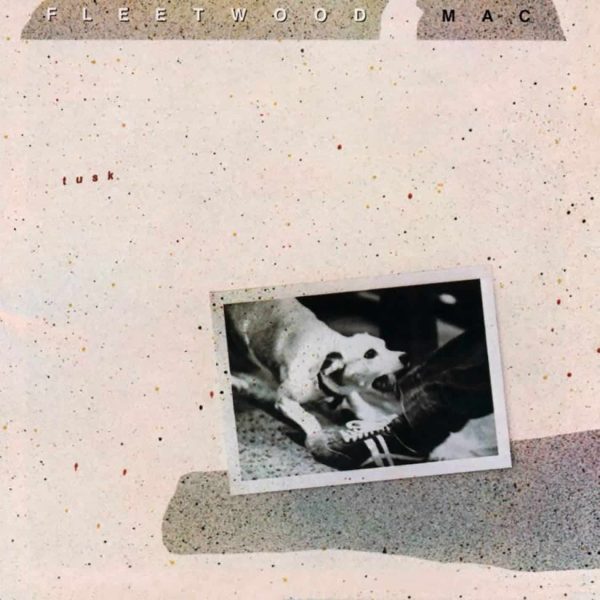
Click here to get Fleetwood Mac Tusk Album on Amazon
As an Amazon Associate, we earn from qualifying purchases made through affiliate links on this page. This comes at no additional cost to you and helps support our work in bringing you quality music journalism.
Table of Contents
Overview of Fleetwood Mac Tusk Album
The Fleetwood Mac Tusk Album represents a radical departure from the band’s established sound, embracing punk influences, new wave experimentation, and avant-garde production techniques.
Lindsey Buckingham emerged as the primary creative force behind the album’s unconventional direction.
His fascination with punk rock and lo-fi recording methods clashed dramatically with the polished aesthetic that had defined the band’s recent work.
The album contains 20 tracks spread across four vinyl sides, offering a diverse sonic palette that ranges from stripped-down acoustic numbers to lush orchestral arrangements.
Each of the Members of Fleetwood Mac contributed their own compositions, resulting in a collection that feels more like a compilation than a unified statement.
Stevie Nicks brought her mystical songwriting sensibilities to tracks like “Sara” and “Sisters of the Moon.”
Christine McVie contributed several melodic pop gems that provided commercial accessibility amid the experimental chaos.
The album’s title track became its most recognizable moment, featuring the USC Trojan Marching Band in a bombastic celebration of excess.
This theatrical gesture perfectly encapsulated the album’s willingness to embrace spectacle and absurdity.
Warner Bros. Records initially resisted the double-album format, fearing it would limit sales potential.
The band insisted on their artistic vision, refusing to trim the tracklist to a single disc.
This stubbornness reflected their confidence and their desire to challenge listener expectations.
Recording History and Production
Recording sessions for the Fleetwood Mac Tusk Album began in early 1978 at Village Recorder in Los Angeles.
The process would stretch over fifteen months, consuming vast amounts of studio time and resources.
Lindsey Buckingham’s perfectionism drove much of the extended timeline.
He experimented relentlessly with unconventional recording techniques, including recording vocals in bathrooms and stairwells to achieve specific acoustic qualities.
The guitarist built many tracks from the ground up, layering instruments himself rather than recording the full band together.
This approach contrasted sharply with the collaborative spirit that had characterized Fleetwood Mac 1975 Album and its successor.
Ken Caillat and Richard Dashut returned as co-producers, having helmed the Rumours sessions.
They found themselves navigating increasingly complex interpersonal dynamics as band members worked in isolation.
Stevie Nicks often recorded her vocals separately from the instrumental tracks.
Her epic “Sara” required extensive studio time, with the original version running over sixteen minutes before being edited down.
Christine McVie maintained a more traditional approach to her compositions, working efficiently and delivering radio-ready material.
Her professionalism provided stability amid the creative chaos surrounding Buckingham’s experimental tracks.
Mick Fleetwood and John McVie anchored the rhythm section, adapting to wildly different musical styles across the album’s diverse tracklist.
The famous marching band recording took place at Dodger Stadium, requiring elaborate logistical coordination.
The USC Trojan Marching Band’s 112 members were paid scale wages for their contribution to the title track.
This extravagant gesture became symbolic of the album’s excessive budget and ambitious scope.
Buckingham’s fascination with the Talking Heads and other new wave acts influenced his production choices.
He deliberately sought a rawer, more immediate sound on several tracks, stripping away the glossy production that had defined Rumours.
The recording budget eventually exceeded one million dollars, an astronomical sum for 1979.
Warner Bros. executives grew increasingly nervous as costs mounted without a clear commercial direction emerging.
Track-by-Track Highlights of Fleetwood Mac Tusk Album
The opening track “Over & Over” immediately signals the album’s experimental nature with its sparse, almost claustrophobic production.
Buckingham’s vocals sound compressed and urgent, setting a tone far removed from the band’s previous work.
“The Ledge” continues this raw aesthetic, featuring distorted guitars and paranoid lyrics about suicide.
The track’s intensity shocked fans expecting another collection of polished pop-rock.
“Think About Me,” penned by Christine McVie, provides the first moment of conventional accessibility.
Its upbeat melody and straightforward arrangement offered radio programmers something familiar to work with.
“Save Me a Place” showcases McVie’s gift for crafting emotionally resonant ballads with universal appeal.
The song’s gentle piano and warm vocals create a welcome respite from the surrounding experimentation.
“Sara” stands as Stevie Nicks’ masterpiece on the album, a six-and-a-half-minute meditation on love, loss, and memory.
The song’s mysterious lyrics have inspired decades of speculation about their true meaning.
Nicks has offered various explanations over the years, adding to the track’s enigmatic allure.
“What Makes You Think You’re the One” features Buckingham at his most confrontational, delivering sneering vocals over a driving rhythm.
The track’s aggressive energy reflects the influence of punk and new wave on his songwriting.
“Storms” gives Nicks another showcase for her dramatic vocal style and poetic imagery.
The song builds gradually, layering instrumentation to create an atmospheric soundscape.
“That’s All for Everyone” demonstrates Buckingham’s ability to craft infectious melodies even within unconventional arrangements.
The song’s choppy rhythm and layered vocals create a disorienting but compelling listening experience.
“Not That Funny” strips the sound down to basics, featuring just Buckingham’s voice, acoustic guitar, and minimal percussion.
This lo-fi approach was revolutionary for a major-label rock band in 1979.
“Sisters of the Moon” ranks among Nicks’ darkest compositions, exploring themes of witchcraft and feminine power.
The track’s brooding atmosphere and mystical lyrics expanded on themes she had explored in earlier work.
“Angel” offers another Christine McVie gem, its bittersweet melody and heartfelt lyrics providing emotional depth.
The song’s sophisticated chord progressions showcase McVie’s underrated skills as a composer.
The title track “Tusk” explodes with primal energy, its marching band arrangement creating an unforgettable sonic statement.
Buckingham’s chanted vocals and the thunderous percussion make it one of the most distinctive tracks in the band’s catalog.
“Brown Eyes” features a rare lead vocal from Christine McVie’s then-husband John McVie.
The jazzy arrangement and intimate performance create a unique moment on the album.
“Never Make Me Cry” returns to McVie’s wheelhouse with another polished pop-rock composition.
Her consistency as a songwriter provided crucial balance to the album’s more experimental moments.
“I Know I’m Not Wrong” builds tension through repetition, its hypnotic groove and layered vocals creating a trance-like effect.
Buckingham’s production techniques shine on this track, demonstrating his growing sophistication as a studio craftsman.
“Honey Hi” brings a playful energy with its bouncy rhythm and cheerful melody.
The song’s lighthearted approach provides relief from the album’s heavier emotional moments.
“Beautiful Child” showcases Nicks in a more optimistic mood, celebrating innocence and wonder.
The track’s gentle arrangement and hopeful lyrics offer a counterpoint to her darker material.
“Walk a Thin Line” features Buckingham exploring themes of paranoia and instability over a tense musical backdrop.
The song’s nervous energy reflects the psychological strain of the recording process.
“Tusk” reprises briefly before “Never Forget” closes the album with Christine McVie’s elegant piano ballad.
The song’s gentle conclusion provides a peaceful ending to the album’s turbulent journey.
Chart Performance of Fleetwood Mac Tusk Album
The Fleetwood Mac Tusk Album debuted at number four on the Billboard 200 chart in November 1979.
While this represented a strong commercial performance by most standards, it fell short of the astronomical expectations set by Rumours.
The album eventually peaked at number four, never reaching the summit despite the band’s massive popularity.
In the United Kingdom, the album performed better, reaching number one and spending several weeks atop the charts.
British audiences seemed more receptive to the album’s experimental approach and new wave influences.
The title track “Tusk” became a top ten hit in multiple countries, reaching number eight in the United States.
Its unconventional sound and memorable marching band arrangement made it a radio staple despite its oddness.
“Sara” achieved even greater commercial success, climbing to number seven on the Billboard Hot 100.
The song’s emotional depth and Nicks’ captivating performance resonated with listeners seeking substance.
“Think About Me” reached number twenty, providing Christine McVie with another hit single.
Her reliable craftsmanship continued to deliver radio-friendly material that balanced the album’s experimental tracks.
The album was certified double platinum in the United States, selling over two million copies.
However, this figure paled in comparison to Rumours’ eventual 40 million sales worldwide.
Warner Bros. executives considered the album a commercial disappointment given its massive production budget.
The label had expected another record-breaking phenomenon, not merely a successful release.
Critics were divided in their assessments, with some praising the artistic ambition while others lamented the lack of focus.
Rolling Stone gave the album a mixed review, acknowledging its adventurous spirit while questioning its accessibility.
The album’s double-LP format also created pricing challenges, as it cost significantly more than single albums.
This higher price point may have deterred casual fans who were uncertain about the new direction.
Legacy and Cultural Impact
The Fleetwood Mac Tusk Album has grown in critical stature over the decades, now recognized as a bold artistic statement.
What was once dismissed as self-indulgent excess is now celebrated as visionary experimentation.
Lindsey Buckingham’s production techniques influenced countless alternative and indie rock artists in subsequent decades.
His willingness to embrace lo-fi aesthetics and unconventional recording methods anticipated trends that would dominate the 1990s.
The album demonstrated that commercially successful artists could take creative risks without completely abandoning their audience.
This balance between artistic integrity and commercial viability became a model for future rock acts.
The title track’s marching band arrangement has been referenced and parodied in numerous contexts over the years.
Its distinctive sound makes it instantly recognizable, cementing its place in popular culture.
“Sara” has endured as one of Stevie Nicks’ most beloved compositions, regularly appearing on Fleetwood Mac Greatest Hits Songs compilations.
The song’s emotional resonance transcends its era, speaking to universal experiences of love and loss.
The album’s commercial underperformance relative to Rumours created tension within the band that would persist for years.
Buckingham’s artistic vision had been validated critically but questioned commercially, creating internal conflict.
Subsequent Fleetwood Mac albums would attempt to find middle ground between accessibility and experimentation.
The band never again attempted anything as ambitious or sprawling as Tusk.
Modern listeners discovering the album often express surprise at its adventurous nature.
The album challenges preconceptions about what Fleetwood Mac represented as a band.
Reissues and expanded editions have introduced the album to new generations of fans.
These releases often include outtakes and alternate versions that illuminate the creative process.
The album’s influence can be heard in the work of artists ranging from The Smashing Pumpkins to Tame Impala.
Its willingness to embrace sonic experimentation within a pop framework continues to inspire musicians.
Listener’s Note
I first encountered the Fleetwood Mac Tusk Album during a period of personal transition, and its sprawling ambition resonated deeply with my own sense of uncertainty.
The album’s refusal to provide easy answers or comfortable resolutions felt refreshingly honest.
I found myself returning repeatedly to “Sara,” its dreamlike quality providing solace during difficult moments.
Stevie Nicks’ ability to convey complex emotions through poetic imagery never fails to move me.
Buckingham’s experimental tracks initially challenged my expectations, but they ultimately expanded my understanding of what rock music could be.
His fearless approach to production taught me to value artistic risk-taking over safe commercial choices.
Christine McVie’s contributions provide essential grounding, her melodic sensibility anchoring the album’s more adventurous moments.
I appreciate how her songs offer accessibility without sacrificing emotional depth or musical sophistication.
The album rewards repeated listening, revealing new details and nuances with each encounter.
I continue to discover fresh perspectives on songs I’ve heard dozens of times.
Listening to Tusk reminds me that commercial success and artistic integrity need not be mutually exclusive.
The album stands as proof that audiences can embrace challenging work when it comes from a place of genuine creative vision.
As an Amazon Associate, we earn from qualifying purchases made through affiliate links on this page. This comes at no additional cost to you and helps support our work in bringing you quality music journalism.
Collector’s Corner
The original 1979 double-vinyl pressing of the Fleetwood Mac Tusk Album remains highly sought after by collectors.
First pressings can be identified by specific matrix numbers and label variations.
The gatefold sleeve features striking black-and-white photography that captures the band’s aesthetic during this period.
Various international pressings offer different mastering and packaging, making them interesting collectibles.
The 2015 expanded edition includes previously unreleased tracks and alternate versions that provide insight into the creative process.
This deluxe package represents the definitive version for serious fans and collectors.
Modern vinyl reissues have been remastered for optimal sound quality, offering superior fidelity to original pressings.
These contemporary editions make the album accessible to new listeners while satisfying audiophile standards.
Click here to add the Fleetwood Mac Tusk Album to your collection on Amazon and experience one of rock’s most ambitious artistic statements.
Whether you choose vinyl, CD, or digital formats, this album deserves a place in every serious rock collection.
FAQ About Fleetwood Mac Tusk Album
Why is the Fleetwood Mac Tusk Album considered experimental?
The album embraced punk and new wave influences that were radical departures from the band’s established sound.
Lindsey Buckingham employed unconventional recording techniques including lo-fi production methods and unusual instrumentation.
The sprawling double-album format allowed for diverse sonic experimentation across 20 tracks.
Songs ranged from stripped-down acoustic numbers to elaborate orchestral arrangements, defying genre conventions.
How much did it cost to record the Fleetwood Mac Tusk Album?
The recording budget exceeded one million dollars, making it one of the most expensive albums of its era.
The fifteen-month recording process consumed extensive studio time at premium facilities.
Hiring the USC Trojan Marching Band for the title track added significant costs to the production.
Buckingham’s perfectionism and experimental approach required countless hours of studio experimentation.
What is the song “Sara” about on the Fleetwood Mac Tusk Album?
Stevie Nicks has offered various explanations for “Sara” over the years, adding to its mystique.
The song appears to address themes of lost love, friendship, and personal transformation.
Some interpretations suggest it references Nicks’ relationship with Mick Fleetwood and his wife Sara.
The original version ran over sixteen minutes before being edited to a more radio-friendly length.
Did the Fleetwood Mac Tusk Album sell well?
The album achieved double platinum certification in the United States, selling over two million copies.
It reached number one in the United Kingdom and number four in the United States.
However, these sales figures disappointed Warner Bros. executives who expected Rumours-level success.
The album’s high production costs meant it needed to sell significantly more copies to be considered profitable.
You Might Also Like
Fleetwood Mac Go Your Own Way (1977)
Story behind Lindsey Buckingham raw breakup anthem from the Rumours sessions
Fleetwood Mac Landslide (1975)
Stevie Nicks most personal and introspective song written at a crossroads in her life
Fleetwood Mac Gypsy (1982)
Deep dive into the 1982 Mirage single about Stevie Nicks bohemian past and artistic identity
The Fleetwood Mac Tusk Album remains a testament to artistic courage, proving that even the most successful bands can choose creative exploration over guaranteed commercial success.