

Pretty Penny stands as one of Stone Temple Pilots’ most underappreciated deep cuts from their transformative 1994 album Purple.
The track showcases the band’s ability to blend acoustic intimacy with electric intensity, a skill they perfected alongside hits like Stone Temple Pilots Interstate Love Song (1994).
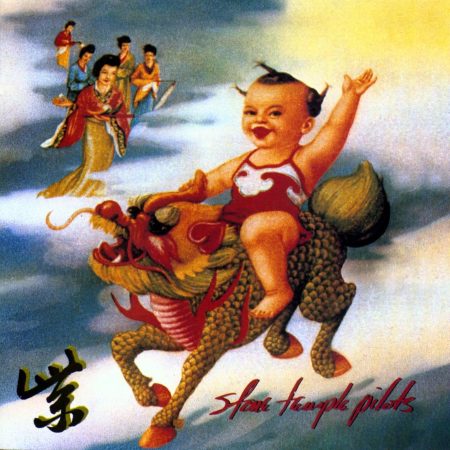
Pretty Penny – Available on Amazon
Get Stone Temple Pilots Pretty Penny (1994) on Amazon
Affiliate Disclosure: I am an Amazon affiliate and if you purchase through any Amazon links on this site I may earn a small commission at no extra charge to you. This helps support classicrockartists.com. Thank you for your support!
Quick Navigation
What is the meaning of Pretty Penny?
The song explores themes of emotional cost and the price of relationships, using the metaphor of currency to examine what we sacrifice for love and connection, delivered through Scott Weiland’s introspective lyrics and the band’s dynamic acoustic-to-electric arrangement.
The Vibe: Genre, Mood, and Sound of Pretty Penny
The track begins with delicate acoustic fingerpicking before erupting into a full-band electric assault that defines the Purple era sound.
- Genre: Alternative rock with acoustic and grunge elements
- Mood: Contemplative building to cathartic release
- Tempo: Moderate, approximately 92 BPM
- Best For: Late-night introspection or headphone listening sessions
- Similar To: Alice in Chains’ acoustic-electric dynamics meets Pearl Jam’s emotional intensity
Behind the Lyrics: The Story of Pretty Penny
Stone Temple Pilots recorded Pretty Penny during the Purple sessions at Southern Tracks Recording in Atlanta, Georgia in early 1994.
The album marked a significant departure from their debut Core, with the band deliberately expanding their sonic palette beyond the grunge label critics had assigned them.
Producer Brendan O’Brien encouraged the band to explore quieter dynamics and more nuanced arrangements, which directly influenced the acoustic opening of this track.
Scott Weiland’s lyrics reflect the personal turmoil he was experiencing during this period, as the band’s rapid rise to fame brought both success and strain.
The phrase “pretty penny” traditionally refers to a substantial sum of money, but Weiland subverts this to explore emotional expenditure rather than financial cost.
Dean DeLeo’s guitar work transitions seamlessly from gentle arpeggios to distorted power chords, mirroring the lyrical journey from vulnerability to defiance.
The song’s structure defies conventional verse-chorus patterns, instead building tension through repetition and dynamic shifts.
This approach aligned with the band’s broader artistic goals on Purple, where they sought to prove their versatility beyond the Sex Type Thing (1992) sound that initially defined them.
The track appears as the eighth song on Purple, positioned strategically between more radio-friendly material to showcase the album’s depth.
While never released as a single, the song became a favorite among dedicated fans who appreciated its raw emotional honesty.
The recording captures a band at the height of their creative powers, unafraid to experiment with dynamics and song structure.
Additional context about the song’s creation can be found at Wikipedia’s Pretty Penny entry, which documents its place in the Purple album sequence.
Technical Corner: The Gear Behind Pretty Penny
Dean DeLeo played his signature Gibson Les Paul for the electric sections, routing it through a Marshall JCM800 amplifier to achieve the song’s signature crunch.
The acoustic introduction features what appears to be a Martin D-28 dreadnought, captured with close-mic techniques that emphasize the fingerpicking detail.
Robert DeLeo Stone Temple Pilots bassist provided the melodic foundation with his Fender Precision Bass, using a pick to achieve a brighter, more aggressive tone during the electric passages.
Eric Kretz’s drum kit was a vintage Ludwig setup, with particular attention paid to the snare sound that punctuates the song’s dynamic shifts.
Producer Brendan O’Brien utilized the SSL console at Southern Tracks to create separation between the acoustic and electric sections, employing different reverb treatments for each.
Weiland’s vocals were recorded through a Neumann U87 microphone, capturing both the intimate whisper of the verses and the powerful belt of the choruses.
O’Brien’s production philosophy emphasized live performance energy, often capturing multiple band members simultaneously rather than overdubbing extensively.
The guitar tone shifts dramatically at the 1:45 mark, achieved by switching from clean channel to overdriven settings mid-performance.
Robert DeLeo’s bass lines follow the guitar melody closely during acoustic sections, then diverge into independent countermelodies when the full band enters.
The mix places Weiland’s voice prominently forward, a hallmark of O’Brien’s work that would influence alternative rock production throughout the decade.
Legacy and Charts: Why Pretty Penny Still Matters
Pretty Penny was never released as a single, so it did not chart independently on the Billboard Hot 100 or other mainstream charts.
However, the Purple album reached number one on the Billboard 200 chart, spending three weeks at the top position in June 1994.
The album achieved six-times platinum certification in the United States, with Pretty Penny contributing to the overall artistic statement that drove those sales.
In the United Kingdom, Purple peaked at number 10 on the UK Albums Chart, introducing British audiences to the band’s expanded sonic range.
Canadian fans embraced the album even more enthusiastically, pushing it to multi-platinum status and cementing STP’s status as arena headliners.
The song has been covered by various tribute bands and featured in fan-curated playlists celebrating deep album cuts from the 1990s alternative rock era.
While it lacks the film and television placements of Stone Temple Pilots Big Empty (1994), the track remains a concert rarity that delights longtime fans when performed live.
Music critics have retrospectively praised the song as evidence of the band’s compositional sophistication beyond their radio hits.
The track’s influence can be heard in later alternative rock bands who similarly employed acoustic-to-electric dynamics as a songwriting device.
Purple’s overall success validated Stone Temple Pilots’ artistic evolution and silenced critics who had dismissed them as derivative.
The album’s enduring popularity has kept Pretty Penny in circulation through streaming platforms, where it continues to find new listeners decades after its release.
Listener’s Note: A Personal Take on Pretty Penny
When I first heard this on vinyl, the acoustic opening caught me completely off guard after the bombastic energy of Vasoline that preceded it on the album.
The fingerpicking pattern has this hypnotic quality that draws you in, making you lean closer to the speakers.
Then around the two-minute mark, when the full band crashes in, the contrast hits with physical force if you’re listening at proper volume.
Weiland’s vocal performance showcases his range better than almost any other STP track, moving from breathy vulnerability to full-throated rock wail.
What strikes me most is how the song never feels like two separate pieces stitched together, despite the dramatic shift in dynamics.
The transition feels inevitable, like the quiet opening was always building toward that explosive release.
On headphones, you can hear Robert DeLeo’s bass doing subtle melodic work during the acoustic section that gets buried in the mix once the distortion kicks in.
The song rewards repeated listening because new details emerge each time, particularly in the layered guitar work during the final minute.
It’s the kind of album track that separates casual fans from devoted listeners who appreciate the full artistic vision.
You can experience this dynamic range yourself by checking out the official audio at YouTube, though vinyl remains the optimal format for appreciating the production nuances.
Affiliate Disclosure: I am an Amazon affiliate and if you purchase through any Amazon links on this site I may earn a small commission at no extra charge to you. This helps support classicrockartists.com and allows me to keep providing deep-dive content on the legends of rock. Thank you for your support!
Collector’s Corner: Own Pretty Penny on Vinyl or CD
The original 1994 vinyl pressing of Purple has become increasingly collectible, with pristine copies commanding premium prices among STP enthusiasts.
Modern reissues offer excellent sound quality and are more affordable for fans discovering the album today.
Get Stone Temple Pilots Pretty Penny (1994) on Amazon
Frequently Asked Questions About Pretty Penny
Was Pretty Penny ever released as a single?
No, Pretty Penny was never released as a commercial single.
The song remained an album-only track on Purple, with the band and label focusing promotional efforts on Interstate Love Song, Vasoline, and Big Empty instead.
Despite lacking single status, the track became a fan favorite and demonstrated the album’s depth beyond its radio hits.
What album is Pretty Penny on?
Pretty Penny appears on Stone Temple Pilots’ second studio album, Purple, released on June 7, 1994.
The album was released through Atlantic Records and produced by Brendan O’Brien.
Purple followed the band’s successful debut Core and showcased a more diverse musical approach.
Did Stone Temple Pilots perform Pretty Penny live?
Stone Temple Pilots performed Pretty Penny occasionally during the Purple tour cycle in 1994 and 1995.
The song appeared less frequently in setlists than singles from the album, making live performances special events for dedicated fans.
Bootleg recordings from the era capture the song’s powerful live dynamics, though official live releases have not featured it prominently.
What is the meaning behind the lyrics of Pretty Penny?
The lyrics explore the emotional and psychological costs of relationships and personal struggles.
Weiland uses financial metaphors to discuss what people sacrifice for connection, success, and survival.
The song reflects the internal conflicts Weiland faced during a period of rapid fame and personal challenges, themes that would recur throughout his career.
You Might Also Like
Stone Temple Pilots Tumble in the Rough (1994)
Another Purple deep cut that showcases the band’s acoustic sensibilities and lyrical introspection.
Stone Temple Pilots Creep (1992)
The breakthrough hit from Core that established the dynamic range STP would perfect on Pretty Penny.
Stone Temple Pilots Lady Picture Show (1996)
A later track that continues the acoustic-electric experimentation heard in Pretty Penny’s arrangement.
Pretty Penny remains an essential listen for anyone seeking to understand Stone Temple Pilots beyond their commercial singles, revealing a band unafraid to explore quieter dynamics and emotional vulnerability.