

Alice in Chains Would stands as one of the most haunting and powerful tracks in the grunge era, a song born from tragedy and transformed into a timeless anthem of loss and reflection.
The track showcases the raw talent and emotional depth that defined Alice in Chains Members: Complete Story & Where Are They Now, cementing their place among rock’s most influential voices.
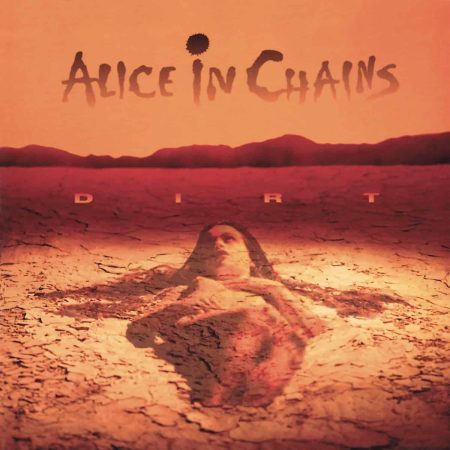
Alice in Chains Would – Available on Amazon
Get Alice in Chains Would? (1992) on Amazon
Affiliate Disclosure: I am an Amazon affiliate and if you purchase through any Amazon links on this site I may earn a small commission at no extra charge to you. This helps support classicrockartists.com. Thank you for your support!
Quick Navigation
What is the meaning of Alice in Chains Would?
The song is a tribute to Andrew Wood, the late Mother Love Bone frontman who died from a heroin overdose in 1990.
Guitarist Jerry Cantrell wrote it as a reflection on addiction, loss, and the question of whether Wood would have changed his path if given another chance.
The Vibe: Genre, Mood, and Sound of Alice in Chains Would
The track delivers a crushing blend of grunge heaviness and melodic restraint that became the band’s signature sound.
- Genre: Grunge, Alternative Metal, Hard Rock
- Mood: Melancholic, introspective, heavy, mournful
- Tempo: Mid-tempo with deliberate pacing
- Best For: Late-night reflection, emotional catharsis, understanding the depth of 90s grunge
- Similar To: Soundgarden’s “Black Hole Sun,” Pearl Jam’s “Black“
Behind the Lyrics: The Story of Alice in Chains Would
The genesis of this track traces back to the Singles movie soundtrack in 1992, where it first appeared before being included on the Dirt album.
Jerry Cantrell had been close friends with Andrew Wood and witnessed firsthand the devastating impact of addiction on the Seattle music scene.
The title itself poses a haunting question: would Wood have changed his ways if he knew the consequences?
Cantrell’s lyrics avoid preaching or judgment, instead offering a compassionate meditation on choices and regret.
The opening lines “Know me, broken by my master” immediately establish the theme of addiction as a controlling force.
Layne Staley‘s vocal delivery adds layers of irony and tragedy, given his own later struggles with substance abuse.
The song was recorded during the Dirt sessions at Eldorado Recording Studios in Los Angeles and London Bridge Studio in Seattle.
Producer Dave Jerden captured the band at their creative peak, balancing raw emotion with sonic precision.
The Dirt album became a defining statement of early 90s alternative rock, addressing themes of depression, isolation, and addiction with unflinching honesty.
This particular track stood apart from the album’s heavier moments with its more restrained, acoustic-driven approach.
The Seattle grunge movement was still reeling from Wood’s death when the song was released, making it a communal expression of grief.
Cantrell later stated that writing the song helped him process his feelings about losing his friend.
Technical Corner: The Gear Behind Alice in Chains Would
Jerry Cantrell played his signature Gibson Les Paul Custom through a Bogner amplifier for the electric parts.
The acoustic guitar parts were recorded using a Martin D-28, giving the track its warm, organic foundation.
Mike Starr provided the bass lines on a Fender Precision Bass, anchoring the song’s melodic structure.
Drummer Sean Kinney used a Ludwig kit with a distinctive snare sound that punctuates the verses.
Dave Jerden employed a technique of layering multiple guitar tracks to create the song’s dense, atmospheric quality.
Layne Staley’s vocals were captured using a Neumann U87 microphone, preserving every nuance of his emotional delivery.
The harmony vocals between Staley and Cantrell were meticulously arranged, creating the band’s signature dual-vocal sound.
Jerden used analog tape compression to give the track its warm, vintage character despite being a modern recording.
The mix balances clarity and heaviness, allowing each instrument to occupy its own sonic space.
The production choices emphasized dynamics, with quiet verses building to powerful choruses.
Legacy and Charts: Why Alice in Chains Would Still Matters
The song reached number 31 on the Billboard Hot 100, an impressive achievement for such a somber track.
It peaked at number 10 on the Billboard Mainstream Rock chart, becoming one of the band’s most successful singles.
In the UK, the track reached number 19 on the singles chart, introducing British audiences to Alice in Chains’ unique sound.
The Dirt album achieved quadruple platinum certification in the United States, with this song as one of its key tracks.
The accompanying music video, featuring the band performing in a dark, industrial setting, received heavy rotation on MTV.
The song appeared in the Singles soundtrack, which became a cultural touchstone for the Seattle music scene.
Numerous artists have covered the track, including Heart‘s Ann Wilson, who performed it at various tribute concerts.
The song has been featured in several documentaries about grunge and the Seattle music scene of the early 1990s.
It remains a staple of rock radio programming more than three decades after its release.
The track’s influence can be heard in countless alternative and metal bands that followed.
Music critics consistently rank it among the greatest grunge songs ever recorded.
The song’s themes of addiction and loss have only grown more poignant following Layne Staley’s own death in 2002.
Listener’s Note: A Personal Take on Alice in Chains Would
When I first heard this on vinyl, the opening acoustic guitar immediately commanded my full attention in a way few songs ever have.
There’s a moment at 1:23 when Layne’s voice cracks slightly on the word “master” that sends chills down my spine every single time.
The way the electric guitars enter at the chorus feels like a wave of emotion crashing over the restrained verses.
I’ve always been struck by how the song manages to be both heavy and delicate simultaneously.
The harmony between Cantrell and Staley on the chorus creates an almost otherworldly quality that defines the Alice in Chains sound.
Listening to the official video adds another layer of understanding to the song’s emotional weight.
On a good sound system, you can hear every subtle detail, from the finger slides on the acoustic to the room ambience in the drum sound.
This is a song that rewards repeated listening, revealing new depths with each play.
It’s become one of those tracks I return to when I need to feel something real and unfiltered.
Affiliate Disclosure: I am an Amazon affiliate and if you purchase through any Amazon links on this site I may earn a small commission at no extra charge to you. This helps support classicrockartists.com and allows me to keep providing deep-dive content on the legends of rock. Thank you for your support!
Collector’s Corner: Own Alice in Chains Would on Vinyl or CD
The Dirt album on vinyl offers the warmest, most authentic listening experience for this track, with the analog format perfectly complementing the organic production.
Original 1992 pressings have become highly collectible, though modern reissues maintain excellent sound quality.
Get Alice in Chains Would? (1992) on Amazon
Frequently Asked Questions About Alice in Chains Would
Who wrote Alice in Chains Would?
Jerry Cantrell wrote the song as a tribute to his friend Andrew Wood, the Mother Love Bone singer who died in 1990.
Cantrell composed both the music and lyrics, drawing from his personal grief and observations about addiction.
The song represents one of Cantrell’s most emotionally direct compositions.
What album is Would on?
The song appears on the Dirt album from 1992, though it was first released on the Singles movie soundtrack earlier that year.
Dirt became one of the defining albums of the grunge era and Alice in Chains’ commercial breakthrough.
The album’s dark themes and heavy sound influenced an entire generation of rock musicians.
What does the question mark in Would? mean?
The question mark emphasizes the central question of the song: would Andrew Wood have changed his behavior if he knew the outcome?
It reflects the uncertainty and speculation that follows any tragic loss.
The punctuation makes the title itself a question rather than a statement.
Did Layne Staley write Would?
No, Jerry Cantrell wrote the song, though Layne Staley’s vocal performance became integral to its emotional impact.
Staley’s own struggles with addiction added unintended layers of meaning to his delivery.
The collaboration between Cantrell’s songwriting and Staley’s vocals defined the Alice in Chains sound.
You Might Also Like
Alice in Chains Members: Complete Story & Where Are They Now
Discover the full story of the band members who created this masterpiece and where their journeys led them.
The enduring power of Alice in Chains Would lies in its honest confrontation with loss, addiction, and the questions that haunt us long after tragedy strikes, making it an essential piece of rock history that continues to resonate with new generations of listeners.