

Motorhead March or Die: Inside the 1992 Guest Star Album
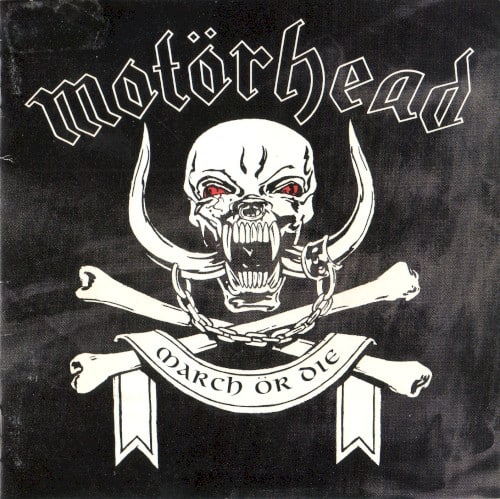
Motorhead March or Die arrived in 1992 as the most star studded record the band ever made.
Ozzy Osbourne and Slash both guested on the album, pulling Motorhead closer to the mainstream metal spotlight than ever before.
Behind the scenes, the record also marked a moment of real turmoil, with three different drummers appearing across its eleven tracks.
More than three decades later, Motorhead March or Die remains one of the band’s most talked about and most divisive studio records.
Affiliate Disclosure: I am an Amazon affiliate and if you purchase through any amazon links on this site i may earn a small commission at no extra charge to you.
📋 Table of Contents [+]
⚡ Key Takeaways
- Motorhead released March or Die, its tenth studio album, on 27 July 1992 through WTG Records.
- Ozzy Osbourne sang on I Ain’t No Nice Guy, and Slash played the song’s guitar solo plus extra guitar on You Better Run.
- Three separate drummers appear on the record: Tommy Aldridge, Phil “Philthy Animal” Taylor, and Mikkey Dee, who made his Motorhead studio debut on Hellraiser.
- The album peaked at number 60 on the UK Albums Chart, with stronger showings in Finland, Austria, and Switzerland.
- Hellraiser was used as the main theme for the film Hellraiser III: Hell on Earth in 1992.
What Is the Motorhead March or Die Album About?
The Motorhead March or Die album is built around themes of survival, defiance, and refusing to back down under pressure.
The title track sets the tone, framing life as a forced choice between forward motion and irrelevance.
Guest appearances from Ozzy Osbourne and Slash pushed the record further toward mainstream metal circles than any Motorhead album before it.
The result is a record that sounds polished by the band’s standards, shaped as much by outside collaborators as by the core lineup.
Who Recorded Motorhead March or Die?
Lemmy Kilmister handled vocals, bass, and even cello arrangements on this record.
Phil Campbell and Michael “Wurzel” Burston again shared guitar duties across the album.
Drumming duties were split three ways between Tommy Aldridge, Phil “Philthy Animal” Taylor, and Mikkey Dee, an unusual arrangement even by Motorhead’s shifting standards.
Producer Peter Solley oversaw most of the record, while Billy Sherwood took over production specifically for the track Hellraiser.
Why Did Three Different Drummers Play on One Album?
Three different drummers played on Motorhead March or Die because of a lineup transition happening in real time during the sessions.
Tommy Aldridge, on loan from Ozzy Osbourne’s own touring band, played drums on most of the album’s tracks.
Phil Taylor returned only for I Ain’t No Nice Guy, his final studio recording with Motorhead before being let go mid-session.
Mikkey Dee played only on Hellraiser, marking his studio debut with the band before becoming its full time drummer on the next album.
How Did Ozzy Osbourne and Slash End Up on the Record?
Ozzy Osbourne provided additional vocals on I Ain’t No Nice Guy, trading lines with Lemmy across the track.
Slash, then riding high with Guns N’ Roses, played the song’s guitar solo and added extra guitar work to You Better Run.
The connections ran through the touring and session circuit both artists shared with Motorhead in the early 1990s.
The pairing gave Motorhead March or Die a level of star power the band rarely leaned on elsewhere in its catalog.
What Songs Are on the March or Die Tracklist?
The album opens with the title track before moving into a run of songs built for both radio and the stage.
I Ain’t No Nice Guy, featuring Ozzy Osbourne and Slash, sits at the emotional center of the tracklist.
Hellraiser, co-written with Ozzy Osbourne and guitarist Zakk Wylde, follows later in the running order.
You Better Run rounds out the record’s most memorable tracks, later resurfacing in an unlikely reworked form more than a decade later.
Where Was Hellraiser Used in Film?
Hellraiser was used as the main theme song for the 1992 horror film Hellraiser III: Hell on Earth.
The placement tied the song directly to its title’s source material, a rare direct movie tie-in for the band.
The connection helped push the song beyond typical metal audiences and into wider horror film fandom.
You Better Run later found its own strange second life, re-recorded as You Better Swim for the 2004 SpongeBob SquarePants Movie.
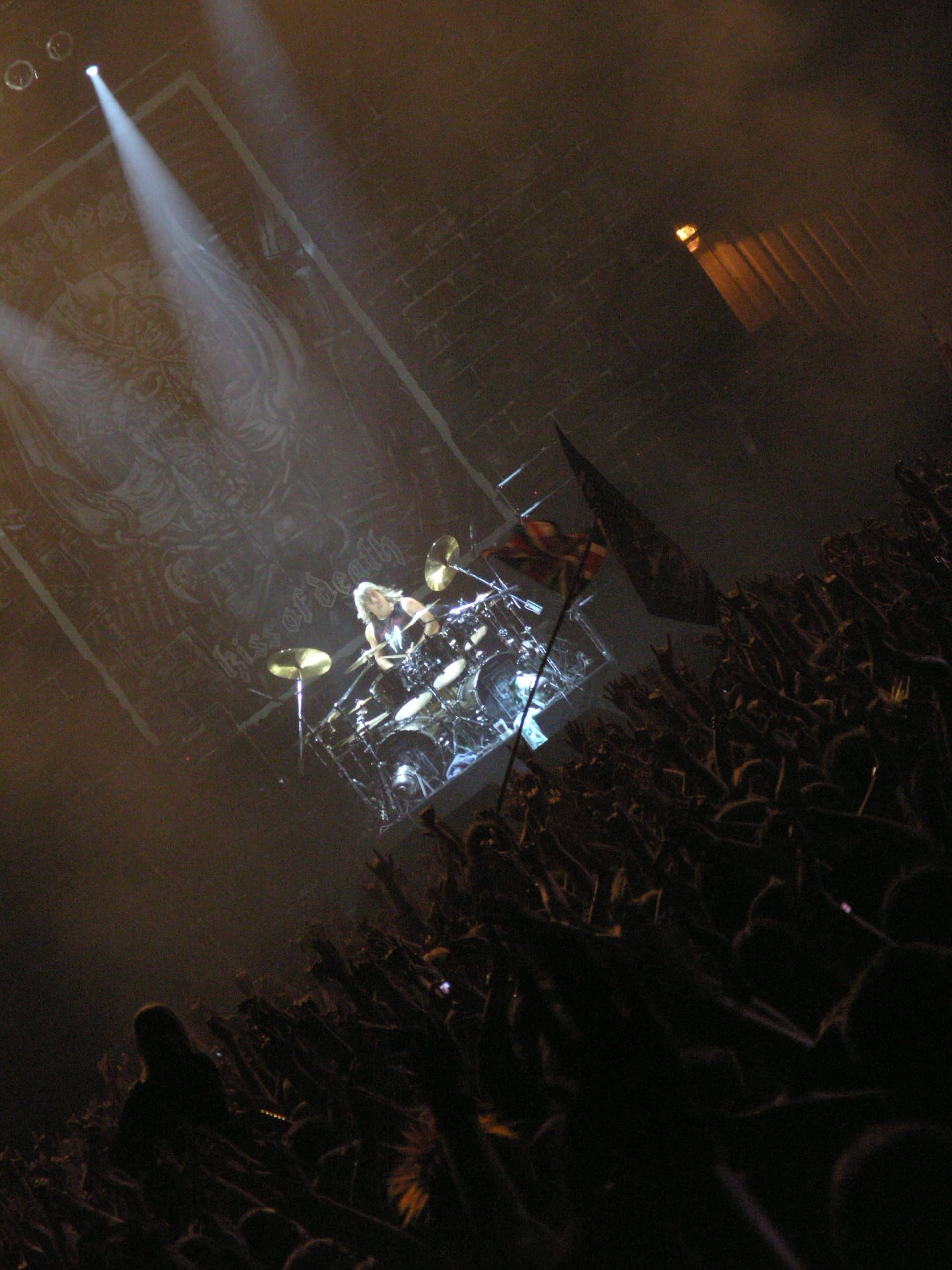
Mikkey Dee made his Motorhead studio debut on Hellraiser, one track from the Motorhead March or Die sessions.
Image Credit: Photo by Kaja Konarska, CC BY-SA 2.5, via Wikimedia Commons
Where and When Was March or Die Recorded?
Motorhead recorded March or Die at Music Grinder Studios in Los Angeles across 1991 and 1992.
WTG Records released the finished album on 27 July 1992, the band’s second and final release for that label.
Recording in Los Angeles put the band closer to the session players and guest musicians who ended up shaping the record.
The extended recording window, longer than most Motorhead albums, reflects the shifting drummer lineup happening throughout the sessions.
How Did Motorhead March or Die Chart?
Motorhead March or Die peaked at number 60 on the UK Albums Chart in 1992.
The album performed better across continental Europe, reaching number 12 in Finland, number 16 in Austria, and number 18 in Switzerland.
It also charted at number 21 in Germany and number 42 in Sweden.
The uneven chart spread reflects a record that resonated more strongly overseas than in the band’s home market, per Wikipedia‘s chart data.
What Did Critics Say About March or Die?
Critics were split on Motorhead March or Die, with some praising the star power and others calling the production too polished for the band’s raw identity.
The Ozzy Osbourne and Slash collaboration on I Ain’t No Nice Guy drew particular attention, both for its guest list and its radio friendly sound.
Some longtime fans viewed the record as a departure from the band’s usual stripped down approach.
Even critics who questioned the polish generally agreed the guest appearances gave Motorhead March or Die a unique place in the band’s catalog.
Why Does March or Die Mark a Turning Point for Motorhead?
Motorhead March or Die marks a turning point because it introduced Mikkey Dee, the drummer who would anchor the band for the next two decades.
It also closed the door on Phil Taylor’s time in Motorhead, ending his on and off run with the band that began in the classic three piece era.
The guest appearances signaled a band willing to reach outside its usual circle to stay relevant in the early 1990s metal landscape.
As of 2026, read the full lineup history of the members of Motorhead to see exactly where this transitional era fits.
People Also Ask
Who sings on Motorhead’s I Ain’t No Nice Guy?
Lemmy Kilmister and Ozzy Osbourne both sing on Motorhead’s I Ain’t No Nice Guy from the 1992 album March or Die, with Slash playing the track’s guitar solo and Phil Taylor drumming in what became his final Motorhead studio recording.
The three way collaboration remains one of the most guest heavy tracks in the band’s entire catalog.
Who drummed on Motorhead’s March or Die album?
Three drummers played on Motorhead’s March or Die album: Tommy Aldridge on most tracks, Phil Taylor on I Ain’t No Nice Guy only, and Mikkey Dee, making his studio debut, on Hellraiser only.
Mikkey Dee went on to become Motorhead’s full time drummer starting with the band’s next studio album.
What movie is the Motorhead song Hellraiser from?
Motorhead’s song Hellraiser served as the main theme for the 1992 horror film Hellraiser III: Hell on Earth, and it appears on the band’s March or Die album released the same year.
The song was co-written by Lemmy Kilmister, Ozzy Osbourne, and guitarist Zakk Wylde.
How high did Motorhead March or Die chart?
Motorhead March or Die peaked at number 60 on the UK Albums Chart in 1992, while performing more strongly overseas with a number 12 peak in Finland and number 16 in Austria.
The album’s chart spread reflects stronger reception across continental Europe than in the UK.
Watch the Official Video and Shop Motorhead Albums
Affiliate Disclosure: I am an Amazon affiliate and if you purchase through any amazon links on this site i may earn a small commission at no extra charge to you. This helps support classicrockartists.com and allows me to keep providing deep-dive content on the legends of rock. Thank you for your support!
As an Amazon Associate, I earn from qualifying purchases.
March or Die
1992
Features Ozzy Osbourne and Slash as guest musicians.
Introduced drummer Mikkey Dee to the band.
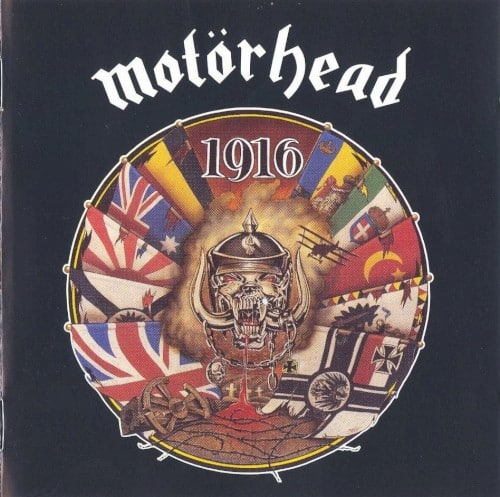
1916
1991, Grammy Nominated
The Grammy nominated album released right before March or Die.
Phil Taylor’s last full record with the band.
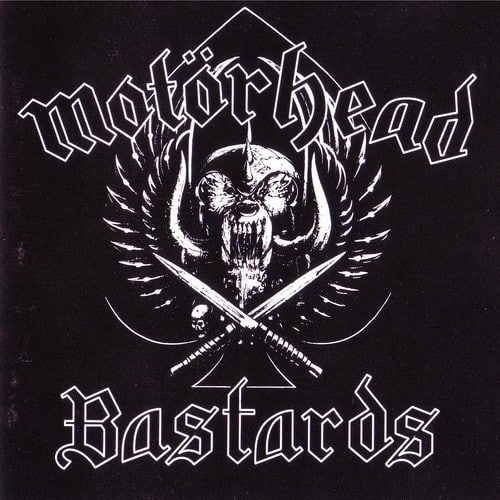
Bastards
1993
Mikkey Dee’s first full album as Motorhead’s permanent drummer.
Released just one year after March or Die.
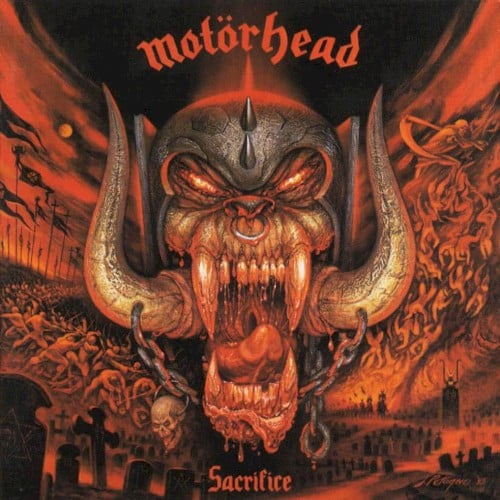
Sacrifice
1995
The next chapter in the Mikkey Dee era of the band.
Continues the harder, faster direction March or Die pointed toward.
You Might Also Like
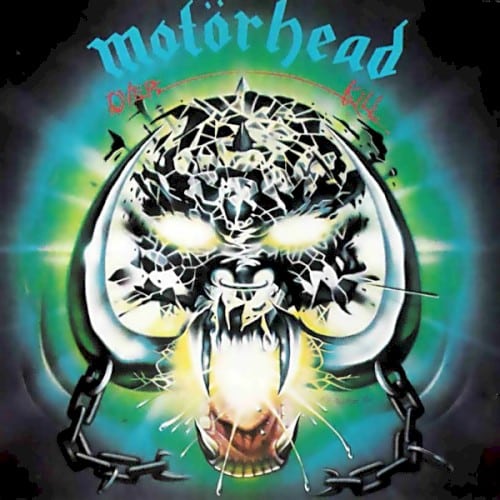
Motorhead Overkill: The Album That Started It All
The twin bass drum record from the classic lineup, over a decade before March or Die’s guest stars.
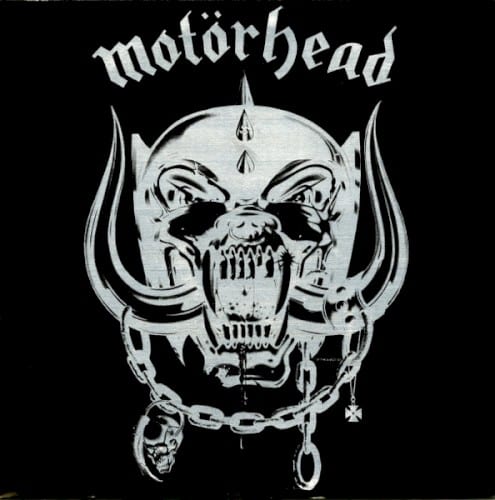
Motorhead Debut Album: The Chaotic Birth of a Legend
The 1977 record from the same band that later shared a stage with Ozzy Osbourne and Slash.
1916 Motorhead Song: Lemmy’s Tribute to the Somme
The Grammy nominated title track from the album released one year before March or Die.
Born to Raise Hell Motorhead: Ice-T’s Wild Duet
Another guest heavy Motorhead track, released just a year after March or Die’s own celebrity pairing.
Motorhead March or Die remains a record defined as much by who showed up to play on it as by the songs themselves.
As of 2026, it stands as the bridge between the band’s classic drummers and the Mikkey Dee era that followed for two decades.
Guest stars and lineup chaos aside, Motorhead March or Die still delivers the defiance the band built its name on.
Last updated: July 21, 2026