

Wurzel Motorhead: The Band’s Twin Guitar Guitarist
Wurzel Motorhead’s twin guitar tenure defined one of the most distinctive chapters in the band’s history, the only period built around two guitarists at once.
Born Michael Richard Burston on 23 October 1949 in Cheltenham, England, he brought a scarecrow haired stage presence and a genuine army background to a band already famous for its intensity.
Wurzel joined Motorhead in 1984 alongside fellow newcomer Phil Campbell, forming a twin guitar frontline that lasted more than a decade.
He played on six studio albums and two live releases before leaving in 1995, and remained connected to the band as a guest performer until his death in 2011.
Affiliate Disclosure: I am an Amazon affiliate and if you purchase through any amazon links on this site i may earn a small commission at no extra charge to you.
📋 Table of Contents [+]
⚡ Key Takeaways
- Wurzel played guitar in Motorhead from 1984 to 1995, forming a twin guitar lineup with Phil Campbell.
- Before joining the band, he served as a corporal in the British Army’s Gloucestershire Regiment.
- Wurzel appeared on six studio albums, including Orgasmatron, 1916, and Sacrifice.
- He left Motorhead in 1995 after recording Sacrifice, and the band reverted to a three piece rather than replace him.
- Wurzel died on 9 July 2011 at age 61 from heart complications.
Wurzel Motorhead’s Early Life and Army Career
Wurzel was born Michael Richard Burston on 23 October 1949 in Cheltenham, England.
Before turning to music professionally, he served as a corporal in the British Army’s Gloucestershire Regiment, stationed in Germany and Northern Ireland.
He had already played in the bands Bastard and Warfare before his Motorhead audition, and spent the early 1980s in a Cheltenham group first called Made in England, then The Meek.
That grounding in working bands gave him a practical, road ready approach long before he ever auditioned for Lemmy Kilmister.
His time in the Army also gave him a discipline that carried over into the demanding touring schedule Motorhead expected of every member.
How Did Wurzel Join Motorhead?
Wurzel joined Motorhead in 1984 after auditioning on the same day as another then unknown guitarist, Phil Campbell.
Both men were hired at once, creating a four piece lineup built around two guitarists for the first time in the band’s history.
The new lineup’s first recorded work was a backing track for the British sitcom The Young Ones, recorded on 14 February 1984.
Wurzel also played on a Lemmy produced album for his old band Warfare, Metal Anarchy, released in 1985.
💡 Did You Know?
Wurzel contributed guitar to a 1986 charity compilation called Where Would You Rather Be Tonight, with all proceeds going to Broadreach House, a rehabilitation center for drug and alcohol addiction.
Where Did Wurzel’s Nickname Come From?
Wurzel earned his nickname while serving in the British Army, where fellow soldiers compared his scarecrow style hair and easygoing manner to the television character Worzel Gummidge.
Lemmy Kilmister later encouraged him to add an umlaut over the U, turning Worzel into Wurzel for extra heavy metal effect.
The change fit neatly with the band’s own umlaut studded name and visual identity.
The nickname stuck for the rest of his life and career, appearing on every album credit from that point forward.
Wurzel Motorhead Twin Guitar Era Albums
Wurzel’s first Motorhead credit came on the 1984 compilation No Remorse, which introduced the new twin guitar lineup to fans.
His first true studio album was Orgasmatron in 1986, followed by Rock ‘n’ Roll in 1987.
He continued through 1916 in 1991, March or Die in 1992, and Bastards in 1993.
Wurzel’s final studio album with the band was Sacrifice in 1995, closing out an eleven year run behind six studio records.
His playing during this era was also documented on the VHS and DVD release 1916 Live, Everything Louder Than Everything Else, filmed in 1991.
Why Did Wurzel Leave Motorhead in 1995?
Wurzel left Motorhead in 1995 shortly after recording Sacrifice, departing before the album’s supporting tour began.
Rather than recruit a replacement guitarist, the band chose to revert to the three piece lineup that had defined its earliest years.
That decision permanently ended Motorhead’s twin guitar era and returned Lemmy, Phil Campbell, and drummer Mikkey Dee to a stripped down format.
The three piece lineup would go on to record every Motorhead album released after 1995, a run that stretched all the way to Bad Magic in 2015.
Wurzel Motorhead’s Solo Work and Side Projects
Wurzel released his first solo EP, Bess, in 1987, featuring an instrumental title track alongside rock songs Midnight in London and People Say I’m Crazy.
The EP also included E.S.P., a jazz rock instrumental that showed a very different side of his playing than his work in Motorhead.
In 1998, inspired by psychedelic experiences in Belgium, he recorded and released Chill Out or Die, an ambient, largely improvised avant garde album.
The record stood in sharp contrast to anything he had recorded with Motorhead, showing a genuinely experimental side to his musical interests.
He also contributed guitar to a range of other projects over the years, including albums by Atomgods, Warhead, Disgust, and Splodgenessabounds.
Wurzel also recorded a single with the project WVKEAF in 1997, adding to a side catalog that stretched well beyond his main band’s sound.
Across these projects, he consistently sought out music that let him explore textures and moods far removed from Motorhead’s core aggression.
Wurzel Motorhead’s Later Guest Appearances
Wurzel returned to the Motorhead stage as a guest performer several times after his 1995 departure.
He appeared at the 2008 Download Festival and the 2009 Guilfest, along with a handful of dates on the band’s 2008 UK tour.
In 2007, Wurzel gave his first interview since leaving the band for the Motörhead Videobiography DVD release, speaking for around 50 minutes about his time in the group.
A further interview with him surfaced years later on the 2013 release Motorhead: The Ultimate Review, using different footage from the Videobiography sessions.
These appearances kept him connected to Motorhead’s story long after his full time tenure had ended.
They also gave newer Motorhead fans a rare chance to see him share a stage with the band again, even briefly.
💡 Did You Know?
Wurzel’s first interview since leaving Motorhead appeared on the 2007 Motörhead Videobiography DVD, running roughly 50 minutes on the release’s second disc.
How Did Wurzel Die?
Wurzel died on 9 July 2011 at age 61.
The cause of death was ventricular fibrillation triggered by cardiomyopathy.
Tim Butcher, Lemmy’s longtime bass technician, was the first to report the news publicly.
Lemmy dedicated Motorhead’s performance at the Sonisphere Festival in Knebworth the following day to Wurzel’s memory.
The gesture reflected how much respect remained between Wurzel and his former bandmates, even sixteen years after he had left the group.
💡 Did You Know?
At the time of his death, Wurzel was working on new material with a band called Leader of Down, which had already announced a debut single planned for early 2010.
Wurzel Motorhead’s Guitar Style and Legacy
Wurzel’s playing added texture and melodic color to Motorhead’s sound during the only era the band ran two guitarists at once.
His slide guitar work in particular set him apart from the band’s more straightforward riff based tradition.
Lemmy’s own tribute at Sonisphere reflected how deeply Wurzel’s contribution was valued within the band’s extended family.
His twin guitar era with Phil Campbell remains a distinct and fondly remembered chapter in Motorhead’s four decade history.
Across nine years and six studio albums, Wurzel helped the band expand beyond its original three piece format without ever losing its core intensity.
People Also Ask
How long was Wurzel in Motorhead?
Wurzel played guitar in Motorhead from 1984 to 1995, an eleven year run that included six studio albums and two live releases.
He formed a twin guitar lineup with Phil Campbell for the entire span of his time in the band.
Why is he called Wurzel?
Wurzel earned his nickname in the British Army, where his scarecrow style hair reminded fellow soldiers of the television character Worzel Gummidge.
Lemmy Kilmister later suggested adding an umlaut to the name for extra heavy metal effect, matching the band’s own visual style.
Why did Wurzel leave Motorhead?
Wurzel left Motorhead in 1995 shortly after recording the album Sacrifice, departing before the supporting tour began.
Rather than hire a replacement, the band reverted to its original three piece lineup for the rest of its history.
How did Wurzel die?
Wurzel died on 9 July 2011 at age 61 from ventricular fibrillation triggered by cardiomyopathy.
Lemmy Kilmister dedicated Motorhead’s Sonisphere Festival performance the following day to his memory.
What albums did Wurzel play on with Motorhead?
Wurzel played on six Motorhead studio albums: Orgasmatron, Rock ‘n’ Roll, 1916, March or Die, Bastards, and Sacrifice, along with two live releases.
He also appeared on the 1984 compilation No Remorse, which introduced his and Phil Campbell’s arrival on record for the first time.
Watch Wurzel Motorhead in Action and Shop the Albums
Affiliate Disclosure: I am an Amazon affiliate and if you purchase through any amazon links on this site i may earn a small commission at no extra charge to you. This helps support classicrockartists.com and allows me to keep providing deep-dive content on the legends of rock. Thank you for your support!
As an Amazon Associate, I earn from qualifying purchases.
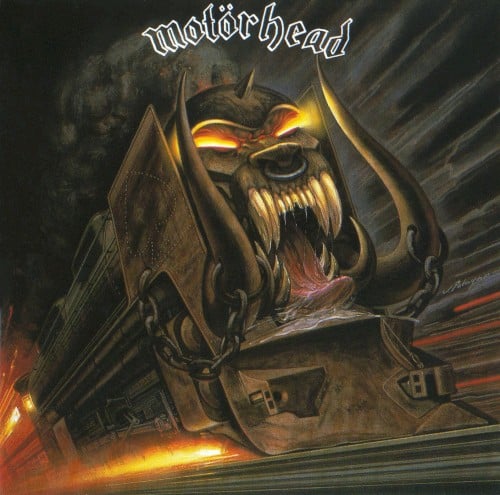
Orgasmatron
1986
Wurzel’s first full studio album with the band.
Launched the twin guitar era with Phil Campbell.
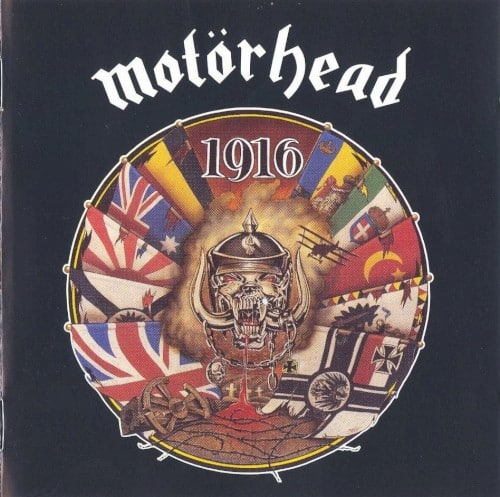
1916
1991
One of the most celebrated records of Wurzel’s tenure.
Features the band’s ambitious title track.
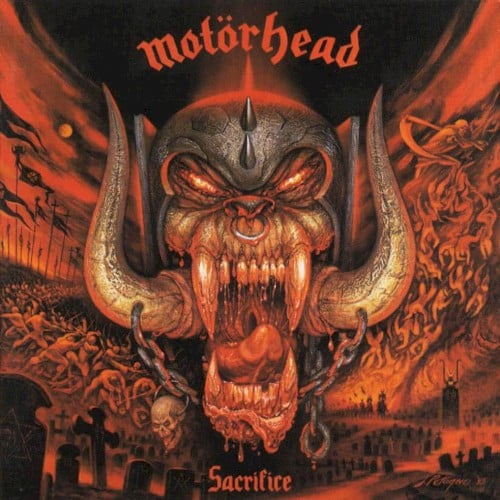
Sacrifice
1995
Wurzel’s final studio album with Motorhead.
He left before the album’s supporting tour.
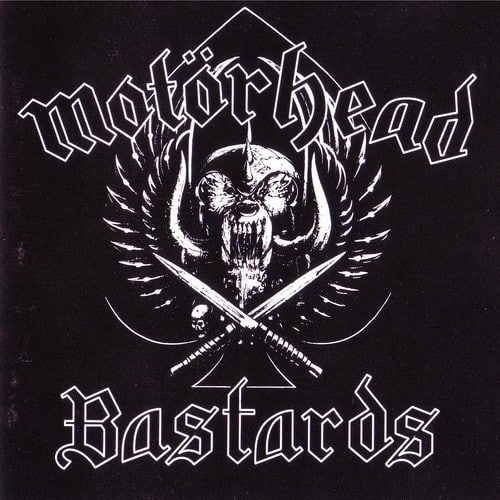
Bastards
1993
Recorded two years before Wurzel’s departure.
A critically underrated highlight of the twin guitar era.
You Might Also Like
Motorhead Orgasmatron: Inside the 1986 Metal Rebirth
The album that launched Wurzel’s twin guitar era with the band.
Motorhead 1916: Inside the 1991 Album
One of the most celebrated records of Wurzel’s time in the band.
Motorhead Sacrifice: Inside the 1995 Album
Wurzel’s final studio album before leaving the band.
Motorhead Bastards: Inside the 1993 Album
A twin guitar era highlight recorded two years before Wurzel’s exit.
Wurzel’s twin guitar era remains one of the most distinctive chapters in Motorhead’s long history.
His playing, his nickname, and his easygoing character all left a lasting mark on the band’s story.
Read the full lineup history of the members of Motorhead to see how Wurzel’s era fits into the band’s larger story.
As of 2026, Wurzel Motorhead’s twin guitar years remain fondly remembered by fans who lived through that chapter of the band’s history.
Last updated: July 25, 2026