

(Don’t Fear) The Reaper by Blue Oyster Cult is one of the most distinctive recordings in classic rock, a song about death and eternal love that built its message on a hypnotic guitar figure, rich harmony vocals, and a mood that was simultaneously dark and serene.
Affiliate Disclosure: I am an Amazon affiliate and if you purchase through any amazon links on this site i may earn a small commission at no extra charge to you.
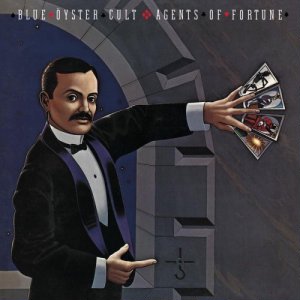
Written by lead guitarist Buck Dharma (Donald Roeser), (Don’t Fear) The Reaper reached number 12 on the US Billboard Hot 100 in 1976 and appeared on the Agents of Fortune album, which became the band’s commercial breakthrough.
The song’s enduring presence in popular culture, from Halloween playlists to the Saturday Night Live cowbell sketch, has kept it relevant for five decades.
| Song Title | (Don’t Fear) The Reaper |
| Artist | Blue Oyster Cult |
| Album | Agents of Fortune (1976) |
| Released | 1976 (single) |
| Written By | Buck Dharma |
| Producer | Murray Krugman, Sandy Pearlman, David Lucas |
| Label | Columbia Records |
| Chart Peak | #12 US Billboard Hot 100 |
Table of Contents
- What Is (Don’t Fear) The Reaper About?
- The Vibe: Genre, Mood, and Search Intent
- Behind the Lyrics: The Story of (Don’t Fear) The Reaper
- Technical Corner: The Gear Behind (Don’t Fear) The Reaper
- Legacy and Charts: Why (Don’t Fear) The Reaper Still Matters
- Listener’s Note: A Personal Take on (Don’t Fear) The Reaper
- Collector’s Corner: Own a Piece of Rock History
- Frequently Asked Questions About (Don’t Fear) The Reaper
What Is (Don’t Fear) The Reaper About?
(Don’t Fear) The Reaper is a song about accepting death as a natural continuation of love rather than an ending.
Buck Dharma wrote the lyric during a period when he was confronting his own mortality and the idea that two people deeply in love might transcend death together, the way Romeo and Juliet did.
The chorus asks the listener not to fear death but to see it as a reunion, an eternal version of the love experienced in life, a message that is simultaneously consoling and unsettling in the way the best dark rock often is.
The Vibe: Genre, Mood, and Search Intent
(Don’t Fear) The Reaper floats on an endlessly cycling guitar figure that creates a sense of suspended time, neither rushing nor static, as if the song itself exists slightly outside the normal flow of minutes and hours.
- Genre: Hard Rock, Psychedelic Rock, Classic Rock
- Mood: Dark, Hypnotic, Strangely Peaceful
- Tempo: Midtempo (~138 BPM)
- Best For: Halloween playlists, late-night listening, classic rock deep cuts
- Similar To: Boston “More Than a Feeling”, Foreigner “Cold as Ice”, Heart “Magic Man”
- Fans Also Search: Blue Oyster Cult discography, Buck Dharma biography, (Don’t Fear) The Reaper cowbell SNL
Behind the Lyrics: The Story of (Don’t Fear) The Reaper
Buck Dharma wrote (Don’t Fear) The Reaper during the sessions for Agents of Fortune, the band’s fourth studio album, recording what became one of the most unsettling and beautiful rock songs of the 1970s.
The lyric was inspired partly by his reflection on his own mortality and partly by the romantic mythology of lovers who transcend death together.
The Romeo and Juliet reference in the bridge is explicit, framing the song’s central argument in the most famous love story in Western literature.
Dharma’s vocal delivery is deliberately calm throughout, matching the lyric’s message of acceptance with a tone that avoids melodrama.
(Don’t Fear) The Reaper reached number 12 on the US Billboard Hot 100 in 1976 and the Agents of Fortune album was certified platinum, marking the high point of Blue Oyster Cult’s commercial career.
The song has since become one of the most recognised recordings in classic rock, appearing on hundreds of compilation albums and soundtrack releases.
Technical Corner: The Gear Behind (Don’t Fear) The Reaper
The centrepiece of (Don’t Fear) The Reaper is Buck Dharma’s guitar figure, a four-bar cycling pattern that repeats throughout the song with hypnotic persistence.
Dharma played a Gibson SG for the main figure, running it through a relatively clean amplifier setup to achieve the bright, slightly glassy tone that gives the riff its crystalline quality.
The arrangement adds bass and drums that follow the riff pattern tightly, creating a locked groove rather than a conventional rock rhythm section.
The harmony vocals on the chorus, arranged by Dharma and Eric Bloom, add a choral warmth that transforms the dark lyric into something almost devotional.
Producers Murray Krugman, Sandy Pearlman, and David Lucas used studio effects sparingly but precisely, adding subtle reverb that gives the track its sense of spacious distance.
The famous cowbell part, played by percussionist Albert Bouchard, became the subject of a Saturday Night Live sketch in 2000 in which Will Ferrell played a fictional version of Bouchard insisting on more cowbell.
That sketch aside, the cowbell serves a genuine musical purpose in the arrangement, providing a dry, percussive accent that offsets the riff’s sustain and keeps the groove locked.
Legacy and Charts: Why (Don’t Fear) The Reaper Still Matters
(Don’t Fear) The Reaper reached number 12 on the US Billboard Hot 100 in 1976 and has appeared on countless classic rock compilations and best-of lists in the decades since.
The Saturday Night Live cowbell sketch from 2000, featuring Christopher Walken as producer Bruce Dickinson demanding more cowbell, became one of the most quoted comedy sketches in television history and permanently associated the song with the phrase in popular culture.
That cultural association did not diminish the song but amplified its reach, bringing a new generation to the original recording who then discovered the rest of Blue Oyster Cult’s catalogue.
The song has appeared in dozens of Halloween specials, horror films, and science fiction programmes, its dark and hypnotic quality making it a natural choice for unsettling dramatic contexts.
It was used notably in the film Halloween (1978) and in the television series The Stand (1994), reaching different audiences at different moments without losing its impact.
Rolling Stone included (Don’t Fear) The Reaper in its list of the 500 greatest songs of all time, and it remains the defining recording of Blue Oyster Cult’s career.
Listener’s Note: A Personal Take on (Don’t Fear) The Reaper
(Don’t Fear) The Reaper is one of those songs that rewards hearing it alone in the dark.
In a playlist it functions as a hard rock classic.
Heard by itself at volume, it reveals something stranger and more unsettling than most rock songs are willing to be.
Buck Dharma’s guitar figure is the key.
It cycles without resolving, creating a state of suspension that perfectly suits a song about the moment between life and whatever comes after.
The cowbell joke has become part of the song’s mythology, but the actual recording does not need defending.
It is exactly as good as it has always been.
Watch: (Don’t Fear) The Reaper by Blue Oyster Cult
Collector’s Corner: Own a Piece of Rock History
Blue Oyster Cult: Agents of Fortune (1976)
Own the album that gave the world (Don’t Fear) The Reaper. Original Columbia pressings and anniversary editions available.
Frequently Asked Questions About (Don’t Fear) The Reaper
Who wrote (Don’t Fear) The Reaper?
(Don’t Fear) The Reaper was written by Buck Dharma, the lead guitarist of Blue Oyster Cult. Dharma has said the song was inspired by reflection on mortality and the idea that love might transcend death.
What is (Don’t Fear) The Reaper about?
The song is about accepting death as a continuation of love rather than an ending. The lyric argues that two people who truly love each other need not fear death because love itself is eternal. The Romeo and Juliet reference in the bridge frames this theme in literary terms.
What is the cowbell joke about?
The cowbell in (Don’t Fear) The Reaper became famous through a Saturday Night Live sketch in 2000 in which Will Ferrell played percussionist Gene Frenkle demanding more cowbell be added to the recording. The sketch, featuring Christopher Walken, became one of the most quoted in television history.
How high did (Don’t Fear) The Reaper chart?
(Don’t Fear) The Reaper reached number 12 on the US Billboard Hot 100 in 1976. The Agents of Fortune album was certified platinum and is considered the commercial peak of Blue Oyster Cult’s career.
What album is (Don’t Fear) The Reaper on?
(Don’t Fear) The Reaper appears on Agents of Fortune, Blue Oyster Cult’s fourth studio album, released on Columbia Records in 1976. The album includes contributions from Patti Smith and is regarded as the band’s finest record.
Who produced (Don’t Fear) The Reaper?
(Don’t Fear) The Reaper was produced by Murray Krugman, Sandy Pearlman, and David Lucas. Sandy Pearlman was also the band’s manager and the producer of most of their early albums, shaping their distinctive heavy rock sound.
Has (Don’t Fear) The Reaper appeared in films or TV?
Yes. (Don’t Fear) The Reaper has appeared in numerous films and television programmes, including the original Halloween film (1978) and Stephen King’s The Stand (1994). Its dark, hypnotic quality makes it one of the most frequently licensed songs in horror and science fiction contexts.
What guitar does Buck Dharma play on (Don’t Fear) The Reaper?
Buck Dharma played a Gibson SG on the main guitar figure of (Don’t Fear) The Reaper. The clean, bright tone he achieved became one of the most recognisable guitar sounds in classic rock.
You Might Also Like
Boston: More Than a Feeling (1976)
Released the same year, More Than a Feeling shares (Don’t Fear) The Reaper’s status as one of the defining guitar-driven classic rock songs of 1976, demonstrating the extraordinary range of hard rock production in that peak year.
Heart: Magic Man (1976)
Another 1976 hard rock classic that combines dark atmosphere with an irresistible melodic hook, Magic Man sits naturally alongside (Don’t Fear) The Reaper in any serious classic rock playlist.
Foreigner: Hot Blooded (1978)
Foreigner’s high-energy arena rock anthem demonstrates the direction hard rock took in the years immediately after (Don’t Fear) The Reaper, amplifying the melodic and dynamic qualities that made Blue Oyster Cult’s song a blueprint for the late 1970s.
Decades on, (Don’t Fear) The Reaper by Blue Oyster Cult endures as one of the greatest songs in classic rock history, a recording that has outlasted trends and generations to remain as vital and exciting as the day it was made.