
The Fleetwood Mac The Dance Album represents one of the most triumphant reunions in rock history, capturing the legendary lineup at their most mature and reflective.
Released in 1997, this live album marked the first time in a decade that Stevie Nicks, Lindsey Buckingham, Christine McVie, John McVie, and Mick Fleetwood had performed together as the classic quintet.
The album emerged from an MTV special filmed at Warner Brothers Studios in Burbank, California, and became an instant commercial and critical success.
What makes this release particularly special is how it balances nostalgia with artistic growth, presenting beloved classics alongside new material that proved the band still had creative fire.
The chemistry between members of Fleetwood Mac crackles throughout every track, despite years of separation and personal conflicts.
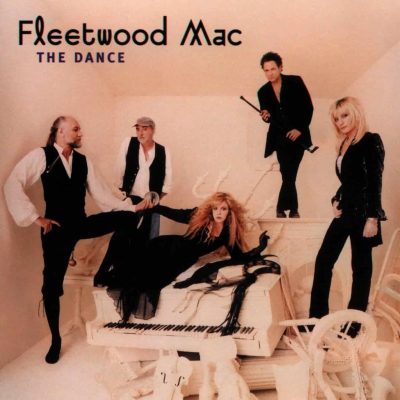
Fleetwood Mac The Dance Album – Available on Amazon
Get Fleetwood Mac The Dance Album on Vinyl or CD at Amazon
Affiliate Disclosure: I am an Amazon affiliate and if you purchase through any Amazon links on this site I may earn a small commission at no extra charge to you. This helps support classicrockartists.com. Thank you for your support!
Table of Contents (Click to Expand)
Overview of Fleetwood Mac The Dance Album
The Dance arrived at a pivotal moment when classic rock reunions were becoming increasingly common, yet few achieved the artistic legitimacy this album delivered.
The project began as a one-off MTV special but quickly evolved into something far more substantial.
Producer Elliot Scheiner worked meticulously to capture the live energy while ensuring studio-quality sound.
The album features seventeen tracks spanning the band’s most celebrated era, from their 1975 breakthrough through the experimental Tango in the Night period.
Four new songs appear on the album, demonstrating that this wasn’t merely a nostalgia exercise.
The USC Marching Band joins the group on several tracks, adding unexpected grandeur to familiar arrangements.
Stevie Nicks’ voice had deepened and matured, bringing new gravitas to songs she first recorded in her twenties.
Lindsey Buckingham’s guitar work showcases the technical mastery he’d developed during his solo years.
Christine McVie’s keyboards and vocals provide the warm center that had always been her signature contribution.
The rhythm section of John McVie and Mick Fleetwood remains as tight and intuitive as ever.
The connection to Rumours by Fleetwood Mac is particularly evident in how the band reinterprets those classic tracks with two decades of perspective.
Recording History and Production
The genesis of The Dance began in 1996 when President Bill Clinton’s inauguration committee approached the band about performing.
That performance reignited interest in a full reunion, leading to negotiations with MTV and Warner Bros.
The taping took place on May 23, 1997, at Warner Brothers Stage 12 in Burbank before an intimate audience of approximately 400 people.
According to Wikipedia’s detailed documentation, the band rehearsed for several weeks before the filming.
Elliot Scheiner, who had worked on albums by Steely Dan and The Eagles, brought his perfectionist approach to the production.
The decision to include the USC Trojan Marching Band came from Lindsey Buckingham’s vision for expanding certain arrangements.
Multiple takes were recorded for most songs, with the best performances selected for the final album.
The new songs were actually recorded in studio sessions separate from the live taping.
Buckingham took the lead on producing the new material, working closely with each band member individually.
The mixing process took several months as Scheiner balanced the live atmosphere with sonic clarity.
Tensions during rehearsals occasionally flared, particularly between Buckingham and Nicks, echoing their complicated history.
Christine McVie initially had reservations about participating but was convinced by the others’ enthusiasm.
The band chose to avoid overdubs and studio fixes wherever possible, preserving the authentic live feel.
Lighting designer Marc Brickman created an intimate visual atmosphere that translated beautifully to the MTV broadcast.
The setlist was carefully curated to represent each member’s contributions fairly while focusing on the most beloved songs.
Track-by-Track Highlights of Fleetwood Mac The Dance Album
The album opens with “The Chain,” a powerful statement of unity despite the band’s fractured history.
John McVie’s bass line on this track remains one of rock’s most recognizable, and here it thunders with renewed purpose.
The emotional weight of Fleetwood Mac Dreams takes on new dimensions as Nicks delivers it with the wisdom of experience.
Her voice may have lost some of its youthful brightness, but it gained a haunting depth that serves the song perfectly.
“Everywhere” showcases Christine McVie’s enduring gift for crafting perfect pop melodies.
The song’s optimistic energy provides a welcome contrast to some of the album’s more melancholic moments.
Buckingham’s solo acoustic performance of “Big Love” is a tour de force of technical guitar playing.
His percussive fingerpicking style transforms the song into something almost orchestral in scope.
“Landslide” has become one of Nicks’ signature songs, and this version captures her reflecting on its prophetic lyrics.
The audience’s reverent silence during this performance speaks to the song’s enduring emotional power.
The raw emotion in Fleetwood Mac Go Your Own Way remains palpable as Buckingham and Nicks perform their breakup anthem together.
Twenty years after writing it, Buckingham’s vocal delivery has lost none of its defiant edge.
“Rhiannon” benefits from Nicks’ deeper vocal register, adding a darker mysticism to the Welsh witch tale.
Her stage presence during this song demonstrates why she became rock’s preeminent female performer.
“Temporary One” is one of the new songs, a Christine McVie composition that fits seamlessly with the classic material.
Its bittersweet melody and lyrics about impermanence resonate with the reunion’s uncertain future.
“Bleed to Love Her” showcases Buckingham’s continued evolution as a songwriter and arranger.
The song builds from intimate verses to a soaring chorus that rivals anything from the band’s classic period.
“I’m So Afraid” closes the album with Buckingham’s extended guitar solo, a cathartic release of emotion.
This performance alone justifies the entire reunion, demonstrating his status as one of rock’s most underrated guitarists.
The inclusion of Fleetwood Mac Gypsy from the Mirage era shows the band’s willingness to explore beyond just Rumours material.
“Silver Springs,” famously left off Rumours, finally receives its due as one of Nicks’ most powerful compositions.
The tension between Nicks and Buckingham during this performance is almost unbearable to witness.
“You Make Loving Fun” reminds listeners of Christine McVie’s essential role in the band’s sound.
Her warm, inviting vocals provide a necessary counterbalance to Nicks’ more dramatic style.
“Sweet Girl” is another new track that demonstrates the band could still create compelling material together.
The song’s arrangement incorporates elements from across their career, synthesizing their various stylistic periods.
Chart Performance of Fleetwood Mac The Dance Album
The Dance album debuted at number one on the Billboard 200 chart in August 1997.
This achievement made Fleetwood Mac one of the few acts to top the charts across three different decades.
The album sold over 200,000 copies in its first week, an impressive figure for a live album.
It remained in the top ten for several weeks, demonstrating sustained commercial appeal.
By the end of 1997, The Dance had achieved quintuple platinum status in the United States.
International sales were equally strong, with the album reaching top five positions in multiple countries.
In the UK, the album peaked at number fifteen, a respectable showing given the competitive market.
Canada embraced the album particularly enthusiastically, where it achieved diamond certification.
The MTV special that accompanied the album drew massive ratings, introducing the band to a new generation.
VH1 also played the special repeatedly, further expanding the album’s reach.
The success of The Dance sparked renewed interest in the band’s back catalog.
Rumours re-entered the charts and experienced a significant sales boost.
The album’s commercial performance exceeded Warner Bros.’ most optimistic projections.
It became the best-selling live album of 1997 by a significant margin.
The Dance also performed well in adult contemporary radio formats, where several tracks received regular airplay.
The album’s success led to an extensive tour that became one of the highest-grossing of 1997.
Legacy and Cultural Impact
The Dance proved that classic rock reunions could be artistically valid rather than mere nostalgia cash-grabs.
It set a template for how heritage acts could reconnect with audiences while maintaining dignity and musical integrity.
The album introduced Fleetwood Mac to Generation X listeners who had been too young to experience the band’s 1970s peak.
MTV’s involvement was crucial in bridging the generational gap and making the band relevant to younger audiences.
The performance of “Silver Springs” became legendary, with this YouTube video capturing the intense emotional exchange between Nicks and Buckingham.
That particular moment has been analyzed countless times as an example of art emerging from personal conflict.
The Dance’s success encouraged other classic rock acts to attempt similar reunion projects.
The Eagles’ Hell Freezes Over had paved the way, but The Dance proved the concept had staying power.
The album’s production quality set new standards for live recordings in the digital era.
Elliot Scheiner’s work demonstrated that live albums could sound pristine without losing their spontaneous energy.
The inclusion of new material alongside classics became a blueprint for reunion projects.
It showed that reunited bands could still create rather than simply recreate.
The Dance tour that followed the album’s release became a massive undertaking, playing to sold-out arenas worldwide.
The tour’s success demonstrated that the album’s sales weren’t just about nostalgia but genuine renewed interest.
Christine McVie’s decision to retire from touring after this period makes The Dance even more poignant in retrospect.
It represents the last time the classic lineup would tour together extensively.
The album’s influence extends to how live albums are marketed and presented in the streaming era.
Its combination of visual and audio elements anticipated the multimedia approach now standard for major releases.
Listener’s Note
When I first heard this album in 1997, I was skeptical about yet another classic rock reunion.
Too many of my heroes had tarnished their legacies with uninspired comeback attempts.
But from the opening notes of “The Chain,” I knew this was different.
The band sounded hungry, engaged, and genuinely excited to be playing together.
What struck me most was how the passage of time had actually enhanced many of these songs.
Stevie Nicks singing “Landslide” at fifty carried a weight that her twenty-seven-year-old self couldn’t have conveyed.
The same applied to Buckingham’s performance of “I’m So Afraid,” which felt like a lifetime of emotion channeled through his guitar.
I’ve returned to this album countless times over the years, and it never feels dated.
The production has aged remarkably well, avoiding the sonic trends that make many 1990s recordings sound trapped in their era.
Watching the MTV special was equally revelatory, seeing the visual dynamics between band members.
The way Nicks and Buckingham circled each other during “Silver Springs” was almost uncomfortable to witness.
Yet that discomfort is part of what makes Fleetwood Mac so compelling.
They’ve never hidden their conflicts, instead transforming them into art.
The Dance captures that alchemical process at its finest.
For newer fans discovering the band, this album serves as an excellent entry point.
It provides a comprehensive overview of their greatest work while showcasing their mature artistry.
I often recommend it to people who think they don’t like Fleetwood Mac based on radio overexposure.
The fresh arrangements and passionate performances can reset expectations and reveal the depth beneath the hits.
This album reminds me why I fell in love with rock music in the first place.
It’s about human connection, emotional honesty, and the transcendent power of musicians operating at the highest level.
Affiliate Disclosure: I am an Amazon affiliate and if you purchase through any Amazon links on this site I may earn a small commission at no extra charge to you. This helps support classicrockartists.com and allows me to keep providing deep-dive content on the legends of rock. Thank you for your support!
Collector’s Corner
The Dance has been released in multiple formats over the years, each offering something unique for collectors.
The original CD release featured the standard seventeen-track configuration that most fans know.
A deluxe DVD version included the complete MTV special with additional behind-the-scenes footage.
This DVD has become increasingly valuable as physical media has declined in popularity.
Vinyl enthusiasts had to wait until 2018 for an official LP release, which came as a three-disc set.
The vinyl pressing was handled with care, using high-quality materials that do justice to Scheiner’s production.
Japanese pressings of the CD are particularly prized for their superior mastering and packaging.
These editions often include additional liner notes and OBI strips that add to their collectibility.
The album has also been released in various digital formats, including high-resolution audio files.
For those seeking the ultimate listening experience, the 24-bit/96kHz version reveals details lost in standard CD quality.
Concert posters and promotional materials from The Dance tour have become sought-after memorabilia.
Original MTV promotional items, including advance copies sent to reviewers, occasionally surface on auction sites.
Add The Dance to your collection on Amazon, where you can find both new and used copies in various formats.
The album remains readily available and affordable, making it accessible to new fans and completists alike.
Signed copies occasionally appear on the collector’s market, though authentication is crucial given the prevalence of forgeries.
The album’s enduring popularity ensures it will remain in print for the foreseeable future.
FAQ About Fleetwood Mac The Dance Album
When was Fleetwood Mac The Dance Album recorded and released?
The Dance was recorded on May 23, 1997, at Warner Brothers Studios in Burbank, California.
The album was released on August 19, 1997, just a few months after the taping.
The quick turnaround was designed to capitalize on the momentum from the MTV special.
The new studio tracks were recorded separately in the months leading up to the live taping.
Why is “Silver Springs” so significant on The Dance?
“Silver Springs” was originally intended for Rumours but was cut due to vinyl length limitations.
Stevie Nicks had long felt the song deserved proper recognition as one of her finest compositions.
The Dance performance became legendary for the visible tension between Nicks and Buckingham.
Nicks’ pointed delivery of certain lyrics directly at Buckingham created an unforgettable moment.
The song’s inclusion helped it finally receive the acclaim it had been denied twenty years earlier.
Did The Dance lead to more Fleetwood Mac albums?
The Dance’s success led to an extensive tour but not immediately to new studio albums.
Christine McVie retired from touring after The Dance, complicating future plans.
The band released Say You Will in 2003, but without McVie’s participation.
McVie eventually rejoined for touring in 2014, but the classic lineup never recorded another studio album together.
The Dance remains the last major project featuring all five classic members at their peak.
How does The Dance compare to other Fleetwood Mac live albums?
The Dance is generally considered the definitive Fleetwood Mac live album.
Earlier live recordings like Fleetwood Mac Live from 1980 captured the band at a different stage.
The Dance benefits from superior production technology and the band’s matured musicianship.
It also features a more carefully curated setlist focused on the most beloved songs.
The inclusion of new material sets it apart from purely retrospective live albums.
You Might Also Like
Fleetwood Mac 1975 Album
Explore the album that started it all for the classic lineup, featuring the debut of Buckingham and Nicks.
Fleetwood Mac Tango in the Night
Discover the band’s last studio album with the classic lineup before their decade-long separation.
Fleetwood Mac Greatest Hits Songs
A comprehensive guide to the essential tracks that defined Fleetwood Mac’s legendary career.
The Fleetwood Mac The Dance Album stands as a testament to the enduring power of great songwriting and the complex chemistry that made this band legendary.