

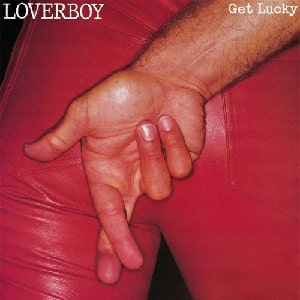
Loverboy released Working for the Weekend in 1981 as a single from their album Get Lucky, creating an anthem of weekend anticipation that became one of the defining rock party songs of the decade.
Written by Paul Dean, Matthew Frenette, and Doug Johnson and produced by Bruce Fairbairn, the track captured the universal desire to leave the working week behind and let loose, giving it an appeal that has never faded.
Affiliate Disclosure: As an Amazon Associate I earn from qualifying purchases. This helps support the site at no extra cost to you.
| Song | Working for the Weekend |
| Artist | Loverboy |
| Album | Get Lucky (1981) |
| Written by | Paul Dean, Matthew Frenette, Doug Johnson |
| Produced by | Bruce Fairbairn |
| Released | 1981 |
| Genre | Hard Rock, Arena Rock |
| Record Label | Columbia Records |
| Chart Peak | #29 US Billboard Hot 100 |
Table of Contents
Background and Meaning
Working for the Weekend was written by three members of Loverboy as a direct expression of the universal experience of enduring the Monday-to-Friday grind in anticipation of the freedom that Saturday and Sunday bring.
The lyric is deliberately simple and direct, mirroring the straightforward nature of its subject: everybody wants the weekend, everybody is living for those two days of release, and there is no need to complicate that feeling with unnecessary nuance.
Vocalist Mike Reno has noted that the song came together quickly because everyone in the band understood exactly what it was about from personal experience, having spent years playing small clubs and working day jobs before their breakthrough.
That authenticity gives Working for the Weekend its enduring credibility, the sense that this is a song written by people who genuinely knew what it felt like to wait all week for a moment of freedom rather than a calculated attempt to capture a mood.
Producer Bruce Fairbairn, who would go on to produce landmark albums by Aerosmith and Bon Jovi, recognized the song’s commercial potential immediately and built a production around it that maximized its impact without softening its hard rock edge.
Musical Composition
Working for the Weekend opens with a guitar-driven riff that immediately communicates the song’s energy and urgency before Reno’s distinctive vocal enters with a delivery that matches the lyric’s sense of barely contained excitement.
Dean’s guitar work drives the track forward with a hard rock aggression that gives the song its muscle, while the rhythm section maintains the kind of relentless forward momentum that suits a song about people waiting all week for permission to move.
The chorus is one of the most effective hooks in 1980s arena rock, the title phrase landing with a combination of release and recognition that made it impossible for anyone who had ever worked a nine-to-five job not to respond immediately.
Fairbairn’s production gives the track a polished but powerful sound, the kind of recording that filled arenas without losing the raw energy that made it feel genuine rather than manufactured.
The song’s relatively compact structure, tight verses building to an explosive chorus and back again, keeps the energy at maximum throughout and prevents the momentum from ever sagging.
Chart Success and Legacy
Working for the Weekend reached number 29 on the US Billboard Hot 100, a chart position that understated the song’s actual cultural impact significantly.
The track performed far better on rock radio and became a live concert staple that Loverboy has never been able to drop from their setlist, as audiences demand it at virtually every show the band has ever played.
The Get Lucky album was certified four times platinum in Canada and double platinum in the United States, making Loverboy one of the most commercially successful Canadian rock exports of the early 1980s.
Working for the Weekend has appeared in dozens of films, television shows, and sporting events over the decades, its universal theme making it one of the most broadly usable songs in the classic rock catalog.
The song’s famous opening riff and chorus have become a cultural shorthand for the concept of the weekend itself, a degree of integration into everyday life that few songs of any era achieve.
Watch the Official Video
Frequently Asked Questions
FAQ
- Who wrote Working for the Weekend?
-
Working for the Weekend was written by Loverboy members Paul Dean, Matthew Frenette, and Doug Johnson, drawing on their own personal experience of grinding through the working week in anticipation of the weekend.
- What album is Working for the Weekend from?
-
The song appeared on Get Lucky, Loverboy’s second studio album, released in 1981 on Columbia Records and certified four times platinum in Canada.
- Why did Working for the Weekend not chart higher in the US?
-
The song peaked at number 29 on the Billboard Hot 100 but was far more successful on rock radio and as a live concert staple, a pattern common to hard rock tracks of the era that built their reputation through radio play rather than pure chart position.
- Where is Loverboy from?
-
Loverboy is a Canadian band from Calgary, Alberta, who became one of the most commercially successful Canadian rock acts of the early 1980s alongside contemporaries like Bryan Adams.
- Why has Working for the Weekend remained so popular?
-
Its universal theme of anticipating weekend freedom, combined with a perfectly constructed hard rock arrangement, has given the song a timeless quality that connects with every working person regardless of the decade in which they first hear it.
You Might Also Like

Simple, direct, and completely irresistible, Working for the Weekend by Loverboy is one of rock music’s great universal statements, a song that captures a feeling shared by everyone who has ever counted down the hours to Friday afternoon.