
Motley Crue Without You: The 1990 Power Ballad
Motley Crue Without You landed in 1990 and showed a different side of a band that most of the world associated exclusively with danger, excess, and volume.
The song is a straight-ahead power ballad, built around an emotional directness that the harder material in the catalog deliberately avoided, and it reached number eight on the Billboard Hot 100.
That chart position made it the second-highest charting single in Motley Crue’s pop chart history, landing just behind Kickstart My Heart and confirming that the Dr. Feelgood era had genuinely changed what the band was capable of commercially.
More than thirty years later, the song holds its place in a catalog that has never stopped finding new audiences.
Affiliate Disclosure: I am an Amazon affiliate and if you purchase through any amazon links on this site i may earn a small commission at no extra charge to you.
Quick Navigation
- Motley Crue Without You: What the Song Is About
- The Dr. Feelgood Album and Where Without You Fits
- How Motley Crue Without You Was Written
- Bob Rock and the Production Sound
- Vince Neil and the Vocal That Made It Land
- Motley Crue Without You on MTV
- The Shifting Rock Landscape of 1990 and 1991
- What Motley Crue Without You Meant for the Band
- Watch Motley Crue Without You Now
Motley Crue Without You: What the Song Is About
Motley Crue Without You operates in territory that the band had visited before with Home Sweet Home but had never quite approached from this angle: the rawness of genuine longing, delivered without the theatrics that typically defined their ballad work.
The lyric describes the specific emptiness that follows the end of something real, the way absence becomes a presence of its own, and it does so with a plainness that made it immediately accessible to anyone who had ever lost something they needed.
There are no pyrotechnics in the sentiment, no clever wordplay, and no attempt to obscure what the song is about.
What Motley Crue understood about writing this kind of track was that directness is not weakness: it is the only approach that actually works when the subject is loss, and the song commits to that directness across every verse and chorus.
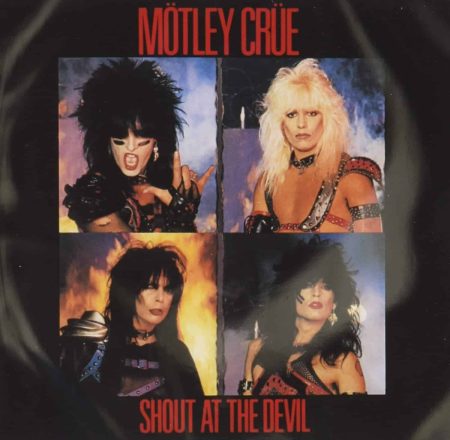
The result is one of the most emotionally transparent moments in the band’s entire recorded output, which made it genuinely surprising to audiences who had followed them since Shout at the Devil.
The Dr. Feelgood Album and Where Without You Fits
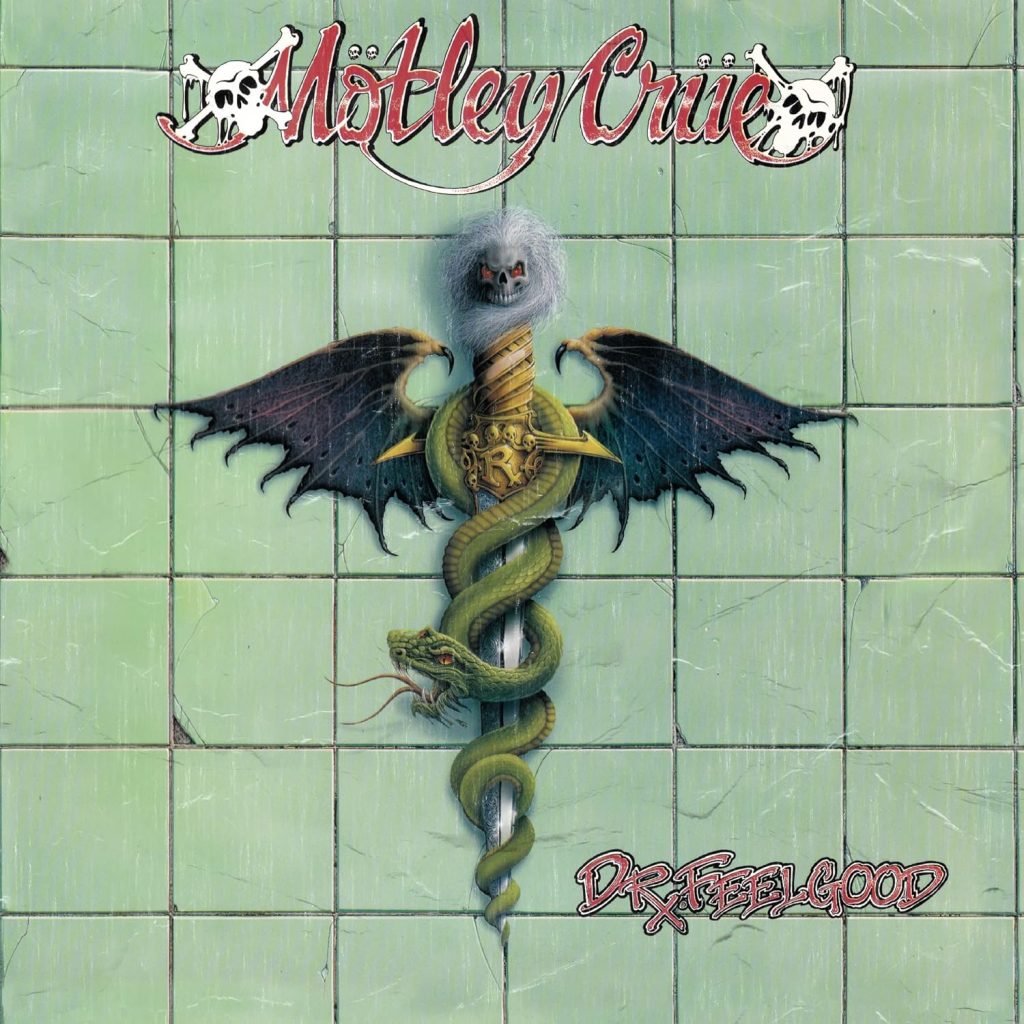
The Dr. Feelgood album was released on September 1, 1989, and became the commercial peak of Motley Crue’s career, eventually selling more than six million copies in the United States alone.
The record was dominated by the harder sound of the title track and Kickstart My Heart, two tracks that defined the album’s public identity and drove it to the top of the charts.
Without You sat deeper in the running order, positioned as the album’s emotional anchor after the adrenaline of the opening run of tracks had done its work on the listener.
That placement was deliberate: the song needed space, needed the audience to have arrived somewhere before it could take them somewhere else entirely.
When the Dr. Feelgood era is discussed as the apex of the band’s commercial output, Without You is often the track that explains why the album had the kind of depth that pure hard rock records typically do not deliver.
How Motley Crue Without You Was Written
Motley Crue Without You was written by Nikki Sixx and Tommy Lee, the same songwriting partnership that had generated much of the band’s most emotionally direct material throughout their career.
Sixx brought the lyrical instinct and Lee brought the melodic sense that together produced a song framework built on vulnerability rather than aggression.
The track emerged from the same writing sessions that produced the rest of the Dr. Feelgood material, but it occupied a different register from the beginning.
Nikki Sixx had written emotionally raw material before, but Without You pushed that rawness further than the glam-metal framework typically allowed, and the decision to include it on the album was a reflection of confidence in what the song actually was.
The composition required a different kind of performance from every member of the band, and the recording demonstrated that the four people who had been playing together for nearly a decade could find that register without losing themselves in it.
Bob Rock and the Production Sound
Producer Bob Rock had transformed the sonic identity of Motley Crue before Without You existed in its final form, and the production approach he brought to the Dr. Feelgood sessions gave the ballad a clarity and presence that earlier Motley Crue recordings had not always managed.
Rock understood that a power ballad required the same precision in the low frequencies as a hard rock track, that the emotional weight of the song needed to be supported by a production that matched it rather than softened it.
The drums, in particular, are recorded with a weight that keeps Without You from floating into the kind of soft-focus sound that defined lesser ballads of the era.
The guitars are present but restrained, pulling back where the vocal needed room and pushing forward where the song demanded a physical impact.
Bob Rock built a production that respected the song rather than trying to make it something it was not, and the result is a track that sounds as considered and specific as any of the harder material on the same record.
Vince Neil and the Vocal That Made It Land
The performance that Vince Neil delivered on Without You is one of the most controlled and emotionally honest vocal takes in the Motley Crue catalog.
He did not chase the melodrama that a lesser singer might have reached for, understanding instinctively that the song needed restraint to work, that the emotional impact would land harder if he held something back rather than pushing everything into the open.
His voice carries a roughness that made the vulnerability feel earned rather than manufactured, a quality that only comes from someone who has actually been in the situation the lyric describes.
Neil had the range the song required and the judgment to use only as much of it as the moment demanded, and those two things together produced a performance that elevated the composition beyond what it might have been with a more technically accomplished but less instinctive singer.
Motley Crue Without You on MTV
The music video for Motley Crue Without You took a different visual approach from the performance clips and provocative imagery that had characterized the band’s earlier MTV presence.
The clip was emotional in tone and personal in content, reflecting the intimacy of the song itself and demonstrating that Motley Crue had the range to occupy a visual register beyond the leather-and-excess identity that had defined them commercially.
MTV gave it significant rotation, bringing the song to audiences who might have passed on harder Motley Crue material and giving the band a pop-radio presence that extended well beyond their existing hard rock base.
The exposure that MTV provided was still the primary mechanism for building a song’s commercial profile in 1990, and Without You benefited from the full weight of that platform in a way that the band’s earlier work had also leveraged but never quite to the same emotional effect.
The Shifting Rock Landscape of 1990 and 1991
Motley Crue Without You arrived at a moment when the rock landscape was beginning to move in directions that would, within two years, significantly reduce the commercial space available to bands operating in the Motley Crue tradition.
The Seattle scene was building momentum throughout 1990 and 1991, with bands like Alice in Chains developing a harder, darker sound that would eventually reshape what mainstream rock radio was willing to program.
The emotional directness of Without You, in retrospect, reads as a recognition that the purely theatrical approach of glam metal had reached its natural limit, and that the audiences who had built the genre were ready for something that spoke to them more honestly.
Motley Crue did not make that calculation consciously, but the song they chose to release as a power ballad in 1990 had more in common with what was coming than with what had defined the previous decade.
That alignment was not strategy — it was the result of writers who were, at that particular moment, being genuinely honest about what they felt.
What Motley Crue Without You Meant for the Band
Motley Crue Without You confirmed that the band operating at the peak of their commercial success could produce music that operated on multiple emotional registers simultaneously.
The Dr. Feelgood album sold because of Kickstart My Heart and the title track, but it lasted because of Without You and the other tracks that demonstrated depth behind the surface aggression.
For the complete Motley Crue story, the song represents a moment where the band was genuinely capable of anything the medium required.
The number eight chart position was a commercial confirmation of what the song already was, but the legacy goes beyond the chart: it is the track that demonstrates the range of a band often reduced to their most extreme characteristics.
Motley Crue continues to perform today, with their 2026 Carnival of Sins tour bringing the full catalog to a new generation of audiences.
Watch Motley Crue Without You Now
The video below captures Without You in its original form.
Affiliate Disclosure: This post contains affiliate links. If you purchase through them, we may earn a small commission at no extra cost to you.
If you want the Dr. Feelgood album in your collection, the Dr. Feelgood album on Amazon is where Motley Crue Without You lives alongside the full commercial peak of the band.