

Can’t You See by The Marshall Tucker Band is one of the most emotionally resonant Southern rock ballads of the 1970s, a slow-burning song that captures heartbreak with flute, slide guitar, and raw soul.
Affiliate Disclosure: I am an Amazon affiliate and if you purchase through any amazon links on this site i may earn a small commission at no extra charge to you.
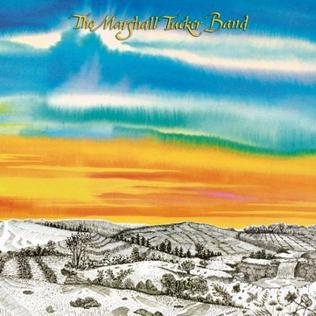
Released on the band’s 1973 self-titled debut album on Capricorn Records, this Toy Caldwell composition became a defining statement of the Southern rock movement that emerged from Spartanburg, South Carolina.
With its aching melody and deeply personal lyrics, this song speaks to anyone who has ever needed to run from pain.
It builds from a quiet acoustic opening into a full-band arrangement that feels both intimate and expansive.
Paul Hornsby’s warm production at Capricorn Studios in Macon, Georgia gave the track a rootsy, organic texture.
Decades after its release, Can’t You See continues to appear on road trip playlists, film soundtracks, and classic rock radio, proof of its timeless appeal.
| Song Title | Can’t You See |
| Artist | The Marshall Tucker Band |
| Album | The Marshall Tucker Band (1973) |
| Release Year | 1973 |
| Written By | Toy Caldwell |
| Producer | Paul Hornsby |
| Label | Capricorn Records |
| Chart Peak | #75 US Billboard Hot 100 (re-release 1975) |
Table of Contents
- What Is Can’t You See About?
- The Vibe: Genre, Mood, and Search Intent
- Behind the Lyrics: The Story of Can’t You See
- Technical Corner: The Gear Behind Can’t You See
- Legacy and Charts: Why Can’t You See Still Matters
- Listener’s Note: A Personal Take on Can’t You See
- Collector’s Corner: Own a Piece of Rock History
- Frequently Asked Questions About Can’t You See
What Is Can’t You See About?
It is a heartbreak ballad by The Marshall Tucker Band about a man desperate to escape a painful relationship.
Written by Toy Caldwell, the narrator imagines catching a freight train, climbing a mountain, and sailing downriver, searching for any path away from a woman who has left him broken.
The Vibe: Genre, Mood, and Search Intent
Can’t You See opens with a gentle acoustic guitar figure before building into a full Southern rock statement layered with flute, organ, and lead guitar.
The mood is reflective and raw, sitting somewhere between country heartbreak and rock defiance.
- Genre: Southern Rock, Country Rock
- Mood: Melancholic, Longing, Reflective
- Tempo: Mid-tempo ballad (~76 BPM)
- Best For: Late night drives, emotional processing, classic rock deep dives
- Similar To: Lynyrd Skynyrd “Simple Man”, The Allman Brothers Band “Melissa”
- Fans Also Search: Marshall Tucker Band discography, Toy Caldwell songs, Capricorn Records artists
Behind the Lyrics: The Story of Can’t You See
Toy Caldwell wrote this song in the early 1970s before the band had a record deal, drawing on raw personal experience.
The lyrics catalog the places a desperate man would go to escape a destructive relationship: catching a freight train, climbing mountains, sailing a river.
The imagery is rooted in Southern landscape and country tradition, connecting to a lineage running from Hank Williams through the Allman Brothers Band.
The song was recorded at Capricorn Records‘ studio in Macon, Georgia in 1972, produced by Paul Hornsby.
The self-titled debut album was released in April 1973, and Can’t You See became a standout track through FM radio play and word of mouth rather than a formal chart push.
Its appeal was immediate and deeply personal among Southern rock fans who recognized its emotional honesty.
For fans of the era, this tune belongs alongside Lynyrd Skynyrd’s Free Bird as a defining emotional statement.
Both songs share a similar arc: a quiet, personal opening that builds to a cathartic wide-open rock finale, earning every minute of their extended running times.
Technical Corner: The Gear Behind Can’t You See
Toy Caldwell played a Martin D-28 acoustic guitar throughout the recording, using a glass slide to produce the song’s characteristic weeping guitar tone.
His brother Tommy Caldwell handled the bass, providing a deep and steady foundation that gives the track its unhurried gravity.
Jerry Eubanks contributed both saxophone and flute, the flute solo in particular becoming one of the song’s most recognizable signatures and setting the Marshall Tucker Band apart from their Southern rock contemporaries.
Paul Hornsby recorded the session using a dry, close-miking approach that kept the organic warmth of the instruments front and center.
Rather than layering with studio effects, Hornsby let the natural resonance of the room and the blend of acoustic and electric instruments create the emotional depth.
The result is a recording that sounds live and immediate, as if the band is playing a few feet away, a production philosophy shared by the best Capricorn Records releases of the era.
Legacy and Charts: Why Can’t You See Still Matters
Can’t You See first charted at #108 on the Billboard Hot 100 upon its initial 1973 release.
After the band’s profile grew, a re-release in 1975 reached #75 on the same chart.
The song built its real following through American FM radio throughout the 1970s and 1980s, becoming a deep-cut favorite that outlasted many of its chart contemporaries.
The song has been covered by numerous artists across country and Americana genres, with Travis Tritt recording a notable version in the 1990s that introduced the song to a new generation of listeners.
It has appeared in film and television soundtracks repeatedly, and remains a staple on classic rock radio playlists to this day.
Today, Can’t You See is recognized as one of the greatest Southern rock ballads ever recorded.
It appears on multiple all-time classic rock lists and consistently accumulates millions of streams annually, its emotional honesty finding new audiences with every passing decade.
Listener’s Note: A Personal Take on Can’t You See
When I first heard it on an old vinyl copy of the self-titled Marshall Tucker debut, Toy Caldwell’s voice hit like something I had been waiting to hear without knowing it.
There is a particular kind of Southern light in that recording, dusty and golden, the kind you see late on a summer afternoon when everything goes quiet.
The flute line surprised me the first time, unexpected in a rock context, and then felt completely right.
The song earns its length.
Six minutes is the right amount of time to carry this kind of weight.
By the end, when the band locks in and the guitar begins to breathe out long, slow phrases, you realize you have been holding tension you did not know you were carrying.
This tune has that quality: it finds something in you and brings it carefully to the surface.
Watch: Can’t You See by The Marshall Tucker Band
Collector’s Corner: Own a Piece of Rock History
The Marshall Tucker Band (1973)
Own the debut album that launched one of Southern rock’s most beloved bands. Original Capricorn pressings and remastered editions available.
Frequently Asked Questions About Can’t You See
Who wrote Can’t You See?
Can’t You See was written by Toy Caldwell, the lead guitarist and primary songwriter of The Marshall Tucker Band. He wrote it in the early 1970s and it was recorded for the band’s 1973 self-titled debut album on Capricorn Records.
What is Can’t You See about?
Can’t You See is about a man seeking escape from a painful relationship. The narrator lists ways he would flee, including catching a freight train or sailing downriver, expressing a desperate need for freedom from heartbreak and emotional pain.
How did Can’t You See perform on the charts?
Can’t You See reached #108 on the Billboard Hot 100 upon its initial 1973 release. A re-release in 1975 reached #75. The song’s real success came through FM radio airplay and word of mouth rather than chart performance.
What label released Can’t You See?
Can’t You See was released on Capricorn Records, the Macon, Georgia label home to many Southern rock artists including The Allman Brothers Band and Wet Willie.
Who produced Can’t You See?
Can’t You See was produced by Paul Hornsby at Capricorn Studios in Macon, Georgia. Hornsby had previously worked with Duane Allman and was a key figure in Southern rock production.
Has Can’t You See been covered by other artists?
Yes. Travis Tritt recorded a notable cover of Can’t You See in the 1990s that helped introduce the song to new audiences. It has also been performed live by numerous tribute bands and country and Americana artists over the decades.
What instruments are featured in Can’t You See?
Can’t You See features Toy Caldwell on slide guitar, Tommy Caldwell on bass, Jerry Eubanks on flute and saxophone, Paul Riddle on drums, and George McCorkle on rhythm guitar. The flute solo is one of the song’s most distinctive elements.
What album is Can’t You See on?
Can’t You See appears on The Marshall Tucker Band’s self-titled debut album, released in April 1973 on Capricorn Records, produced by Paul Hornsby at Capricorn Studios in Macon, Georgia.
You Might Also Like
Lynyrd Skynyrd: Free Bird (1973)
Like Can’t You See, Free Bird is a slow-building Southern rock epic that transforms from a quiet ballad into a soaring, emotionally charged finale.
The Allman Brothers Band: Ramblin’ Man (1973)
A fellow Southern rock classic from the same year, Ramblin’ Man shares Can’t You See’s themes of restless wandering and the need to keep moving.
Lynyrd Skynyrd: Sweet Home Alabama (1974)
Another Southern rock anthem from the Capricorn era that celebrates the same rootsy, sun-drenched spirit that makes Can’t You See a timeless American classic.
Whether you are discovering it for the first time or returning to it after years away, Can’t You See by The Marshall Tucker Band rewards every listen with something new, a timeless Southern rock masterpiece that never loses its emotional grip.