

Alice in Chains Them Bones hits within the first three seconds of Dirt, and it does not ease in.
That opening guitar attack in late 1992 told anyone paying attention that this album was going to operate by different rules.
Affiliate Disclosure: As an Amazon Associate I earn from qualifying purchases. This helps support the site at no extra cost to you.
Quick Navigation
- Alice in Chains Them Bones and the Opening of Dirt
- A Riff Built on Death and Odd Time
- Alice in Chains Them Bones: What the Lyrics Are Saying
- Jerry Cantrell’s Guitar Work on the Track
- Alice in Chains Them Bones and the Grunge War of 1992
- Layne Staley’s Vocal Delivery: Pure Aggression
- The Official Video and MTV in 1992
- How Them Bones Sets the Tone for the Entire Album
- Alice in Chains Them Bones Live and in the Setlist
- Stream It, Own It, Feel the Full Force
Alice in Chains Them Bones and the Opening of Dirt
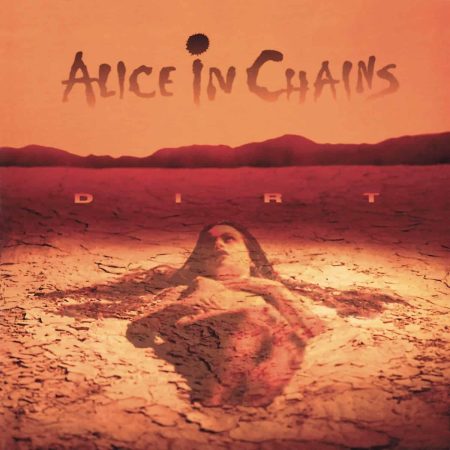
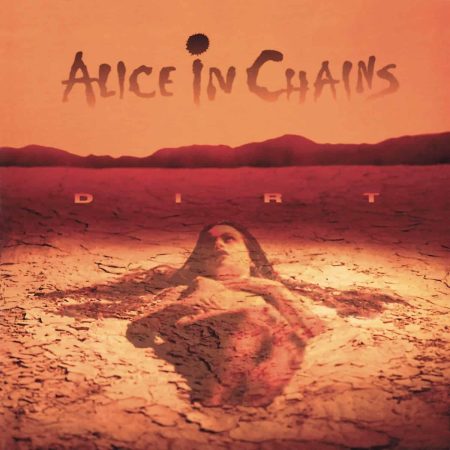
Alice in Chains Them Bones is the first track on Dirt, the band’s second studio album, released on September 29, 1992.
Placing it first was a deliberate choice.
No warmup, no acoustic intro, no slow fade-in from silence.
Just a guitar riff that arrives fully formed and starts shaking the floor before the first verse lands.
Dirt had to announce itself differently from Facelift, the 1990 debut that broke the band through mainstream rock radio.
Alice in Chains Them Bones was that announcement: this record will not be comfortable, and it will not apologize for that.
No other major label album in the Seattle class of 1992 opened with anything remotely similar.
A Riff Built on Death and Odd Time
The guitar riff runs in 7/4 time, meaning seven beats per bar rather than the standard four.
Jerry Cantrell built it around an irregular pulse that keeps the listener slightly off balance throughout the track.
Seven beats per bar means the pattern never settles into a groove you can predict or nod along to easily.
That instability is deliberate.
Cantrell wanted the listener to feel what the lyrics address: the physical reality of death with no comfortable framework around it.
The odd time rhythm that defines Alice in Chains Them Bones was his attempt to unsettle the listener from bar one.
Producer Dave Jerden recorded the guitars with a tone that feels like the room is about to collapse inward.
The bass and drums lock into the same irregular meter, giving the whole track a sense of brutal, shared purpose.
Alice in Chains Them Bones: What the Lyrics Are Saying
The opening line, “I believe them bones are me,” confronts mortality as a physical reality rather than an abstract fear.
Cantrell wrote from genuine existential discomfort in 1992.
The band was watching the costs of addiction and hard living accumulate around them in real time.
The verse continues with “some say we’re born into the grave,” treating birth and death as the same continuous fact.
Alice in Chains Them Bones offers no comfort and no hope, just the body’s eventual return to earth.
The lyrics resist any promise of afterlife or redemption.
They present bones, flesh, and decay as the complete story.
That directness was confrontational even within the dark world of 1992 grunge, where most bands still left some emotional exit door open.
Jerry Cantrell’s Guitar Work on the Track
The 7/4 riff is only the beginning of what Cantrell constructs here.
He layers multiple guitar parts, building a wall of tone that Jerden captured with no unnecessary warmth or polish.
The brief solo at the end of the track is controlled aggression, a few bars that fit the mood exactly.
Cantrell had absorbed his influences carefully, from Black Sabbath to Metallica to classic blues.
But Them Bones sounds like none of them individually.
It sounds like its own object: heavy, precise, and structured to deliver maximum impact in under three minutes.
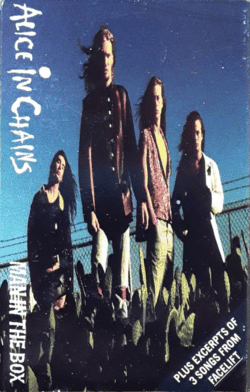
His earlier work on Man in the Box had set the template for aggressive Alice in Chains guitar, but this track pushed past that template entirely.
Alice in Chains Them Bones and the Grunge War of 1992
Nirvana’s Nevermind had dropped in September 1991 and changed the entire commercial landscape of rock music.
Pearl Jam, Soundgarden, and Mudhoney were all releasing or touring through 1992, fighting for the same radio slots and magazine covers.
Alice in Chains Them Bones landed into that contest as a statement of refusal.
Where Nevermind had pop hooks underneath the noise, this track had no concessions at all.
Where Pearl Jam’s Ten had stadium-sized emotional reach, this had a riff designed to make the room feel smaller.
Rock radio played it because they had no choice.
The song confirmed that Alice in Chains were operating by rules they had written entirely for themselves.
Layne Staley’s Vocal Delivery: Pure Aggression
Layne Staley does not ease into this song.
He opens at full intensity, matching the guitar’s aggression in a way very few singers in rock could attempt without sounding forced.
The performance is not polished for commercial accessibility.
It is raw and direct, with Staley’s baritone pushed to its limits at the upper register.
His harmony work with Cantrell on the chorus is more confrontational than melodic, serving the mood rather than the melody.
Staley in 1992 was at his peak as a vocalist, and this track is among the clearest proof of that fact.
He understood exactly what the song required and delivered it without compromise.
The Official Video and MTV in 1992
The official video for Alice in Chains Them Bones appeared on MTV through the fall of 1992 as Dirt was picking up commercial momentum.
In that context, it stood apart from most of what surrounded it on the network.
Other videos from that period played with irony, visual distance, or carefully assembled alternative aesthetics.
This video was direct and unembellished, matching the song’s refusal to soften anything.
MTV in 1992 was still the primary mechanism for music video culture.
Exposure there determined whether an album track became a cultural moment or stayed a deep cut known only to record store regulars.
How Them Bones Sets the Tone for the Entire Album
Dirt is not one long statement of misery.
It moves through different emotional registers, from raw anger to slow grief to something approaching acceptance.
Alice in Chains Them Bones in position one declares exactly what Dirt is willing to do to you before a single other note plays.
It tells you this album will not comfort you.
It tells you death is real, addiction is real, and war damages people in ways they never fully escape.
That message lands with full force when you follow the track through to Rooster, the Vietnam War tribute, and on to Would?, the album’s final statement of loss.
These three songs together form a spine that most albums cannot approach.
Alice in Chains Them Bones Live and in the Setlist
The song became a reliable setlist opener during the Dirt touring cycle through 1992 and 1993.
Alice in Chains Them Bones works live in a way that some studio recordings simply cannot replicate outside of headphones.
The 7/4 riff loses none of its impact at stage volume, and crowds who had heard it on record were loud for it immediately.
The 1996 MTV Unplugged session showed the gentler side of the Dirt catalog.
Them Bones was not part of that stripped performance.
It is not a song that bends toward acoustic settings.
After Staley’s death, William DuVall stepped in as vocalist and the song returned to live setlists without hesitation.
The full story of how those transitions shaped the band is in the Alice in Chains members breakdown, which covers every lineup change from 1987 to the present.
Stream It, Own It, Feel the Full Force
Streaming Them Bones through headphones is one experience.
Playing Dirt on vinyl at full volume in a room is another entirely.
Every guitar overtone and drum hit in that 7/4 riff comes through with the density it requires on a proper setup.
For what Jerry Cantrell is building in 2025, his tour and current activity show exactly why this music has never lost its audience.
Visit the official band website at aliceinchains.com for current news and releases.
Get Dirt on Amazon and hear Them Bones the way it was meant to be heard.
You Might Also Like
Alice in Chains Them Bones endures as the most uncompromising opening statement in 1990s rock, and that is precisely why it still matters three decades later.