

Alice in Chains Down in a Hole is the track on Dirt that asks you to stop and sit in the wreckage.
In 1993, while grunge was selling millions of records, this song proved the genre could carry genuine grief without flinching.
Affiliate Disclosure: As an Amazon Associate I earn from qualifying purchases. This helps support the site at no extra cost to you.
Quick Navigation
- Alice in Chains Down in a Hole on the Dirt Album
- The Slow Build: How the Song Is Constructed
- Alice in Chains Down in a Hole: What the Lyrics Mean
- Layne Staley’s Voice at Its Most Vulnerable
- Alice in Chains Down in a Hole Among Grunge’s Ballads
- Jerry Cantrell on Writing the Song
- The Official Video and MTV in 1993
- How the Song Sits Among the Dirt Tracklist
- Alice in Chains Down in a Hole Live and in Concert
- Stream It, Own It, Sit With It
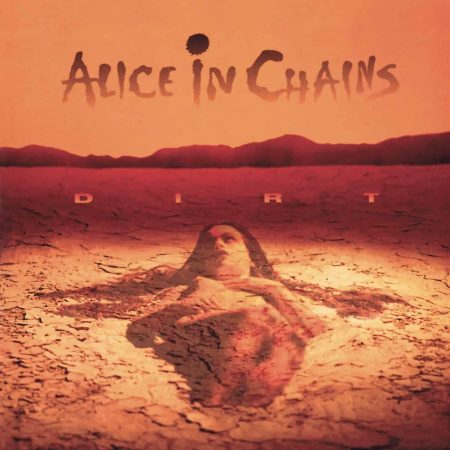
Alice in Chains Down in a Hole on the Dirt Album
Alice in Chains Down in a Hole appears as track eleven on Dirt, near the end of the album’s emotional arc.
Dirt earns its slower moments by putting you through the harder ones first.
By track eleven, the listener has already survived Them Bones, Rain When I Die, and Rooster.
Those tracks prepare you for pain, but not for this particular kind of quiet.
Alice in Chains Down in a Hole is not aggressive in the way most tracks on Dirt are.
It is heavy in the way grief is heavy: slow, unmoving, and difficult to shake once it settles in.
Jerry Cantrell built the song around a guitar figure that is melodic rather than brutal, which is precisely what makes it cut the deepest.
The Slow Build: How the Song Is Constructed
The track opens with a clean guitar arpeggio that feels almost delicate.
Then the full band arrives, and the weight drops in gradually rather than all at once.
Dave Jerden’s production on this track is more spacious than on the heavier Dirt cuts.
There is room for Layne Staley’s voice to move, and Jerden made sure that room was preserved in the recording.
The arrangement builds over four minutes, adding layers without becoming dense or cluttered.
Cantrell’s guitar work is restrained by his own standards, serving the song’s emotional demand rather than asserting itself over it.
The result feels like a slow descent, not an explosion, and that restraint is harder to achieve than aggression.
Alice in Chains Down in a Hole: What the Lyrics Mean
Alice in Chains Down in a Hole describes a state of depression the speaker cannot climb out of.
“Bury me softly in this womb” is among the most direct expressions of retreat from the world Cantrell ever wrote.
The hole in the title is not a clever literary device.
It is a literal image of being underground, submerged, and unable to return to the surface.
Cantrell has discussed writing the song from a dark personal period without attaching specific events to the lyric.
The specific pain is not named, which is part of why the song reaches so many different listeners in different circumstances.
Depression and self-destruction do not announce themselves clearly, and this lyric understood that in 1992.
Layne Staley’s Voice at Its Most Vulnerable
Layne Staley’s vocal performance here is among the finest of his career.
Where Them Bones required aggression, this track required something much harder: genuine fragility.
Staley delivers the verses with a controlled softness that makes the moments of full voice hit considerably harder by contrast.
The harmonies he built with Cantrell on the chorus are layered and close, wrapping around each other in a way that feels structural.
By 1992, Staley was already dealing with personal struggles that would define the rest of his life.
Alice in Chains Down in a Hole captures that reality in every phrase he sings.
The case that this is his best vocal work is not a difficult one to make.
Alice in Chains Down in a Hole Among Grunge’s Ballads
Grunge in 1992 was not short of slow, emotionally heavy songs.
Nirvana had Something in the Way on Nevermind.
Pearl Jam had Black on Ten.
Soundgarden had Black Hole Sun approaching from 1994.
Alice in Chains Down in a Hole sits among those songs as a peer, not an inferior.
It shares the same territory: slow tempo, exposed vocal, and lyrics that do not look away from what is happening to a person.
But it has a harmonic density in the vocal arrangement that most contemporaries did not attempt.
Cantrell and Staley built chords out of their voices, and on this track that skill is front and center throughout.
Jerry Cantrell on Writing the Song
Cantrell has discussed the origins of Down in a Hole across various interviews without attaching specific life events to the lyric.
He describes it as coming from a dark personal period.
That restraint is consistent with how Cantrell approaches talking about his writing in general.
He wrote from inside the feeling rather than observing it from a composed distance.
That distinction matters when you listen.
Songs written from observation tend to feel constructed.
Alice in Chains Down in a Hole has the inhabited quality that comes only from writing within the experience itself.
The Official Video and MTV in 1993
The official video for Alice in Chains Down in a Hole was directed by Rocky Schenck and released in 1993.
Schenck had worked with the band previously and understood how to match visuals to their particular emotional register.
The video placed Staley and the band in a visual language that complemented the song’s tone without over-explaining it.
MTV in 1993 was still sorting out exactly what grunge meant as a visual genre.
The performance-based approach fit the network’s format while staying true to the song’s mood.
Watch the full performance below and hear what the song sounded like when it first reached an audience.
How the Song Sits Among the Dirt Tracklist
Dirt is an album built like a long argument with no easy resolution.
It opens with violence, moves through anguish, and finds moments of unexpected quiet across its thirteen tracks.
Down in a Hole arrives near the end, after the Vietnam meditation of Rooster and before the album closes with Would?
Its placement there is not accidental.
After the mortality meditations and war imagery of the earlier tracks, this song offers something different: the quiet desperation of still being alive.
The Alice in Chains members breakdown covers what each player brought to these recordings and why the dynamic between Cantrell and Staley made tracks like this possible.
Alice in Chains Down in a Hole Live and in Concert
Alice in Chains Down in a Hole became a defining moment in the Dirt live set during the 1992 and 1993 touring cycle.
The song required total stillness from the audience, and it usually got exactly that.
Footage from that era shows crowds going completely quiet during the verses in a way that large rock audiences rarely do.
Staley’s vocal command in that context was extraordinary.
He could hold a room of thousands in near-silence, which is a far rarer skill than simply sounding loud.
After Staley’s death in April 2002, the song took on additional weight in live settings for anyone who had seen the original lineup perform it.
William DuVall has performed it in the post-Staley era with evident care and full understanding of what the track demands from whoever sings it.
Stream It, Own It, Sit With It
Streaming Down in a Hole is one way to encounter it.
Playing Dirt on vinyl, from start to finish and in sequence, is how the record was designed to be heard.
Each track prepares you for the next, and by the time this one arrives, the context makes it hit harder.
For what Jerry Cantrell is doing in 2025, his current tour and activity show the music is very much still alive.
Visit the official band website at aliceinchains.com for current news and releases.
Get Dirt on Amazon and hear Down in a Hole in the sequence it was built for.
You Might Also Like
Alice in Chains Down in a Hole endures because it does not flinch from the worst of what a person can feel, and honesty that complete never goes out of date.