
Home Sweet Home: Mötley Crüe’s Ballad That Broke MTV
Home Sweet Home is one of those songs that stops a crowd cold the moment the piano begins, and four decades after its release it still does exactly that.
Affiliate Disclosure: I am an Amazon affiliate and if you purchase through any amazon links on this site i may earn a small commission at no extra charge to you.
Quick Navigation
Home Sweet Home: The Ballad That Changed Mötley Crüe
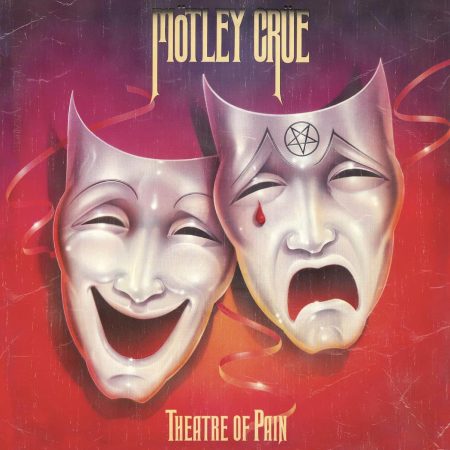
Home Sweet Home arrived in 1985 as the closing track on “Theatre of Pain,” and it caught everyone off guard, including the people who already thought they knew what Mötley Crüe was capable of.
A band that had built its identity on volume, leather, and the deliberate chaos of the Sunset Strip suddenly released a piano ballad that was quiet, honest, and completely sincere.
The contrast between Home Sweet Home and everything that surrounded it in the Mötley Crüe catalog was the entire point.
It was the sound of people who had everything the rock dream was supposed to offer, sitting on a tour bus somewhere in America and missing something they could not quite name.
The full story of the band that made it is told at the members of Mötley Crüe hub, but the song itself is where you hear who those people actually were beneath the spectacle.
The Night Nikki Sixx Picked Up a Pen
Home Sweet Home was written by Nikki Sixx, Tommy Lee, and Vince Neil, a collaborative effort that produced the most emotionally direct song any of the three had written to that point.
Nikki Sixx has described writing the song on a tour bus, surrounded by the daily reality of life on the road: the hotels, the venues, the absence of anything that resembled a normal existence.
The song came out of exhaustion rather than inspiration in the conventional sense, which is part of why it lands so directly.
There is no performance in the writing of Home Sweet Home, only the unguarded account of what it feels like to be somewhere that is not where you belong and to understand that going back is not something the schedule allows.
Tommy Lee, who played the piano part that opens and defines the song, taught himself to play specifically for this recording, which says everything you need to know about how seriously the band took what they were building.
Theatre of Pain: The Album’s Place in History
Home Sweet Home appeared on “Theatre of Pain,” the band’s third studio album, released in June 1985 and produced by Tom Werman.
The album reached number six on the Billboard 200 and went double platinum in the United States, driven in significant part by the sustained MTV exposure that Home Sweet Home generated over the months following its release.
“Theatre of Pain” was Mötley Crüe’s first album to be recorded without the chaos that had surrounded their earlier work, and the relative clarity of the production gave the ballad the sonic space it needed to work the way it did.
The record also featured covers and harder tracks that established the theatrical approach the band would push further on subsequent albums, but it is Home Sweet Home that most people remember when “Theatre of Pain” comes up in conversation.
The album is available on various formats for anyone who wants to hear the full context of where the song lived when it was first released, and hearing it at the end of the record after everything that precedes it makes the emotional landing even more precise.
How Home Sweet Home Broke an MTV Record
Home Sweet Home became the most requested video in MTV history at the time of its release, spending weeks at the top of the viewer request charts without showing any sign of stopping.
The demand was significant enough that MTV created a policy specifically in response: no video could hold the number one requested spot for more than ten consecutive weeks.
That policy existed because of Home Sweet Home, which is the kind of cultural impact that most songs never come close to generating regardless of how many copies they sell.
The video itself was a straightforward performance clip that relied entirely on the song and the performances rather than any elaborate production, which made the response to it all the more striking given the era’s tendency toward visual spectacle.
MTV audiences in 1985 were voting for the song dozens of times a day through whatever mechanisms the network made available, a level of engagement that reflects the degree to which Home Sweet Home had connected with a generation of listeners who recognized something real in it.
The Vocal Performance That Defined It
Vince Neil‘s vocal on Home Sweet Home is widely considered the best single performance of his recording career, a combination of restraint and emotional honesty that the band’s harder material rarely demanded of him.
He sings the song without embellishment or pyrotechnics, which is the right instinct for material this exposed.
The melody sits in the middle of his range, which gave him the room to color the notes with feeling rather than using volume to carry the emotion.
The result is a performance that sounds intimate in the way that the best ballads always do, as if the singer is telling you something they would not normally share with someone they do not trust.
When Vince Neil sings “you know I’m a dreamer” in that opening line, you believe him completely, and that believability is the engine that made audiences request the video a hundred times a week.
Home Sweet Home: A Confession from the Tour Bus
The subject matter of Home Sweet Home was not invented for the song: it was reported from life, which is why it hit so hard with audiences who had nothing in common with Mötley Crüe’s specific circumstances.
The feeling of being far from where you belong, of carrying on with something that requires you to be someone specific while some quieter version of yourself waits for a moment that never quite arrives, is not exclusive to rock musicians on tour.
Nikki Sixx understood when he was writing it that the emotional core of the song was universal even if the context was specific, and that understanding is the reason Home Sweet Home transcended the genre that produced it.
The song has been covered extensively, used in films and television, and performed by artists across genres who recognized in it a description of longing that their own audiences would understand without any backstory at all.
That universality is the mark of a genuinely well-written song, as opposed to a commercially successful one, and Home Sweet Home is both.
Home Sweet Home Lives on Decades Later
Home Sweet Home remains a permanent fixture in Mötley Crüe’s live set, the moment in every show where the production pauses and the song is allowed to do what it has always done: cut through everything else and reach directly into the room.
The Carnival of Sins 2026 tour carries the song into another generation of arena audiences, and the 2026 setlist discussions have consistently confirmed that Home Sweet Home is not going anywhere.
The band’s recent American Idol performance put Mötley Crüe in front of an audience that included people encountering the band for the first time, and Home Sweet Home is the song that most easily carries that introduction without requiring any prior knowledge.
The personnel around it has changed, with John 5 now playing guitar where Mick Mars stood for four decades following the departure detailed in the Mick Mars feud story, but Home Sweet Home performs the same function it always has: it is the moment the audience remembers why they came.
Affiliate disclosure: The link below is an affiliate link. If you purchase through it, we earn a small commission at no additional cost to you.
Own the complete “Theatre of Pain” album, the record that introduced Home Sweet Home to the world: Theatre of Pain on Amazon.
Watch Home Sweet Home: The Definitive Performance
Home Sweet Home has been performed thousands of times across four decades of Mötley Crüe touring, and the version below captures the song in the live context where it has always meant the most.
Watch the audience respond to those opening piano notes the way crowds have responded to them since 1985, which is to say: immediately, completely, and without any apparent effort on the song’s part to earn the reaction.
The official band website at motley.com has current tour information for anyone who wants to see the song performed live in 2026.
Home Sweet Home earned its place in rock history not by being the biggest or loudest song on the record but by being the most honest one, and that is a quality that time does not diminish.