
John Corabi: The Voice Mötley Crüe Almost Kept
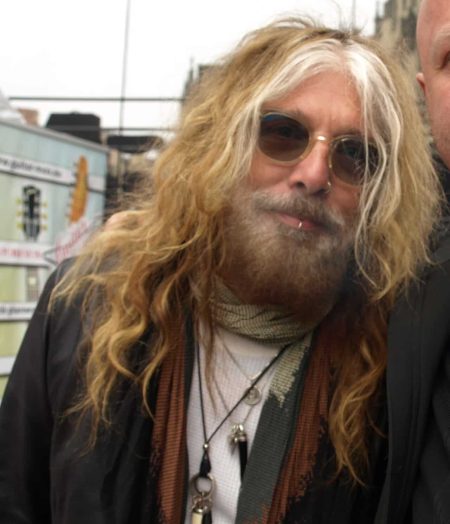
John Corabi stepped into one of the most scrutinized vocalist positions in rock music history in 1992, and what he did with it was far more interesting than the chart positions of the time suggested.
Quick Navigation
John Corabi: The Vocalist They Almost Kept
John Corabi is one of the most interesting figures in the history of rock’s revolving-door vocalist tradition, a singer who stepped into the most difficult possible position in hard rock and delivered work that the music press is still reconsidering thirty years later.
His two years with Mötley Crüe produced one album that most critics at the time dismissed as commercially disappointing and most serious rock listeners now acknowledge as one of the more adventurous records the band ever made.
John Corabi did not play it safe with that opportunity, and neither did the band, and the result was a document of what Mötley Crüe sounded like when they stopped trying to recapture the 1980s and made music that was genuinely of its moment.
The fact that the moment happened to be 1994, when grunge had dismantled the commercial infrastructure that had made Mötley Crüe famous, is not the fault of the album or the vocalist who sang on it.
John Corabi has spent the years since that chapter ended building a career on his own terms, and anyone who has seen him perform in the decades after Mötley Crüe knows that the talent the band recognized in 1992 did not diminish when the opportunity that brought it to the widest audience ended.
Born in Philadelphia: A Voice That Demanded Attention
John Corabi was born on April 26, 1959, in Philadelphia, Pennsylvania, a city whose rock and soul traditions would leave a permanent mark on the way he approached both singing and performing.
He grew up absorbing the music that defined the late 1960s and 1970s, developing an ear for melody and texture that would eventually make him something more than just a powerful hard rock vocalist.
He taught himself guitar alongside vocal work, developing a dual identity as a musician that would define his career at every stage, from the early club years in Philadelphia through his time in the national spotlight and beyond.
The voice itself was his most obvious tool: a mid-range instrument with a rawness and an emotional directness that suited the harder, more stripped-down rock of the early 1990s far better than the high-tenor style that had dominated the decade before it.
John Corabi moved to Los Angeles to pursue the career that his abilities warranted, joining the club circuit that was the entry point into the rock industry for anyone who arrived in the city with talent and ambition and no label deal to show for it yet.
He paid his dues in the way that every serious musician of that era had to, and when the opportunity to move into a different category arrived, he was prepared for it.
The Scream and the Road to the Big Leagues
Before Mötley Crüe, John Corabi fronted a Los Angeles hard rock band called The Scream, which released one album, “Let It Scream,” on Hollywood Records in 1991.
The album received strong reviews from critics who recognized in The Scream a band with genuine songwriting ability and a vocalist who could compete with the best in the genre at the time.
The Scream never broke through commercially, but the album and the live work the band did gave John Corabi a platform from which the right people in the right positions could evaluate exactly what he was capable of.
He was visible enough within the Los Angeles rock community that when Mötley Crüe began looking for a replacement for their departing vocalist, his name was among those that people with connections to the band mentioned.
The Scream also demonstrated something important about John Corabi that would matter greatly to the musicians he was about to join: he was not just a singer but also a guitarist, a songwriter, and a collaborator who brought substantive musical ideas to whatever project he was involved with.
That combination of skills was exactly what Mötley Crüe said they were looking for when they began the search that led them to John Corabi, and the audition that followed confirmed that they had found the right person for the version of the band they wanted to build.
Affiliate disclosure: Some links in this article are affiliate links. If you purchase through them, we earn a small commission at no additional cost to you.
DID YOU KNOW?
John Corabi was not only the vocalist for The Scream but also served as the band’s guitarist, giving him a dual role that most rock front men never attempt at a professional level. His guitar work in The Scream demonstrated a musicianship that went well beyond what a purely vocal position requires and made him a significantly more valuable creative partner for any band willing to use everything he brought to the room. Fans who discovered John Corabi through Mötley Crüe and never heard his pre-Crüe work can find “Let It Scream” on Amazon, where it stands as an excellent document of the vocalist Mötley Crüe hired and the band that prepared him for the opportunity.
John Corabi Joins Mötley Crüe: 1992’s Biggest Rock Surprise
When Mötley Crüe fired Vince Neil in February 1992, the rock world responded with disbelief, speculation, and the immediate question of who could possibly replace the vocalist who had been the face of one of the decade’s most successful bands.
John Corabi was not the answer that anyone predicted, but in retrospect the choice made complete sense: here was a vocalist with range, authenticity, guitar skills, and a proven ability to write, coming from a band that had just made one of the more impressive debut records in the LA rock scene of the early 1990s.
The full story of the Mötley Crüe lineup across every era, including the context around the 1992 firing and what preceded it, is at the members of Mötley Crüe hub.
John Corabi joined Nikki Sixx, Tommy Lee, and Mick Mars in a band that was being asked to reinvent itself during one of the most volatile periods in the history of mainstream rock.
The chemistry in the writing room was real and immediate: John Corabi contributed to the songwriting on the self-titled album in ways that shaped the material fundamentally rather than simply providing melodies over parts that had already been written without him.
That creative investment showed up in the music, and it is one of the reasons the 1994 album sounds as cohesive and purposeful as it does despite being a record made by a band in transition, under commercial pressure, and operating in a market that was actively hostile to the sound they had built their career on.
The 1994 Album: Underrated and Underheard
The self-titled “Mötley Crüe” album released in March 1994 is a record that deserves considerably more attention than it has historically received, and the years since its release have been steadily bringing it the reconsideration it earned.
It is a darker, heavier, and more lyrically complex album than anything the band had made with Vince Neil, drawing on influences from outside the glam metal tradition that had defined the earlier records and connecting instead with the harder rock of the early 1990s that was reshaping the market around them.
John Corabi’s vocal work on that album is some of the most committed and emotionally varied singing on any Mötley Crüe record: he brought a rawness and a range to the material that suited it perfectly, approaching each song as a distinct emotional statement rather than a delivery vehicle for a consistent front-man persona.
Songs like “Hooligan’s Holiday” and “Misunderstood” are genuinely strong rock compositions that would have been recognized as such in a different commercial climate, and the album as a whole holds up as a complete and considered piece of work that rewards full listens in a way that the band’s biggest commercial records do not always manage.
The album reached number seven on the Billboard 200, which by any standard other than the band’s own peak would be considered a success, but measured against “Dr. Feelgood” and the legacy of Kickstart My Heart, it was treated as a commercial disappointment and a sign that the band had lost its commercial footing.
That framing has always been unfair to the album and to John Corabi, who delivered exactly what the music asked of him and did so with a level of craft that the chart position never adequately reflected.
When the Mötley Crüe Chapter Closed
By 1996 it was clear that Mötley Crüe and John Corabi were heading in different directions, and the announcement that Vince Neil would return to the band in 1997 confirmed what had been building for some time.
John Corabi has spoken in numerous interviews about the end of his time with the band with a directness and a lack of bitterness that is striking given the circumstances, acknowledging both the difficulty of the situation and the perspective that comes from having been through it and come out the other side still making music.
The reunion of the original Mötley Crüe lineup, driven in part by the commercial imperative to return to the configuration that had generated the band’s biggest sales, made complete sense from a business perspective, and John Corabi has never denied that.
What he has also been clear about is that the work he did with the band during those years was genuine, that the album they made together was good, and that the story the music press told about it at the time was missing important details about what had actually been accomplished.
The years since Vince Neil’s return, including the subsequent personnel changes around Mick Mars’s departure and the dispute that followed, have reminded everyone in the rock world that lineup stability in Mötley Crüe has always been a relative concept rather than an absolute one.
John Corabi walked away from his time with the band without a grudge, and the equanimity he has brought to discussing it publicly is one of the most appealing qualities of the many interviews he has given about that period across the decades since.
John Corabi After the Crüe: United, Solo, and Beyond
John Corabi did not slow down after leaving Mötley Crüe, moving quickly into a collaboration with Bruce Kulick, the guitarist who had served with KISS from 1984 to 1996, in a band called United.
United released a self-titled album in 1996 that showcased John Corabi’s vocal abilities in a slightly different hard rock context and demonstrated that his partnership with the band that had brought him his widest audience was not the limit of what he could do as a collaborator.
He subsequently developed a solo career that has produced multiple recordings and allowed him to operate as the primary creative voice in his own projects for the first time since The Scream.
His solo work has ranged from full-band hard rock to acoustic performances that put the songwriting and the voice at the center of the experience without the infrastructure of a major act around him, and the acoustic shows in particular have built a devoted following among fans who want to hear what John Corabi sounds like when every element of the music is stripped back to its essentials.
He has also remained a sought-after collaborator and guest performer, contributing to recordings by other artists and appearing at events that bring together musicians from the hard rock and heavy metal worlds that define his creative context.
His official website at johncorabi.com, and specifically his full biography, document the range of his post-Mötley Crüe activity for anyone who wants the complete picture of a career that has never required a famous band’s name to sustain itself.
His 2022 autobiography Horseshoes and Hand Grenades provides an honest and often hilarious account of his time with Mötley Crüe and life as a rock journeyman.
DID YOU KNOW?
John Corabi’s collaboration with Bruce Kulick in United brought together two musicians who had each spent significant parts of their careers in the supporting cast of massive rock acts and were building something new independent of those larger identities. United’s self-titled 1996 album is a genuine hard rock record that gets overlooked in the catalogues of both participants because of what surrounds it on either side. Kulick had left KISS, Corabi had left Mötley Crüe, and the resulting album represents what happens when two serious players with something to prove make music without a safety net. You can find it and other recordings from John Corabi’s post-Crüe catalog on Amazon.
Performing the Album Live: Giving It Its Due
One of the most distinctive things John Corabi has done in the years since leaving Mötley Crüe is take the 1994 self-titled album on the road as a complete performance, giving audiences the opportunity to hear a record that never received the live attention it deserved when it was originally released.
The shows, billed as John Corabi performing Mötley Crüe, have drawn a mix of fans who saw the original tour and fans who discovered the album years later and wanted to experience it in a proper live context.
John Corabi has spoken about these performances as a way of honoring the work that was done on that album and of making the argument, through the power of live music, that the record was better than its commercial story suggested.
The response from audiences has validated that argument in the most direct way available: people who hear the album performed front to back in a live setting consistently leave with a different understanding of what it is than the one the 1990s press gave them.
The live context also gives John Corabi the opportunity to talk about the album between songs, providing the personal history and context that recordings cannot contain, and his directness and humor in those moments have become a significant part of what makes the shows worth attending.
He is one of the rare artists who can make an album that is not his in name into something that feels personal and owned through the quality of his advocacy for the music and the authenticity of his connection to the material he is performing.
John Corabi on Stage: Raw Energy and Real Connection
Watching John Corabi perform live is an experience that consistently surprises people who came in expecting a nostalgia act and leave having watched something considerably more alive than that description implies.
He is a front man in the most complete sense of the term: he commands the stage, works the room, and makes every audience feel like the show is happening specifically for the people in that particular venue on that particular night.
John Corabi’s stage presence draws on decades of live performance that began in Philadelphia club rooms and ran through Los Angeles, national tours, and international stages without ever developing the kind of professional distance that success sometimes builds between performers and their audiences.
He is known for his candor between songs, his willingness to talk about his career with both humor and honesty, and his ability to create genuine moments of connection in venues of any size.
The guitar work he brings to live shows adds a dimension that pure vocalists cannot offer: he is not standing in front of the band asking for their indulgence but participating as a full musical partner who happens to also be the person singing.
You can follow John Corabi’s live activities on Instagram, Facebook, and his YouTube channel, where he posts performance footage and interviews on a regular basis.
DID YOU KNOW?
John Corabi has built a substantial following on social media by being one of the most candid and funny rock musicians online, regularly sharing stories from his career, his current life, and his perspective on the music business with a complete absence of the kind of carefully managed persona that most artists at his level maintain. Fans who find him through his Mötley Crüe connection often stay because of the personality they encounter in his online presence, which is entirely consistent with the person who shows up on stage. The 1994 Mötley Crüe self-titled album that anchors so much of the conversation about John Corabi is available on Amazon, and it rewards the time of any rock fan who has not yet heard it properly.
The 2026 European Tour and What It Represents
The John Corabi and Friends European Shuffle Tour in 2026 is the kind of thing that happens when a musician has spent three decades building a genuine international following rather than relying on a single famous association to keep ticket buyers interested.
European audiences have always been enthusiastic supporters of hard rock and heavy music across multiple generations of artists, and John Corabi has built a real relationship with those crowds through years of touring that predates any headline status.
The “friends” format of the tour reflects his approach to live performance: collaborative, loose, and built around the pleasure of playing rather than the execution of a carefully managed production.
Watch the 2026 European Shuffle Tour announcement and preview below, which captures the energy and the approach that has made John Corabi a reliable draw on the international touring circuit.
The tour is also a reminder that John Corabi’s career exists entirely on the strength of what he does as a musician and a performer, without a current major band association to provide commercial infrastructure.
That independence is a genuine accomplishment for someone operating at his level, and the audiences who show up for these European dates are doing so because of who John Corabi is, not because of which band’s name is on the ticket.
John Corabi: No Filter, No Apology
One of the most appealing qualities of John Corabi as a public figure is his complete unwillingness to manage his image in the way that rock musicians at his level of recognition are expected to.
He talks about Mötley Crüe openly and without calculation, sharing stories and opinions that many artists in similar positions would consider too risky to make public.
He talks about the 1994 album with the confidence of someone who knows it was good and has spent enough time watching its reputation improve to feel vindicated without needing to make that vindication a central part of his identity.
John Corabi has spoken about the experience of being in and then out of one of rock’s biggest bands with the kind of candor that tends to make interviewers ask follow-up questions long after they planned to move on to the next topic.
He is funny, he is direct, and he has the particular quality that the best storytellers in any field possess: the ability to make you feel that you are hearing something true rather than something performed.
The John Corabi Wikipedia entry covers the documented history of his career for anyone who wants the chronology, but the personality that has made him a genuine fan favorite across three decades of performing is something that requires watching him talk or play to understand properly.
The John Corabi Story in Rock
The story of John Corabi in rock music is ultimately a story about what happens when talent, timing, and commercial reality fail to align, and about what a serious musician does with the career that remains after that misalignment becomes permanent.
He made one album with one of rock’s most famous bands, and that album is better than its commercial history suggests.
He has been open about that truth for thirty years, and the music press that initially dismissed the record has gradually come around to a more generous reading that John Corabi has not needed in order to keep working.
The Mötley Crüe of 2026, with Vince Neil and John 5 in the lineup, touring on the Carnival of Sins 2026 tour and navigating the discussions around setlist changes, continues without him, as it has done since 1997.
John Corabi continues without them, performing across Europe, playing his own music and theirs, and building a live career on the strength of everything he is as a musician, which has always been more than his most famous four years suggested.
John Corabi is not a footnote to someone else’s story: he is a complete musician with a career worth knowing in full, and the audiences who have followed him across the decades since Mötley Crüe understand that without needing it explained.