

Billy Burnette is an American guitarist, singer, and songwriter whose career spans over five decades, most notably as a member of Fleetwood Mac during the late 1980s and early 1990s.
Born into rock and roll royalty, he carved his own path through rockabilly, country, and mainstream rock.
His tenure with one of the world’s most successful bands brought him international recognition.
Beyond his work with Fleetwood Mac, he maintained a prolific solo career and contributed to numerous recording sessions.
His musical heritage and personal talent combined to create a unique voice in American rock music.
He has written songs for major artists and appeared on countless recordings as a session musician.
His style blends traditional rockabilly with contemporary rock sensibilities.
Today, he continues to perform and record, maintaining connections to both his roots and his legacy with one of rock’s most enduring bands.
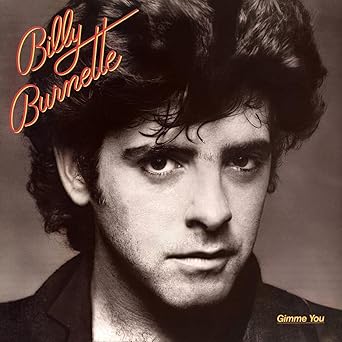
Table of Contents [Click to Expand]
Early Life and Musical Beginnings
Billy Burnette was born on May 8, 1953, in Memphis, Tennessee, into a family deeply embedded in the music industry.
His father was Dorsey Burnette, a founding member of the pioneering rockabilly trio The Rock and Roll Trio.
His uncle was Johnny Burnette, another rockabilly legend who achieved pop success in the early 1960s.
Growing up surrounded by musicians and recording sessions, he absorbed the sounds of rockabilly, country, and early rock and roll from infancy.
He began playing guitar at a young age, learning directly from his father and other family friends in the music business.
By his teenage years, he was already performing professionally and writing his own songs.
His early exposure to the music industry gave him both technical skills and an understanding of the business side of entertainment.
The Burnette family legacy provided both opportunities and expectations that would shape his entire career.
More details about his early years can be found on his Wikipedia page.
First Major Band or Breakthrough
Billy Burnette’s first significant recording opportunity came while he was still a teenager.
He signed his first recording contract in his teens and began releasing solo material.
His early recordings showcased his rockabilly roots mixed with contemporary pop rock influences.
Throughout the 1970s, he released several solo albums that demonstrated his versatility as both a performer and songwriter.
He also worked extensively as a session musician, contributing guitar work to numerous recordings by other artists.
His songwriting talents led to collaborations with established artists and opportunities to place his compositions with major performers.
During this period, he honed his craft and built a reputation as a reliable and talented musician.
His work in the 1970s and early 1980s laid the foundation for his eventual breakthrough with a legendary rock band.
Billy Burnette Peak Era
The defining chapter of Billy Burnette’s career began in 1987 when he joined Fleetwood Mac as a guitarist and vocalist.
He was brought into the band alongside Rick Vito to replace Lindsey Buckingham, who had departed after the Tango in the Night album.
This transition marked a significant shift for the band, as Buckingham had been a central creative force.
Burnette’s addition to the lineup brought a different energy and style to the group’s sound.
His first major project with the band was the 1990 album Behind the Mask, which featured his contributions as both a guitarist and songwriter.
He co-wrote several tracks on the album and provided lead vocals on some songs.
The album represented a departure from the classic Fleetwood Mac sound, incorporating more contemporary production techniques.
Behind the Mask achieved moderate commercial success, though it did not match the massive sales of earlier albums like Rumours by Fleetwood Mac.
Burnette toured extensively with Fleetwood Mac during this period, performing classic hits alongside new material.
He shared the stage with Stevie Nicks, Christine McVie, Mick Fleetwood, and John McVie.
The challenge of filling Buckingham’s role was significant, as fans had strong attachments to the classic lineup.
Burnette approached the task with respect for the band’s legacy while bringing his own musical personality to the performances.
His guitar work complemented the band’s established sound while adding rockabilly-influenced touches.
During live performances, he handled guitar parts on iconic songs that had defined the band’s career.
The experience of performing songs like those featured in Fleetwood Mac Greatest Hits Songs gave him exposure to massive audiences worldwide.
He remained with Fleetwood Mac through the early 1990s, contributing to the band’s continued touring schedule.
His tenure with the group is documented in various live recordings and video performances from that era.
The band’s lineup during this period is detailed in the comprehensive guide to Members of Fleetwood Mac.
Burnette’s time with Fleetwood Mac also included television appearances and promotional work for the Behind the Mask album.
He participated in music videos and interviews that helped promote the band’s new direction.
The commercial pressures of maintaining Fleetwood Mac’s success were considerable, given the band’s legendary status.
Despite these challenges, Burnette maintained a professional approach and contributed meaningfully to the band’s output.
His songwriting contributions brought fresh material to a band known for its internal creative tensions.
The dynamics within Fleetwood Mac during this period were different from the classic lineup’s interpersonal dramas.
Burnette worked alongside Rick Vito to provide the guitar foundation that Buckingham had previously handled alone.
This dual-guitar approach gave the band a fuller sound in live settings.
His vocal contributions also added variety to the band’s live performances and studio recordings.
The Behind the Mask era represented an attempt to move Fleetwood Mac forward without its most recognizable guitarist.
While the album did not achieve the massive success of earlier works, it demonstrated the band’s resilience and adaptability.
Burnette’s involvement in this chapter of Fleetwood Mac history remains a significant part of his musical legacy.
He brought his own musical heritage and style to a band with an already established identity.
The experience of working with such accomplished musicians influenced his subsequent solo work and collaborations.
His time with Fleetwood Mac ended in the early 1990s as the band underwent further lineup changes.
The eventual reunion of the classic Fleetwood Mac lineup in 1997 did not include Burnette.
However, his contributions during a transitional period in the band’s history remain part of their recorded legacy.
Fans can connect with his ongoing work through his official Facebook page.
Billy Burnette Career Challenges and Personal Struggles
Billy Burnette faced the challenge of stepping into one of the most scrutinized roles in rock music when he joined Fleetwood Mac.
Replacing Lindsey Buckingham meant inevitable comparisons to a guitarist and songwriter with a devoted following.
The pressure to maintain the band’s commercial success while bringing his own identity to the music was considerable.
The Behind the Mask album received mixed reviews, with some critics and fans longing for the classic lineup.
Burnette also experienced the personal loss of his father Dorsey Burnette, who died in 1979.
This loss occurred before his time with Fleetwood Mac but affected him deeply as both a son and a musician.
The music industry’s changing landscape in the 1990s presented challenges for artists rooted in traditional rock and rockabilly styles.
After leaving Fleetwood Mac, he faced the task of reestablishing his solo career in a different musical climate.
Later Career and Revival
Following his departure from Fleetwood Mac, Billy Burnette returned to his solo career and continued recording.
He released several albums that showcased his rockabilly roots and songwriting abilities.
His later work often emphasized the traditional sounds that had influenced him from childhood.
He maintained an active touring schedule, performing at rockabilly festivals and classic rock venues.
Burnette also continued his work as a session musician, contributing to recordings by various artists.
His songwriting remained in demand, with artists in country and rock genres recording his compositions.
He embraced his family’s musical legacy, often performing songs written by his father and uncle.
His official website at billyburnette.net provides updates on his current activities and releases.
In recent years, he has participated in tribute concerts and events celebrating rockabilly music’s pioneers.
His continued presence in the music scene demonstrates his enduring passion for performance and songwriting.
He has also engaged with fans through social media, sharing stories from his extensive career.
His work bridges multiple generations of rock and roll, from the 1950s rockabilly era through contemporary performances.
Awards and Recognition
Billy Burnette’s contributions to music have been recognized through his association with Fleetwood Mac and his solo work.
His participation in Behind the Mask connected him to a band with multiple platinum albums and industry accolades.
As a songwriter, he has received recognition for compositions recorded by various artists across multiple genres.
His family’s legacy in rockabilly music has been honored through various retrospectives and historical compilations.
He is respected within the rockabilly community as a torchbearer for the genre’s traditions.
His work with Fleetwood Mac during a transitional period is documented in the band’s official history.
Essential Discography
- Billy Burnette (1972) – His debut album showcasing early rockabilly and pop rock influences.
- Gimme You (1981) – A solo album that demonstrated his evolving songwriting and performance style.
- Behind the Mask (1990) – His first album with Fleetwood Mac, featuring his songwriting and vocal contributions.
- Coming Home (1993) – A post-Fleetwood Mac solo release emphasizing his rockabilly roots.
- Soldier of Love (2002) – A later career album showcasing mature songwriting and traditional rock influences.
Frequently Asked Questions About Billy Burnette
When did Billy Burnette join Fleetwood Mac?
Billy Burnette joined Fleetwood Mac in 1987 alongside Rick Vito to replace Lindsey Buckingham.
He remained with the band through the early 1990s, contributing to the Behind the Mask album and extensive touring.
Is Billy Burnette related to other famous musicians?
Yes, Billy Burnette is the son of Dorsey Burnette and nephew of Johnny Burnette, both pioneering rockabilly artists.
His father and uncle were founding members of The Rock and Roll Trio, one of rockabilly’s most influential groups.
What songs did Billy Burnette write for Fleetwood Mac?
Billy Burnette co-wrote several songs on the Behind the Mask album during his tenure with Fleetwood Mac.
His songwriting contributions brought new material to the band during a transitional period in their history.
Did Billy Burnette perform on any classic Fleetwood Mac songs?
Billy Burnette performed classic Fleetwood Mac songs during live concerts but did not record the original versions.
He handled guitar parts on iconic tracks during his time touring with the band in the late 1980s and early 1990s.
What is Billy Burnette doing now?
Billy Burnette continues to perform, record, and write music, focusing on rockabilly and classic rock styles.
He maintains an active presence in the music community through touring and engaging with fans online.
Billy Burnette remains a respected figure in rock music, bridging his family’s rockabilly legacy with his own contributions to one of rock’s most enduring bands.