

Oye Como Va by Santana is one of the most electrifying fusions of Latin rhythm and rock guitar ever committed to tape.
Affiliate Disclosure: I am an Amazon affiliate and if you purchase through any amazon links on this site i may earn a small commission at no extra charge to you.
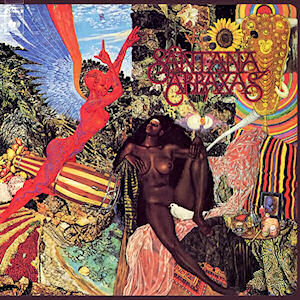
Originally written by Tito Puente in 1963, Oye Como Va appeared on the landmark album Abraxas in 1970 and transformed the song into a rock radio staple.
Released as a single, it reached number 13 on the US Hot 100 and introduced millions of listeners to the possibilities of Latin rock fusion.
Furthermore, Carlos Santana‘s guitar work on this recording became one of the defining sounds of the early 1970s.
Few recordings of the era achieve the same sustained groove and melodic intensity across their entire length.
| Song Title | Oye Como Va |
|---|---|
| Artist | Santana |
| Album | Abraxas (1970) |
| Released | 1970 (album); 1971 (single) |
| Genre | Latin Rock, Rock |
| Label | Columbia Records |
| Writer | Tito Puente |
| Producer | Fred Catero, Santana |
| Peak Chart | #13 US Hot 100 |
- What Is the Song About?
- The Vibe: Genre, Mood, and Feel
- Behind the Lyrics
- How It Was Made: The Sound and Production
- Legacy and Charts: Impact and Endurance
- A Listener’s Note
- Watch the Official Video
- Collector’s Corner
- Frequently Asked Questions
What Is the Song About?
Oye Como Va is an invitation to dance.
The Spanish title translates roughly as “Hey, how’s it going?” or “Listen to how it goes.”
The lyric, written by Tito Puente for his original 1963 recording, is a brief, celebratory call to the dance floor.
However, the meaning of the recording extends well beyond its words.
The song is fundamentally about the pleasure of rhythm and the way music creates communal experience.
Notably, Santana’s version strips the arrangement down to its essential groove and then builds outward through guitar improvisation.
The effect is of a band inhabiting the rhythm so completely that the music becomes a physical event rather than a listening experience.
Furthermore, the organ and guitar interplay throughout the recording communicates a sense of joy that needs no translation.
As a result, the song functions as an invitation regardless of whether the listener understands Spanish.
The music itself delivers the message with total clarity.
The Vibe: Genre, Mood, and Feel
The song occupies a space where mambo, cha-cha, and hard rock converge without any apparent tension between them.
The clave rhythm that runs through the entire recording gives it a Latin foundation that most rock musicians of the era had never explored.
Moreover, Carlos Santana’s guitar tone, warm and sustained through a customized setup, provides a melodic counterpoint that floats above the rhythm section with complete ease.
The organ work by Gregg Rolie fills the harmonic space between guitar and percussion with exactly the right texture.
In particular, the balance between the Latin rhythmic foundation and the rock melodic elements sounds natural rather than forced.
The mood is celebratory and open, never aggressive despite the volume and intensity of the performance.
Similarly, the tempo is perfectly chosen to allow both the percussionists and the guitarist to express themselves fully within the same rhythmic framework.
The result is a recording that sounds as fresh today as it did in 1970.
Behind the Lyrics
Tito Puente composed the song in 1963 as a mambo and included it on his album El Rey Bravo.
Puente was a master percussionist and bandleader who had spent decades developing the Latin big band tradition in New York.
However, Carlos Santana heard the song and recognized in it a rhythmic architecture that could support the kind of extended guitar improvisation his band was developing.
Santana approached the composition with enormous respect, keeping the essential clave pattern intact while transforming the arrangement around it.
Furthermore, the decision to cover Oye Como Va as part of the Abraxas sessions reflected Santana’s belief that rock music could accommodate the full range of African and Latin rhythmic traditions.
In addition, the choice to sing the lyric in Spanish was a deliberate statement about cultural identity and the place of Latin music within the broader American rock landscape.
Puente reportedly expressed appreciation for what Santana did with his composition, noting that the cover introduced his work to a generation that would not otherwise have encountered it.
Consequently, the cover became one of the most celebrated examples of cross-cultural musical dialogue in the history of rock.
How It Was Made: The Sound and Production
Producers Fred Catero and the band recorded Abraxas at Wally Heider Recording in San Francisco in 1970.
The production approach was to capture the band’s live energy while preserving the detail and clarity of the individual instruments.
In addition, Carlos Santana used a customized Gibson SG through a Mesa Boogie amplifier, a setup that produced his distinctive singing guitar tone.
The sustain and warmth of that tone suited the song’s rhythmic foundation perfectly.
Additionally, the percussion section, which included Michael Carabello on congas and Jose Areas on timbales, was recorded with exceptional clarity that allowed the Latin rhythmic elements to function as a musical argument rather than mere accompaniment.
The organ work by Gregg Rolie was placed prominently in the mix, creating a dense harmonic texture that supported the guitar improvisation.
Meanwhile, the rhythm guitar and bass locked together with a precision that gave the groove its forward momentum.
The production philosophy was minimalist in the best sense: capture the performance and let the musicians do the work.
Every element serves the groove rather than competing with it.
Legacy and Charts: Impact and Endurance
The single reached number 13 on the US Hot 100 when released in 1971.
The Abraxas album reached number 1 on the US Billboard 200 and became one of the best-selling rock albums of the early 1970s.
However, chart positions do not capture the cultural impact of the recording.
The song played a significant role in bringing Latin musical traditions into mainstream American rock radio at a time when such crossover was genuinely uncommon.
Furthermore, Santana’s version introduced many listeners to Tito Puente’s work and sparked broader interest in Latin music among rock audiences.
In particular, the recording established Carlos Santana as one of the most distinctive guitar voices of his generation.
The recording has since been covered hundreds of times and has appeared in countless films, television programs, and sporting events.
As a result, the song has become one of the most recognized pieces of Latin-influenced music in the global popular culture repertoire.
Rock and Roll Hall of Fame inductee Santana remains closely associated with this recording above almost any other in their catalog.
A Listener’s Note
The moment the guitar enters after the opening percussion passage is one of the great sounds in 1970s rock.
Carlos Santana does not attack the groove; he settles into it and then expands it from within.
Moreover, the interaction between the guitar and the organ throughout the recording demonstrates a level of musical conversation that few rock bands of the era achieved.
Listening closely to the percussion reveals layers of rhythmic complexity that continue to reward attention.
Watch the Official Video
Watch Santana performing Oye Como Va in this official video:
Collector’s Corner
Original Columbia Records pressings of the Abraxas album from 1970 are among the most prized Latin rock collectibles.
In particular, original US pressings carry the sonic depth of the original analog master, with the percussion and guitar tone sounding their fullest.
Similarly, original pressings of the Oye Como Va single allow collectors to own the recording as it first entered radio rotation in 1971.
You Might Also Like
Foreigner’s debut single combined Mick Jones’s melodic precision with Lou Gramm’s direct vocal style to produce one of the defining arena rock recordings of 1977.
Stevie Wonder’s clavinet-driven funk classic combined an irresistible physical groove with a lyric about the dangers of superstitious thinking, winning Grammy Awards and becoming one of the essential recordings of the 1970s.
The Kinks delivered one of rock’s most enduring character studies with Ray Davies’s warm and humorous lyric about an encounter that challenges every expectation in the most gentle way possible.
Frequently Asked Questions
What does Oye Como Va mean?
The phrase translates from Spanish as “Hey, how’s it going?” or more literally “Listen to how it goes.” Tito Puente wrote the original as a mambo invitation to the dance floor, and the meaning carried directly into Santana’s rock interpretation. The lyric itself is brief and celebratory, functioning primarily as a vehicle for the rhythmic and melodic improvisation that defines both versions. The title has become one of the most recognized phrases in Latin rock and is understood by audiences worldwide regardless of their Spanish language knowledge.
Did Tito Puente write the song?
Yes. Tito Puente composed the original in 1963 and recorded it for his album El Rey Bravo. Puente was one of the foremost Latin bandleaders and percussionists in New York and had spent decades developing the mambo and cha-cha traditions. Carlos Santana discovered the song and recognized that its rhythmic architecture could support the extended guitar improvisation his band was developing. Puente reportedly welcomed Santana’s interpretation and acknowledged that the cover had introduced his work to a generation of rock listeners who would not otherwise have encountered it.
What album is the Santana version from?
The recording appears on Abraxas, Santana’s second studio album, released on Columbia Records in September 1970. Abraxas reached number 1 on the US Billboard 200 and became one of the best-selling albums of the early 1970s. The album also contains Black Magic Woman, another major hit, and is widely considered one of the defining albums of Latin rock. The combination of both songs on a single record gave Abraxas an immediate impact that few albums of the era could match.
How did Oye Como Va chart?
The single reached number 13 on the US Hot 100 in 1971. The parent album Abraxas reached number 1 on the US Billboard 200 and achieved multi-platinum sales. The commercial success of Abraxas, powered largely by this song and Black Magic Woman, established Santana as one of the most commercially significant rock acts of the early 1970s and demonstrated that Latin-influenced rock could reach a mass mainstream audience.
What guitar did Carlos Santana use on the recording?
Carlos Santana primarily used a customized Gibson SG through a Mesa Boogie amplifier during the Abraxas sessions. This combination produced the warm, singing sustain that became his signature guitar tone and that defines the sound of this recording. Santana’s tone was distinctive enough that listeners could identify his playing within a few notes, and the Abraxas album is where that voice first reached a global audience.
How did Santana influence later rock music?
Santana’s fusion of Latin rhythms with rock guitar opened a pathway that many musicians have explored in the decades since. By demonstrating that the clave and mambo traditions could coexist with rock improvisation at the highest commercial level, the band expanded the vocabulary of what rock music could contain. Carlos Santana’s guitar style, developed through his deep engagement with both blues and Latin music, influenced guitarists across genres. The Abraxas album remains a reference point for musicians exploring the intersection of Latin and rock traditions.
Why does Oye Como Va endure as a classic?
Oye Como Va endures because the groove is physically irresistible, the guitar work is genuinely beautiful, and the fusion of musical traditions still sounds fresh rather than dated. The recording works on multiple levels simultaneously: as a dance track, as a showcase for improvisation, and as a statement about the richness of Latin musical heritage. Additionally, the song’s brevity and directness make it immediately accessible regardless of cultural background, while its rhythmic complexity rewards deeper listening. These qualities together explain why it has remained in continuous circulation for over five decades.
Oye Como Va groove never exhausts itself and the guitar never stops finding new ways to move within it.