
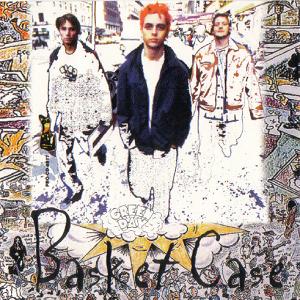
Basket Case by Green Day reached number one on the Billboard Alternative Airplay chart in 1994 and helped drive Dookie to over twenty million copies sold, making it one of the best-selling punk-influenced albums in history.
Written by Billie Joe Armstrong about his own anxiety and panic attacks, the song brought mental health themes into mainstream rock radio at a time when the subject was rarely addressed directly in that format.
Affiliate Disclosure: As an Amazon Associate I earn from qualifying purchases. This helps support the site at no extra cost to you.
| Song | Basket Case |
| Artist | Green Day |
| Album | Dookie (1994) |
| Written by | Billie Joe Armstrong |
| Produced by | Rob Cavallo, Green Day |
| Released | 1994 |
| Genre | Punk Rock, Pop Punk |
| Chart Peak | #1 Billboard Alternative Airplay, #7 UK Singles Chart |
Table of Contents
Background and History
Green Day formed in the East Bay area of California in 1987, originally under the name Sweet Children.
Billie Joe Armstrong played guitar and sang, Mike Dirnt played bass, and Tré Cool joined on drums in 1990.
The band released two independent albums on Lookout! Records before signing with Reprise Records in 1993.
Dookie was their major label debut, produced by Rob Cavallo, who would continue working with the band across multiple albums.
Armstrong wrote Basket Case during a period of intense anxiety he had not yet discussed publicly.
He has said he wrote part of the lyrics inside a brothel because he needed a quiet place and could not afford studio time.
Basket Case and the Recording Story
Basket Case opens with a fast, two-chord guitar figure that establishes the song’s anxious energy in the first two seconds.
Armstrong’s vocal is conversational and direct, describing feelings of paranoia and mental disorientation without dramatizing them.
The lyrics use self-deprecating humor to make the anxiety relatable rather than alarming.
Rob Cavallo’s production kept the track tight and radio-ready while preserving the rawness that made Green Day’s independent releases work.
The recording uses a classic 1-4-5 punk chord progression but with melodic hooks in the chorus that placed it closer to pop-punk than straight punk.
The music video, set in a brightly colored recreation of a mental institution, used absurdist imagery that matched the song’s darkly comedic approach to anxiety.
That combination of subject matter and humor put Basket Case in a different category from the grunge-era heaviness of contemporaries like Alice in Chains and Nirvana.
Basket Case and the Charts
Basket Case topped the Billboard Alternative Airplay chart and reached number seven on the UK Singles Chart.
MTV placed the video in heavy rotation, and the visual’s energy drove sustained airplay across both rock and pop formats.
The song won the Grammy Award for Best Music Video Short Form at the 1995 ceremony.
Dookie debuted at number two on the Billboard 200 and was certified fifteen times platinum in the United States.
The album sold over twenty million copies worldwide, establishing Green Day as one of the most commercially successful punk-influenced bands in rock history.
The song’s success alongside tracks from Collective Soul and The Offspring confirmed that alternative and punk-influenced rock had moved from the margins of radio to its center by 1994.
Lasting Legacy of Basket Case
This song is the Green Day track that most listeners encounter first and the one most associated with the band’s commercial breakthrough.
Its treatment of anxiety as song subject matter proved prescient.
Mental health became a significantly more common topic in rock and pop music in the decades that followed, and this song is frequently cited as an early mainstream example of the approach.
Armstrong’s decision to write from personal experience rather than from a performed or fictional perspective gave the song a credibility that listeners recognized immediately.
The song remains a live staple for the band, consistently closing or anchoring their set lists across thirty years of touring.
Its pop-punk structure influenced a generation of bands who followed Green Day into the mainstream, and Basket Case stands as the clearest blueprint for how that genre could work at commercial scale.
Watch the Official Video
Frequently Asked Questions
FAQ
- Who wrote Basket Case?
- Billie Joe Armstrong wrote the song about his own anxiety and panic attacks. He has said he wrote part of the lyrics inside a brothel because he needed a quiet space and could not afford studio time during that period.
- What album is it from?
- The song appears on Dookie, Green Day’s third studio album and their first on a major label. Produced by Rob Cavallo, the album debuted at number two on the Billboard 200 and was certified fifteen times platinum in the United States.
- What awards did it win?
- The song won the Grammy Award for Best Music Video Short Form at the 1995 ceremony, recognizing the absurdist mental institution setting that matched the song’s darkly humorous take on anxiety.
- Why did it connect so widely?
- Armstrong wrote directly from personal experience using self-deprecating humor, making the anxiety in the lyrics feel relatable rather than dramatic. That honesty was rare in mainstream rock at the time and gave the song a credibility listeners responded to immediately.
- How did it change pop-punk?
- The song demonstrated that punk’s energy and speed could carry melodic hooks strong enough for pop radio without losing the genre’s directness. That combination became the template for pop-punk’s mainstream moment in the late 1990s and 2000s.
You Might Also Like
Written from Billie Joe Armstrong’s own experience of anxiety and shaped into a pop-punk blueprint that sold twenty million copies, Basket Case stands as the song that brought mental health into mainstream rock radio and set the commercial template for an entire genre in the decade that followed.