

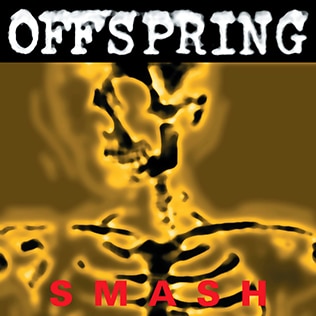
Self Esteem by The Offspring reached number one on the US Billboard Mainstream Rock Tracks chart in 1994 and became the breakthrough single from Smash, the independently released album that sold over eleven million copies worldwide and became the best-selling independent album of all time.
Written by vocalist Dexter Holland and produced by Thom Wilson, the song addressed a relationship defined by dysfunction and the speaker’s inability to walk away despite knowing the situation was damaging, a theme Holland delivered with the self-deprecating directness that gave Self Esteem its comic and emotional appeal simultaneously.
Affiliate Disclosure: As an Amazon Associate I earn from qualifying purchases. This helps support the site at no extra cost to you.
| Song | Self Esteem |
| Artist | The Offspring |
| Album | Smash (1994) |
| Written by | Dexter Holland |
| Produced by | Thom Wilson |
| Released | 1994 |
| Genre | Punk Rock, Alternative Rock, Pop Punk |
| Chart Peak | #1 US Mainstream Rock Tracks, #4 UK Singles Chart |
Table of Contents
Background and History
The Offspring formed in Garden Grove, California in 1984, built around Dexter Holland and guitarist Noodles, eventually adding bassist Greg K. and drummer Ron Welty.
The band built their following through the Southern California punk scene and released three albums on Epitaph Records before recording Smash, which they also released on Epitaph, making the album’s commercial success an independent label phenomenon.
Producer Thom Wilson had previously worked with California punk bands including T.S.O.L. and The Vandals, bringing a production sensibility that understood how to make punk energy radio-accessible without stripping it of the energy that connected with the genre’s core audience.
The commercial timing of Smash‘s release coincided with the post-Nirvana alternative rock boom that had made rock radio receptive to bands with punk roots and melodic accessibility, and The Offspring’s combination of those qualities gave them a commercial opening that earlier California punk acts had not found.
Self Esteem and the Lyrical Approach
This song is built on a comedic premise executed with genuine emotional honesty: the speaker knows a relationship is bad for him, can see the dysfunction clearly, and stays anyway, blaming his own insufficient self-esteem for the inability to leave.
Holland’s delivery of the lyric maintains a tone of rueful self-awareness that distinguished the song from more aggressive punk writing about failed relationships, giving listeners permission to laugh at the speaker while also recognizing the emotional accuracy of the situation he describes.
The chorus’s acknowledgment that the speaker’s low self-esteem is the source of his passivity is a specific and honest diagnosis that resonated with listeners who recognized the same pattern in their own experience without needing it articulated in rock songs very often.
The song’s accessibility came partly from this willingness to make the speaker the subject of his own critique rather than directing the lyric’s aggression outward, a choice that gave Self Esteem a self-deprecating quality that balanced the punk energy of the arrangement.
Holland has described the song as drawing from real experience, and the specificity of the emotional situation gave the lyric a biographical credibility that connected with a wide audience beyond The Offspring’s established punk following.
Self Esteem and the Recording Story
Self Esteem opens with a guitar figure from Noodles before the full band enters with the driving momentum that defines the song’s sonic character throughout.
Thom Wilson’s production keeps the arrangement energetic and tight, translating the band’s live intensity into a radio-competitive recording that maintained the punk energy without losing the melodic clarity of Holland’s vocal line.
Holland’s vocal performance is more melodically focused than most California punk of the period, a quality that allowed the song to compete on rock radio formats where straight punk recordings typically did not get significant rotation.
The guitar work of Noodles throughout the track is punchy and rhythmically locked with Ron Welty’s drumming in a way that gave the recording the physical urgency that punk fans expected while keeping the melodic hook accessible enough for alternative radio.
The production placed Self Esteem in the same post-grunge alternative space that Green Day was occupying simultaneously with Dookie, confirming that 1994 was the year California punk-influenced bands found their mainstream commercial moment.
Self Esteem and the Charts
Self Esteem reached number one on the US Mainstream Rock Tracks chart and number four on the UK Singles Chart, commercial performances that reflected the song’s crossover from punk and alternative radio into mainstream formats.
Smash sold over eleven million copies worldwide on the independent Epitaph label, a commercial performance that defied every expectation about what an independent release could achieve in the major label-dominated market of 1994.
The album’s success brought significant major label interest in The Offspring, and the band eventually signed with Columbia Records for their next album, a move that reflected the commercial credibility that this song and Smash had established.
The commercial momentum of 1994 placed The Offspring alongside Green Day as the defining commercial breakthrough acts of the California punk-influenced alternative wave that dominated rock radio in the second half of the year.
Lasting Legacy of Self Esteem
Self Esteem is the Offspring recording most immediately recognized by listeners outside the band’s core punk fanbase and the song that best demonstrates Holland’s ability to write with comic self-awareness about emotional situations that most rock writing approached with more aggression or self-pity.
The commercial achievement of Smash as the best-selling independent album of all time gave the song a historical significance beyond its chart performance, and Self Esteem as its most-played single became the track most associated with that achievement.
The Offspring continued recording and touring through the 2000s and beyond, building a catalog of subsequent commercial successes while this tune remained the centerpiece of their live sets as the recording most immediately connected with the band’s 1994 commercial peak.
Holland’s lyrical approach on the song, the self-aware critique of the speaker’s own passivity rather than external blame, influenced how subsequent pop punk bands wrote about relationships and became a template for the genre’s engagement with comedy and emotional honesty simultaneously.
More than thirty years after its release, Self Esteem endures as the recording that proved California punk could reach the top of the mainstream rock chart without compromising the energy or honesty that had built the genre’s audience in the first place.
Watch the Official Video
Frequently Asked Questions
FAQ
- What is Self Esteem about?
- Dexter Holland wrote the song about a dysfunctional relationship in which the speaker stays despite knowing the situation is bad for him, attributing his inability to leave to his own insufficient self-esteem rather than blaming the other person. The lyric’s self-deprecating honesty and comic awareness of its own situation distinguished it from more aggressive punk writing about failed relationships.
- Who wrote Self Esteem?
- Dexter Holland wrote the song entirely himself. Holland has described the lyric as drawing from real personal experience, and the specificity of the emotional situation gave the song a biographical credibility that connected with listeners beyond The Offspring’s established punk following. Holland is also known for completing a PhD in molecular biology from USC, an academic achievement that coexisted with his three-decade career as a rock musician.
- What album is Self Esteem from?
- The song appears on Smash, The Offspring’s fourth studio album, produced by Thom Wilson and released in 1994 on Epitaph Records. The album sold over eleven million copies worldwide on the independent label, making it the best-selling independent album of all time and one of the defining commercial achievements of mid-1990s alternative rock.
- Why is Smash significant as an independent album?
- Smash was released on Epitaph Records, an independent punk label, rather than a major label, making its commercial achievement of eleven million worldwide sales an unprecedented result for an independent release in the major label-dominated market of 1994. The album’s success demonstrated that an established underground fanbase combined with mainstream-accessible songwriting could generate commercial results that rivals the output of major label promotion.
- Are The Offspring still together?
- The Offspring have continued recording and touring through multiple decades and lineup changes, remaining active as a working band. They signed with Columbia Records for their subsequent albums after Smash and have released multiple commercially successful albums since, with Self Esteem remaining the centerpiece of their live performances as the track most closely associated with their commercial peak.
You Might Also Like
Written from the inside of a dysfunctional relationship the speaker understood clearly and stayed in anyway, released on an independent label that sold eleven million copies of the album it came from, and delivered by Dexter Holland with a self-aware comedy that made a punk song about low self-esteem into a mainstream rock number one, Self Esteem stands as the Offspring recording that turned honest self-diagnosis into one of 1994’s most played songs.