Hooligan’s Holiday: Motley Crue’s 1994 Reinvention
Hooligan’s Holiday arrived in 1994 carrying the weight of a band that had just reinvented itself from the inside out, and the song announced that reinvention without apology.
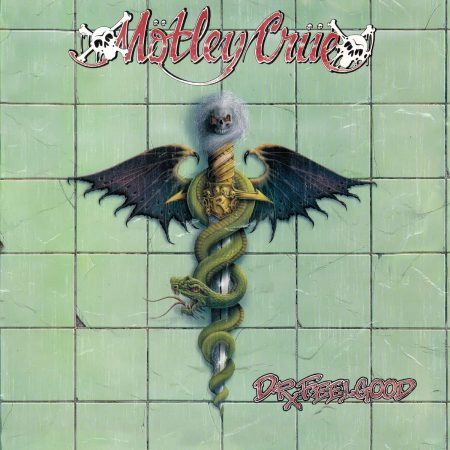
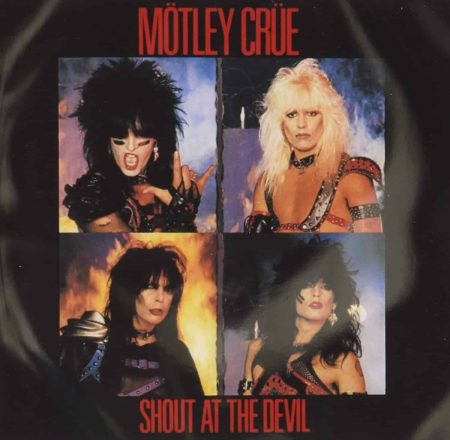
What you heard in those first seconds was not the Mötley Crüe of Shout at the Devil or Dr. Feelgood, and that was entirely the point.
Affiliate Disclosure: I am an Amazon affiliate and if you purchase through any amazon links on this site i may earn a small commission at no extra charge to you. This helps support classicrockartists.com and allows me to keep providing deep-dive content on the legends of rock. Thank you for your support!
Quick Navigation
Hooligan’s Holiday is the track that marks the exact moment the band decided to survive the 1990s by becoming something different, rather than pretending the musical landscape had not changed beneath their feet.
Hooligan’s Holiday: The Song That Started Over
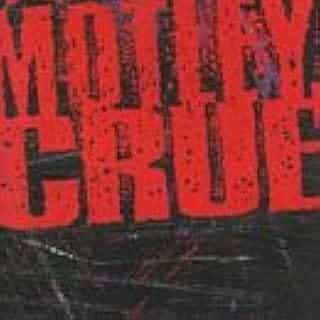
Hooligan’s Holiday was released in 1994 as the lead single from the band’s self-titled album, the first Mötley Crüe record to feature John Corabi in place of Vince Neil, and the first album the band had made after choosing to change their direction rather than repeat what they had done on Dr. Feelgood.
The song opens with a guitar figure that does not sound like anything from the band’s previous catalog, which was deliberate.
Hooligan’s Holiday was not trying to be Kickstart My Heart or Girls Girls Girls.
It was trying to be a statement about where the band was in 1994, which was a more complicated place than any of their previous album cycles had required them to navigate.
For listeners who had followed the band closely, Hooligan’s Holiday was a jolt of cold water, and for listeners discovering the band for the first time through this record, it was simply a very good hard rock song with a singer who sounded like he meant every word.
Both responses were legitimate, and both were exactly what the song was designed to produce.
John Corabi and the New Sound
John Corabi came to Mötley Crüe in 1992 from The Scream, a Los Angeles hard rock band that had positioned him as a powerful vocalist with a rawer, more aggressive delivery than the one Mötley Crüe had built their catalog around.
Vince Neil’s departure had left the band with a choice: find someone who sounded like the vocalist they had lost, or find someone who pushed the music into new territory.
Corabi represented the second option, and Hooligan’s Holiday is the clearest demonstration of what that choice produced.
His voice on the track carries a grit that was different from anything on the previous records, and it sits in the production in a way that makes clear this was not a band trying to cover up the change with studio tricks.
Corabi was front and center, and Hooligan’s Holiday made that presence impossible to ignore.
Whatever you thought about the personnel change, the vocal performance on the song was not something you could dismiss.
Hooligan’s Holiday and the Bob Rock Production
Bob Rock had produced the self-titled 1994 album and brought to it the same muscular clarity he had applied to Metallica’s Black Album in 1991: a sound that was big without being cluttered, and direct without being simple.
Hooligan’s Holiday reflects that production philosophy in every element of its mix.
The guitars are thick but not muddy.
The drums sit in the pocket with a weight that fills the room without overwhelming the vocal.
Nikki Sixx wrote the song and has spoken about the 1994 album sessions as some of the most creatively open periods in the band’s history, partly because the absence of Vince Neil removed certain expectations from the process and allowed the songwriting to go places the previous records had not gone.
Hooligan’s Holiday was the product of that freedom, and it sounds like a song written by people who had stopped trying to repeat themselves.
What 1994 Asked of Hard Rock
By 1994, the commercial landscape that had made Dr. Feelgood a platinum-certified record had been fundamentally altered.
Grunge had moved from the underground into the mainstream, and the audiences that had made Mötley Crüe one of the biggest bands of the late 1980s were listening to different music than they had been in 1989.
Hooligan’s Holiday was the band’s response to that shift: not an imitation of grunge and not a refusal to engage with what had changed, but a harder, more textured version of the band’s DNA that acknowledged the new environment without surrendering to it.
The song carries an aggression that was present in the early catalog but had been smoothed over somewhat in the Dr. Feelgood production, and in the context of 1994, that rougher edge felt like the right response to where rock had moved.
The song referenced the official Mötley Crüe catalog without being bound by it, which is what the band needed in that moment.
Hooligan’s Holiday by the Numbers
Hooligan’s Holiday performed well on the Mainstream Rock chart, reaching the top ten and demonstrating that rock radio was willing to follow the band through the personnel change even if the mainstream pop audience was not.
The self-titled album sold considerably fewer copies than Dr. Feelgood, which had moved over six million units in the United States alone, but the comparison is complicated by the fact that the entire commercial environment for hard rock had contracted significantly between 1989 and 1994.
Hooligan’s Holiday charting at all, given the musical climate it was released into, was a more meaningful achievement than the raw numbers suggest.
The song also demonstrated that Mötley Crüe could generate radio interest without Vince Neil, which was information the band needed before they could make the next set of decisions about where the project was heading.
Watch: The Official Music Video
The official video for Hooligan’s Holiday captures the band in the visual language of 1994, leaner and less theatrically elaborate than the clips that accompanied the Dr. Feelgood era, and centered squarely on the performance and John Corabi’s presence as the new vocal anchor.
Hooligan’s Holiday in the Motley Crue Story
Within the larger Mötley Crüe story, Hooligan’s Holiday occupies a specific and often undervalued position: it is the song that proves the band had the creative depth to survive a major change and still produce music worth listening to.
When Vince Neil returned in 1996 and the band resumed the lineup that had made records from Same Ol Situation through Kickstart My Heart, the Corabi chapter was effectively closed, and Hooligan’s Holiday got filed away as a footnote by listeners who preferred the original lineup.
That filing was premature.
The song holds up as a piece of songwriting that did not depend on nostalgia or on the particular chemistry of any one lineup to make its point.
The riff works, the chorus works, and the vocal delivery works, which is a standard that a lot of rock singles from 1994 fail to meet when you go back to them now.
Hooligan’s Holiday meets it without any difficulty.
The Song That Deserves a Second Listen
More than thirty years after its release, Hooligan’s Holiday has gained listeners who came to it without the baggage of the personnel debate that surrounded it in 1994 and found simply a well-constructed hard rock track that does exactly what it promises.
The production has held up better than many of its contemporaries because Bob Rock built the mix with a density that resists the kind of dating that thinner productions from the same period have suffered.
The Kickstart My Heart version of this band is never going to be replaced in the popular imagination, and Hooligan’s Holiday is not trying to replace it.
It is asking for thirty-five years of distance and another listen from anyone who dismissed it in the moment, which is a reasonable request from a song that earned more than it received.
Put Hooligan’s Holiday on now and hear what the band was actually doing in 1994, because the song is better than the story around it ever gave it credit for being.
Affiliate Disclosure: This post contains affiliate links. If you purchase through them, we may earn a small commission at no extra cost to you.
The album that contains Hooligan’s Holiday is available on Amazon in multiple formats, and hearing the track in the context of the full record gives you the clearest picture of what Hooligan’s Holiday was trying to accomplish.