

Motorhead Inferno: Inside the 2004 Cameron Webb Rebirth
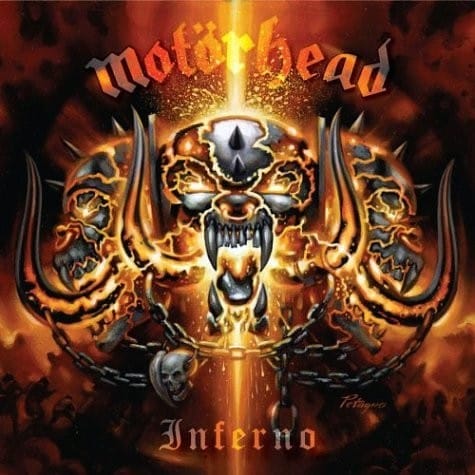
Motorhead Inferno arrived on 22 June 2004 as the band’s seventeenth studio album.
Lemmy Kilmister, Phil Campbell, and Mikkey Dee recorded it as their first collaboration with producer Cameron Webb.
Guitarist Steve Vai joined the sessions as a guest, adding a burst of virtuoso lead guitar to a record built on blunt aggression.
Two decades later, Motorhead Inferno still stands as one of the heaviest records the trio ever committed to tape.
Affiliate Disclosure: I am an Amazon affiliate and if you purchase through any amazon links on this site i may earn a small commission at no extra charge to you.
📋 Table of Contents [+]
⚡ Key Takeaways
- Motorhead released Inferno, its seventeenth studio album, on 22 June 2004.
- Cameron Webb produced Inferno, marking his first of several production collaborations with the band.
- Guitarist Steve Vai played lead guitar on Terminal Show and a solo on Down on Me as a studio guest.
- Inferno reached number 10 in Germany and number 7 on the UK Rock and Metal Albums Chart in 2004.
- Terrorizer’s Guy Strachan rated Inferno 9 out of 10, calling it the best album Motorhead had ever recorded.
What Is the Motorhead Inferno Album About?
The Motorhead Inferno album is a hard, aggressive record built around blunt riffs and Lemmy Kilmister’s growled vocals.
Terminal Show, Killers, and In the Name of Tragedy set a relentless pace across the first three tracks.
Whorehouse Blues closes the album on a country blues note, with Lemmy trading his bass for acoustic guitar and harmonica.
The result is Motorhead Inferno sounding like a band determined to prove it could still hit harder than groups half its age.
Who Recorded Motorhead Inferno?
Lemmy Kilmister handled bass, lead vocals, acoustic guitar, and harmonica across the record.
Phil Campbell played all core guitar parts as the band’s sole guitarist.
Mikkey Dee played drums and added acoustic guitar on select tracks.
Guitarist Steve Vai guested on lead guitar for Terminal Show and contributed a solo to Down on Me.
Where and When Was Motorhead Inferno Recorded?
Motorhead recorded Inferno in early 2004 across three Los Angeles area studios: NRG Studios, Paramount Recording Studios, and Maple Sound Studios.
Cameron Webb produced the sessions, marking the first of what became a long run of Motorhead albums with him behind the board.
Engineers Bob Koszela, Sergio Chavez, and Chris Rakestraw worked alongside Webb to capture the record’s raw low end.
SPV and Steamhammer released Motorhead Inferno in Europe on 22 June 2004, with Metal-Is and Sanctuary Records handling the US release.
Why Does Steve Vai Play Guitar on Motorhead Inferno?
Steve Vai contributed lead guitar to Motorhead Inferno as a guest musician on two tracks, Terminal Show and Down on Me.
His technical, high register playing sits in deliberate contrast to Phil Campbell’s blunt, percussive riffing on the same songs.
The pairing gave the record one of the most talked about production choices in the band’s catalog.
Vai’s guest appearance remains one of the few times a guitarist of his stature worked directly inside a Motorhead session.
What Songs Are on the Motorhead Inferno Tracklist?
Motorhead Inferno runs twelve tracks across roughly 48 minutes.
The album opens with Terminal Show, Killers, and In the Name of Tragedy, then moves through Suicide, Life’s a Bitch, and Down on Me.
In the Black, Fight, In the Year of the Wolf, Keys to the Kingdom, and Smiling Like a Killer keep the pace unrelenting through the back half.
In the Black later appeared in the 2009 video game Brutal Legend, extending the song’s reach well beyond the album’s original release.
Whorehouse Blues closes the record, the same acoustic detour the band would revisit on later albums.
How Does Terminal Show Set the Album’s Tone?
Terminal Show opens Motorhead Inferno at full force, built around one of Phil Campbell’s most direct riffs on the record.
Steve Vai’s guest solo gives the track its most distinctive moment, a burst of technical playing inside an otherwise stripped down song.
The song became the record’s calling card in reviews, cited repeatedly as evidence the band could still open an album with real force.
It remains one of the more frequently cited tracks from Motorhead’s 2000s output.
Did Motorhead Inferno Chart?
Motorhead Inferno reached number 10 in Germany and number 7 on the UK Rock and Metal Albums Chart in 2004.
The album also charted at number 17 in Finland, number 34 in Sweden, and number 36 in Switzerland, according to chart figures collected on the album’s Wikipedia entry.
On the main UK Albums Chart, Motorhead Inferno peaked at a modest number 95.
The stronger showing in Germany matched the band’s long standing popularity in that market.
What Did Critics Say About Motorhead Inferno?
Critics gave Motorhead Inferno some of the most enthusiastic reviews of the band’s later career.
Terrorizer writer Guy Strachan rated the album 9 out of 10 and called it the best record Motorhead had ever made.
Mojo’s Ian Winwood praised the band’s sharpness and precision, noting tinges of blues, punk, and metal across the record.
AllMusic’s James Monger was less impressed, awarding 3 out of 5 stars and criticizing the band for repeating past formulas.
How Does Inferno Compare to Hammered?
Motorhead Hammered leaned on a wrestling crossover and a darker, war themed lyric sheet.
Motorhead Inferno replaced that novelty with a straightforward focus on speed and a rare outside guest turn from Steve Vai.
Both records benefit from Cameron Webb’s influence, though Inferno marked his debut with the band while Hammered predated his arrival.
Reviewers generally rated Inferno as the stronger, more focused record of the two.
Why Does Whorehouse Blues Close the Album on a Different Note?
Whorehouse Blues closes Motorhead Inferno with an all acoustic country blues arrangement.
Lemmy traded his bass for acoustic guitar and harmonica, a rare instrumental shift for the band.
The track’s placement at the very end of a relentlessly heavy record makes the contrast even sharper.
Whorehouse Blues remains one of the most unusual tracks the trio ever recorded together.
People Also Ask
Is Motorhead’s Inferno a good album?
Motorhead Inferno is widely considered one of the stronger records of the band’s 2000s run, earning a 9 out of 10 score from Terrorizer’s Guy Strachan, who called it the best album Motorhead had ever made.
Other critics were more mixed, with AllMusic awarding 3 out of 5 stars and citing repetitive songwriting.
Who produced Motorhead’s Inferno album?
Cameron Webb produced Motorhead’s Inferno album in early 2004, recording across NRG Studios, Paramount Recording Studios, and Maple Sound Studios in the Los Angeles area.
It marked Webb’s first of several production collaborations with the band.
Does Steve Vai play guitar on Motorhead’s Inferno?
Yes, guitarist Steve Vai guested on Motorhead’s Inferno album, playing lead guitar on Terminal Show and a solo on Down on Me.
His technical playing style contrasted deliberately with Phil Campbell’s more direct riffing on the same tracks.
Did Motorhead’s Inferno album chart?
Motorhead’s Inferno album charted at number 10 in Germany and number 7 on the UK Rock and Metal Albums Chart in 2004.
It also reached number 95 on the main UK Albums Chart, a modest showing typical of the band’s 2000s releases.
Watch the Official Video and Shop Motorhead Albums
Affiliate Disclosure: I am an Amazon affiliate and if you purchase through any amazon links on this site i may earn a small commission at no extra charge to you. This helps support classicrockartists.com and allows me to keep providing deep-dive content on the legends of rock. Thank you for your support!
As an Amazon Associate, I earn from qualifying purchases.
Inferno
2004
Features a guest guitar solo from Steve Vai on two tracks.
The first Motorhead album produced by Cameron Webb.
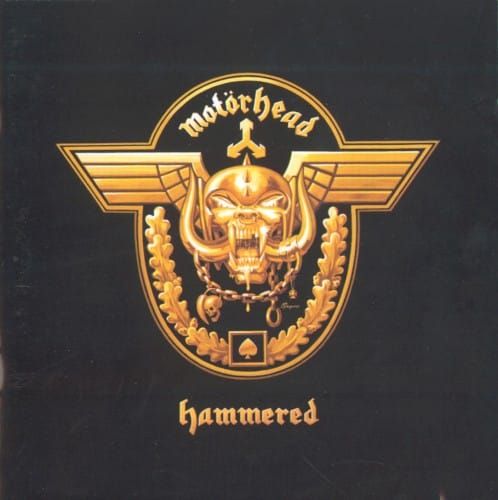
Hammered
2002
The album that came right before Inferno in the band’s 2000s run.
Features a guest spot from WWE’s Triple H.
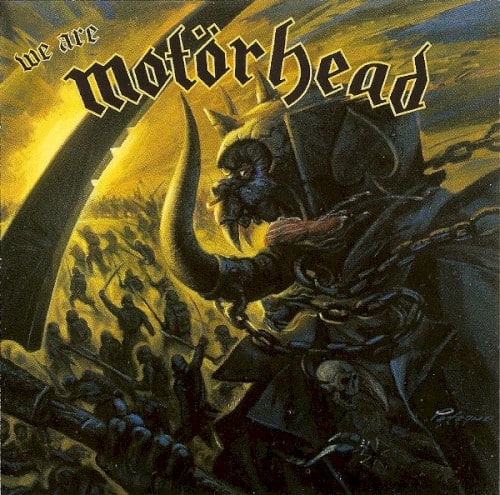
We Are Motorhead
2000
An earlier record from the same steady trio lineup.
Features a defiant cover of the Sex Pistols.
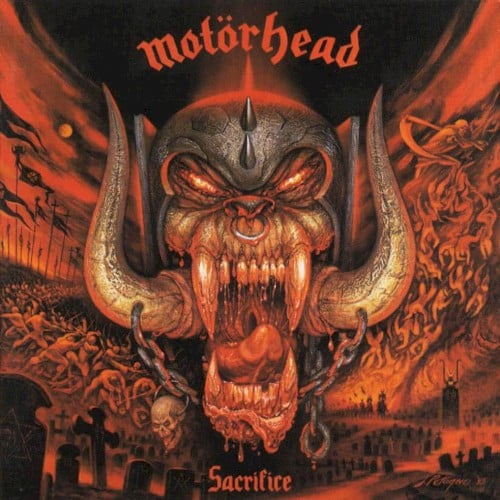
Sacrifice
1995
The last full album with guitarist Wurzel before the trio era began.
A darker, faster precursor to the sound Inferno would later sharpen.
You Might Also Like
We Are Motorhead Album: Inside the 2000 Trio Statement
The record two albums before Inferno, from the same trio lineup and a similarly blunt attack.
Motorhead Sacrifice: Inside the 1995 Album
A darker, faster record from nearly a decade before Inferno sharpened the same attack.
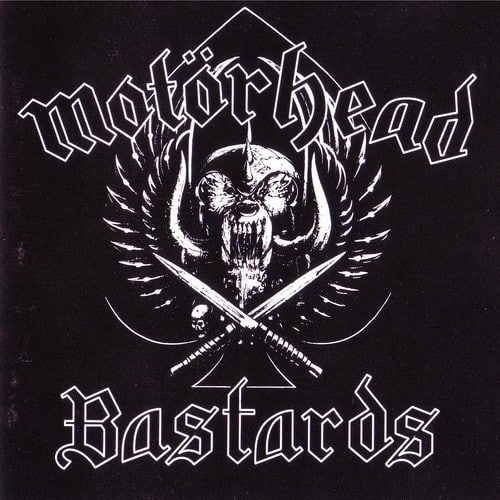
Motorhead Bastards: Inside the 1993 Album
Mikkey Dee’s first full album as permanent drummer, nine years before Inferno.
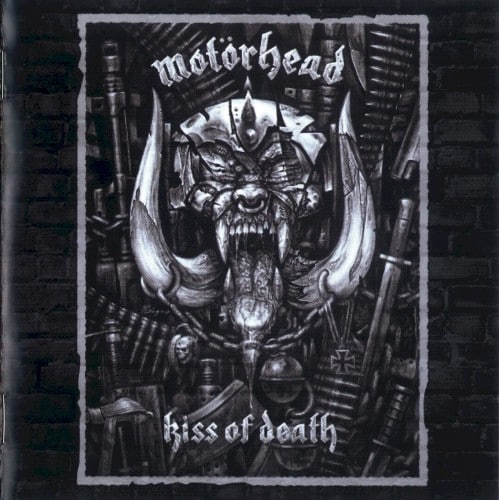
God Was Never on Your Side
A song from Kiss of Death, the album that followed Inferno two years later.
Motorhead Inferno never became the band’s most famous album, but it earned real respect from critics and fans alike.
Its mix of blunt aggression and a rare guest appearance from Steve Vai still make it a standout in the band’s catalog.
Read the full lineup history of the members of Motorhead to see how this album fits into the band’s larger story.
Cameron Webb and the trio would carry this same partnership forward two years later on Kiss of Death.
As of 2026, Motorhead Inferno remains one of the most surprising and best reviewed records the band ever released.
Last updated: July 24, 2026