

Nik Turner was Hawkwind’s saxophonist, flutist and co-founding member.
He gave the band its wild free jazz edge from 1969 to 1976.
He died on November 10, 2022, at age 82.
He left behind a catalog that shaped British space rock for five decades.
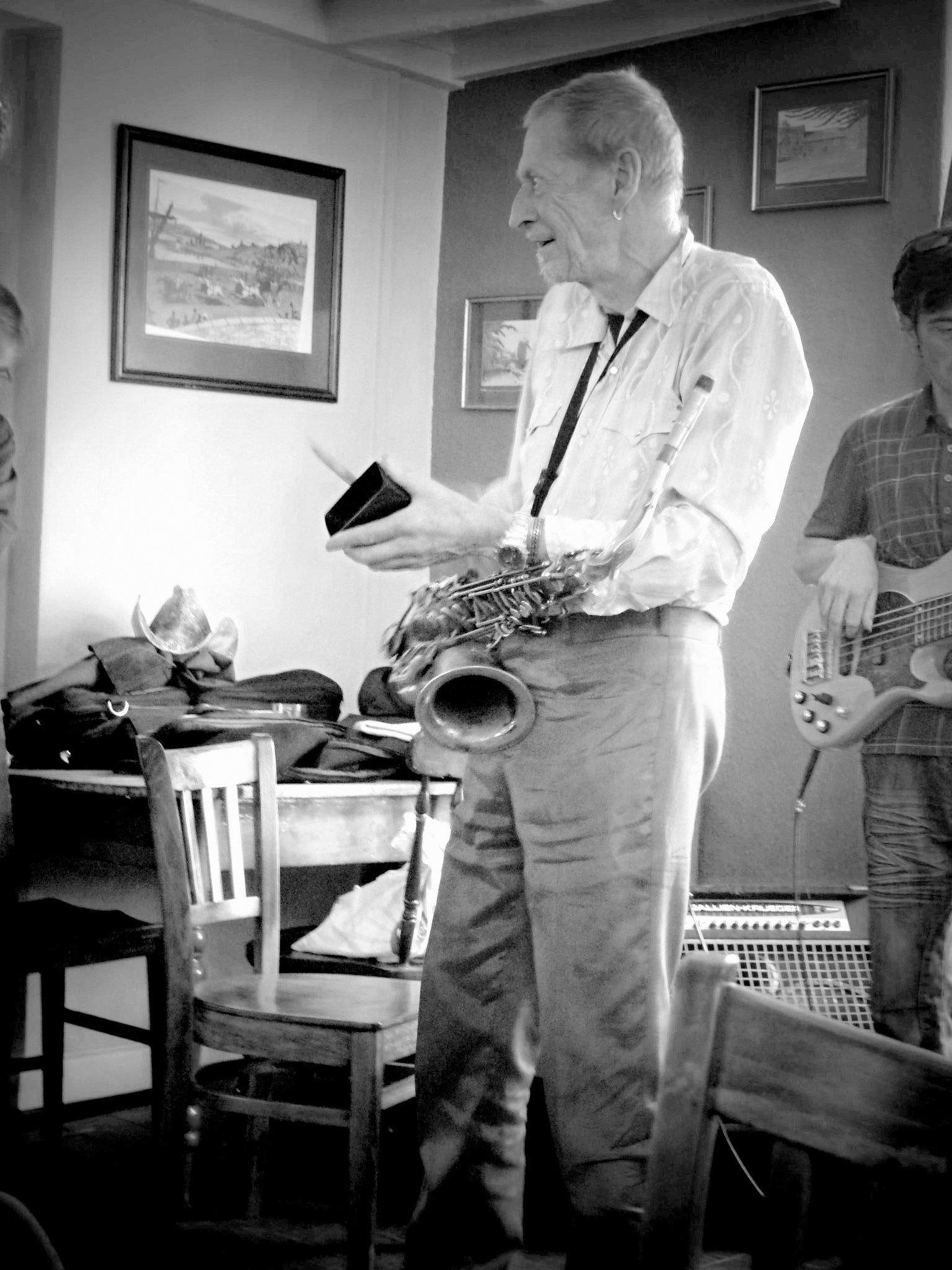
Image Credit: Photo by mongo gushi, CC BY 2.0, via Wikimedia Commons
Affiliate Disclosure: I am an Amazon affiliate and if you purchase through any amazon links on this site i may earn a small commission at no extra charge to you.
📋 Table of Contents [+]
⚡ Key Takeaways
- Nik Turner co-founded Hawkwind in 1969 and played saxophone, flute and vocals through 1976.
- He co-wrote “Brainstorm” and “Master of the Universe,” two of Hawkwind’s best known songs.
- Hawkwind dismissed him twice, first in November 1976 and again in late 1984.
- A UK court blocked him from touring under the Hawkwind name in 2002, so he renamed his band Space Ritual.
- Nik Turner died on November 10, 2022, at age 82 in Pembrokeshire, Wales.
Who Was Nik Turner?
Nik Turner was the saxophonist, flutist and vocalist who co-founded Hawkwind in 1969 and helped define British space rock.
He was born Nicholas Robert Turner on August 26, 1940, in Oxford, England.
His family relocated to the seaside town of Margate, Kent, when he was 13.
There he befriended a young Robert Calvert, who later became Hawkwind’s poet and lyricist.
Turner completed an engineering course and served briefly in the Merchant Navy before drifting into music.
He took two years of clarinet and saxophone lessons in the early 1960s.
He never considered himself a technical player, though.
Time spent around free jazz musicians in Berlin changed his direction.
He decided he wanted to play free jazz inside a rock band.
That instinct became the sound that made Hawkwind unlike anything else on the UK underground circuit.
How Did Nik Turner Join Hawkwind?
Nik Turner joined Hawkwind in 1969 after meeting guitarist Dave Brock two years earlier in Haarlem, Netherlands.
Turner was working as a roustabout with a traveling music circus in 1967 when the pair crossed paths.
Brock and the band’s earliest lineup formed in London in 1969.
Turner initially offered to help as a roadie.
The band discovered his saxophone playing and pulled him in as a full member instead.
Dave Brock and Turner would remain the two constants of Hawkwind’s founding chemistry for years.
Turner’s saxophone and flute gave the band’s guitar-and-synth wall of sound a jazz-inflected edge nobody else had.
His outrageous stage presence, elaborate makeup and Ancient Egypt-inspired costumes became as much a signature as his playing.
What Hawkwind Songs Did Turner Co-Write?
Turner co-wrote several of Hawkwind’s most enduring songs during his first stint in the band.
His writing credits include “Brainstorm” and “Master of the Universe,” two tracks still central to Hawkwind’s live sets today.
He played on all seven of Hawkwind’s studio albums released between 1970 and 1976.
Those albums were Hawkwind (1970), In Search of Space (1971) and Doremi Fasol Latido (1972).
They also included Space Ritual (1973), Hall of the Mountain Grill (1974), Warrior on the Edge of Time (1975) and Astounding Sounds, Amazing Music (1976).
Hawkwind’s breakthrough single “Silver Machine” reached number 3 on the UK charts in June 1972.
Turner was a full member of the band at the time.
You can hear that era’s defining single on the site’s own Silver Machine feature.
Why Was Turner’s Stage Presence So Wild?
Turner built his stage persona around free jazz improvisation and theatrical costume, not technical precision.
He once said the band was interested in “the overall feel rather than the individual parts of the music.”
He wore elaborate makeup and Ancient Egyptian-styled outfits that turned Hawkwind shows into a kind of ritual theater.
That visual chaos matched the band’s light shows, dancers and science fiction themes.
It also created friction, since Turner’s saxophone volume regularly overwhelmed the other musicians on stage.
💡 Did You Know?
In the 1990s, Turner briefly teamed up with fellow psychedelic veteran Twink of the Pink Fairies as “Pinkwind.”
Only two unauthorized live CDs of the pairing were ever released.
What Happened When Nik Turner Recorded Inside the Great Pyramid?
Nik Turner traveled to Egypt in the winter of 1976 and 1977, after leaving Hawkwind.
There he recorded flute alone inside the Great Pyramid of Giza.
He was granted three hours inside the King’s Chamber, deep in the tomb built for the Pharaoh Khufu.
Musician Steve Hillage of the band Gong helped clean up and produce the raw tapes afterward.
Turner assembled a group called Sphynx, featuring Hawkwind’s Alan Powell, Gong’s Mike Howlett and Tim Blake, and Harry Williamson.
Together they built songs around the pyramid recordings, with lyrics adapted from the ancient Egyptian Book of the Dead.
The result, Xitintoday, was released on Charisma Records in 1978 as Turner’s first solo project after Hawkwind.
Why Did Hawkwind Fire Nik Turner in 1976?
Hawkwind fired Nik Turner in November 1976 after ongoing tension over his saxophone volume and stage behavior.
Bandmates complained he routinely played over the rest of the group rather than working within the arrangements.
The dismissal ended Turner’s first and most productive stretch in the band, which had run since 1969.
It also freed him to pursue new solo and side projects.
Those projects would define the next two decades of his career.
What Was Turner’s Sphynx Project?
Sphynx was the band Turner built around his Great Pyramid flute recordings and the Xitintoday album.
He revived the concept in 1993 with musicians Pressurehed and Helios Creed, recording a new version of the album.
That partnership grew into regular United States touring built around Hawkwind-era material.
Shows sometimes featured Genesis P-Orridge or Jello Biafra as guests.
Former Hawkwind members Simon House, Del Dettmar and Alan Powell also joined in.
Musicians from those sessions went on to form the related groups Anubian Lights and Spiral Realms.
What Was Inner City Unit?
Inner City Unit was the psychedelic-punk band Turner formed in the late 1970s after Sphynx wound down.
The lineup included Mo Vicarage, Ermanno Ghisio-Erba, Trev Thoms and Dead Fred.
Steve Peregrin Took of Tyrannosaurus Rex made guest appearances too.
The band released four studio albums between 1980 and 1985, including Pass Out and Maximum Effect.
Drug-related problems within the lineup eventually broke the group apart.
Turner and Dead Fred later regrouped to record New Anatomy and The President Tapes.
Turner revived the Inner City Unit name occasionally into the 2000s.
💡 Did You Know?
Sting sang lead vocals on “Nuclear Waste,” a single Turner recorded in 1978 with Sphynx musicians.
The track did not see release until 1995.
Did Nik Turner Ever Return to Hawkwind?
Nik Turner rejoined Hawkwind in 1982 at Dave Brock’s invitation to record the album Choose Your Masques.
He fronted the band through the tour that followed.
He appeared on live releases including Zones and This Is Hawkwind, Do Not Panic.
He also appeared on the group’s first released concert video, Night of the Hawks.
Brock dismissed him again at the end of 1984.
The band was preparing material for The Chronicle of the Black Sword at the time.
That second stint lasted just over two years and produced no new Hawkwind studio album.
Why Did Nik Turner Lose the Rights to the Hawkwind Name?
Nik Turner lost the legal right to perform under the Hawkwind name in 2002.
Dave Brock had brought the court case against him.
Turner had organized a loose touring band under the banner xhawkwind.com, built from a 2001 event called the Greasy Truckers Party.
A 2002 appearance at Guilfest caused confusion among fans over whether the show was the real Hawkwind.
Brock pursued legal action to stop Turner from trading under the name, and Turner lost the case.
The band settled on a new name, Space Ritual, which Turner continued to lead for years afterward.
What New Bands Did Turner Form After Hawkwind?
Turner kept forming and joining new groups well into his final decade of performing.
Nik Turner’s Fantastic All Stars ran from the late 1980s through 1999.
The band mixed saxophone and Hammond organ over jazz and R&B grooves.
He fronted the “psychedelic latino-funk” band Galaktikos in the 2000s.
He also toured with the American space rock group Spaceseed.
He recorded with the UK dance act Akahum and the Finnish space rock band Dark Sun.
The Dark Sun sessions produced the live album Ice Ritual in 2000.
Solo studio albums kept arriving for decades.
They included Space Gypsy in 2013, Life in Space in 2017 on Cleopatra Records, and I DO WHAT I LIKE in 2021.
What Is Nik Turner’s Legacy in Space Rock?
Nik Turner’s legacy rests on the free jazz saxophone sound he brought to Hawkwind’s earliest years.
He helped turn Hawkwind’s live show into an immersive, costume-driven ritual rather than a standard rock concert.
His work on Space Ritual and In Search of Space remains a touchstone for space rock.
Read the site’s full Space Ritual and In Search of Space album reviews for a closer look.
Later musicians across punk, psychedelia and free jazz have pointed to his fearless, unpolished playing as an influence.
What Did Turner Do in His Final Years?
Turner kept performing and recording steadily right up to the year of his death.
In 2017 he played saxophone and narrated “Brainstorm” on the album Warfare for High Roller Records.
In March 2019 he appeared at Hawkfest in Austin, Texas.
Former bandmate Alan Powell and Hawkwind lyricist Michael Moorcock joined him there.
Later that year he joined Damo Suzuki’s Sound Carriers at the Laugharne Weekend festival in Wales.
While living in Carmarthen, Wales, he was known for busking his saxophone in nearby Cardiff on weekend nights.
When Did Nik Turner Die?
Nik Turner died on November 10, 2022, at his home in Pembrokeshire, Wales, at age 82.
His family announced that he passed away peacefully, though no official cause of death was released.
Tributes credited him as a founding architect of British space rock.
He remained a fixture of the UK underground for more than five decades.
Hawkwind’s full lineup history traces how his contributions fit into the band’s larger story.
People Also Ask
Is Nik Turner still alive?
No, Nik Turner is not alive, having died on November 10, 2022, at his home in Pembrokeshire, Wales, at age 82, following a career that began in 1969 when he co-founded Hawkwind and became one of British space rock’s most recognizable saxophonists and stage performers.
His family confirmed the death but did not release an official cause.
How old was Nik Turner when he died?
Nik Turner was 82 years old when he died on November 10, 2022, having been born Nicholas Robert Turner on August 26, 1940, in Oxford, England, and having spent the decades between building one of rock’s most unusual solo and side-project catalogs.
He had continued performing live into his final year.
Why did Nik Turner leave Hawkwind?
Hawkwind dismissed Nik Turner in November 1976 after tension built up over his saxophone volume overwhelming the rest of the band on stage, ending the most productive stretch of his career and pushing him toward the solo and Egypt-inspired projects that followed almost immediately.
He returned briefly from 1982 to 1984 before being let go a second time during sessions for The Chronicle of the Black Sword.
What bands was Nik Turner in besides Hawkwind?
Nik Turner led or co-founded Sphynx, Inner City Unit, Nik Turner’s Fantastic All Stars, Space Ritual and Galaktikos after his time in Hawkwind, releasing solo albums well into the 2020s and guesting on projects with musicians from Gong, Dark Sun and Damo Suzuki’s Sound Carriers along the way.
His last studio credits arrived in the early 2020s.
Did Nik Turner play saxophone on Silver Machine?
Nik Turner was a full member of Hawkwind’s lineup when “Silver Machine” reached number 3 on the UK charts in June 1972, and his sax and flute remained part of the band’s overall sound during that era, though the track is best remembered for Lemmy Kilmister’s lead vocal.
Turner’s playing stayed central to every studio album the band released between 1970 and 1976.
Watch Him Live
Essential Nik Turner Era Hawkwind Albums
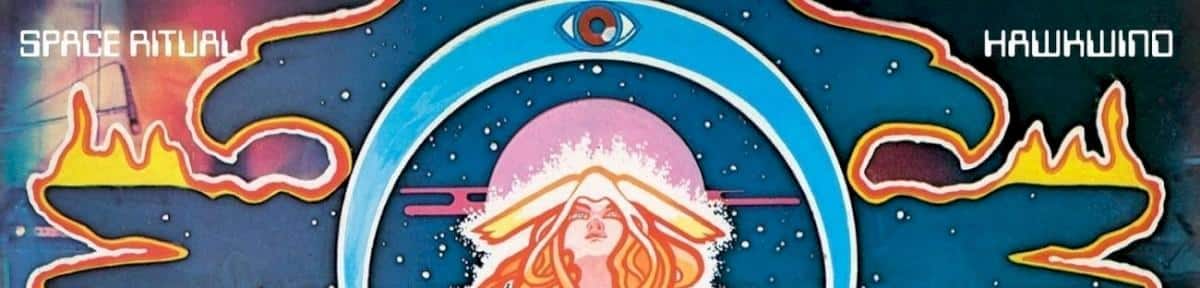
Space Ritual
1973 live album
The definitive document of Turner’s stage-era saxophone and flute work.
Widely considered Hawkwind’s best live recording.
🛒 Check Price on Amazon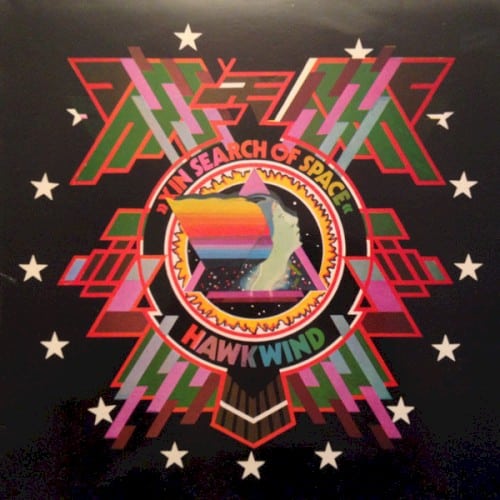
In Search of Space
1971 studio album
Turner’s first full studio album with the band, UK number 18.
Home to “Master of the Universe,” which he co-wrote.
🛒 Check Price on Amazon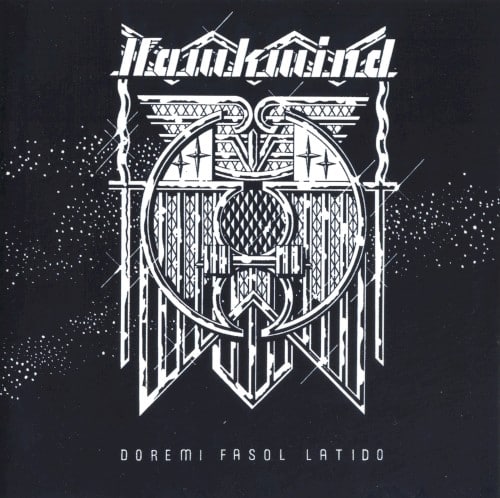
Doremi Fasol Latido
1972 studio album
Reached UK number 14 with Turner’s sax driving the heavier sound.
Recorded at Rockfield Studios during the band’s most productive run.
🛒 Check Price on Amazon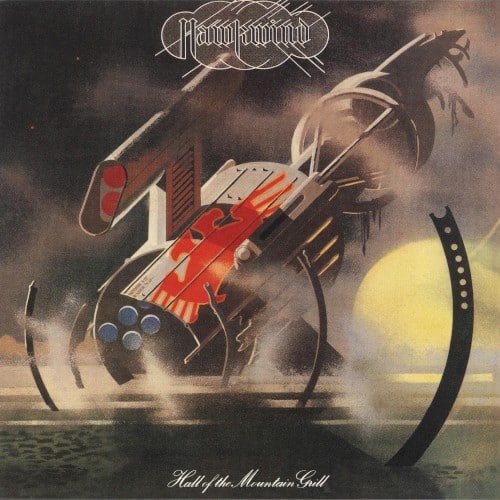
Hall of the Mountain Grill
1974 studio album
A more melodic turn that still leaned on Turner’s flute and sax textures.
Released September 6, 1974, near the peak of the band’s original run.
🛒 Check Price on AmazonYou Might Also Like
Another British bandleader from the same 1969 wave who built a career on uncompromising experimental sound.
A fellow British prog percussionist who moved between bands the way Turner moved between space rock side projects.
A guitarist from the same early 1970s British prog scene that grew alongside Hawkwind’s underground following.
Another restless 1970s bandleader whose lineup changes echo the churn around Turner’s own solo projects.
Last updated: August 28, 2026.
Nik Turner never chased a conventional career, and that is exactly why his saxophone still defines what British space rock sounds like.