

London Calling by The Clash was released in December 1979 as the title track and lead single from their landmark double album, arriving at a moment when the band was expanding well beyond the boundaries of punk rock into a broader, more ambitious sound.
Affiliate Disclosure: I am an Amazon affiliate and if you purchase through any amazon links on this site i may earn a small commission at no extra charge to you.
Written by Joe Strummer and Mick Jones and produced by Guy Stevens, the song draws on Cold War anxieties, environmental concerns, and social instability to create a track that functions equally as a news bulletin and a call to action.
London Calling is routinely listed among the greatest rock songs ever recorded, and its influence on the music that followed it is difficult to overstate.
| Song Title | London Calling |
| Artist | The Clash |
| Album | London Calling (1979) |
| Release Year | 1979 |
| Written By | Joe Strummer, Mick Jones |
| Producer | Guy Stevens |
| Label | CBS Records |
| Chart Peak | #11 UK Singles Chart |
Background and Meaning
Strummer wrote the lyrics in response to a period of widespread social and political tension in Britain and across the Western world in the late 1970s.
The song references concerns including nuclear threat, rising unemployment, environmental deterioration, and the general atmosphere of uncertainty that defined the close of the decade.
The title itself echoes the wartime BBC World Service broadcasts that opened with the phrase “This is London calling,” grounding the song in a tradition of urgent public communication.
Producer Guy Stevens was known for encouraging spontaneous, energetic performances in the studio, and his approach brought a live urgency to the London Calling album that studio polish might have diminished.
Paul Simonon‘s bass line drives the track with a reggae-influenced rhythm that reflects The Clash’s longstanding interest in Jamaican music alongside their punk rock foundation.
Drummer Topper Headon plays with a restraint that serves the song’s momentum, locking in with Simonon to create a groove far more dynamic than straightforward punk would have allowed.
Notable Lyrics
“London calling to the faraway towns / Now war is declared and battle come down.”
The opening lines establish the song’s urgent tone immediately, framing the entire track as a broadcast from a city under pressure reaching out to a wider world.
“The ice age is coming, the sun is zooming in / Meltdown expected, the wheat is growing thin.”
These lines show Strummer’s range as a lyricist, compressing multiple environmental and geopolitical anxieties into a sequence that feels both specific and universal.
Cultural Impact
London Calling is frequently placed at or near the top of all-time greatest rock songs lists, including Rolling Stone magazine’s ranking of the 500 greatest songs, where it has consistently appeared in the top twenty.
The album of the same name is considered one of the most significant records of the rock era, notable for its ambition, its sonic range, and the quality of its songwriting across its entire double-LP length.
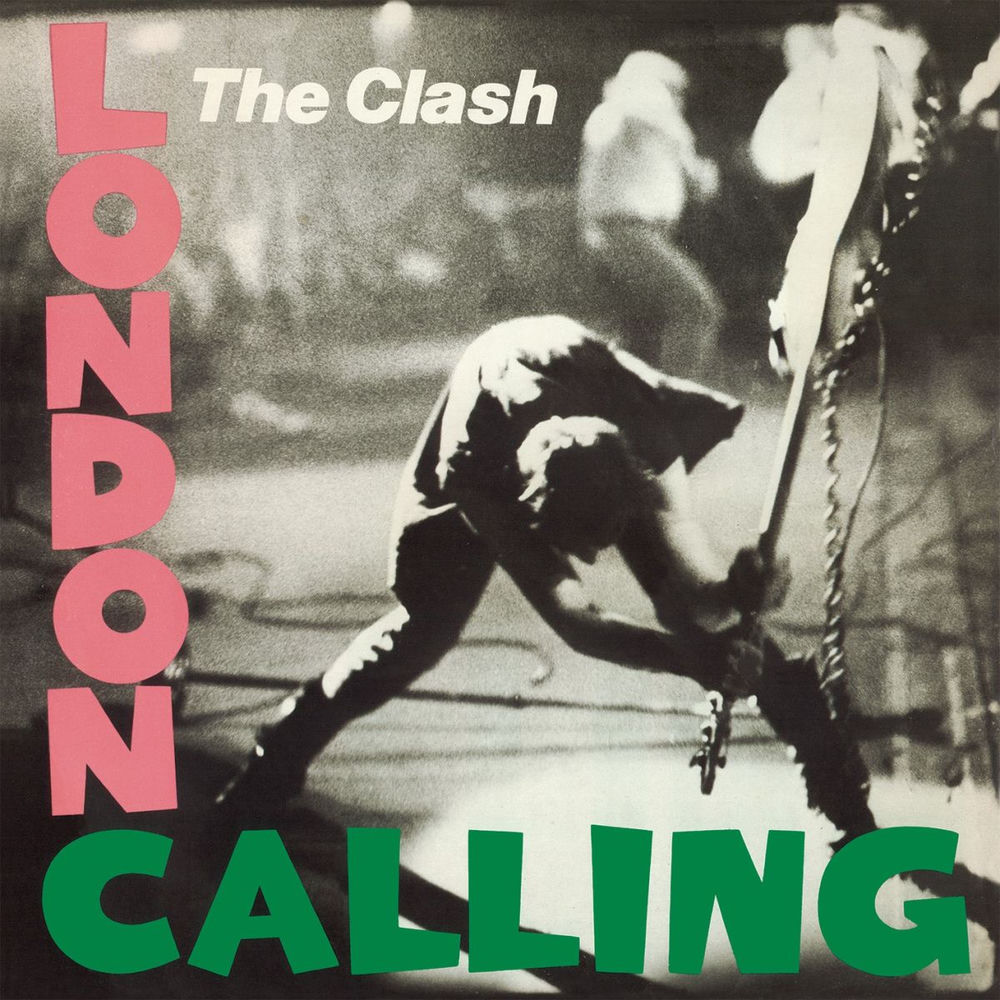
The photograph on the album cover, taken by Pennie Smith and showing Simonon smashing his bass guitar on stage, is widely regarded as one of the most iconic images in rock photography.
The track was performed at the 2012 London Olympics opening ceremony, cementing its status as part of British cultural identity rather than just musical history.
Fun Facts
The London Calling double album was sold at the price of a single record, a deliberate decision by the band and their label to make it accessible to as many listeners as possible.
Strummer developed the lyrics quickly, reportedly writing them in a single concentrated session after a period of reading newspapers and absorbing the mood of the moment.
The song’s bass line was partially inspired by a reggae rhythm that Simonon had been developing independently, which Strummer and Jones then built the rest of the arrangement around.
Why It Still Resonates
London Calling endures because the concerns it describes, economic instability, environmental threat, and social breakdown, are not confined to any single era.
Strummer’s vocal delivery carries genuine conviction, and that quality translates across generations in a way that more detached performances rarely do.
As both a piece of music and a historical document, London Calling remains one of the most fully realized statements in the rock canon, a track that rewards every listen with something new.